Water Bottle Filling Machine - Advanced Automated Bottling Solutions for Beverage Production

All Categories

water bottle filling machine

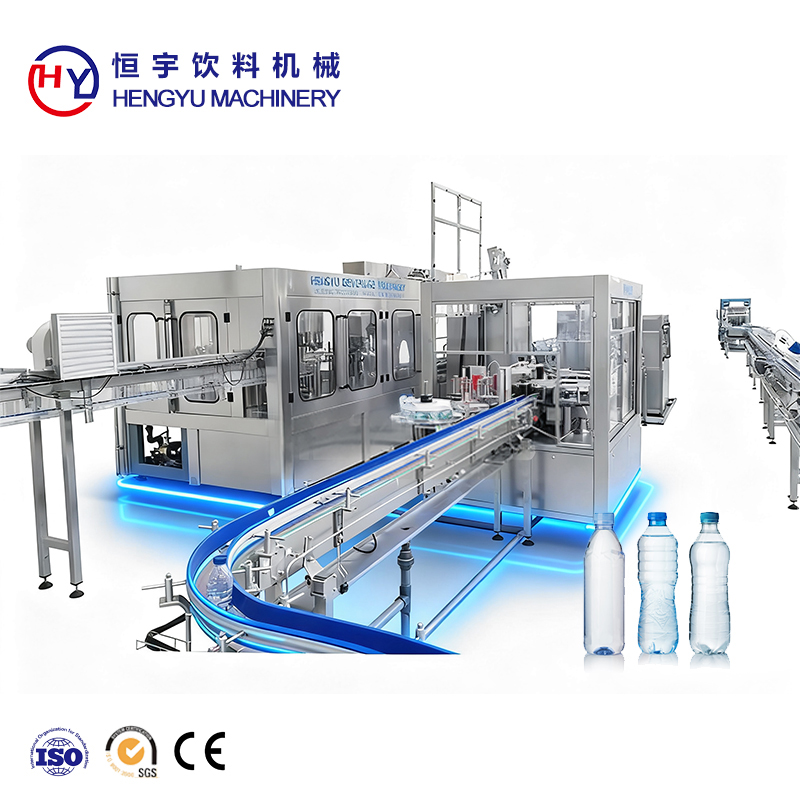
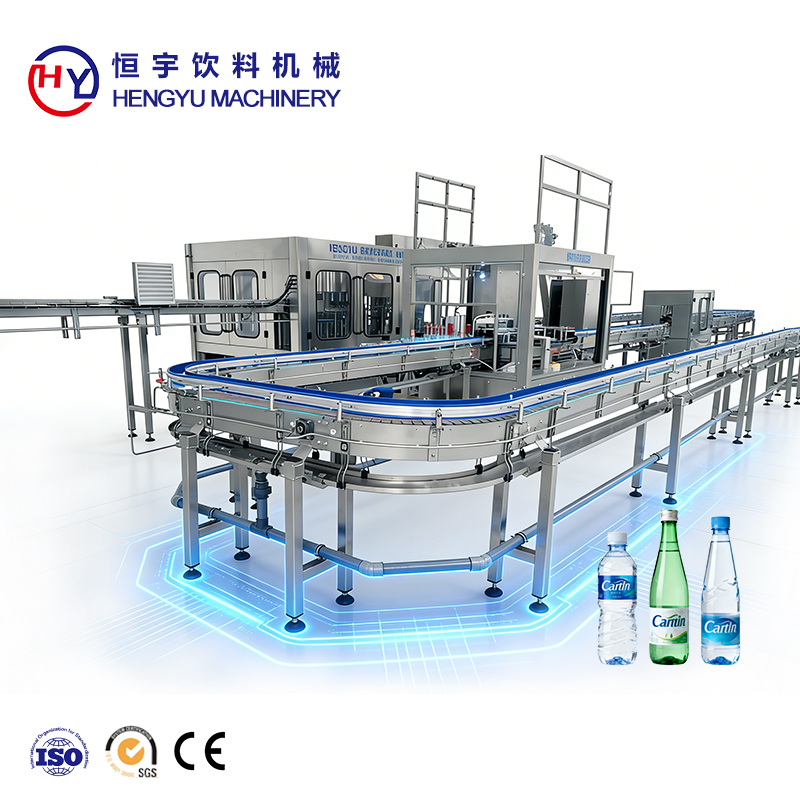
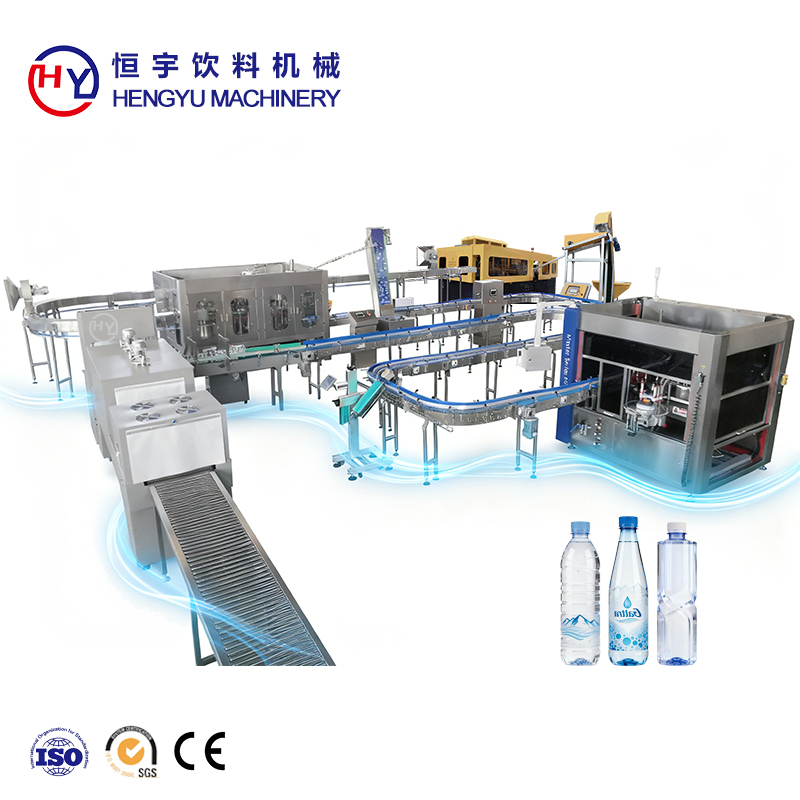
A water bottle filling machine represents an essential piece of industrial equipment designed to automate the process of filling bottles with various types of water products, including purified water, mineral water, spring water, and sparkling water. This sophisticated machinery streamlines production operations by efficiently handling multiple stages of the bottling process, from container handling to precise liquid filling and capping. Modern water bottle filling machines incorporate advanced technology that ensures accurate fill levels, maintains product quality, and maximizes production speed while minimizing waste. These systems are engineered to accommodate different bottle sizes and shapes, ranging from small personal-sized containers to large commercial jugs. The equipment typically features stainless steel construction that meets food-grade safety standards and ensures durability in demanding production environments. Integration capabilities allow these machines to connect seamlessly with upstream and downstream equipment, creating complete bottling lines. Automated controls and programmable logic controllers enable operators to adjust settings quickly for different production requirements. The filling technology employed varies based on application needs, with options including gravity filling, pressure filling, and vacuum filling methods. Sanitation features are built into the design, facilitating easy cleaning and maintenance to comply with stringent hygiene regulations. Production facilities across the beverage industry rely on these machines to maintain consistent output quality while reducing labor costs and human error. The versatility of water bottle filling machines makes them suitable for small-scale operations seeking to grow their capacity as well as large manufacturers requiring high-speed production capabilities. Investment in this equipment delivers long-term value through increased efficiency, reduced operational costs, and improved product consistency that meets consumer expectations for quality and safety.

New Products

Investing in a water bottle filling machine delivers substantial benefits that directly impact your bottom line and operational efficiency. First and foremost, these machines dramatically increase production speed compared to manual filling methods, enabling your facility to produce thousands of bottles per hour depending on the model specifications. This acceleration in output allows businesses to meet growing market demand without proportionally increasing labor costs. The precision engineered into modern filling systems ensures consistent fill levels across every bottle, eliminating underfilled or overfilled containers that result in product waste or regulatory compliance issues. This accuracy protects your profit margins by ensuring you deliver exactly the right amount of product in each container. Automation reduces dependency on manual labor, freeing your workforce to focus on quality control, maintenance, and other value-adding activities rather than repetitive filling tasks. The reduction in human handling also minimizes contamination risks, enhancing product safety and extending shelf life. Energy efficiency features built into contemporary machines help lower utility costs while supporting sustainability initiatives that appeal to environmentally conscious consumers. The flexible design of these systems accommodates various bottle formats, allowing you to diversify your product line without investing in entirely new equipment. Quick changeover capabilities mean you can switch between different bottle sizes or product types with minimal downtime, maximizing productive hours. Maintenance requirements are straightforward, with accessible components and clear documentation that help your team perform routine servicing without extensive specialized training. The durability of stainless steel construction means these machines withstand years of continuous operation, providing excellent return on investment. Automated monitoring and control systems detect issues before they become serious problems, preventing costly production interruptions. Improved workplace safety results from reducing manual handling of heavy bottles and exposure to repetitive strain injuries. Consistent quality output enhances your brand reputation, as customers receive the same high-quality product every time they purchase. Scalability options allow you to start with basic configurations and add modules as your business expands. Integration with data management systems provides valuable production metrics that inform business decisions and identify optimization opportunities. Reduced spillage and waste translate to lower raw material costs and less environmental impact. The professional appearance of machine-filled bottles improves shelf appeal and consumer confidence in your products.

Practical Tips

How Bottled Water Production Lines Maintain Product Safety

12

Mar

How Bottled Water Production Lines Maintain Product Safety

Regulatory Foundations and the Multi-Barrier Safety Framework FDA, EPA, and ISO Standards Specific to Bottled Water Production Lines The bottled water industry works within a pretty strict set of regulations. The FDA has these things called Good Ma...
View More
How Can Filling Machines Improve Beverage Production Speed

24

Mar

How Can Filling Machines Improve Beverage Production Speed

Filling Machine Type Determines Maximum Throughput Potential Gravity, Isobaric, and Piston Can Filling Machines: Speed vs. Precision Trade-offs Gravity fillers work well for delicate drinks such as juice, processing around 20 to 36 bottles every mi...
View More
Troubleshooting Can Filling Machine Production Issues

21

Mar

Troubleshooting Can Filling Machine Production Issues

Power, Control, and Electrical Faults in Can Filling Machines Machine won't power on: main supply, fuses, and emergency stop circuit checks If the can filling machine won't start at all, the first thing to do is check whether the main power supply ...
View More
Automation Technology in Can Sealing Machines

24

Mar

Automation Technology in Can Sealing Machines

How Automation Enhances Precision and Reliability in Can Sealing Machines Core Automation Components: Servo Drives, Vision Systems, and Closed-Loop Feedback in Modern Can Sealing Machines Today's can sealing equipment reaches incredible levels of p...
View More

Get a Free Quote

Our representative will contact you soon.
Email
Name
Phone/WhatsApp
Required Product
Message
0/1000

water bottle filling machine

Advanced Precision Filling Technology Ensures Product Consistency

Advanced Precision Filling Technology Ensures Product Consistency

The cornerstone of any effective water bottle filling machine lies in its ability to deliver precise, consistent fill volumes across every single container that passes through the production line. Modern systems employ sophisticated volumetric filling technology that measures liquid quantities with exceptional accuracy, typically within tolerances of plus or minus one percent or better. This precision results from carefully engineered filling valves that control liquid flow rates through electronic sensors and programmable logic controllers. The technology continuously monitors and adjusts filling parameters in real-time, compensating for variables such as temperature fluctuations, supply pressure changes, and bottle positioning variations. This intelligent adaptation ensures uniform results regardless of external conditions that might affect production. For manufacturers, this consistency delivers multiple critical advantages. Product giveaway costs decrease substantially when every bottle contains exactly the specified amount rather than excess volume included as a safety margin against underfilling. Regulatory compliance becomes straightforward since fill levels consistently meet legal requirements for stated volumes. Consumer satisfaction increases when customers receive fair value with proper fill amounts in every purchase. The precision technology also accommodates different viscosities, making the same water bottle filling machine capable of handling still water, carbonated beverages, and enhanced water products with dissolved minerals or additives. Servo-driven filling heads provide smooth, controlled dispensing that minimizes foaming and splashing, particularly important for carbonated products where agitation causes quality issues. No-drip nozzle designs prevent waste and keep bottles clean, eliminating the need for extensive post-fill cleanup. The filling accuracy extends bottle-to-bottle consistency beyond just volume to include foam levels and fill height appearance, contributing to professional presentation on retail shelves. Advanced machines incorporate checkweighing systems that verify each filled bottle meets specifications before proceeding to capping, providing an additional quality assurance layer. Statistical process control integration tracks filling performance over time, alerting operators to trending variations before they exceed acceptable limits. This proactive monitoring prevents production of out-of-specification products that require costly rework or disposal. The reliability of precision filling technology reduces production interruptions caused by quality failures, maintaining steady throughput that meets delivery schedules and customer commitments.
Hygienic Design Meets Food Safety Standards

Hygienic Design Meets Food Safety Standards

Maintaining impeccable hygiene standards stands as a non-negotiable requirement in beverage production, and water bottle filling machines are specifically engineered to meet and exceed stringent food safety regulations. The hygienic design philosophy governs every aspect of these machines, starting with material selection. Food-grade stainless steel, typically 304 or 316 grade, forms the primary construction material for all product contact surfaces. This material naturally resists corrosion, does not harbor bacteria in microscopic surface imperfections, and withstands aggressive cleaning chemicals and high-temperature sanitization procedures. Surface finishes receive special attention, with polished interiors that eliminate crevices where microorganisms might colonize. Welded joints are ground smooth and polished to the same standard as surrounding surfaces, creating continuous, easily cleanable pathways. The machine design incorporates clean-in-place systems that automate the sanitization process, circulating cleaning solutions and rinses through all product pathways without requiring disassembly. This automation ensures consistent, thorough cleaning while reducing the time equipment remains offline between production runs. Validation protocols verify that cleaning procedures effectively remove product residues and reduce microbial counts to acceptable levels. Drip-free filling nozzles prevent product accumulation on external surfaces where contamination might develop between cleaning cycles. Enclosed filling zones protect product from environmental contaminants during the brief period bottles remain open during filling. HEPA-filtered air systems can be integrated to create positive pressure environments that prevent airborne particles from settling into containers. Quick-disconnect fittings facilitate easy removal of components requiring detailed inspection or manual cleaning, while tool-free designs enable sanitation staff to access all necessary areas without specialized equipment. Sloped surfaces and drain points prevent liquid pooling that creates breeding grounds for bacteria. The elimination of horizontal surfaces where dust might accumulate further supports cleanliness objectives. Compliance with international food safety standards including FDA, HACCP, and GMP requirements is built into the design, providing documentation and validation support for regulatory audits. Traceability features record production parameters for each batch, supporting recall procedures if quality issues emerge post-production. These comprehensive hygienic design elements protect consumer health, defend brand reputation, and ensure regulatory compliance that allows uninterrupted market access for your products.
Flexible Production Capacity Adapts to Business Growth

Flexible Production Capacity Adapts to Business Growth

One of the most valuable characteristics of modern water bottle filling machines is their inherent flexibility to accommodate changing production requirements as businesses evolve. This adaptability manifests across multiple dimensions, starting with bottle format compatibility. Adjustable components allow the same machine to handle various container sizes, from compact 250-milliliter personal bottles to substantial five-gallon commercial jugs. Mechanical adjustments for bottle height, diameter, and neck finish typically require minimal time, often accomplished through simple tool-free mechanisms or servo-controlled positioning systems. This versatility enables manufacturers to diversify product offerings without capital investment in additional dedicated equipment for each bottle type. Seasonal demand variations can be addressed by adjusting production speeds through programmable controls, ramping up output during peak periods and reducing speeds during slower seasons to match inventory requirements. Modular architecture allows businesses to start with basic configurations suited to initial production volumes, then expand capacity by adding filling heads, increasing line speed capabilities, or integrating additional processing modules as demand grows. This scalability protects initial investment by avoiding over-capitalization while ensuring growth paths remain available without replacing entire systems. The ability to produce multiple products on the same line delivers operational efficiency, allowing manufacturers to respond quickly to market opportunities without lengthy equipment changeovers. Recipe management systems store parameters for different products, enabling operators to switch between production runs by simply selecting the appropriate program rather than manually adjusting dozens of individual settings. This automation reduces changeover time from hours to minutes, increasing productive capacity utilization. Format flexibility extends beyond bottles to include different closure types, accommodating screw caps, sports caps, flip-tops, and other closure styles that appeal to different market segments. The production rate flexibility suits both specialized manufacturers producing premium products in smaller batches with frequent variety changes and high-volume producers requiring maximum throughput efficiency. Integration capabilities mean these machines work effectively as standalone units in smaller operations or as components of comprehensive automated lines in large facilities. Future-proofing through expandable control systems and communication protocols ensures compatibility with emerging technologies and industry standards. This flexibility delivers strategic business advantages, allowing companies to respond to market changes, test new product concepts, and scale operations in alignment with actual demand rather than fixed capacity constraints. The combination of mechanical adaptability, control sophistication, and modular expansion options makes water bottle filling machines long-term assets that support business growth trajectories rather than limitations requiring replacement as companies succeed.