Flexible Configuration Options for Diverse Production Requirements
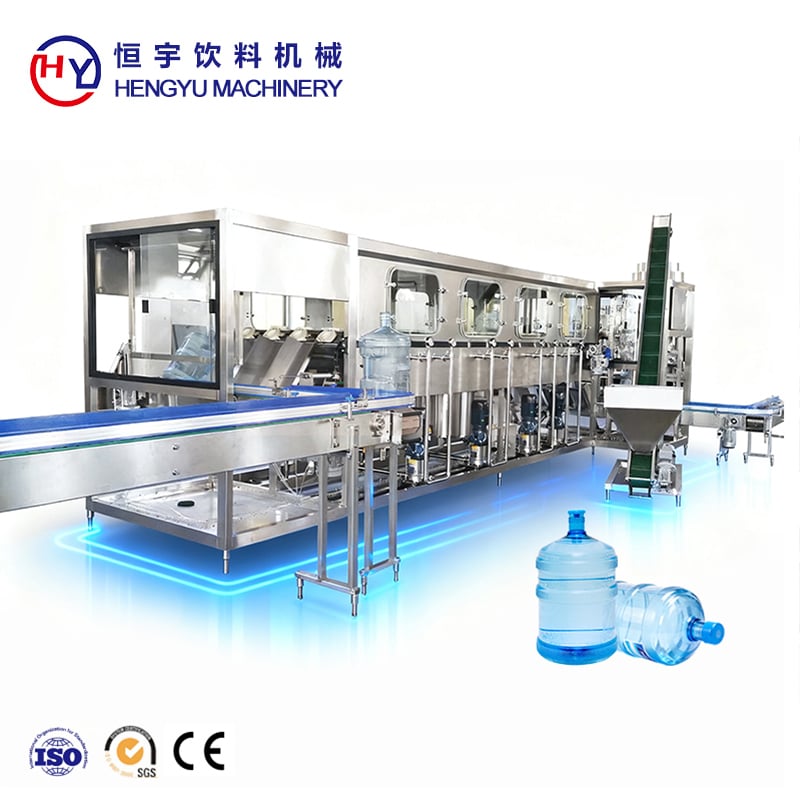
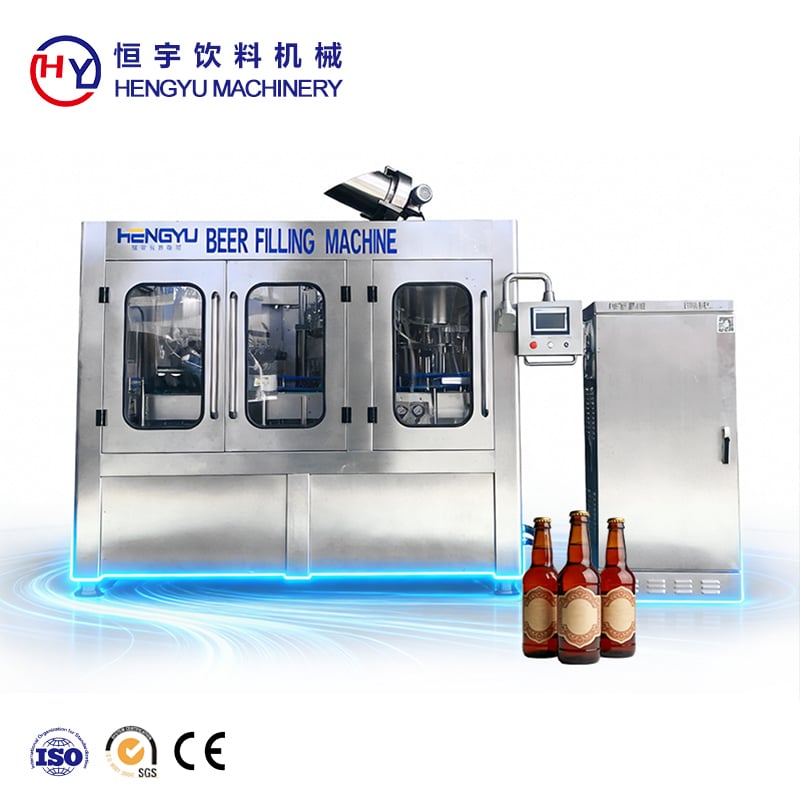
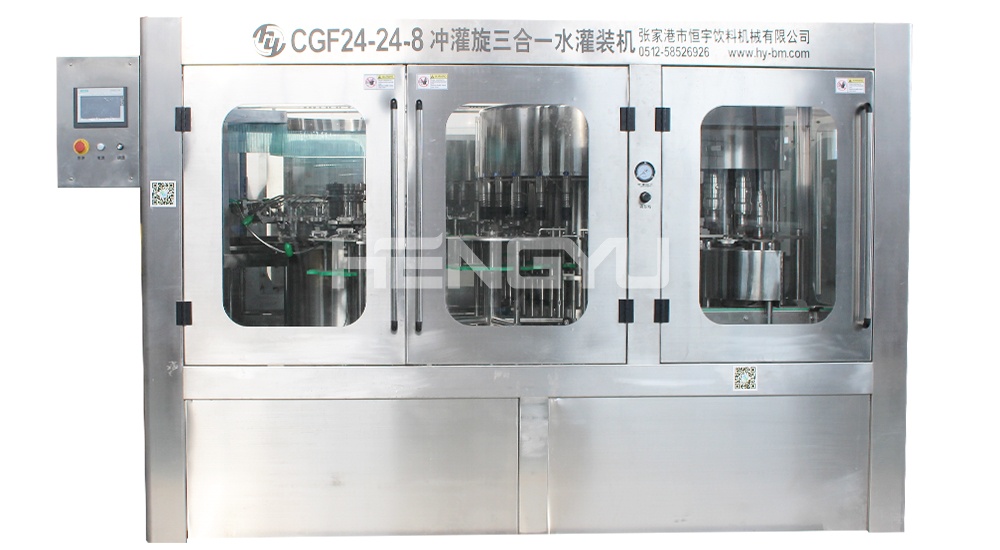
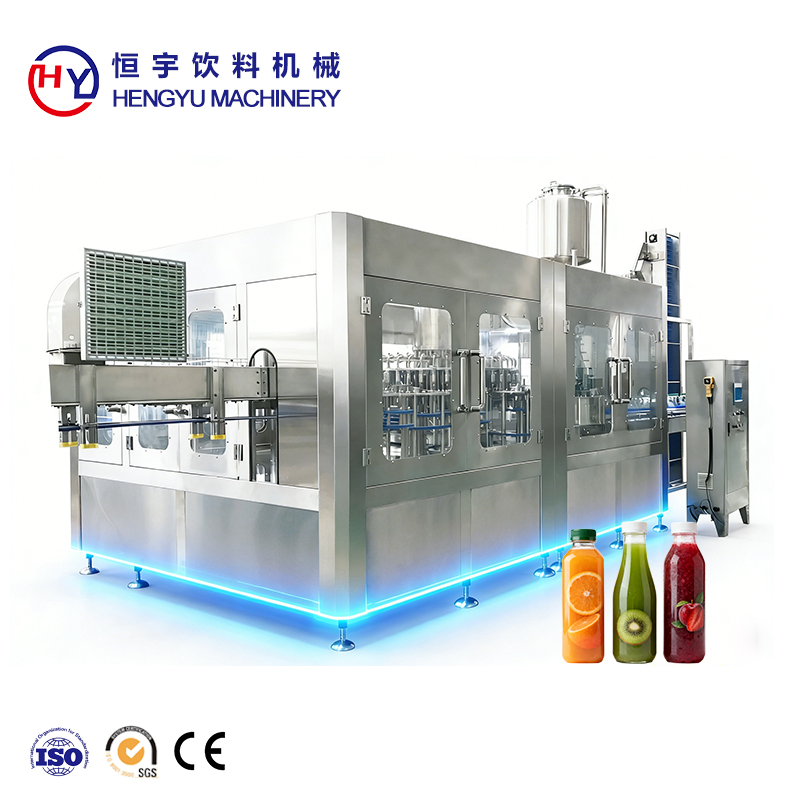
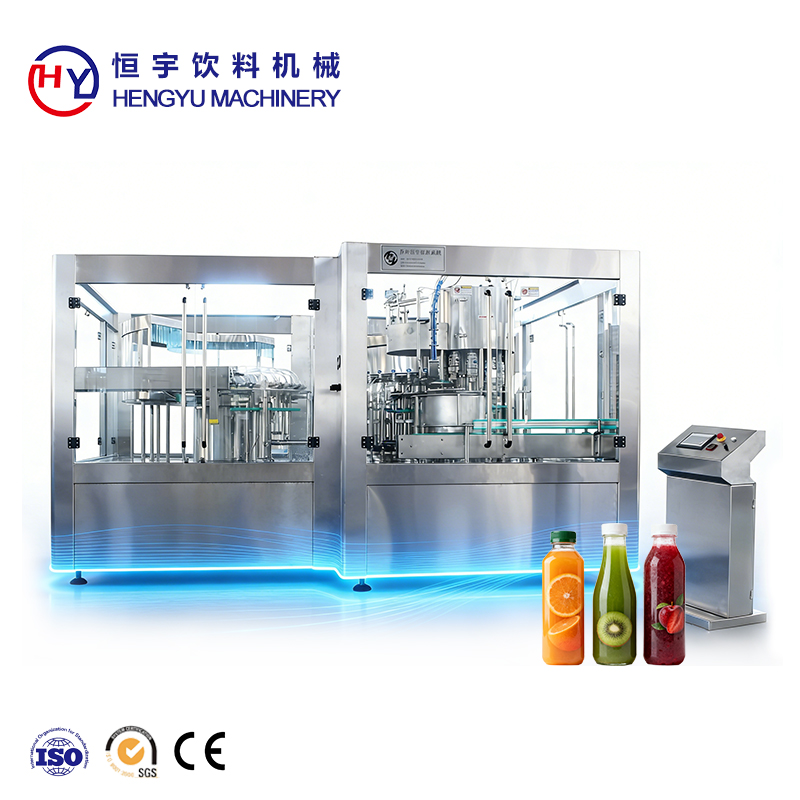
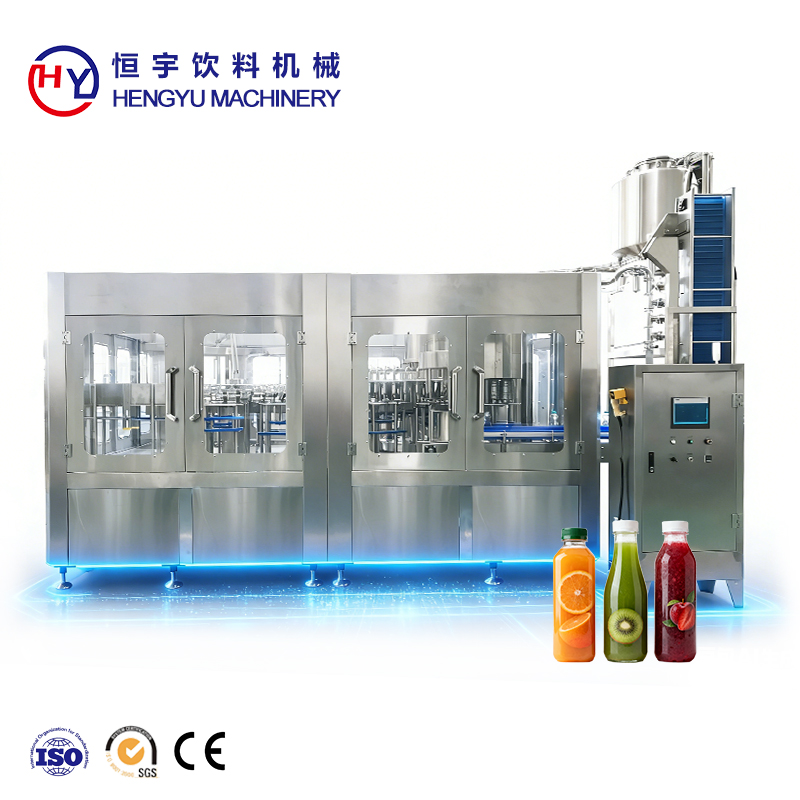
The modular design philosophy underlying professional juice filling line engineering delivers unprecedented adaptability that accommodates the varied and evolving needs of beverage manufacturers across different scales, product portfolios, and market strategies. Container versatility stands as a foundational flexibility feature, with adjustment mechanisms that handle diverse formats including cylindrical bottles from miniature single-serve sizes through family-size containers, uniquely shaped proprietary bottles that reinforce brand identity, and alternative packaging such as pouches or cartons when equipped with appropriate filling heads. Quick-change components including bottle guides, filling nozzles, capping chucks, and conveyor spacing elements facilitate format transitions, with some advanced juice filling line systems achieving changeovers in under thirty minutes rather than the hours required by less sophisticated equipment. This rapid reconfiguration capability proves essential for contract packagers serving multiple clients or brands managing diverse product lines, maximizing productive time and minimizing idle periods between production runs. Filling technology options within a juice filling line accommodate different product characteristics, with gravity fillers suited for thin, non-foaming juices, pressure fillers for carbonated beverages requiring CO2 retention, piston fillers handling products containing particulates or pulp, and vacuum fillers for containers requiring headspace control. Multi-head configurations scale production capacity by operating numerous filling stations simultaneously, with modular architectures allowing manufacturers to start with compact systems and expand capacity by adding stations as business grows rather than replacing entire lines. The juice filling line framework accommodates various preservation methods including hot-fill processes where products enter containers at elevated temperatures that achieve pasteurization through thermal inertia, requiring heat-resistant conveyors and cooling tunnels integrated into the production flow. Alternatively, aseptic configurations for cold-fill applications incorporate sterile zones where pre-sterilized products fill into pre-sterilized containers within controlled environments that maintain microbiological integrity without thermal processing, preserving fresh flavor profiles and nutritional content. Integration capabilities enable the juice filling line to connect with upstream preparation equipment including mixing tanks, homogenizers, and pasteurizers, plus downstream packaging machinery such as case packers, shrink wrappers, and palletizers, creating comprehensive automated production cells controlled through centralized systems. This integration eliminates manual transfer points that introduce contamination risks and labor requirements while optimizing overall equipment effectiveness across the entire production operation.

 CN
CN