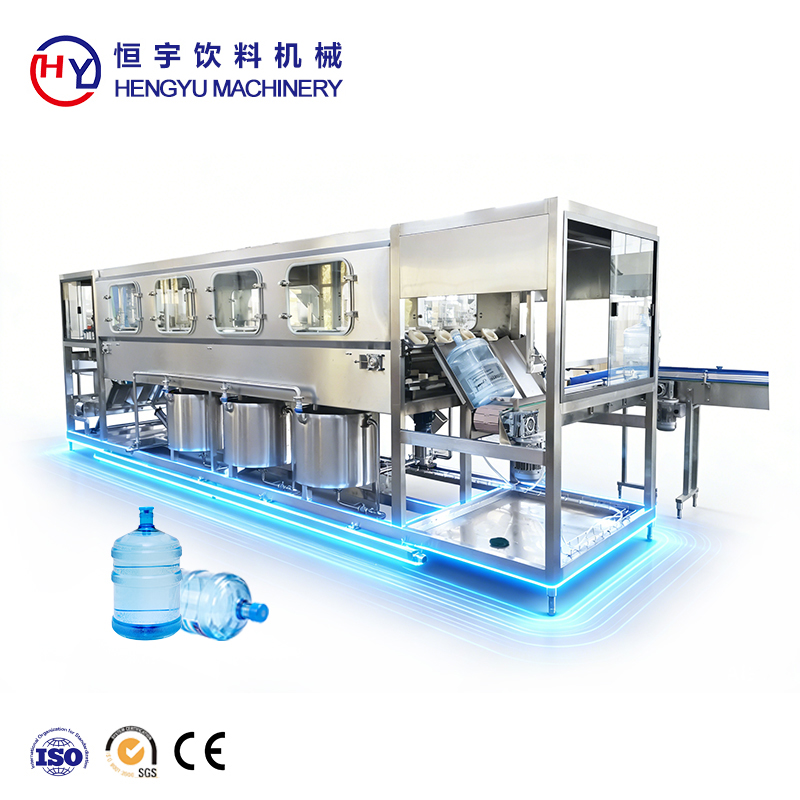
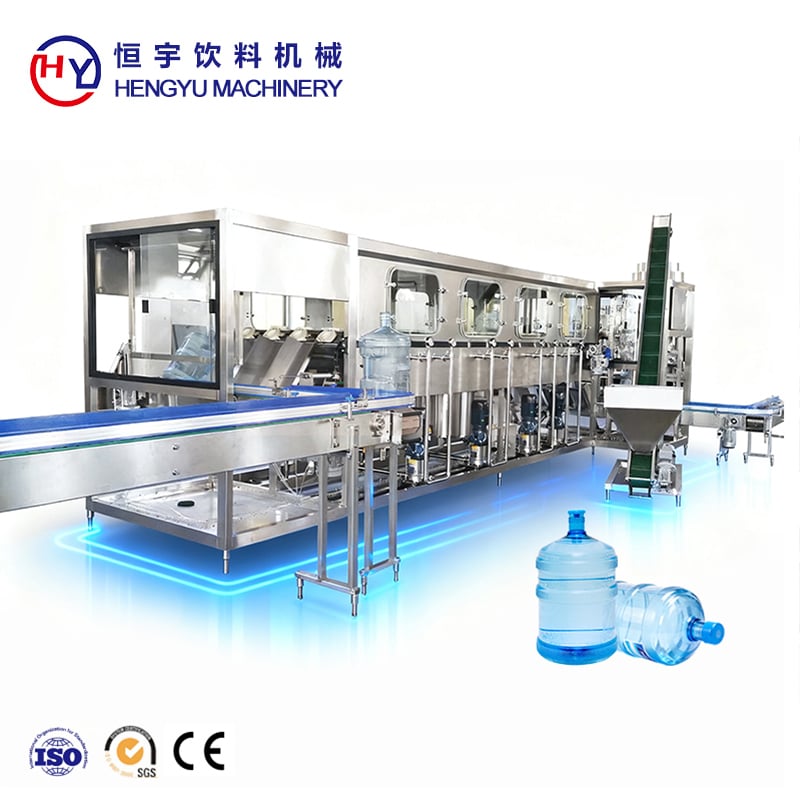
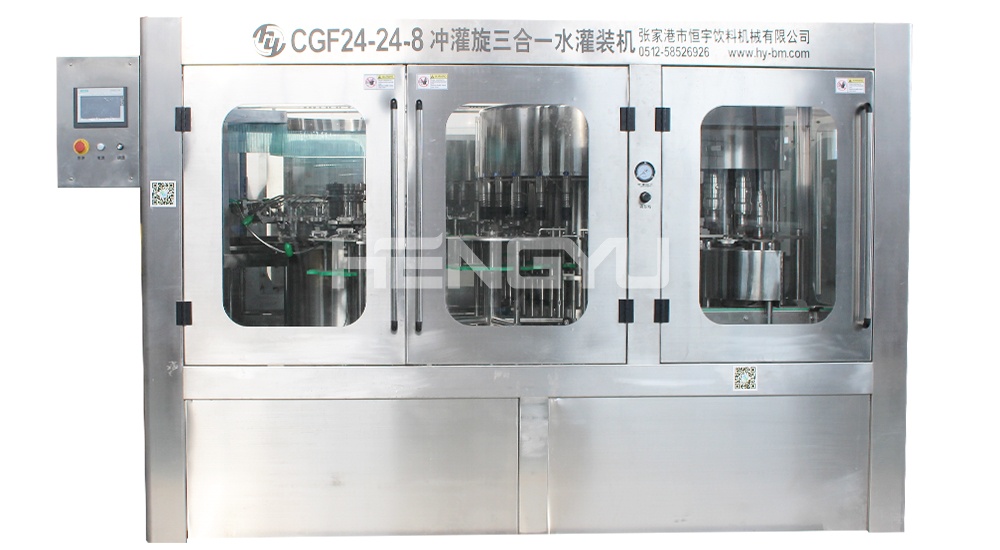
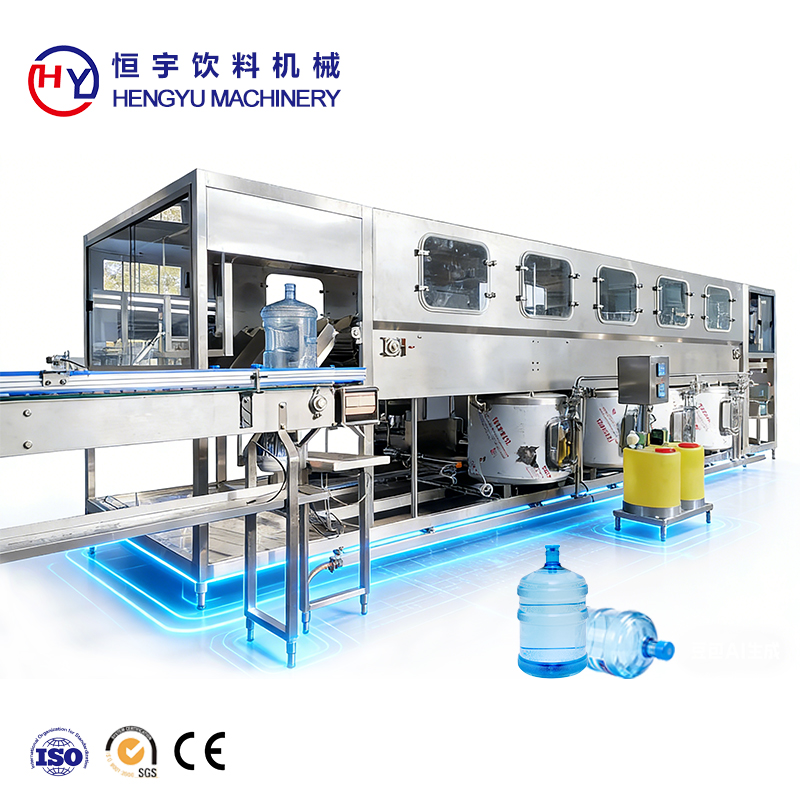
Drinking Water Packing Machine - Advanced Automated Bottling Solutions for Efficient Production

All Categories

drinking water packing machine

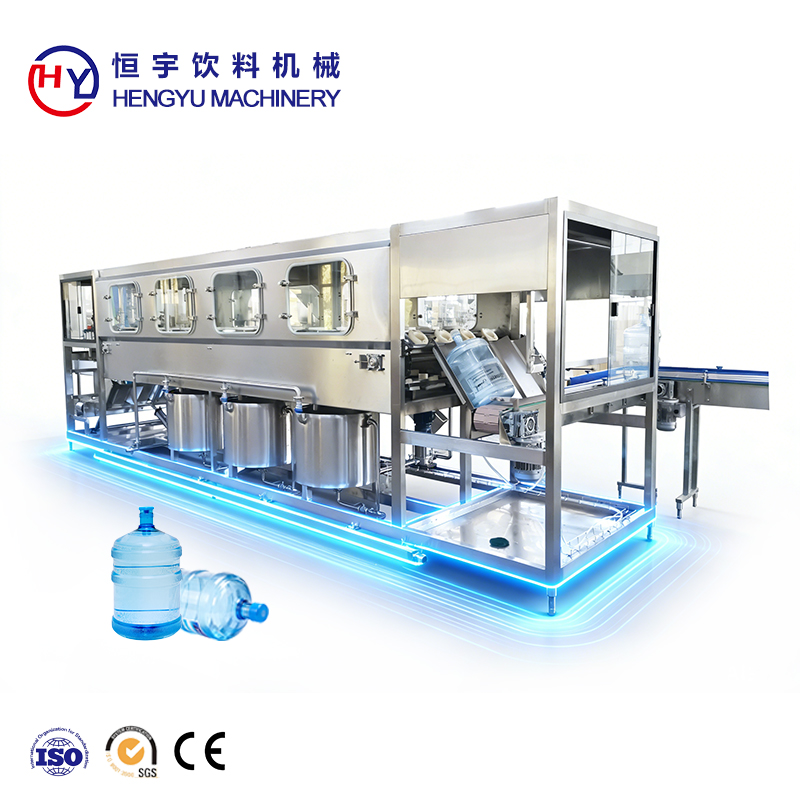
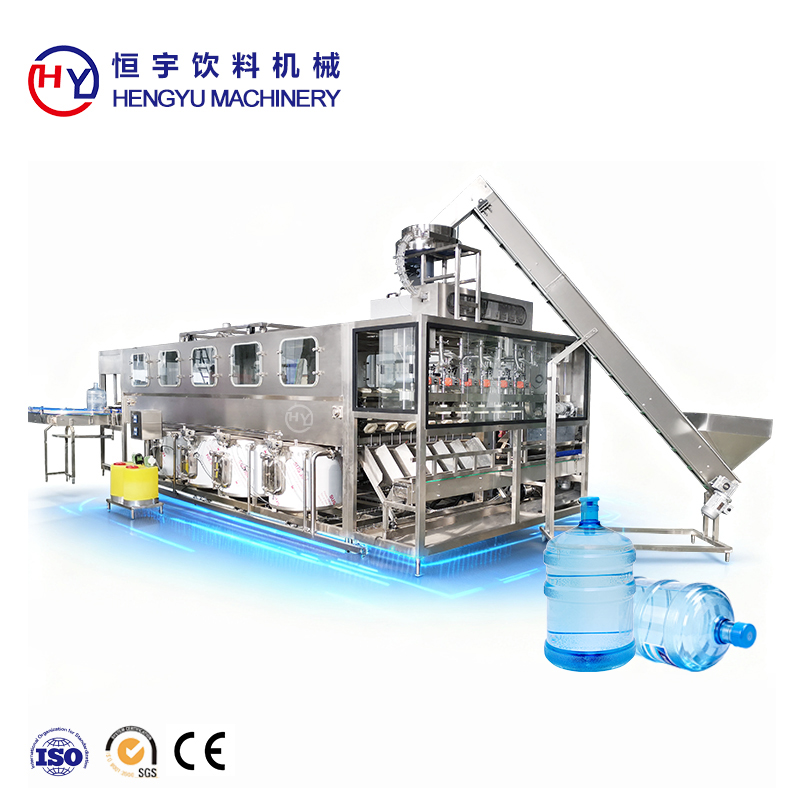
A drinking water packing machine represents an essential piece of industrial equipment designed to automate the process of filling, sealing, and packaging purified water into various container formats. These sophisticated systems integrate multiple operational stages into a seamless production line, encompassing bottle feeding, rinsing, filling, capping, labeling, and shrink-wrapping functions. Modern drinking water packing machines utilize advanced PLC control systems and touch-screen interfaces that enable operators to monitor and adjust parameters with precision. The equipment accommodates diverse packaging formats including PET bottles, pouches, sachets, and cups, ranging from small 200ml units to large 20-liter containers. Manufacturing facilities rely on these machines to maintain consistent production output while adhering to strict hygiene standards required for beverage packaging. The core components include a conveyor system, filling nozzles, capping mechanisms, and quality inspection sensors that detect irregularities such as improper fill levels or defective seals. Stainless steel construction throughout the liquid contact areas ensures compliance with food safety regulations and prevents contamination. The drinking water packing machine operates through synchronized mechanical and pneumatic systems that coordinate bottle handling from entry to exit points. High-speed models can process thousands of bottles per hour, making them indispensable for commercial water bottling operations. Temperature control features maintain optimal conditions for different packaging materials, while automatic cleaning-in-place systems reduce downtime between production runs. These machines incorporate servo-driven technology for accurate positioning and filling, minimizing product waste and ensuring uniform package weights. The integration of vision systems enables automated quality checks, rejecting defective packages before they reach distribution channels. Manufacturers offer customizable configurations to match specific production requirements, bottle sizes, and output capacities. The versatility of drinking water packing machines extends beyond plain water to include flavored water, mineral water, and functional beverages. Energy-efficient designs reduce operational costs while maintaining high-performance standards essential for competitive manufacturing environments.

Popular Products

Investing in a drinking water packing machine delivers substantial operational improvements that directly impact your bottom line and market competitiveness. These systems dramatically increase production speed compared to manual packaging methods, allowing businesses to fulfill large orders efficiently and meet growing market demands without proportionally expanding labor forces. The automation reduces human error throughout the packaging process, ensuring every bottle receives the correct fill volume and proper seal, which minimizes customer complaints and product recalls. Labor cost savings represent another significant advantage, as a single operator can oversee machinery that replaces dozens of manual workers, freeing up human resources for value-added tasks requiring decision-making and problem-solving skills. The consistency delivered by a drinking water packing machine enhances brand reputation, as consumers receive identical product experiences with every purchase, building trust and encouraging repeat business. Hygiene standards improve considerably because automated systems limit human contact with the product, reducing contamination risks and helping companies meet stringent food safety certifications required for market access. The machines offer remarkable flexibility, easily switching between different bottle sizes and packaging formats with minimal adjustment time, enabling businesses to diversify product lines and respond quickly to market trends. Material waste decreases significantly through precise filling mechanisms that eliminate overfilling while ensuring compliance with stated volumes, protecting profit margins on high-volume production runs. Quality control features embedded within the drinking water packing machine detect and remove defective packages automatically, maintaining consistent output quality without requiring constant manual inspection. Businesses experience faster return on investment as increased production capacity and reduced operational costs offset the initial equipment purchase within predictable timeframes. The scalability of these systems supports business growth, as modular designs allow capacity expansion through additional stations rather than complete system replacement. Maintenance requirements remain manageable due to robust construction and readily available replacement parts, minimizing unexpected downtime that disrupts production schedules. Real-time monitoring capabilities provide management with actionable data about production efficiency, equipment performance, and maintenance needs, supporting informed decision-making. The professional appearance of machine-packed products enhances shelf appeal in retail environments, potentially commanding premium pricing compared to less sophisticated packaging. Environmental benefits emerge through optimized material usage and reduced energy consumption per unit produced, aligning operations with sustainability goals increasingly important to consumers and regulators. Companies gain competitive advantages by reliably meeting delivery commitments, accommodating rush orders, and maintaining consistent product availability that strengthens relationships with distributors and retailers.

Practical Tips

How to Choose a Glass Bottle Filling Machine for Beverage Production

06

Mar

How to Choose a Glass Bottle Filling Machine for Beverage Production

Match Filling Technology to Beverage Type and Sensitivity Counter-Pressure Fillers for Carbonated Beverages and Beer Carbonated drinks like soda, sparkling water and beer need careful filling techniques to keep their fizz intact while avoiding exc...
View More
How Bottled Water Production Lines Maintain Product Safety

12

Mar

How Bottled Water Production Lines Maintain Product Safety

Regulatory Foundations and the Multi-Barrier Safety Framework FDA, EPA, and ISO Standards Specific to Bottled Water Production Lines The bottled water industry works within a pretty strict set of regulations. The FDA has these things called Good Ma...
View More
Can Filling Machine Technology for Carbonated Beverages

20

Mar

Can Filling Machine Technology for Carbonated Beverages

Isobaric Filling Principles: How Can Filling Machines Preserve Carbonation Under Pressure The Physics of CO₂ Solubility and Why Counter-Pressure Is Non-Negotiable The way carbon dioxide dissolves in drinks basically follows what we call Henry's Law...
View More
Automation Technology in Can Sealing Machines

24

Mar

Automation Technology in Can Sealing Machines

How Automation Enhances Precision and Reliability in Can Sealing Machines Core Automation Components: Servo Drives, Vision Systems, and Closed-Loop Feedback in Modern Can Sealing Machines Today's can sealing equipment reaches incredible levels of p...
View More

Get a Free Quote

Our representative will contact you soon.
Email
Name
Phone/WhatsApp
Required Product
Message
0/1000

drinking water packing machine

Advanced Automation Technology Streamlines Production Workflow

Advanced Automation Technology Streamlines Production Workflow

The drinking water packing machine incorporates cutting-edge automation technology that revolutionizes how beverage manufacturers approach their production processes. At the heart of this automation lies a sophisticated programmable logic controller system that orchestrates every movement and function with microsecond precision, ensuring perfect synchronization between bottle handling, filling, capping, and packaging stages. This integration eliminates the bottlenecks common in semi-automated or manual operations where different processes operate independently and require human coordination. The touch-screen human-machine interface provides intuitive control, allowing operators to adjust production parameters, switch between product specifications, and monitor system performance through clear visual displays that require minimal training to master. Servo motors drive critical functions such as filling nozzles and capping heads, delivering exceptional accuracy that maintains consistent fill levels within narrow tolerances, ensuring regulatory compliance and preventing costly product giveaway. Sensor networks throughout the machine provide continuous feedback about bottle presence, fill status, cap placement, and seal integrity, enabling immediate corrections before defective products advance to subsequent stages. The automated reject system identifies and removes non-conforming packages without stopping the production line, maintaining throughput while protecting brand quality. Recipe management features store parameters for different products and packaging formats, enabling rapid changeovers that previously required extensive manual adjustments and trial runs. The drinking water packing machine achieves remarkable speeds through optimized motion profiles that accelerate and decelerate smoothly, reducing mechanical stress while maximizing cycle rates. Automatic lubrication systems maintain optimal performance of moving parts, extending component life and reducing maintenance interventions. Safety interlocks prevent operation when guards are open or when potentially hazardous conditions exist, protecting personnel while minimizing accidental damage to equipment. The self-diagnostic capabilities alert operators to developing issues before they cause failures, supporting predictive maintenance strategies that prevent unplanned downtime. Remote connectivity options enable technical support teams to access machine data and adjust parameters without site visits, reducing response times when optimization or troubleshooting becomes necessary. This comprehensive automation transforms the drinking water packing machine from simple equipment into an intelligent production partner that continuously optimizes performance, adapts to varying conditions, and delivers consistent results that manual processes cannot match.
Hygienic Design Ensures Product Safety and Regulatory Compliance

Hygienic Design Ensures Product Safety and Regulatory Compliance

Product safety stands as the paramount concern in beverage manufacturing, and the drinking water packing machine addresses this through meticulous hygienic design principles that prevent contamination at every stage. The equipment utilizes pharmaceutical-grade stainless steel throughout all product contact surfaces, a material choice that resists corrosion, prevents bacterial adhesion, and withstands repeated cleaning with aggressive sanitizing agents without degrading. Smooth, crevice-free construction eliminates potential harboring points for microorganisms, while minimized horizontal surfaces prevent liquid accumulation that could become contamination sources. The filling system employs specialized nozzles designed to prevent dripping and cross-contamination between bottles, with automatic retraction mechanisms that lift nozzles clear of bottle openings immediately after filling completes. Clean-in-place technology integrated into the drinking water packing machine allows thorough sanitization of internal passages, filling circuits, and product tanks without disassembly, reducing cleaning time while ensuring more complete microbial elimination than manual methods achieve. The enclosed design protects the filling environment from airborne contaminants, with positive air pressure systems available that create protective barriers against external contamination sources. Validation-ready documentation supports compliance with food safety standards including HACCP, GMP, and FDA regulations, providing the traceability and verification that auditors require. Bottle rinsing stations preceding the filling operation remove dust, particles, and potential contaminants from containers before they receive product, adding another layer of protection. The capping mechanisms apply closures with controlled torque that creates reliable seals without over-tightening that might damage threads or under-tightening that allows leakage or tampering. Quick-change components feature tool-free connections and clearly marked parts that reduce changeover complexity while maintaining sanitary integrity. The drinking water packing machine incorporates drip trays and drainage systems that prevent liquid accumulation on equipment surfaces, supporting dry operating conditions that discourage microbial growth. Material certifications for all product-contact components provide documented assurance of food-grade compliance and chemical compatibility. Regular validation protocols verify that cleaning procedures effectively eliminate potential contaminants, with testing points strategically located to sample critical areas. The hygienic design philosophy extends beyond obvious product contact areas to include framework, guarding, and support structures that could potentially contaminate products through dripping or particle shedding, ensuring comprehensive protection that safeguards consumer health and brand reputation.
Flexible Configuration Adapts to Diverse Production Requirements

Flexible Configuration Adapts to Diverse Production Requirements

Market success increasingly depends on the ability to respond quickly to changing consumer preferences and distribution channel requirements, and the drinking water packing machine delivers this agility through exceptional configurational flexibility. The modular architecture allows manufacturers to select capacity levels, feature sets, and automation degrees that align precisely with current needs while preserving upgrade pathways as businesses expand. Container versatility represents a crucial advantage, as the same basic platform accommodates round bottles, square bottles, custom shapes, and even flexible packaging formats through interchangeable handling components and adjustable guide rails. Size change parts install quickly, often requiring only simple mechanical adjustments and parameter updates rather than extensive reconfiguration, enabling production schedule flexibility that accommodates multiple product lines. The drinking water packing machine handles volume ranges from single-serve portions to family-size containers, supporting diverse market segments from convenience retail to home delivery services. Multi-lane configurations multiply output rates by running parallel filling lines within a compact footprint, providing scalability without proportional floor space increases. Integration capabilities allow the machine to connect seamlessly with upstream water treatment systems and downstream case packing equipment, creating comprehensive production lines managed through centralized control systems. Optional features such as UV sterilization, ozone treatment, nitrogen dosing, and hot-filling capabilities extend applications beyond standard ambient water packaging to include enhanced products requiring specialized handling. The control system accommodates recipe libraries storing hundreds of product configurations, each capturing every parameter from fill volumes and speeds to capping torques and label positions, eliminating setup errors and reducing changeover times. Footprint optimization ensures the drinking water packing machine fits into existing facility layouts without requiring building modifications, while mobile configurations serve contract packagers and co-manufacturers operating in multiple locations. Output rate adjustability lets operators match production speeds to downstream packaging capabilities or upstream supply rates, preventing bottlenecks and maintaining smooth material flow. The electrical systems accept various power configurations common across different regions and facilities, simplifying installation and reducing infrastructure modifications. Diagnostic tools and performance monitoring provide insights that support continuous improvement initiatives, helping manufacturers identify optimization opportunities and efficiency gains. This remarkable flexibility transforms the drinking water packing machine from a single-purpose asset into a versatile production platform that evolves alongside business needs, protecting capital investments while enabling market responsiveness that rigid specialized equipment cannot provide.