Plastic Bottle Soda Filling Machine - Advanced Carbonated Beverage Production Equipment

All Categories

plastic bottle soda filling machine

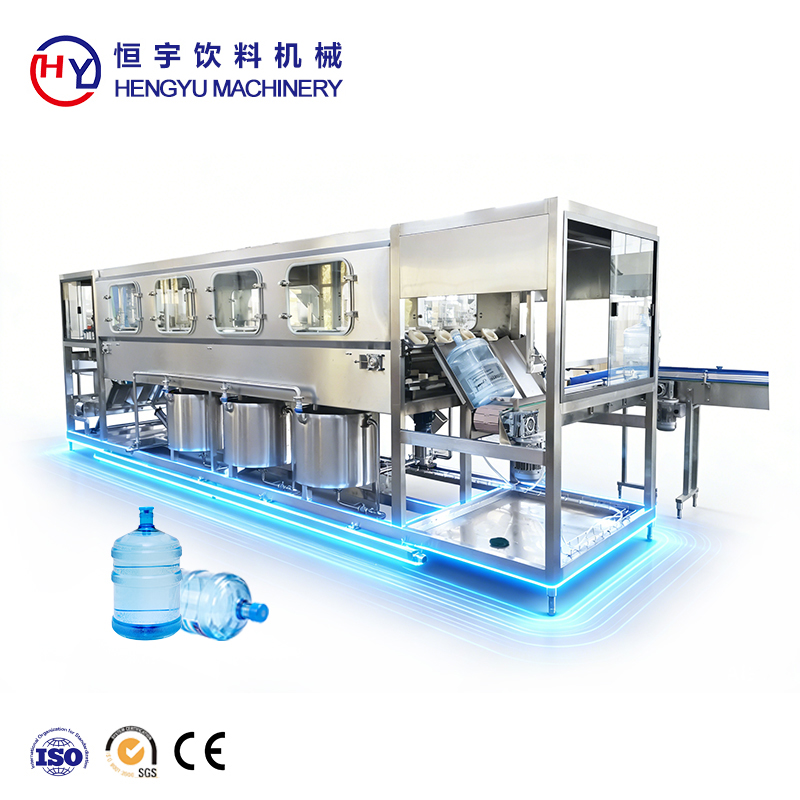
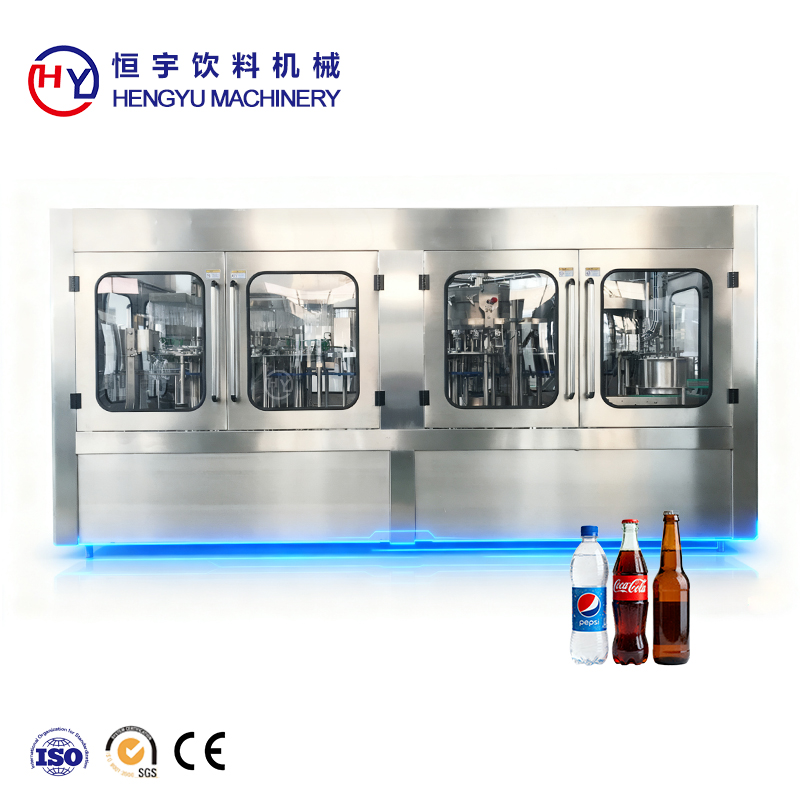
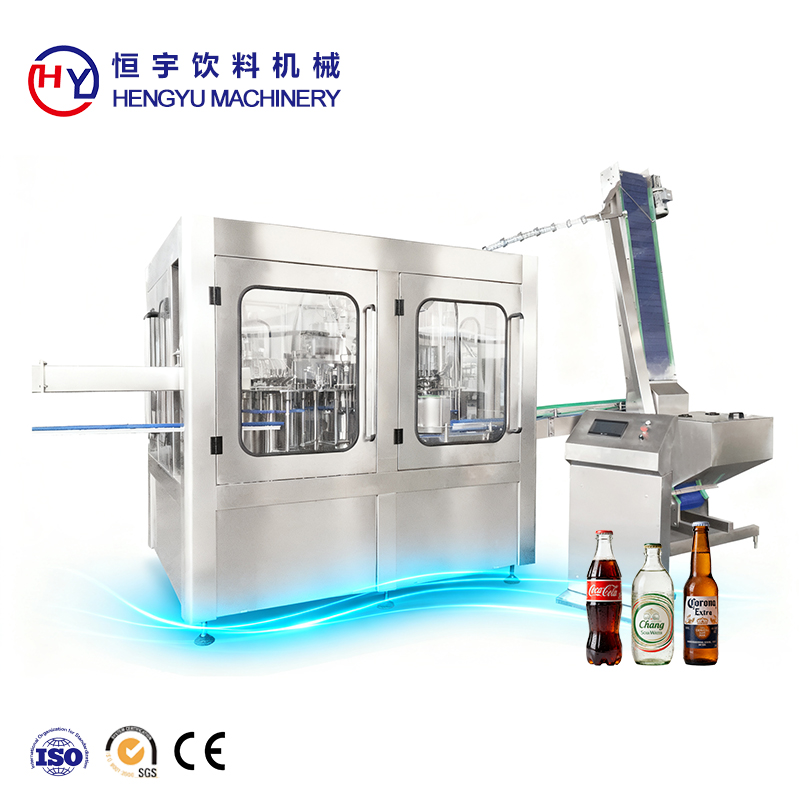
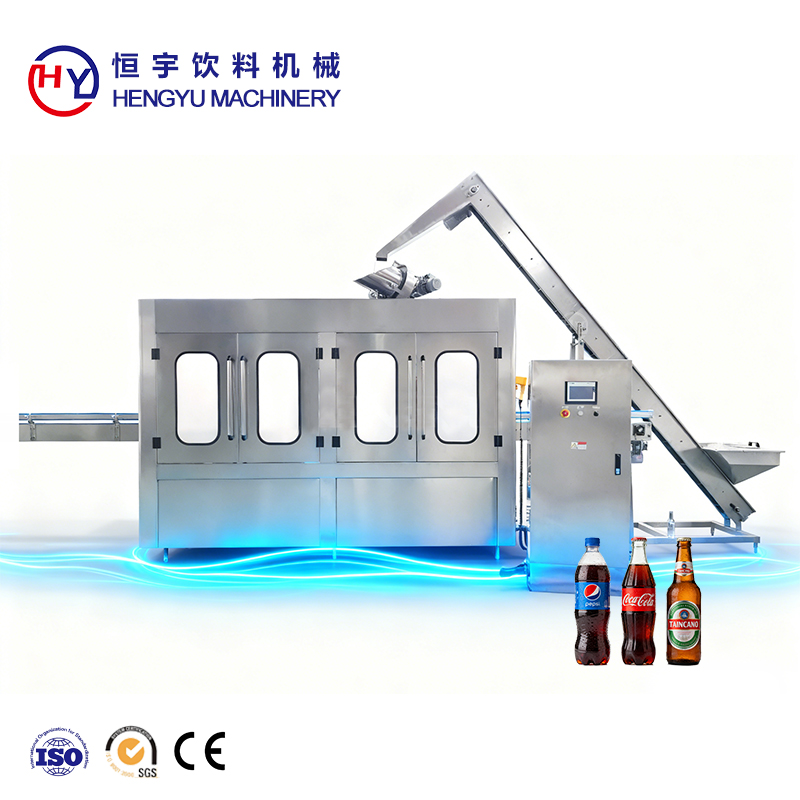
The plastic bottle soda filling machine represents a sophisticated automated solution designed specifically for carbonated beverage production facilities. This advanced equipment handles the complete process of filling carbonated soft drinks into plastic bottles with precision and efficiency. The machine integrates multiple operational stages including bottle rinsing, filling, and capping within a unified system. Its primary function centers on maintaining carbonation levels while accurately dispensing predetermined volumes of soda into PET bottles of various sizes. The technological framework incorporates pressure-sensitive filling valves that prevent CO2 loss during the transfer process. Modern plastic bottle soda filling machines utilize isobaric filling technology, which equalizes pressure between the filling tank and bottle interior before liquid transfer begins. This method preserves the carbonation integrity that consumers expect in their beverages. The control system features programmable logic controllers that allow operators to adjust filling parameters including speed, volume, and pressure settings according to specific product requirements. Stainless steel construction throughout the liquid contact areas ensures hygiene standards compliance and prevents contamination. The machine accommodates production capacities ranging from small-scale operations processing several thousand bottles per hour to industrial systems handling over 40,000 bottles hourly. Servo-driven components provide precise motion control for bottle handling, positioning, and movement through each processing stage. The plastic bottle soda filling machine incorporates automatic detection systems that identify improperly positioned bottles, reject defective containers, and monitor fill levels in real-time. Changeover capabilities enable quick transitions between different bottle formats with minimal downtime. Applications span the complete spectrum of carbonated beverage production including cola, lemon-lime sodas, orange drinks, root beer, and sparkling water products. The equipment serves bottling companies, beverage manufacturers, contract packaging facilities, and emerging drink brands seeking reliable production solutions for their carbonated product lines.

New Product Releases

Investing in a plastic bottle soda filling machine delivers substantial operational improvements that directly impact your bottom line. The automation this equipment provides eliminates manual filling inconsistencies and reduces labor costs significantly. Your production team can operate more efficiently as the machine handles repetitive tasks that previously required multiple workers. The precision filling mechanism ensures every bottle contains the exact amount of product you specify, eliminating overfilling waste that cuts into profit margins. This accuracy also maintains compliance with regulatory standards regarding product volume declarations. The speed advantage cannot be overstated - these machines process hundreds or thousands of bottles per hour compared to manual operations that struggle to reach even a fraction of that output. Faster production means you can fulfill larger orders, expand your market reach, and respond quickly to demand fluctuations. The sealed filling process that plastic bottle soda filling machines employ protects your product quality by minimizing oxygen exposure and preserving carbonation levels that define beverage taste and consumer satisfaction. Customers notice the difference when your sodas maintain their fizz from production through consumption. The hygienic design featuring stainless steel components and automated cleaning systems reduces contamination risks that could lead to product recalls or damage your brand reputation. Your facility benefits from easier sanitation procedures and faster turnaround between production runs. Energy efficiency built into modern machines lowers utility costs compared to older equipment or manual processes. The reduced physical demands on workers decrease workplace injuries and associated costs while improving employee satisfaction. Maintenance requirements remain manageable with accessible components and diagnostic systems that identify issues before they cause production stoppages. The versatility to handle multiple bottle sizes and product formulations with simple adjustments means you can diversify your product line without purchasing additional equipment. This flexibility supports business growth and market experimentation. The consistent output quality builds consumer trust in your brand as every bottle meets the same high standards. The initial investment recovers quickly through labor savings, reduced waste, increased production capacity, and improved product quality. Your business gains competitive advantages through faster time-to-market for new products and the ability to accept larger contracts that manual operations cannot fulfill. The reliability of automated systems means fewer unexpected shutdowns and more predictable production schedules that keep commitments to distributors and retailers. Long-term durability ensures years of dependable service that justifies the capital expenditure.

Practical Tips

Increasing Capacity in Bottled Water Production Lines

09

Mar

Increasing Capacity in Bottled Water Production Lines

Diagnosing Bottlenecks in Your Bottled Water Production Line Measuring Throughput Gaps: Bottling Speed, Changeover Time, and OEE Analysis To get a handle on where production is falling short, look at three key performance indicators. Start by compa...
View More
How Can Filling Machines Improve Beverage Production Speed

24

Mar

How Can Filling Machines Improve Beverage Production Speed

Filling Machine Type Determines Maximum Throughput Potential Gravity, Isobaric, and Piston Can Filling Machines: Speed vs. Precision Trade-offs Gravity fillers work well for delicate drinks such as juice, processing around 20 to 36 bottles every mi...
View More
Can Filling Machine Technology for Carbonated Beverages

20

Mar

Can Filling Machine Technology for Carbonated Beverages

Isobaric Filling Principles: How Can Filling Machines Preserve Carbonation Under Pressure The Physics of CO₂ Solubility and Why Counter-Pressure Is Non-Negotiable The way carbon dioxide dissolves in drinks basically follows what we call Henry's Law...
View More
Troubleshooting Can Filling Machine Production Issues

21

Mar

Troubleshooting Can Filling Machine Production Issues

Power, Control, and Electrical Faults in Can Filling Machines Machine won't power on: main supply, fuses, and emergency stop circuit checks If the can filling machine won't start at all, the first thing to do is check whether the main power supply ...
View More

Get a Free Quote

Our representative will contact you soon.
Email
Name
Phone/WhatsApp
Required Product
Message
0/1000

plastic bottle soda filling machine

Advanced Isobaric Filling Technology Preserves Perfect Carbonation

Advanced Isobaric Filling Technology Preserves Perfect Carbonation

The cornerstone feature that distinguishes superior plastic bottle soda filling machines centers on isobaric filling technology, a method that revolutionizes how carbonated beverages transfer from bulk storage into individual bottles. This sophisticated approach addresses the fundamental challenge all soda producers face: maintaining the carbonation that gives beverages their distinctive effervescence and taste profile. The isobaric system operates by first pressurizing the empty bottle with carbon dioxide to match the pressure level inside the filling tank. This pressure equalization creates an environment where the carbonated liquid flows into the bottle without experiencing the pressure differential that causes CO2 to escape from solution. The filling valve opens only after achieving pressure balance, allowing soda to transfer smoothly while retaining its dissolved gas content. Traditional filling methods that neglect this pressure management result in significant carbonation loss, producing flat-tasting beverages that disappoint consumers and generate complaints. The plastic bottle soda filling machine equipped with isobaric technology includes precision pressure sensors that continuously monitor conditions throughout the filling cycle. These sensors communicate with control valves that make instantaneous adjustments to maintain optimal pressure relationships. The carbon dioxide used for pressurization gets recovered and recycled within the system, minimizing gas consumption and operating costs. The filling nozzles incorporate specialized sealing mechanisms that create airtight connections with bottle openings, preventing atmospheric contamination during the filling process. This sealed environment proves particularly critical for maintaining product quality and extending shelf life. The flow rate control integrated into the isobaric system ensures gentle liquid transfer that avoids turbulence and foam generation, both of which accelerate CO2 loss. After filling completes, the system carefully releases excess pressure before the capping operation begins, preventing product overflow while retaining carbonation within the sealed container. The result delivers consistently fizzy beverages that maintain their carbonation from the production line through distribution, storage, and ultimately to the consumer's glass. Product testing demonstrates that beverages filled using isobaric methods retain significantly higher carbonation levels compared to those processed through conventional filling equipment. This quality advantage translates directly into customer satisfaction and repeat purchases that build brand loyalty.
Intelligent Control System Maximizes Production Efficiency

Intelligent Control System Maximizes Production Efficiency

Modern plastic bottle soda filling machines incorporate intelligent control systems that transform production operations through automation, data management, and adaptive processing capabilities. The programmable logic controller serves as the machine's central nervous system, coordinating every mechanical action and process parameter across the entire filling line. Operators interact with this system through intuitive touchscreen interfaces that display real-time production data, system status, and adjustment options in clear visual formats. The control platform allows you to save multiple recipe configurations that store all parameters for different products and bottle sizes, enabling quick changeovers that previously consumed significant production time. With a few touchscreen selections, the plastic bottle soda filling machine automatically adjusts filling volumes, speeds, pressure settings, and timing sequences to match your selected recipe. This automation eliminates manual adjustments that introduced errors and required experienced operators. The system continuously monitors critical parameters including fill levels, pressure readings, temperature conditions, and machine speeds, comparing actual performance against programmed targets. When deviations occur, the control system either makes automatic corrections or alerts operators to conditions requiring attention. This monitoring capability prevents the production of off-specification products that waste materials and require disposal. The data logging functions record comprehensive production information including bottle counts, fill accuracy statistics, downtime incidents, and efficiency metrics. Managers access this information to identify improvement opportunities, schedule preventive maintenance, and demonstrate regulatory compliance. The diagnostic capabilities built into the control system accelerate troubleshooting by pinpointing the specific component or condition causing problems, reducing downtime and maintenance costs. Advanced machines incorporate predictive maintenance algorithms that analyze operational patterns to forecast when components will require service before failures occur. The communication protocols supported by modern control systems enable integration with facility-wide manufacturing execution systems, creating unified production management across multiple equipment pieces. Remote access capabilities allow technical support specialists to connect with your plastic bottle soda filling machine from distant locations to assist with troubleshooting or optimization without travel delays. The user management functions create individual operator accounts with customized access levels, ensuring only qualified personnel can modify critical parameters while allowing production staff to execute routine operations. Training becomes simplified as the consistent interface and guided procedures help new operators quickly develop proficiency.
Hygienic Design Ensures Product Safety and Quality Standards

Hygienic Design Ensures Product Safety and Quality Standards

The hygienic design philosophy implemented in professional plastic bottle soda filling machines addresses the critical importance of product safety, contamination prevention, and regulatory compliance that beverage manufacturers must maintain. Every component that contacts product liquid features stainless steel construction, specifically food-grade 304 or 316 alloys that resist corrosion while providing smooth, non-porous surfaces that prevent bacterial colonization. The material selection and surface finishing eliminate crevices, dead spaces, and rough areas where product residue could accumulate and create contamination sources. The machine architecture incorporates sloped surfaces and strategic drain points that prevent liquid pooling during production and facilitate complete drainage during cleaning procedures. This thoughtful design ensures cleaning solutions reach all product contact areas without leaving residual pockets that could harbor microorganisms. The plastic bottle soda filling machine includes integrated Clean-In-Place systems that automate sanitation procedures through programmed cleaning cycles. These CIP systems circulate cleaning agents, sanitizers, and rinse water through the filling valves, product pathways, and tank interiors without requiring equipment disassembly. The automated cleaning delivers consistent results that manual procedures struggle to achieve while reducing labor requirements and minimizing human contact with product zones. The filling valve design incorporates features that prevent dripping and cross-contamination between bottles, with each valve independently controlled to ensure precise operation. Sealing systems throughout the machine utilize food-grade gaskets and o-rings specifically formulated to withstand repeated exposure to cleaning chemicals without degradation. The enclosed design protects product areas from environmental contamination including airborne particles, insects, and foreign materials that could compromise beverage quality. Air handling systems incorporate filtration that removes contaminants from any compressed air used in the process. The bottle handling mechanisms feature designs that minimize contact with bottle interiors and product zones, reducing contamination transfer risks. Documentation provided with professional plastic bottle soda filling machines includes detailed cleaning procedures, validation protocols, and material certifications that support regulatory compliance efforts. The equipment design facilitates inspections by quality assurance personnel and regulatory auditors who must verify sanitation adequacy. Maintenance procedures emphasize hygienic considerations with guidance on proper disassembly, cleaning, and reassembly of components requiring periodic service. The investment in hygienic design protects your brand reputation by ensuring consistently safe products that meet stringent quality standards while supporting certifications including HACCP, FDA compliance, and international food safety requirements that enable market access.