Professional Soda Can Sealing Machine - High-Speed Automated Canning Equipment for Beverage Production

All Categories

soda can sealing machine

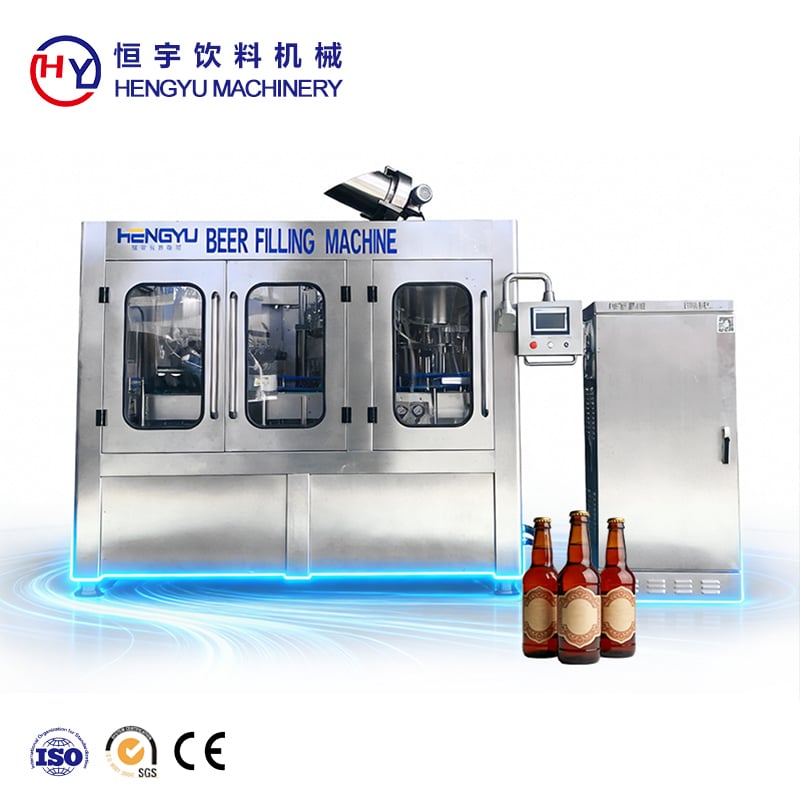
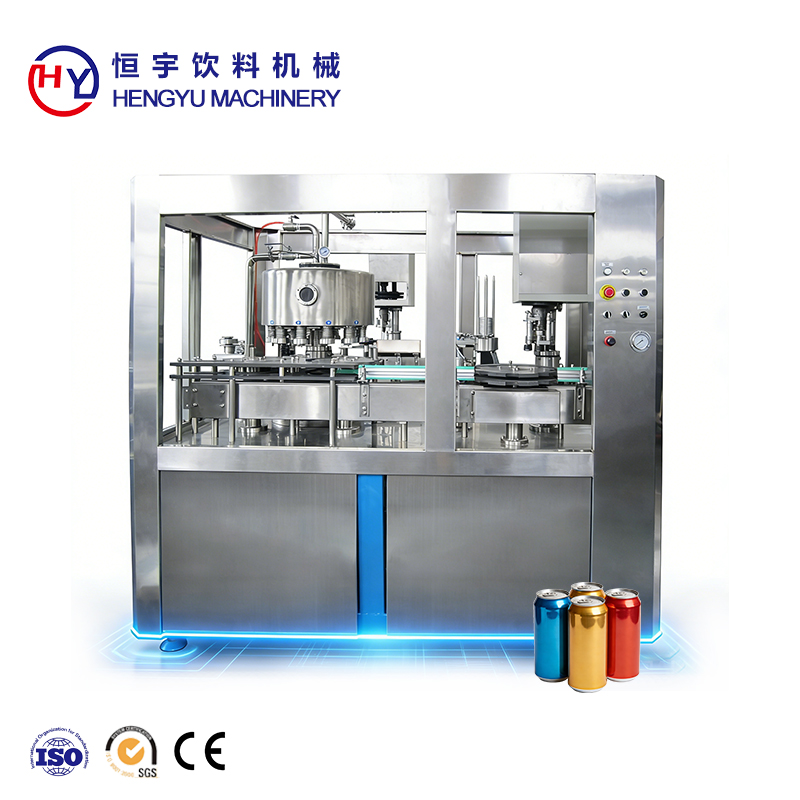
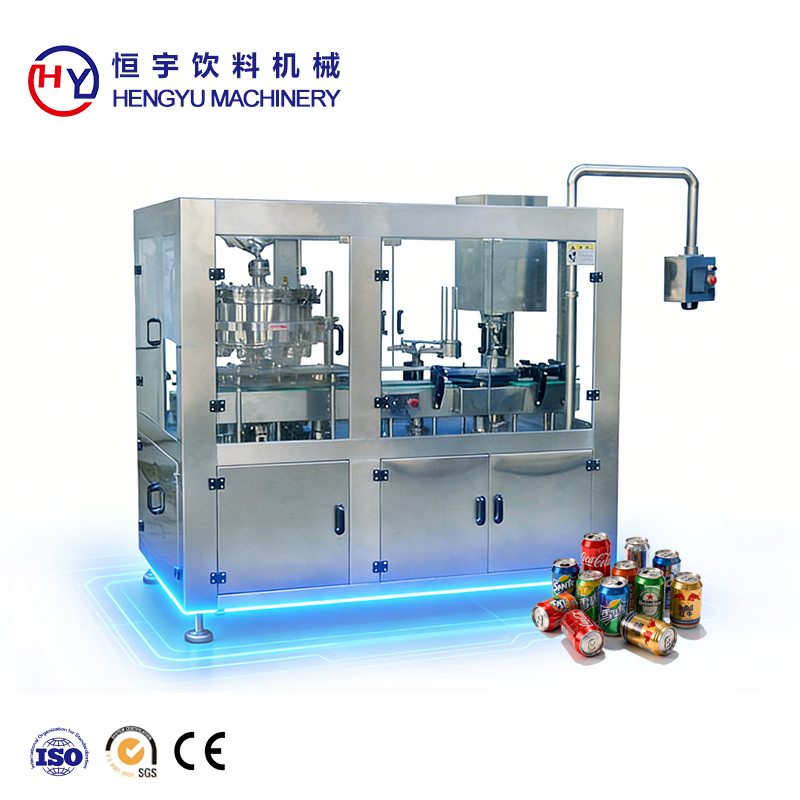
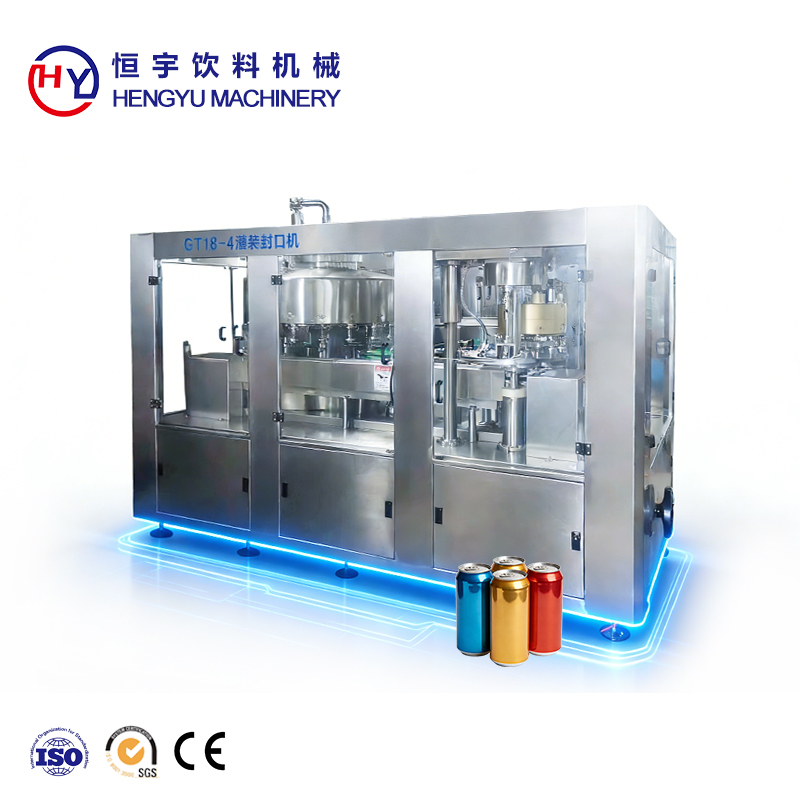
A soda can sealing machine represents an essential piece of equipment in the beverage manufacturing industry, designed specifically to create airtight seals on aluminum or tin cans filled with carbonated drinks. This specialized machinery performs the critical task of attaching can ends to filled beverage containers through a precise double-seaming process that ensures product integrity, freshness, and safety throughout the distribution chain. The soda can sealing machine operates by curling the can body flange and the cover end together in two distinct operations, creating a hermetic seal that prevents gas escape and contamination. Modern sealing systems incorporate advanced automation technology, enabling manufacturers to process thousands of cans per hour with consistent quality and minimal human intervention. These machines accommodate various can sizes, ranging from standard 250ml containers to larger 500ml formats, making them versatile solutions for diverse production requirements. The equipment typically features stainless steel construction to meet food-grade safety standards and resist corrosion from moisture and cleaning agents. Technological innovations have transformed these machines from simple mechanical devices into sophisticated systems with programmable logic controllers, touch-screen interfaces, and real-time monitoring capabilities. The sealing process itself requires precise control of multiple parameters including seaming roller pressure, chuck height, and rotation speed to achieve optimal seal integrity. Quality assurance mechanisms built into contemporary soda can sealing machine models include automatic rejection systems for improperly sealed containers, reducing waste and protecting brand reputation. Integration capabilities allow these machines to function seamlessly within complete canning lines, coordinating with filling equipment, conveyors, and packaging systems. Energy efficiency has become a priority in recent designs, with manufacturers developing models that reduce power consumption while maintaining high throughput rates. The versatility of modern sealing machines extends beyond traditional sodas to encompass energy drinks, sparkling water, beer, and other carbonated beverages, making them valuable investments for facilities producing multiple product lines.

Popular Products

Investing in a quality soda can sealing machine delivers multiple practical benefits that directly impact your production efficiency and bottom line. First and foremost, these machines dramatically increase your production capacity compared to manual or semi-automatic alternatives, allowing you to seal hundreds or even thousands of cans every hour depending on the model specifications. This speed advantage translates directly into higher output volumes and the ability to fulfill larger orders without expanding your workforce or operating hours. The consistency achieved by automated sealing equipment ensures every can receives the same precise seal quality, eliminating the variability inherent in manual processes and significantly reducing your reject rates. This reliability means less wasted product, fewer customer complaints, and stronger brand reputation in competitive markets. Modern sealing machines require minimal operator training and supervision once properly configured, freeing your staff to focus on other value-adding activities within your facility. The durability of commercial-grade sealing equipment means you can expect years of reliable service with routine maintenance, making the initial investment highly cost-effective over the equipment lifespan. Energy-efficient designs help control your operational expenses by minimizing electricity consumption during extended production runs. The flexibility to handle multiple can sizes with quick changeover procedures allows you to adapt rapidly to market demands and introduce new product formats without purchasing additional machinery. Precision engineering ensures proper seal formation that maintains carbonation levels throughout the product shelf life, preserving the quality your customers expect and reducing returns due to flat beverages. Automated systems reduce workplace injuries associated with repetitive manual sealing tasks, creating a safer environment for your employees while potentially lowering insurance costs. Integration capabilities mean your soda can sealing machine can communicate with other production line equipment, enabling centralized monitoring and control that simplifies operations management. The compact footprint of modern designs maximizes your available floor space, an important consideration for facilities operating in leased or space-constrained environments. Stainless steel construction ensures compliance with health and safety regulations while providing long-term resistance to the corrosive effects of beverage ingredients and cleaning chemicals. Real-time monitoring features alert operators immediately to any performance deviations, allowing quick corrections before significant production is affected. The professional appearance of machine-sealed cans enhances product presentation on retail shelves, helping your beverages compete effectively against established brands. Lower labor requirements per unit produced improve your profit margins and provide better scalability as your business grows without proportional increases in staffing costs.

Practical Tips

Glass Bottle Filling Machine vs Plastic Bottle Filling Machine

04

Mar

Glass Bottle Filling Machine vs Plastic Bottle Filling Machine

Material Properties Dictate Core Machine Design Glass fragility and thermal mass: why glass bottle filling machines require reinforced frames, shock-dampened conveyors, and precision neck-handling grippers Working with glass bottles means going th...
View More
Increasing Capacity in Bottled Water Production Lines

09

Mar

Increasing Capacity in Bottled Water Production Lines

Diagnosing Bottlenecks in Your Bottled Water Production Line Measuring Throughput Gaps: Bottling Speed, Changeover Time, and OEE Analysis To get a handle on where production is falling short, look at three key performance indicators. Start by compa...
View More
Troubleshooting Can Filling Machine Production Issues

21

Mar

Troubleshooting Can Filling Machine Production Issues

Power, Control, and Electrical Faults in Can Filling Machines Machine won't power on: main supply, fuses, and emergency stop circuit checks If the can filling machine won't start at all, the first thing to do is check whether the main power supply ...
View More
Can Filling Machine Capacity Planning Guide

22

Mar

Can Filling Machine Capacity Planning Guide

Understanding Can Filling Machine Capacity: Theory vs. Real-World Performance Why Theoretical Capacity Rarely Matches Effective Output on Can Filling Lines When companies talk about canning speed at 100 cans per minute, they're referring to what ha...
View More

Get a Free Quote

Our representative will contact you soon.
Email
Name
Phone/WhatsApp
Required Product
Message
0/1000

soda can sealing machine

Advanced Double-Seaming Technology Ensures Perfect Seal Integrity

Advanced Double-Seaming Technology Ensures Perfect Seal Integrity

The core capability that sets professional soda can sealing machine equipment apart lies in its sophisticated double-seaming technology, which creates hermetically sealed containers through a precisely controlled two-stage process. This engineering achievement involves the coordinated action of multiple components working in perfect synchronization to curl the can body flange and end panel together in overlapping layers that form an impenetrable barrier against gas escape and external contamination. The first operation begins when the seaming chuck holds the can end in position while the first-operation roller applies controlled pressure to fold the end panel curl and the body flange together, creating the initial seam structure. This critical first stage establishes the foundation for the final seal, requiring exact pressure calibration to avoid either loose seams that will leak or excessive tightness that can damage the metal and compromise seal integrity. The second operation involves a different roller profile that compresses and flattens the preliminary seam, tightening the metal layers together and creating the characteristic compound curve visible in a properly formed double seam. Modern soda can sealing machine models employ precision-machined rollers manufactured to tolerances measured in microns, ensuring consistent seam formation across millions of cans without degradation in quality. The chuck mechanism provides stable support from beneath the can end during the seaming process, with spring-loaded designs compensating for minor variations in can height while maintaining constant pressure throughout the operation. Advanced systems incorporate servo motors rather than traditional mechanical drives, offering superior control over rotation speed and the ability to adjust parameters instantly for different can specifications. Pressure sensors continuously monitor the force applied during seaming, automatically making micro-adjustments to compensate for temperature variations, material thickness differences, or other factors that could affect seal quality. The seaming head design allows for quick roller changes when switching between can sizes, with some premium models offering tool-free changeover systems that reduce downtime to mere minutes. Quality validation occurs through dimensional measurement of the finished seam, with laser or mechanical gauges checking seam height, thickness, and other critical parameters to verify conformance with established specifications. This technology prevents the costly consequences of seal failure including product spoilage, customer dissatisfaction, and potential recall situations that can devastate brand reputation and financial performance.
High-Speed Automation Maximizes Production Efficiency

High-Speed Automation Maximizes Production Efficiency

Contemporary soda can sealing machine designs prioritize throughput optimization through sophisticated automation systems that coordinate multiple functions simultaneously while maintaining exacting quality standards throughout extended production runs. The automation architecture begins with programmable logic controllers that manage every aspect of machine operation from can infeed timing to seam quality verification, executing complex sequences with microsecond precision that would be impossible for human operators to replicate. These control systems interface with variable frequency drives that regulate motor speeds, ensuring smooth acceleration and deceleration that prevents can damage while maximizing cycle rates within safe operating parameters. Automatic can positioning mechanisms use sensors to detect approaching containers and activate timing sequences that place each can precisely under the sealing head at the optimal moment for engagement. This coordination eliminates bottlenecks and allows the soda can sealing machine to maintain consistent rhythm even when operating at maximum rated speeds exceeding several hundred cans per minute in high-capacity models. Touch-screen human-machine interfaces provide operators with intuitive control over all machine functions, displaying real-time production statistics including units sealed per hour, reject counts, and efficiency percentages that support informed decision-making. Recipe management features store complete parameter sets for different can sizes and seaming specifications, enabling operators to recall proven configurations instantly when changing production runs rather than manually adjusting multiple settings. Automatic lubrication systems deliver precisely metered amounts of food-grade lubricant to moving components on programmed intervals, maintaining optimal performance while reducing maintenance requirements and extending component service life. Integration protocols allow the sealing machine to communicate with upstream filling equipment and downstream packaging systems, creating synchronized production lines where all components adjust their speeds automatically to match the overall line rate. Remote monitoring capabilities enable maintenance personnel or equipment manufacturers to access machine diagnostics over network connections, facilitating rapid troubleshooting and even allowing preventive maintenance scheduling based on actual operating hours and cycle counts rather than arbitrary calendar intervals. Automatic changeover systems in premium models can switch between different can formats through motorized adjustments rather than manual positioning, reducing setup time and eliminating the need for specialized technical knowledge during product transitions. Statistical process control functions track seal quality metrics over time, identifying gradual drift in parameters before it results in defective products and triggering maintenance alerts when component wear begins affecting performance.
Versatile Construction Delivers Long-Term Reliability and Hygiene Compliance

Versatile Construction Delivers Long-Term Reliability and Hygiene Compliance

The physical construction of professional-grade soda can sealing machine equipment reflects careful engineering decisions that balance durability requirements with the stringent hygiene standards mandatory in beverage production environments while providing the operational flexibility modern manufacturers demand. Stainless steel frames and contact surfaces form the foundation of quality sealing machines, offering inherent resistance to corrosion from moisture, acidic beverage residues, and the aggressive cleaning agents used in sanitation protocols. The specific alloy selection typically favors food-grade 304 or 316 stainless steel variants that meet regulatory requirements while providing the structural strength necessary to maintain precise alignments under the repetitive stresses of high-speed operation. Modular construction principles allow manufacturers to configure machines with different levels of automation and capacity, creating scalable solutions that match current production needs while preserving the option to upgrade capabilities as business volumes grow. The sealing head assembly, representing the most critical precision component, receives special engineering attention with hardened tool steel or carbide rollers that resist wear even after sealing millions of cans, maintaining the exact profiles essential for consistent seal formation. Sealed bearing assemblies protect rotating components from contamination by beverage splashes or wash-down procedures, extending maintenance intervals and preventing unexpected failures during production shifts. The machine base incorporates vibration-dampening features that absorb the oscillating forces generated during high-speed operation, protecting both the equipment itself and maintaining the stable conditions necessary for precision seaming. Easy-access panels and tool-free guards facilitate rapid inspection and maintenance procedures, reducing the time required for routine servicing and allowing quick resolution of any issues that arise during operation. Sloped surfaces and minimal horizontal ledges prevent liquid accumulation that could harbor bacteria or compromise sanitation, while quick-disconnect fittings on lubrication and pneumatic lines simplify thorough cleaning during scheduled wash-downs. Height-adjustable legs with locking mechanisms ensure proper integration with existing conveyor systems regardless of facility floor variations, while maintaining the stable platform essential for accurate seam formation. The electrical enclosure design protects sensitive control components from moisture and particulates while providing adequate ventilation to prevent heat buildup that could affect electronic component reliability. Material selection extends to smaller components like fasteners and fittings, with corrosion-resistant treatments or stainless steel specifications throughout to prevent contamination from rust or degradation. This comprehensive approach to construction means a properly maintained soda can sealing machine can deliver decades of reliable service, providing exceptional return on investment while consistently meeting the evolving quality expectations of both regulators and consumers.