Professional Beverage Can Sealing Machine - High-Speed Automated Can Seamer for Production Lines

All Categories

beverage can sealing machine

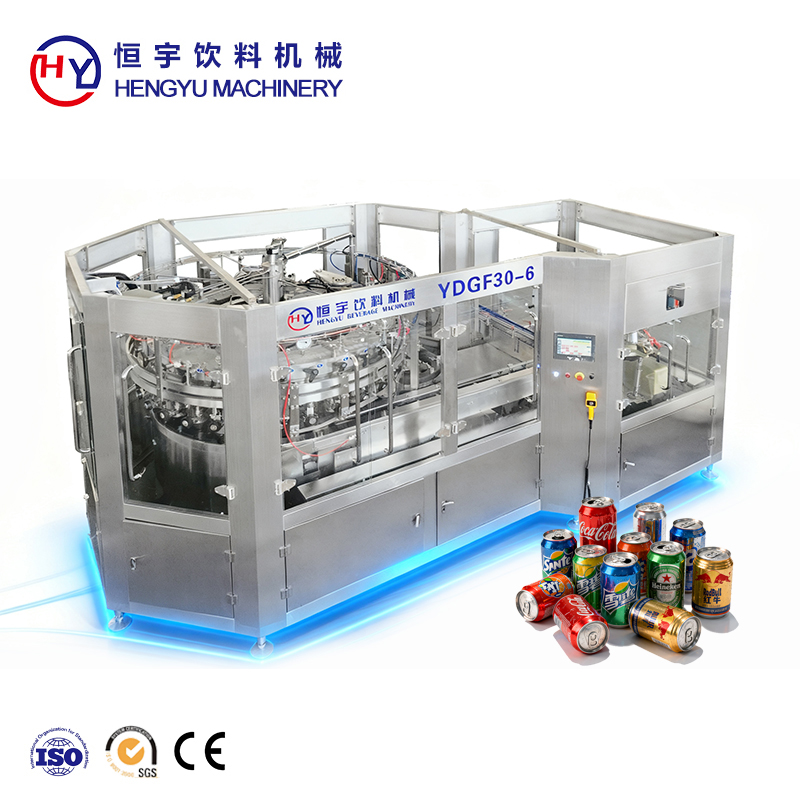
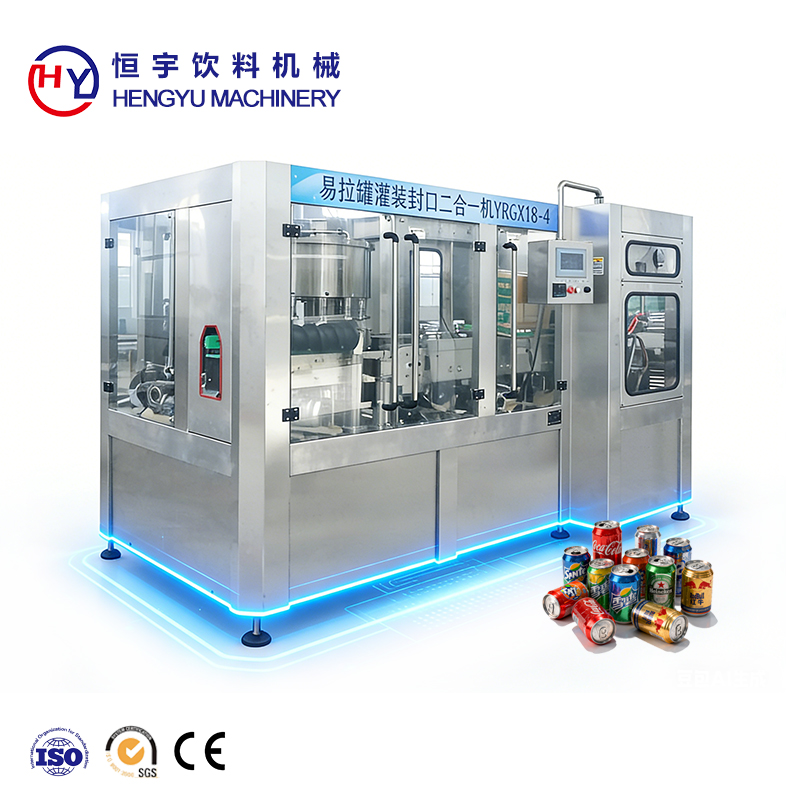
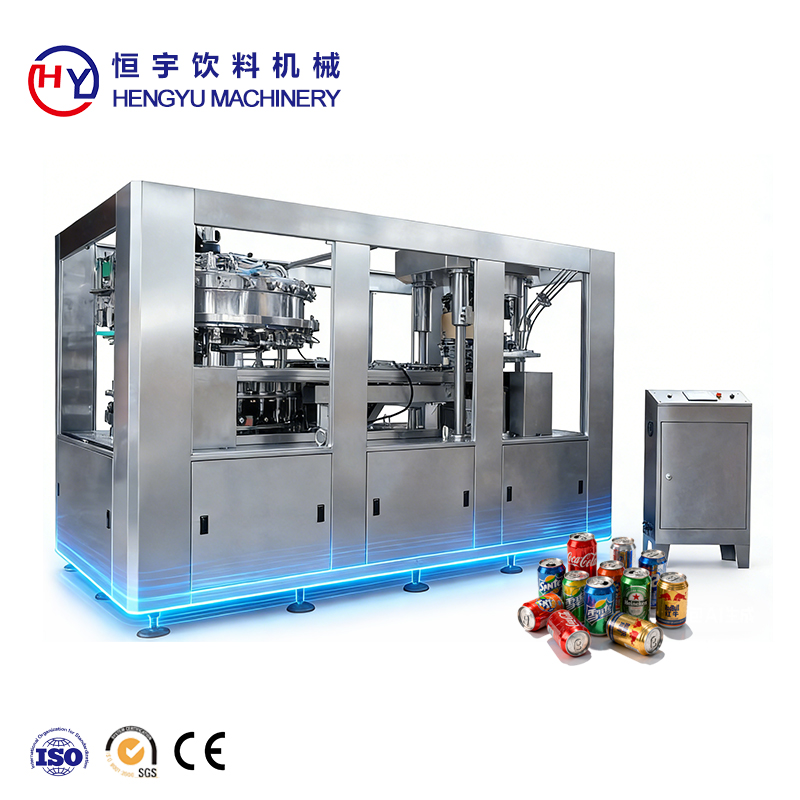
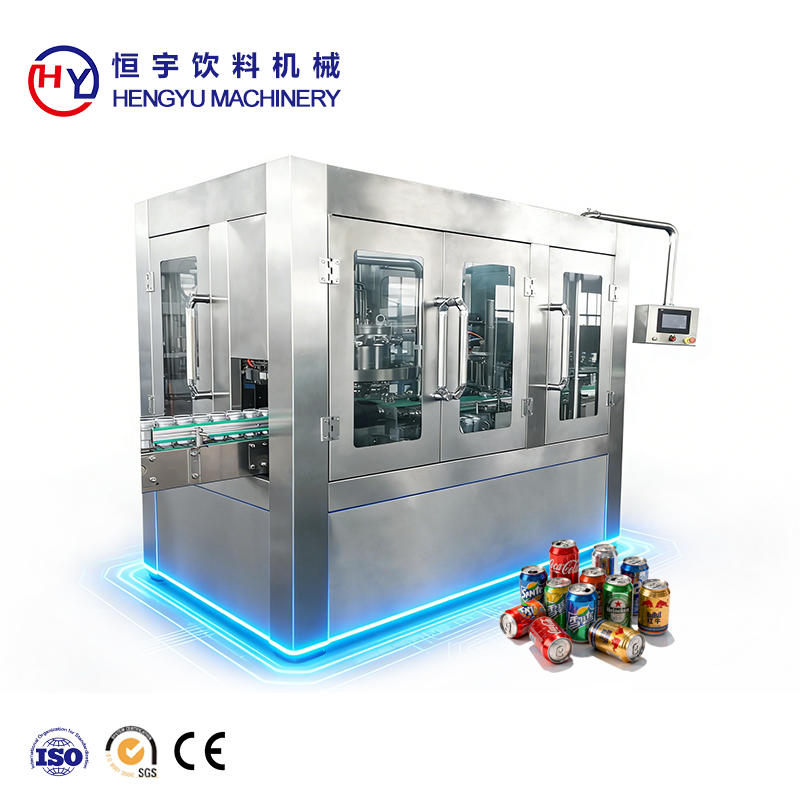
The beverage can sealing machine represents a critical piece of equipment in modern beverage production facilities, designed to provide secure and hermetic seals on aluminum and steel beverage cans. This sophisticated machinery ensures that drinks remain fresh, carbonated, and contaminant-free from the moment they leave the production line until consumers open them. At its core, the beverage can sealing machine performs the essential task of attaching can ends to filled beverage containers through a precise double seaming process. This process involves mechanically interlocking the can body and the lid in two separate operations, creating an airtight seal that preserves product quality and extends shelf life. Modern beverage can sealing machines incorporate advanced automation technology, allowing them to process hundreds or even thousands of cans per minute depending on the model and configuration. The technological features of these machines include programmable logic controllers that manage seaming parameters, adjustable seaming rollers that accommodate different can sizes, and integrated quality control systems that monitor seal integrity in real-time. Many contemporary models feature quick-changeover capabilities, enabling operators to switch between different can formats with minimal downtime. The machines utilize precision-engineered seaming chucks and rollers that apply controlled pressure and rotation to form perfect double seams consistently. Servo motor technology provides exact control over seaming speeds and pressures, while touch-screen interfaces simplify operation and parameter adjustment. Applications for beverage can sealing machines span across multiple industries including soft drink manufacturing, beer production, energy drink packaging, juice processing, and ready-to-drink coffee and tea operations. These machines prove invaluable for businesses ranging from small craft beverage producers to large-scale commercial bottling plants. The versatility of modern beverage can sealing machines allows them to handle various can sizes from slim formats to standard and large diameter containers, making them adaptable to diverse production requirements and market demands.

New Products

Investing in a beverage can sealing machine delivers numerous practical benefits that directly impact your production efficiency and bottom line. First and foremost, these machines dramatically increase your production speed compared to manual or semi-automatic alternatives. While hand-sealing operations might process only dozens of cans per hour, automated beverage can sealing machines handle hundreds or thousands of units in the same timeframe, allowing you to meet high-volume demands and scale your business effectively. The consistency these machines provide cannot be overstated. Every single can receives an identical seal with the same pressure, timing, and precision, eliminating the variability inherent in manual operations. This consistency translates directly into reduced product waste, fewer customer complaints, and stronger brand reputation. You will notice immediate improvements in product preservation as the hermetic seals maintain carbonation levels, prevent oxidation, and block contamination that could spoil your beverages. The extended shelf life means your products can travel farther, sit longer on store shelves, and reach more customers without quality degradation. Labor cost reduction represents another significant advantage. A beverage can sealing machine requires only one or two operators to oversee production that would otherwise demand an entire team of workers. This efficiency frees your staff to focus on other value-added activities while reducing payroll expenses and minimizing human error. The machines also enhance workplace safety by reducing repetitive motion injuries associated with manual can sealing and minimizing worker exposure to production line hazards. Modern beverage can sealing machines offer remarkable flexibility, accommodating multiple can sizes and formats with simple adjustments. This adaptability allows you to diversify your product line without purchasing separate equipment for each container type, maximizing your capital investment. The machines integrate seamlessly into existing production lines, working in coordination with filling equipment, labeling systems, and packaging machinery to create smooth, efficient workflows. Maintenance requirements remain minimal thanks to robust construction and quality components, resulting in excellent uptime and reliability. You will experience fewer breakdowns, shorter repair times, and lower maintenance costs compared to older or inferior equipment. Energy efficiency has improved dramatically in recent generations of beverage can sealing machines, with optimized motors and control systems that reduce electricity consumption without sacrificing performance. Quality control features built into modern machines provide real-time monitoring and automatic rejection of improperly sealed cans, protecting your brand and ensuring only perfect products reach consumers. The return on investment typically occurs within months as increased production, reduced waste, and lower labor costs quickly offset the initial equipment purchase price.

Tips And Tricks

How to Choose a Glass Bottle Filling Machine for Beverage Production

06

Mar

How to Choose a Glass Bottle Filling Machine for Beverage Production

Match Filling Technology to Beverage Type and Sensitivity Counter-Pressure Fillers for Carbonated Beverages and Beer Carbonated drinks like soda, sparkling water and beer need careful filling techniques to keep their fizz intact while avoiding exc...
View More
How Bottled Water Production Lines Maintain Product Safety

12

Mar

How Bottled Water Production Lines Maintain Product Safety

Regulatory Foundations and the Multi-Barrier Safety Framework FDA, EPA, and ISO Standards Specific to Bottled Water Production Lines The bottled water industry works within a pretty strict set of regulations. The FDA has these things called Good Ma...
View More
How Can Filling Machines Improve Beverage Production Speed

24

Mar

How Can Filling Machines Improve Beverage Production Speed

Filling Machine Type Determines Maximum Throughput Potential Gravity, Isobaric, and Piston Can Filling Machines: Speed vs. Precision Trade-offs Gravity fillers work well for delicate drinks such as juice, processing around 20 to 36 bottles every mi...
View More
Can Filling Machine Capacity Planning Guide

22

Mar

Can Filling Machine Capacity Planning Guide

Understanding Can Filling Machine Capacity: Theory vs. Real-World Performance Why Theoretical Capacity Rarely Matches Effective Output on Can Filling Lines When companies talk about canning speed at 100 cans per minute, they're referring to what ha...
View More

Get a Free Quote

Our representative will contact you soon.
Email
Name
Phone/WhatsApp
Required Product
Message
0/1000

beverage can sealing machine

Precision Double Seaming Technology Ensures Perfect Seals Every Time

Precision Double Seaming Technology Ensures Perfect Seals Every Time

The heart of any beverage can sealing machine lies in its precision double seaming technology, a sophisticated mechanical process that creates virtually impenetrable seals between can bodies and ends. This technology represents decades of engineering refinement aimed at achieving the perfect balance between seal strength and consistency. The double seaming process works through two distinct operations that progressively fold and compress the can end curl and body flange together. During the first operation, precision rollers guide the end curl and body flange into initial engagement, creating a loose connection that positions all components correctly. The second operation then tightens this connection, compressing the layers together to form an interlocking seal that withstands internal pressure from carbonated beverages while preventing external contaminants from entering. Modern beverage can sealing machines employ advanced servo motor systems that control seaming roller position, rotation speed, and applied pressure with extraordinary accuracy. These systems make microscopic adjustments in real-time, compensating for minor variations in can dimensions or material properties to maintain consistent seam quality. The seaming chucks that hold cans during the sealing process feature precision-machined surfaces that center each container perfectly, ensuring uniform pressure distribution around the entire circumference of the seal. Operators can program specific seaming parameters for different can sizes and beverage types, with the machine storing multiple recipes for quick changeover between production runs. Built-in sensors monitor critical seaming dimensions including seam thickness, seam height, and overlap length, comparing each measurement against preset specifications. When the beverage can sealing machine detects any deviation from acceptable parameters, it automatically alerts operators and can reject defective cans before they continue down the production line. This immediate feedback loop prevents the production of entire batches of improperly sealed products, saving enormous amounts of time and materials. The precision achievable with modern double seaming technology exceeds what human operators could accomplish manually, delivering seal integrity that meets the strictest quality standards required by major retailers and regulatory agencies. This level of precision directly translates into longer shelf life for your beverages, maintained carbonation that delights consumers with that satisfying fizz, and protection against spoilage that could damage your brand reputation and result in costly recalls.
High-Speed Automation Maximizes Production Output and Efficiency

High-Speed Automation Maximizes Production Output and Efficiency

High-speed automation stands as perhaps the most transformative advantage that a beverage can sealing machine brings to production operations, fundamentally changing how quickly and efficiently businesses can bring products to market. Contemporary machines operate at speeds that would have seemed impossible just a generation ago, with entry-level models processing 60 to 120 cans per minute and industrial-grade systems reaching speeds of 2000 cans per minute or more. This dramatic increase in throughput enables beverage producers to fulfill large orders rapidly, respond quickly to market demands, and compete effectively in fast-moving consumer goods markets where timing often determines success. The automation extends beyond mere speed to encompass the entire sealing workflow. Modern beverage can sealing machines feature automatic can feeding systems that orient and position containers without human intervention, eliminating bottlenecks that occur when manual loading cannot keep pace with machine capabilities. Sophisticated conveyor integration ensures smooth can transfer from filling stations through sealing operations and onward to labeling and packaging equipment, creating continuous production flows that maximize facility output. Programmable controls allow operators to set precise production parameters including sealing speed, quality checkpoints, and operating schedules, with the machine executing these instructions consistently hour after hour. Touch-screen human-machine interfaces simplify operation, displaying real-time production data including units processed, reject rates, and efficiency metrics that help managers optimize performance. Quick-changeover features represent another critical automation advantage, enabling production teams to switch between different can formats in minutes rather than hours. Tool-free adjustments and automated positioning systems eliminate much of the manual setup work traditionally required when changing production runs. This flexibility proves invaluable for businesses producing multiple beverage varieties or seasonal products that require frequent format changes. The beverage can sealing machine communicates with other production line equipment through industrial networking protocols, coordinating operations to prevent jams, minimize gaps between cans, and maintain optimal line speeds. Predictive maintenance features monitor machine health, tracking operating hours, cycle counts, and component wear to alert maintenance teams before failures occur. This proactive approach prevents unexpected downtime that could halt entire production lines and result in missed delivery deadlines. The cumulative effect of these automation features creates production environments where beverage can sealing machines operate reliably for extended periods with minimal supervision, freeing skilled personnel to focus on quality oversight, process improvement, and strategic activities that add greater value to business operations.
Versatile Design Accommodates Multiple Can Sizes and Beverage Types

Versatile Design Accommodates Multiple Can Sizes and Beverage Types

Versatility represents a defining characteristic of modern beverage can sealing machines, providing production facilities with the flexibility needed to adapt to changing market conditions and consumer preferences. Unlike specialized equipment designed for single applications, contemporary sealing machines accommodate an impressive range of can sizes from slim 150ml formats popular for energy shots through standard 330ml and 355ml sizes to large 500ml and even 750ml containers. This adaptability eliminates the need to purchase separate machines for each container format, significantly reducing capital equipment costs while simplifying production floor layouts and maintenance requirements. The beverage can sealing machine achieves this versatility through intelligently designed adjustment mechanisms that modify key parameters to match different can specifications. Seaming chuck assemblies feature interchangeable components sized for various can diameters, while vertical positioning systems raise or lower seaming heads to accommodate different can heights. Modern machines streamline these adjustments through quick-change tooling systems that allow operators to swap components in minutes using simple hand tools or even tool-free mechanisms. Digital controls store seaming parameters for each can size in memory, enabling operators to recall perfect settings instantly rather than manually adjusting multiple variables each time production switches formats. This memory function ensures consistency across production runs and eliminates the trial-and-error period that historically occurred after changeovers. The versatility extends beyond physical can dimensions to encompass different beverage types with varying properties. Carbonated soft drinks require seals capable of withstanding significant internal pressure, while still beverages like juices demand seals that prevent oxygen ingress without needing to contain carbonation. Energy drinks with their unique formulations, craft beers with diverse carbonation levels, and ready-to-drink coffees each present distinct sealing challenges that versatile beverage can sealing machines handle effectively. Material compatibility represents another dimension of versatility, with machines processing both aluminum and steel cans despite their different mechanical properties. Aluminum's softer nature requires different seaming pressures and roller configurations than steel's harder surface, yet modern machines accommodate both materials through programmable parameters. Some operations package certain products in aluminum for weight savings and recyclability while using steel for specific beverages where material properties offer advantages, making multi-material capability valuable. The beverage can sealing machine also adapts to different production scales, with adjustable speed settings allowing the same equipment to run small specialty batches at slower speeds for careful quality control, then ramp up to maximum throughput for high-volume mainstream products. This scalability means growing businesses can invest in capable equipment that meets current needs while providing capacity for future expansion, protecting capital investments and avoiding premature equipment obsolescence.