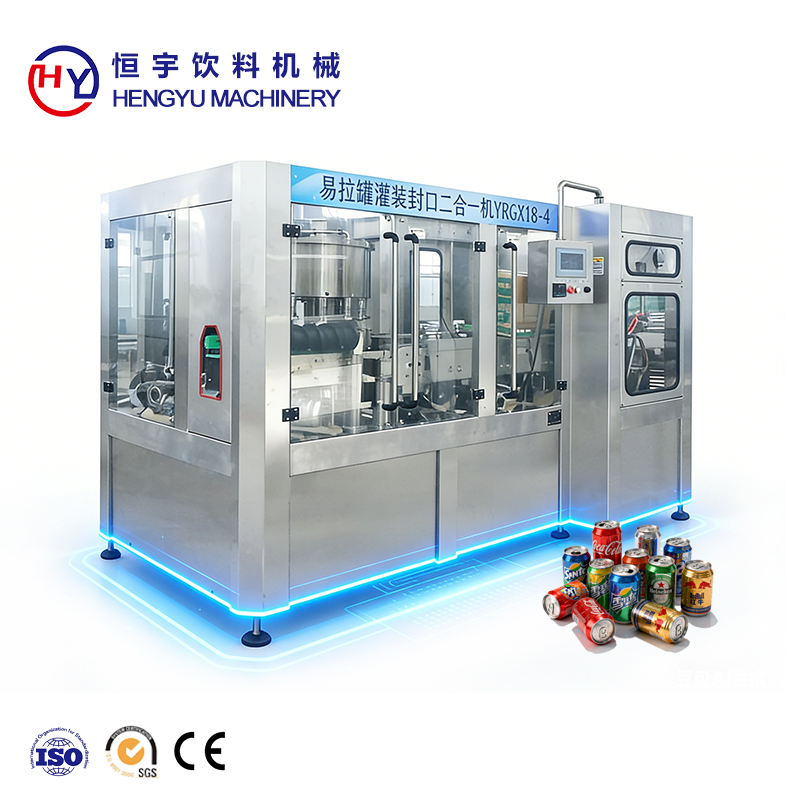
Professional Sealing Machine for Cans - Advanced Can Seaming Equipment Solutions

All Categories

sealing machine for cans

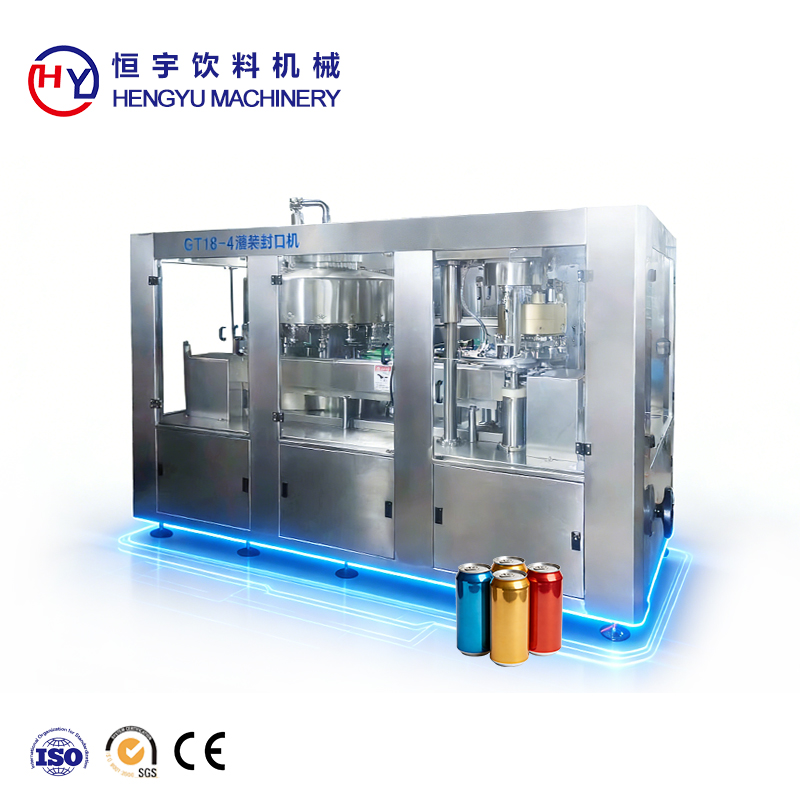
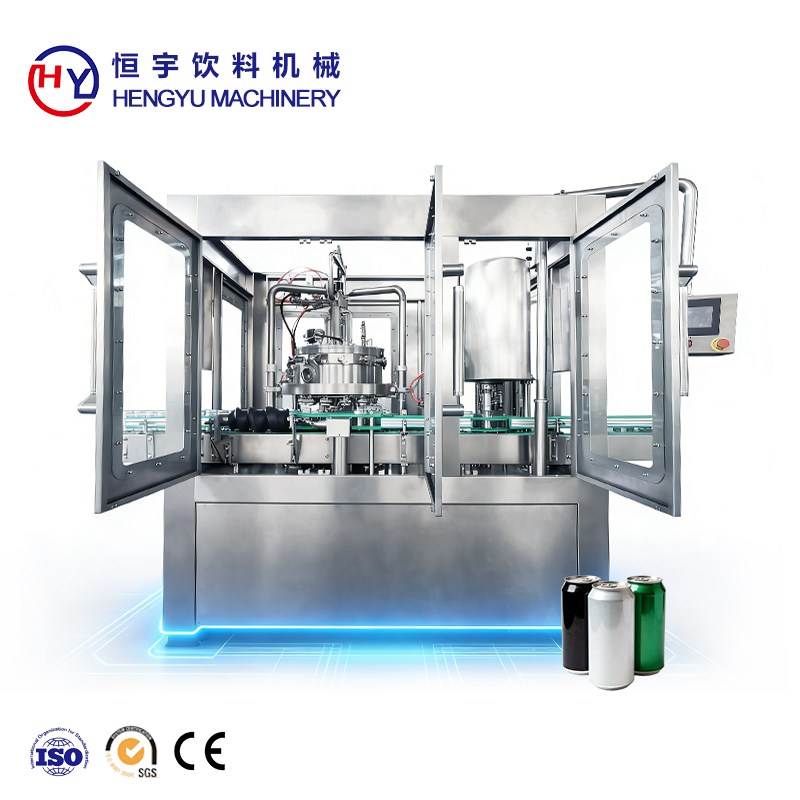
A sealing machine for cans represents an essential piece of equipment in modern packaging operations, designed to create airtight seals on metal cans containing various products. This sophisticated machinery performs the critical function of securing can ends to can bodies through precise mechanical processes, ensuring product freshness, preventing contamination, and extending shelf life. The sealing machine for cans operates by forming a hermetic seal through a double seaming process, where the can lid and body are interlocked and compressed together in multiple stages. These machines accommodate different can sizes and materials, offering versatility for businesses handling diverse product lines. The technological framework incorporates precision-engineered seaming rollers, adjustable chuck assemblies, and controlled pressure systems that work in harmony to deliver consistent, reliable seals. Modern sealing machine for cans models feature automated feeding mechanisms, reducing manual labor requirements while increasing production efficiency. The equipment integrates seamlessly into existing production lines, supporting continuous operation in high-volume manufacturing environments. Advanced sensors and monitoring systems provide real-time quality control, detecting seal defects and ensuring each can meets stringent safety standards. Temperature control features prevent thermal damage to sensitive products during the sealing process, while variable speed controls allow operators to optimize throughput based on specific production requirements. The sealing machine for cans finds applications across multiple industries including food and beverage, pharmaceuticals, chemicals, and personal care products. Whether processing carbonated drinks, preserved foods, powdered supplements, or industrial lubricants, this equipment delivers the reliability manufacturers demand. The robust construction using stainless steel and corrosion-resistant materials ensures longevity even in demanding production environments. With intuitive control panels and programmable settings, operators can quickly switch between different can specifications without extensive downtime. Investment in a quality sealing machine for cans translates to reduced product waste, enhanced brand reputation through consistent quality, and compliance with food safety regulations that mandate proper container sealing.

New Product Releases

Investing in a sealing machine for cans delivers numerous practical benefits that directly impact your bottom line and operational efficiency. First and foremost, these machines dramatically increase production speed compared to manual sealing methods, enabling businesses to process hundreds or thousands of cans per hour depending on the model selected. This acceleration in output means you can fulfill larger orders, reduce lead times, and respond more quickly to market demand fluctuations. The consistency achieved by automated sealing equipment eliminates the variability inherent in human operation, ensuring every single can receives an identical, high-quality seal that protects contents from oxygen, moisture, and contaminants. This uniformity reduces product spoilage rates, minimizing financial losses from rejected batches and customer complaints. A sealing machine for cans significantly lowers labor costs by requiring fewer operators to achieve the same or greater output volumes, allowing you to reallocate human resources to other value-adding activities within your facility. The equipment enhances workplace safety by reducing repetitive strain injuries associated with manual sealing tasks and minimizing direct contact with potentially hazardous materials. Energy efficiency features built into modern machines help control operational expenses, with optimized motors and power management systems consuming less electricity than older equipment generations. The precision engineering behind these machines extends the shelf life of your products by creating superior hermetic seals that maintain product integrity throughout distribution and storage, strengthening your brand reputation for quality. Maintenance requirements remain minimal thanks to durable construction and accessible components, keeping your production lines running with minimal interruption. The flexibility to handle multiple can sizes and types without purchasing separate equipment represents substantial capital savings for businesses with diverse product portfolios. Quick changeover capabilities mean transitioning between different production runs takes minutes rather than hours, maximizing productive time and reducing idle equipment costs. A sealing machine for cans helps businesses meet regulatory compliance requirements for food safety and product packaging standards, avoiding costly fines and legal complications. The clean, professional appearance of machine-sealed cans enhances product presentation on retail shelves, influencing consumer purchasing decisions positively. Real-time monitoring and diagnostic features alert operators to potential issues before they cause production stoppages, supporting proactive maintenance strategies that prevent expensive emergency repairs. The return on investment typically materializes within months as increased efficiency, reduced waste, and lower labor costs offset the initial equipment purchase price, making the sealing machine for cans a financially sound decision for growing businesses.

Practical Tips

How to Choose a Glass Bottle Filling Machine for Beverage Production

06

Mar

How to Choose a Glass Bottle Filling Machine for Beverage Production

Match Filling Technology to Beverage Type and Sensitivity Counter-Pressure Fillers for Carbonated Beverages and Beer Carbonated drinks like soda, sparkling water and beer need careful filling techniques to keep their fizz intact while avoiding exc...
View More
How Bottled Water Production Lines Maintain Product Safety

12

Mar

How Bottled Water Production Lines Maintain Product Safety

Regulatory Foundations and the Multi-Barrier Safety Framework FDA, EPA, and ISO Standards Specific to Bottled Water Production Lines The bottled water industry works within a pretty strict set of regulations. The FDA has these things called Good Ma...
View More
Can Filling Machine Capacity Planning Guide

22

Mar

Can Filling Machine Capacity Planning Guide

Understanding Can Filling Machine Capacity: Theory vs. Real-World Performance Why Theoretical Capacity Rarely Matches Effective Output on Can Filling Lines When companies talk about canning speed at 100 cans per minute, they're referring to what ha...
View More
Can Sealing Machine Maintenance Tips

23

Mar

Can Sealing Machine Maintenance Tips

Daily and Weekly Preventive Maintenance for Your Can Sealing Machine Essential Daily Checks: Belt Tension, Sealing Bar Alignment, and Tape Head Cleanliness Starting every shift with a quick check on belt tension makes all the difference. If belts a...
View More

Get a Free Quote

Our representative will contact you soon.
Email
Name
Phone/WhatsApp
Required Product
Message
0/1000

sealing machine for cans

Advanced Double Seaming Technology for Superior Seal Integrity

Advanced Double Seaming Technology for Superior Seal Integrity

The cornerstone feature of any premium sealing machine for cans lies in its advanced double seaming technology, which creates virtually impenetrable seals that preserve product quality throughout the entire supply chain. This sophisticated process involves two distinct seaming operations performed by precision-engineered rollers working in perfect synchronization. During the first operation, the seaming roller gently folds the curl of the can end around the flange of the can body, creating an initial mechanical interlock without applying excessive pressure that could damage the components. The second operation compresses and tightens this initial fold, creating the characteristic double seam structure that provides exceptional strength and hermetic properties. The sealing machine for cans achieves this through carefully calibrated pressure settings, roller profiles designed to specific geometric tolerances, and timing mechanisms that ensure each operation occurs at exactly the right moment in the rotation cycle. Modern machines incorporate real-time seam thickness monitoring, using sensors that measure the compressed double seam dimensions and immediately alert operators if measurements fall outside acceptable parameters. This technology proves particularly crucial when sealing cans containing carbonated beverages or products requiring extended shelf stability, where even microscopic seal imperfections could lead to product failure. The adjustability of the seaming parameters allows manufacturers to optimize settings for different can materials, whether working with aluminum, tinplate steel, or composite constructions that each respond differently to forming pressures. Quality sealing machine for cans models feature quick-change tooling systems enabling rapid reconfiguration when switching between can diameters or end types, maintaining production momentum while accommodating product variety. The precision bearings and rigid frame construction eliminate vibration and deflection during high-speed operation, ensuring the seaming rollers maintain perfect alignment with the can geometry throughout millions of sealing cycles. Temperature compensation systems account for thermal expansion of metal components during extended production runs, automatically adjusting clearances to maintain consistent seam formation regardless of ambient conditions. This technological sophistication translates directly into measurable business benefits including reduced product recalls, extended distribution reach into markets with challenging storage conditions, and enhanced consumer confidence in product safety and freshness.
Intelligent Automation and Control Systems for Effortless Operation

Intelligent Automation and Control Systems for Effortless Operation

Contemporary sealing machine for cans models distinguish themselves through intelligent automation and sophisticated control systems that transform complex sealing operations into straightforward, operator-friendly processes. These advanced systems incorporate programmable logic controllers that store multiple recipe configurations, allowing operators to recall precise settings for different can specifications with a simple touchscreen selection, eliminating the guesswork and manual adjustments that characterized older equipment generations. The human-machine interface displays real-time production metrics including current operating speed, total cans sealed during the shift, seal quality indicators, and predictive maintenance alerts that help operators make informed decisions without requiring specialized technical knowledge. Automatic feeding systems integrated into the sealing machine for cans utilize precisely timed star wheels, conveyor belts, and accumulation tables that maintain consistent can flow to the seaming station, preventing jams while accommodating natural variations in upstream production rates. Sensors positioned throughout the machine detect empty positions, misaligned cans, or improperly placed lids, automatically rejecting defective units before the sealing operation occurs and preventing damage to expensive seaming tooling. The control system continuously monitors critical operating parameters such as seaming roller pressure, chuck height positioning, and rotation speed, making micro-adjustments hundreds of times per second to maintain optimal performance as conditions fluctuate. Statistical process control features built into advanced sealing machine for cans models automatically collect and analyze quality data, generating trend reports that highlight gradual equipment drift before it results in out-of-specification seals, supporting predictive maintenance strategies that minimize unplanned downtime. Remote connectivity options enable technical support personnel to diagnose issues and adjust parameters without traveling to your facility, reducing troubleshooting time and getting production back online faster when problems occur. The automation reduces the skill level required to operate the equipment effectively, shortening training periods for new employees and reducing dependence on specialized technicians who command premium wages. Safety interlocks prevent machine operation when guards are open or when hands enter hazardous zones, protecting workers while maintaining compliance with occupational safety regulations. Energy-saving modes automatically reduce power consumption during production pauses or idle periods, lowering utility costs without requiring operator intervention. The sophisticated yet intuitive nature of these control systems on a modern sealing machine for cans empowers manufacturers to achieve professional-grade results regardless of their previous experience with packaging automation.
Versatile Configuration Options for Maximum Production Flexibility

Versatile Configuration Options for Maximum Production Flexibility

The exceptional versatility engineered into modern sealing machine for cans designs provides manufacturers with the flexibility to adapt quickly to changing market demands, product innovations, and packaging trends without requiring substantial additional capital investment. These machines accommodate an impressive range of can diameters, typically from small format containers of fifty millimeters up to large industrial cans exceeding two hundred millimeters, all on a single platform through the use of interchangeable tooling sets and adjustable positioning mechanisms. The modular construction philosophy employed by leading manufacturers means that as your production requirements evolve, you can upgrade specific components or add capability modules rather than replacing the entire sealing machine for cans, protecting your initial investment while maintaining technological currency. Height adjustment systems handle cans ranging from shallow tuna-style containers to tall beverage formats, with servo-driven positioning ensuring precise alignment between the seaming head and can geometry regardless of container proportions. Material compatibility extends across the full spectrum of can construction types, from traditional three-piece welded cans to modern drawn aluminum containers and specialty composite constructions that combine metal with polymer barriers for enhanced product protection. The sealing machine for cans integrates smoothly with both manual and fully automated production lines, accepting cans from robotic pick-and-place systems or simple gravity-fed accumulation tables depending on your operation scale and automation level. Output speed ranges from modest semi-automatic operation suitable for craft producers and small batch manufacturers to high-speed inline configurations capable of sealing over one thousand cans per minute for major beverage and food processing facilities. Changeover tooling designed with quick-release mechanisms and clearly marked adjustment points enables operators to reconfigure the sealing machine for cans for different product runs in under fifteen minutes, minimizing the production time lost to format changes that plague less flexible equipment designs. Optional features such as nitrogen flushing capabilities allow manufacturers to displace oxygen from the headspace before sealing, extending shelf life for oxygen-sensitive products without investing in separate purging equipment. Dual-lane configurations double throughput within the same floor space footprint, providing a cost-effective capacity expansion path as production volumes grow. The ability to retrofit older sealing machine for cans models with updated control systems and upgraded seaming technology means even legacy equipment can benefit from modern innovations, extending useful service life and delaying major capital expenditures. This remarkable versatility ensures that your investment in quality sealing equipment continues delivering value throughout many years of service, adapting alongside your business rather than becoming obsolete as product portfolios and market requirements evolve.