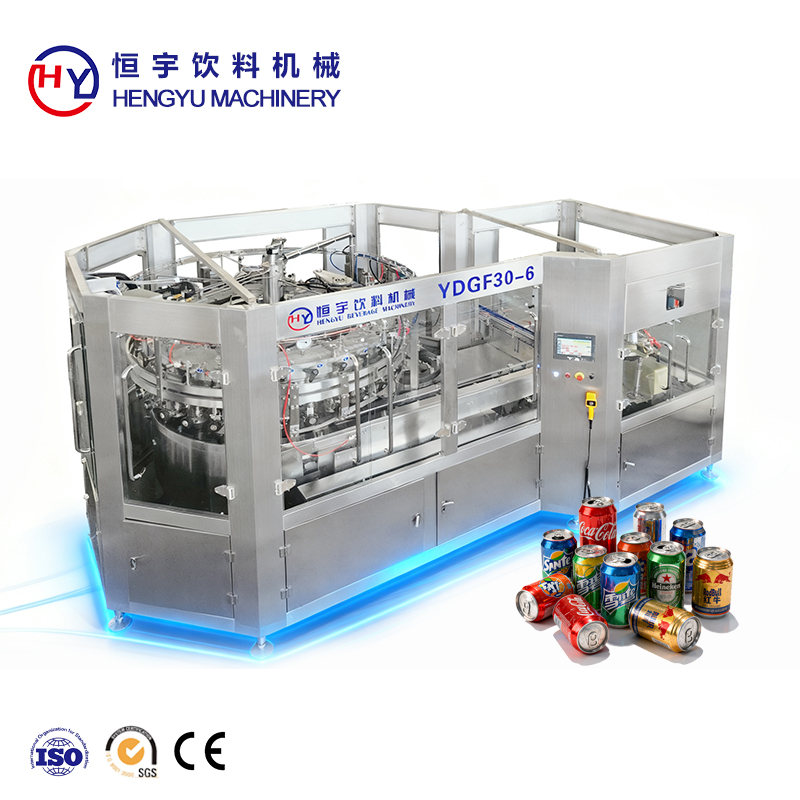
Professional Canning Sealer Machine Solutions - Precision Sealing Equipment For Food Preservation

All Categories

canning sealer machine

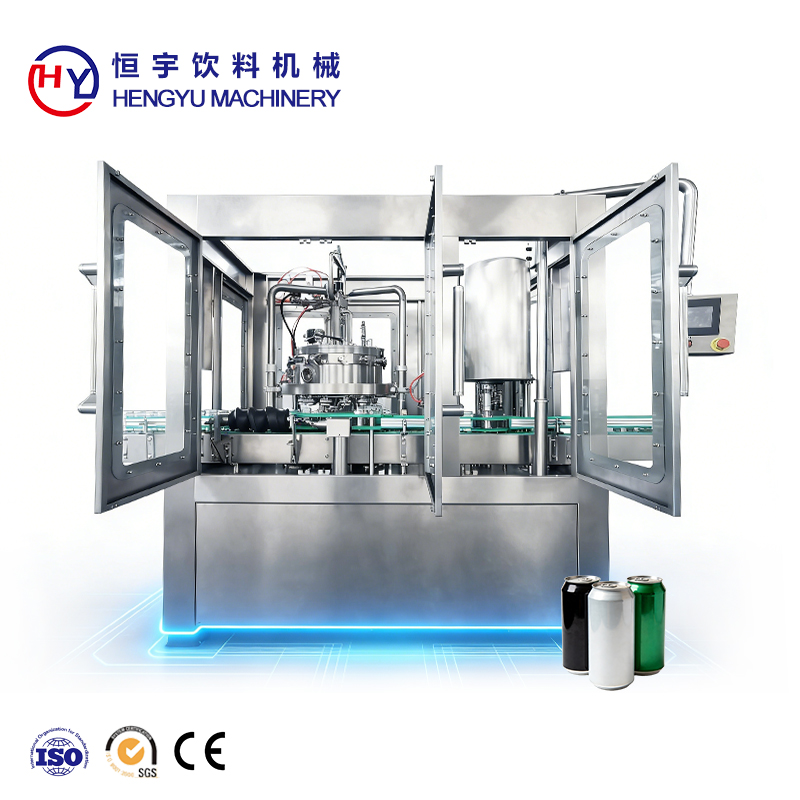
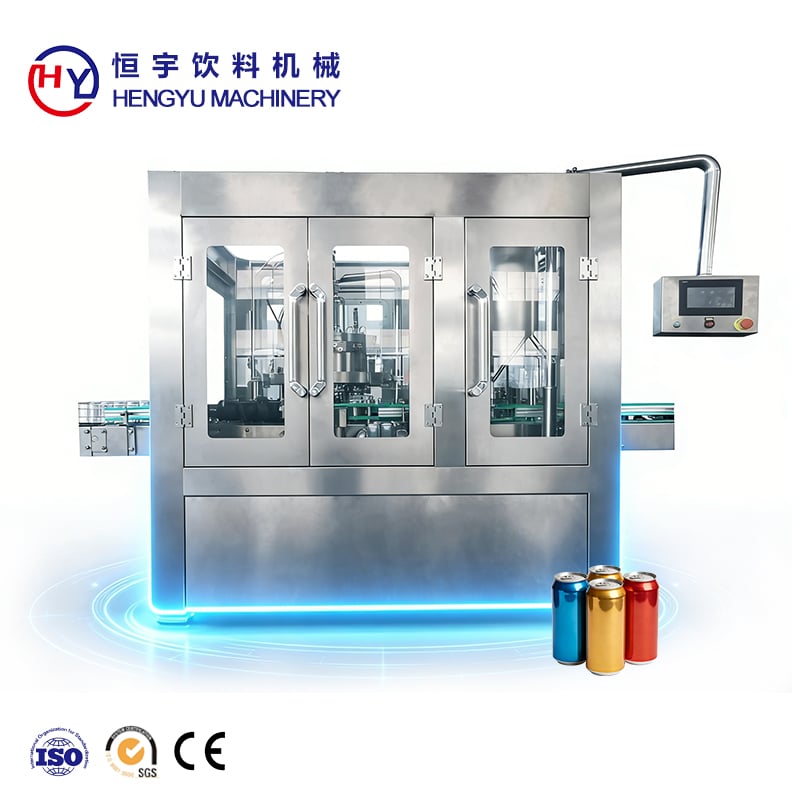
A canning sealer machine represents an essential piece of equipment designed to preserve food products by creating airtight seals on metal cans. This sophisticated apparatus combines mechanical precision with modern automation to deliver consistent, reliable sealing results across various production scales. The primary function of a canning sealer machine involves securing can lids onto filled containers through precise pressure application and seam formation, ensuring product freshness and extending shelf life significantly. These machines operate by folding and compressing the can lid and body flanges together, creating a hermetic seal that prevents oxygen infiltration and microbial contamination. Modern canning sealer machines incorporate advanced sensor technology that monitors seal quality in real-time, detecting any irregularities before products leave the production line. The technological features include adjustable sealing heads that accommodate multiple can sizes, programmable control systems for customized sealing parameters, and automated feeding mechanisms that streamline workflow efficiency. Many contemporary models feature stainless steel construction that meets stringent food safety standards while providing durability against corrosive environments. The versatility of these machines allows manufacturers to process diverse product categories including vegetables, fruits, sauces, beverages, pet food, and seafood. Industrial operations benefit from high-speed models capable of sealing hundreds of cans per minute, while smaller facilities and artisanal producers can utilize semi-automatic or manual versions suited to lower volume requirements. The integration of touchscreen interfaces simplifies operation, enabling workers to adjust settings quickly and monitor production metrics effortlessly. Temperature control systems within advanced canning sealer machines ensure optimal sealing conditions regardless of ambient environment fluctuations. Applications extend beyond traditional food preservation to include pharmaceutical products, chemical compounds, and specialty goods requiring long-term storage stability. The machine's ability to create consistent, defect-free seals makes it indispensable for businesses committed to quality assurance and customer satisfaction.

Popular Products

Investing in a canning sealer machine delivers substantial operational benefits that directly impact your bottom line and product quality. First and foremost, these machines dramatically increase production speed compared to manual sealing methods, allowing your business to fulfill larger orders without hiring additional staff. You can process significantly more units per hour, reducing labor costs while simultaneously boosting output capacity. The consistency achieved through automated sealing eliminates human error, meaning every single can receives the same precise seal quality. This reliability translates to fewer product recalls, reduced waste from defective seals, and enhanced brand reputation among consumers who trust your products. Your production facility gains flexibility because modern canning sealer machines accommodate various can dimensions through quick-change tooling systems, enabling you to diversify your product line without purchasing multiple machines. The extended shelf life provided by properly sealed cans means your products can reach distant markets, opening new distribution channels and revenue streams previously inaccessible. Energy efficiency built into contemporary models reduces utility expenses over time, with some machines consuming significantly less power than older equipment while delivering superior performance. Maintenance requirements remain minimal due to robust construction and accessible component design, keeping your production line running with minimal downtime. The space-saving footprint of many canning sealer machines allows you to maximize factory floor utilization, fitting seamlessly into existing layouts without requiring extensive renovations. Worker safety improves dramatically as automated systems eliminate repetitive strain injuries associated with manual sealing operations, reducing workplace injury claims and associated costs. Quality control becomes straightforward with integrated monitoring systems that provide immediate feedback about seal integrity, allowing operators to address issues before entire batches become compromised. The return on investment materializes quickly as increased throughput and reduced waste offset the initial equipment purchase. Your company demonstrates commitment to food safety standards, which can be crucial for securing contracts with major retailers and distributors who demand verified quality assurance processes. The professional presentation of machine-sealed cans enhances product appeal on retail shelves, potentially commanding premium pricing compared to competitors using inferior sealing methods. Scalability becomes effortless because you can start with entry-level models and upgrade to higher-capacity systems as your business grows, protecting your equipment investment long-term. Environmental benefits emerge through reduced spoilage rates, meaning less food waste enters landfills while your company contributes to sustainability goals that resonate with environmentally conscious consumers.

Latest News

How to Choose a Glass Bottle Filling Machine for Beverage Production

06

Mar

How to Choose a Glass Bottle Filling Machine for Beverage Production

Match Filling Technology to Beverage Type and Sensitivity Counter-Pressure Fillers for Carbonated Beverages and Beer Carbonated drinks like soda, sparkling water and beer need careful filling techniques to keep their fizz intact while avoiding exc...
View More
Increasing Capacity in Bottled Water Production Lines

09

Mar

Increasing Capacity in Bottled Water Production Lines

Diagnosing Bottlenecks in Your Bottled Water Production Line Measuring Throughput Gaps: Bottling Speed, Changeover Time, and OEE Analysis To get a handle on where production is falling short, look at three key performance indicators. Start by compa...
View More
How Can Filling Machines Improve Beverage Production Speed

24

Mar

How Can Filling Machines Improve Beverage Production Speed

Filling Machine Type Determines Maximum Throughput Potential Gravity, Isobaric, and Piston Can Filling Machines: Speed vs. Precision Trade-offs Gravity fillers work well for delicate drinks such as juice, processing around 20 to 36 bottles every mi...
View More
Troubleshooting Can Filling Machine Production Issues

21

Mar

Troubleshooting Can Filling Machine Production Issues

Power, Control, and Electrical Faults in Can Filling Machines Machine won't power on: main supply, fuses, and emergency stop circuit checks If the can filling machine won't start at all, the first thing to do is check whether the main power supply ...
View More

Get a Free Quote

Our representative will contact you soon.
Email
Name
Phone/WhatsApp
Required Product
Message
0/1000

canning sealer machine

Precision Sealing Technology That Guarantees Product Integrity

Precision Sealing Technology That Guarantees Product Integrity

The canning sealer machine employs sophisticated precision sealing technology that stands as the cornerstone of its value proposition for manufacturers across industries. This technology utilizes engineered seaming rollers that execute a two-operation process, first folding the cover hook and body hook together, then tightening and flattening the seam to create an impermeable barrier. The precision involved in this process cannot be overstated, as measurements down to thousandths of an inch determine whether a seal will perform flawlessly throughout the product's shelf life or fail prematurely. Advanced canning sealer machines incorporate servo-driven systems that adjust pressure and rotation speed dynamically based on real-time feedback from integrated sensors, ensuring optimal seam formation regardless of minor variations in can dimensions or material thickness. This adaptive capability proves particularly valuable when processing cans from different suppliers or switching between product lines with varying fill weights that might affect can shape. The technology includes automated seam inspection capabilities using non-destructive testing methods that evaluate seam thickness, tightness, and uniformity without opening cans, providing immediate quality assurance data. Manufacturers benefit from statistical process control integration that tracks sealing parameters across production runs, identifying trends before they result in defective products reaching consumers. The precision extends to temperature management systems that maintain optimal sealing conditions, as metal properties change with temperature fluctuations that could compromise seal quality. This technological sophistication translates directly into reduced customer complaints, fewer returns, and enhanced brand loyalty as consumers repeatedly experience products that maintain freshness until the moment they open them. For businesses operating in regulated industries, the documentation capabilities built into precision sealing systems provide the traceability required for compliance audits and certification processes. The technology also enables manufacturers to work with thinner, more sustainable packaging materials without sacrificing seal integrity, supporting corporate environmental initiatives while reducing material costs. Investment in this precision technology pays dividends through extended product shelf life that opens geographic markets previously unreachable due to distribution time constraints.
Versatile Production Capacity Scaling For Growing Businesses

Versatile Production Capacity Scaling For Growing Businesses

One of the most compelling attributes of modern canning sealer machines lies in their remarkable versatility and capacity to scale alongside business growth trajectories. Unlike specialized equipment that locks manufacturers into narrow production parameters, these machines offer extraordinary flexibility across multiple dimensions that directly address evolving operational needs. The versatility begins with can size compatibility, as contemporary sealer machines accommodate diameter ranges from small specialty containers to large industrial cans through interchangeable tooling systems that require minimal changeover time. This adaptability allows producers to test new product formats and package sizes without capital expenditure on additional equipment, reducing the financial risk associated with market experimentation. Production speed versatility enables the same machine to operate at reduced speeds for specialty small-batch productions requiring extra attention, then ramp up to maximum throughput for high-volume standard products, optimizing asset utilization across diverse production schedules. Businesses starting with modest output requirements can select semi-automatic canning sealer machines that provide mechanical assistance while maintaining operator control, then transition to fully automated systems as volume demands increase, often using the same brand ecosystem for operational consistency. This scalability protects initial investments because skills and knowledge transfer between equipment tiers, minimizing retraining requirements when upgrading. The machines demonstrate material versatility by effectively sealing various can compositions including aluminum, tinplate, and composite materials, each requiring subtly different sealing parameters that modern systems manage through programmable recipes stored in digital memory. Integration capabilities with upstream filling equipment and downstream labeling systems create cohesive production lines that grow organically, with the canning sealer machine serving as the reliable centerpiece coordinating with peripheral equipment. Geographic versatility emerges through voltage and frequency compatibility options that allow the same machine model to operate across international facilities, standardizing processes for multinational operations while simplifying spare parts inventory management. The versatility extends to product viscosity ranges, as proper sealing occurs regardless of whether cans contain thin liquids, thick pastes, or solid pieces in suspension, maintaining consistent performance across your entire product portfolio. This comprehensive versatility delivers strategic business value by reducing the total number of different equipment types required in your facility, simplifying maintenance protocols, and concentrating operator expertise on fewer machine platforms.
Enhanced Operational Efficiency Through Intelligent Automation

Enhanced Operational Efficiency Through Intelligent Automation

The integration of intelligent automation within canning sealer machines represents a transformative advancement that fundamentally reshapes production economics and operational workflows for food manufacturers and packaging operations. This automation transcends simple mechanization by incorporating decision-making algorithms that optimize performance parameters continuously without requiring constant operator intervention. Modern canning sealer machines feature programmable logic controllers that store unlimited sealing recipes, each containing dozens of parameters including sealing pressure, roller speed, dwell time, and quality inspection thresholds specific to particular can sizes and product types. Operators simply select the appropriate recipe from a touchscreen interface, and the machine automatically configures itself, eliminating manual adjustments that previously consumed significant changeover time and introduced opportunities for setup errors. The intelligent automation includes predictive maintenance systems that monitor component wear patterns and operational hours, alerting maintenance personnel to service requirements before failures occur, thereby preventing unexpected downtime that disrupts production schedules and deadline commitments. Automated reject systems integrate with quality inspection modules to identify and remove defective seals from the production stream without stopping the entire line, maintaining throughput while ensuring only conforming products advance to packaging stages. The efficiency gains manifest in reduced labor requirements, as a single operator can supervise multiple canning sealer machines simultaneously when intelligent automation handles routine operational decisions and adjustments. Energy management algorithms optimize power consumption by adjusting motor speeds and heating elements based on actual production demands rather than running continuously at maximum capacity, generating measurable utility cost reductions over thousands of operating hours. Data collection and reporting automation creates comprehensive production records without additional administrative burden, documenting every sealed can with timestamps, parameter settings, and quality metrics that satisfy regulatory requirements and provide valuable insights for continuous improvement initiatives. The automation enables lights-out operation during second and third shifts when labor availability may be limited or premium wages apply, extending effective production hours without proportional cost increases. Remote monitoring capabilities allow management and technical specialists to observe real-time performance from any location, providing rapid troubleshooting support and production oversight across multi-site operations. The intelligent systems learn from operational history, refining parameter recommendations based on observed outcomes to incrementally improve seal quality and reduce material waste over the equipment's service life. This sophisticated automation transforms the canning sealer machine from a simple mechanical tool into an intelligent production partner that actively contributes to operational excellence and competitive advantage in increasingly demanding markets.