Automatic Can Sealing Machine - High-Speed Precision Sealing Solutions for Industrial Packaging

All Categories

automatic can sealing machine

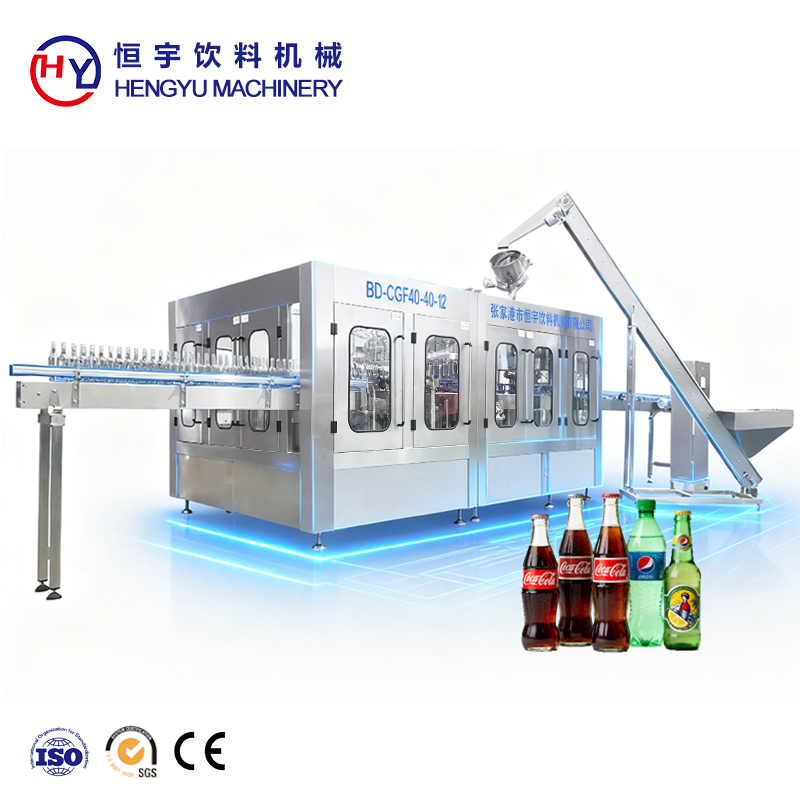
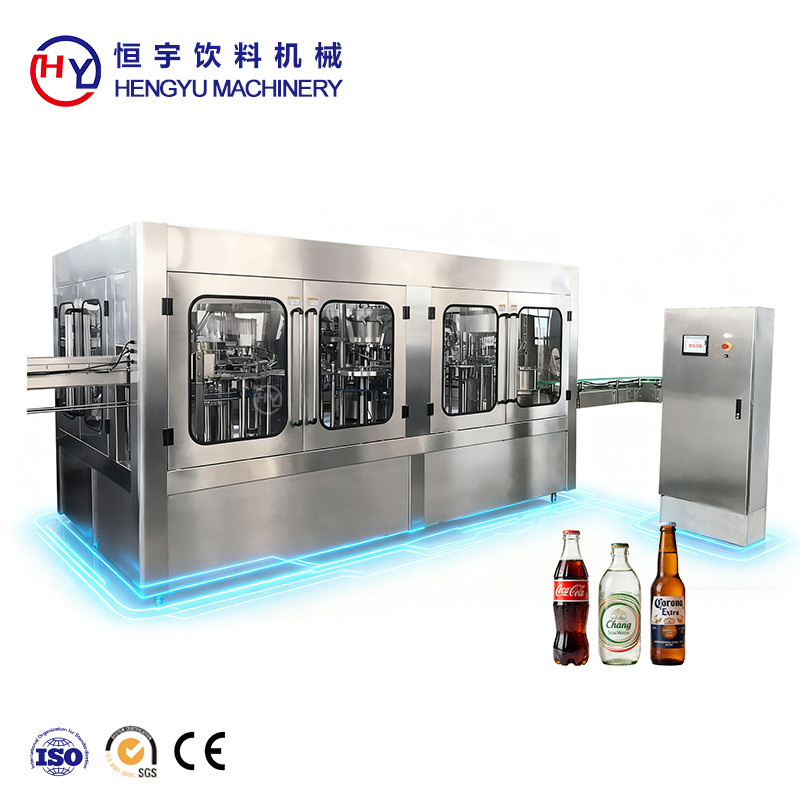
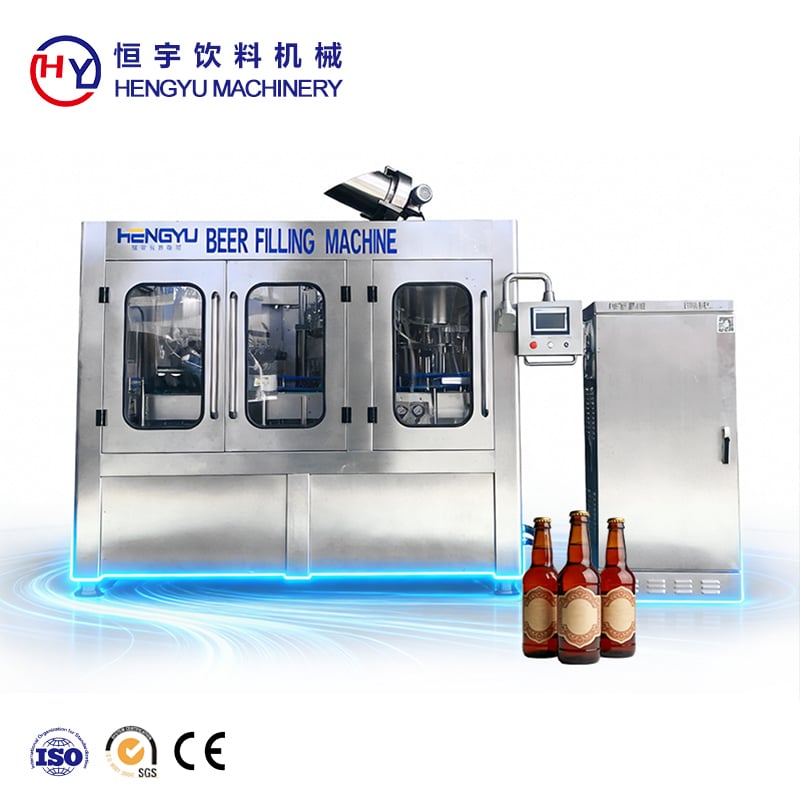
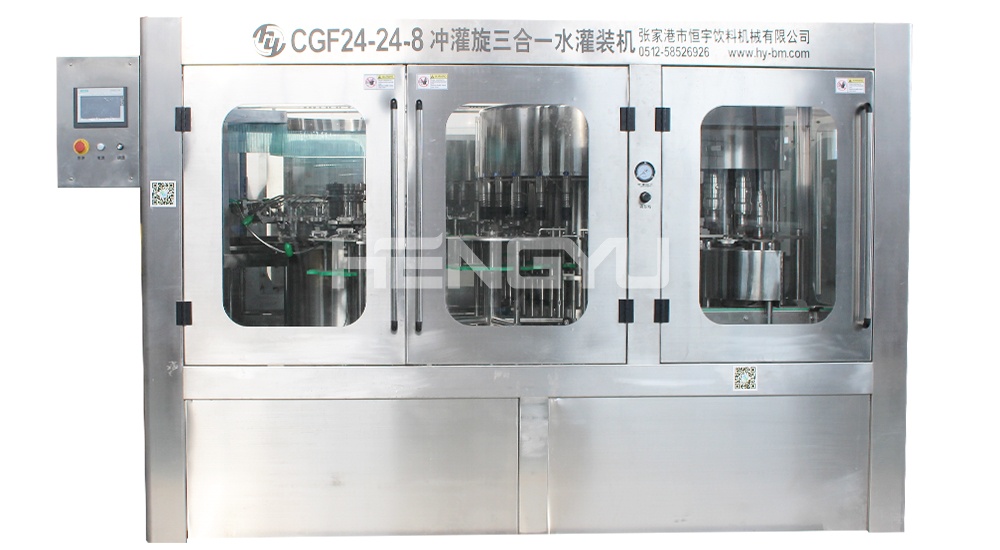
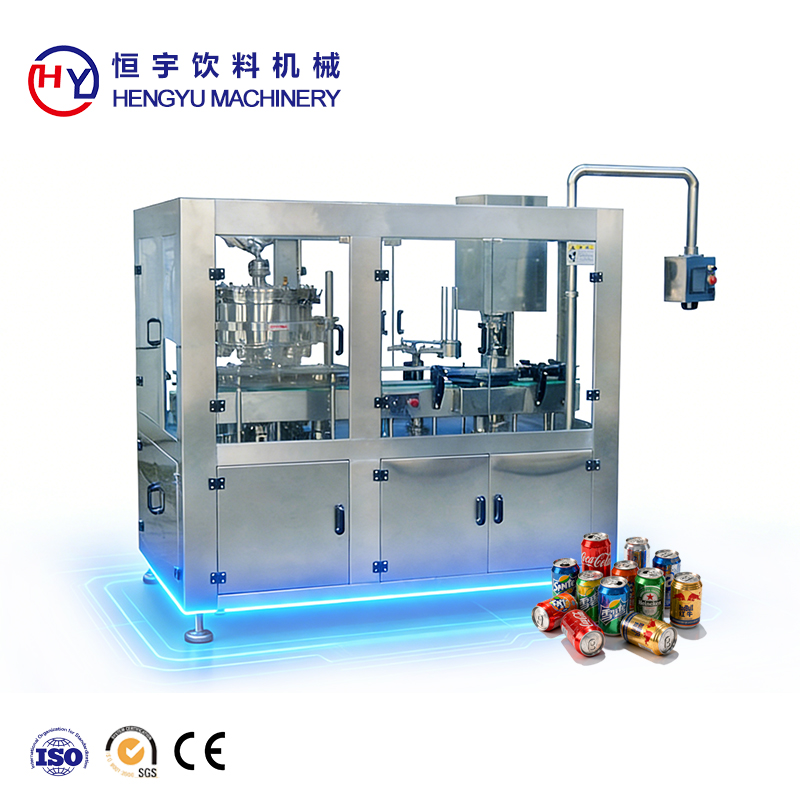
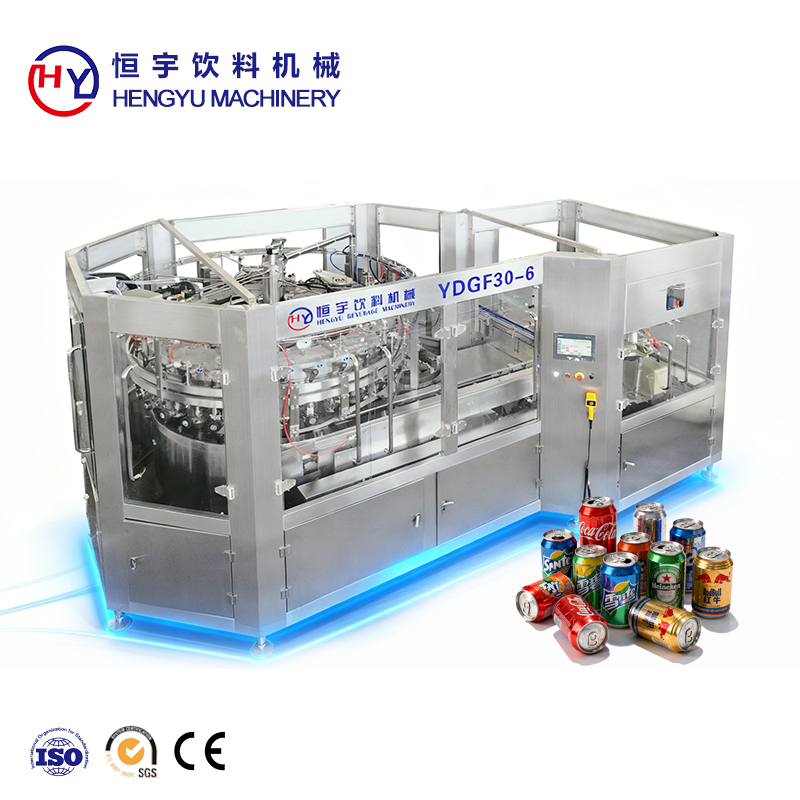
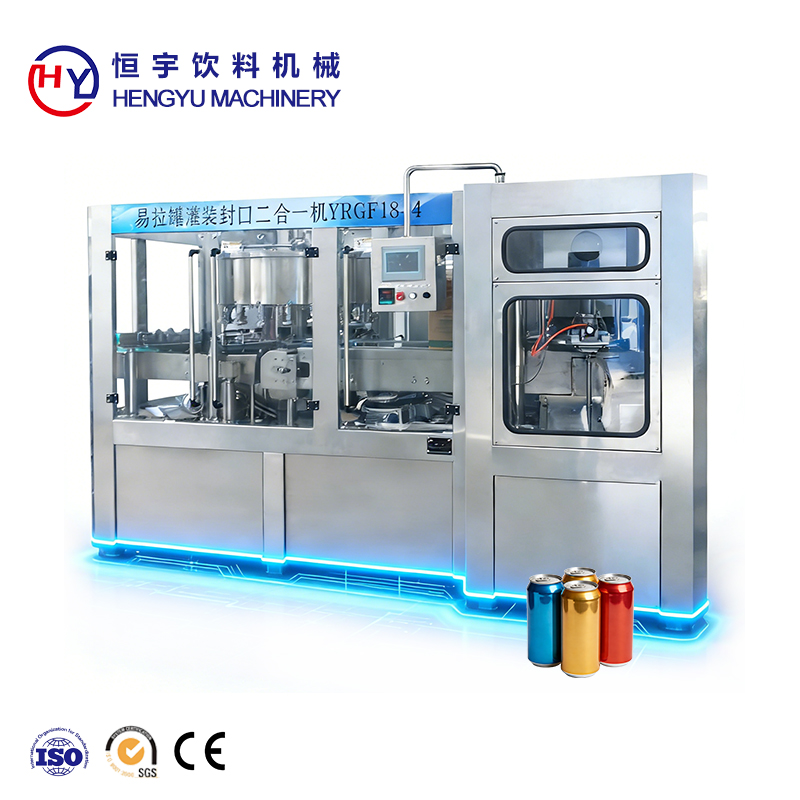
The automatic can sealing machine represents a critical piece of equipment in modern packaging operations, designed to efficiently seal various types of cans with precision and consistency. This sophisticated machinery automates the entire sealing process, eliminating manual intervention and significantly improving production efficiency across food, beverage, chemical, and pharmaceutical industries. The automatic can sealing machine operates through a seamless integration of mechanical, electrical, and pneumatic systems that work in harmony to deliver perfectly sealed containers every time. At its core, the machine performs the essential function of creating airtight seals on metal cans of different sizes and specifications, ensuring product freshness, preventing contamination, and extending shelf life. The technological features incorporated into the automatic can sealing machine include advanced servo motor controls, programmable logic controllers, and touch-screen interfaces that allow operators to easily adjust parameters such as sealing speed, pressure, and temperature. Modern automatic can sealing machines utilize double seaming technology, which creates a secure hermetic seal by interlocking the can body and lid through precisely controlled rollers. The equipment can handle production rates ranging from hundreds to thousands of cans per hour, depending on the model and configuration. These machines feature automatic can feeding systems, lid placement mechanisms, sealing stations, and discharge conveyors that work synchronously to maintain continuous operation. Quality control sensors integrated throughout the system monitor seal integrity in real-time, automatically rejecting defective units to maintain consistent output quality. Applications for the automatic can sealing machine span numerous sectors including canned foods, beverages, pet food, motor oil, paint, aerosol products, and industrial chemicals. The versatility of these machines allows manufacturers to package products ranging from liquid to powder to solid forms, making them indispensable in high-volume production environments where reliability, speed, and seal quality are paramount considerations for business success.

New Product Recommendations

Investing in an automatic can sealing machine delivers substantial practical benefits that directly impact your bottom line and operational efficiency. First and foremost, these machines dramatically increase your production speed compared to manual or semi-automatic alternatives. Where manual sealing might process dozens of cans per hour, an automatic can sealing machine can handle hundreds or even thousands, allowing you to meet growing market demand without proportionally increasing labor costs. This speed advantage translates directly into revenue generation potential and faster order fulfillment. The consistency and reliability provided by automation means every can receives the exact same sealing treatment, eliminating the variations that occur with human operators. This uniformity ensures that your products maintain quality standards across every unit, reducing customer complaints and protecting your brand reputation. The automatic can sealing machine also significantly reduces labor requirements, freeing your workforce to focus on higher-value tasks such as quality inspection, inventory management, and process optimization. Labor savings compound over time, making the initial equipment investment highly cost-effective within a relatively short payback period. From a safety perspective, automation removes workers from repetitive motion tasks that can cause strain injuries, while also minimizing exposure to potential hazards associated with manual can handling. The precision engineering of these machines results in minimal material waste, as properly calibrated equipment reduces the number of improperly sealed cans that must be discarded or reworked. Energy efficiency is another practical advantage, with modern automatic can sealing machines designed to optimize power consumption while maintaining peak performance. The machines require minimal maintenance when properly operated, with accessible components and straightforward servicing procedures that minimize downtime. Built-in diagnostic systems alert operators to potential issues before they become serious problems, enabling proactive maintenance scheduling that prevents unexpected production interruptions. The flexibility to quickly changeover between different can sizes means you can diversify your product offerings without investing in multiple dedicated machines. Real-time production monitoring capabilities allow you to track output metrics, identify bottlenecks, and make data-driven decisions to continuously improve your packaging operations. The automatic can sealing machine integrates seamlessly with upstream filling equipment and downstream labeling or packaging systems, creating a cohesive production line that maximizes throughput. Ultimately, the investment in automation positions your business for sustainable growth, enabling you to compete effectively in markets where speed, quality, and cost-efficiency determine success.

Latest News

Glass Bottle Filling Machine vs Plastic Bottle Filling Machine

04

Mar

Glass Bottle Filling Machine vs Plastic Bottle Filling Machine

Material Properties Dictate Core Machine Design Glass fragility and thermal mass: why glass bottle filling machines require reinforced frames, shock-dampened conveyors, and precision neck-handling grippers Working with glass bottles means going th...
View More
How to Choose a Glass Bottle Filling Machine for Beverage Production

06

Mar

How to Choose a Glass Bottle Filling Machine for Beverage Production

Match Filling Technology to Beverage Type and Sensitivity Counter-Pressure Fillers for Carbonated Beverages and Beer Carbonated drinks like soda, sparkling water and beer need careful filling techniques to keep their fizz intact while avoiding exc...
View More
Can Filling Machine Technology for Carbonated Beverages

20

Mar

Can Filling Machine Technology for Carbonated Beverages

Isobaric Filling Principles: How Can Filling Machines Preserve Carbonation Under Pressure The Physics of CO₂ Solubility and Why Counter-Pressure Is Non-Negotiable The way carbon dioxide dissolves in drinks basically follows what we call Henry's Law...
View More
Automation Technology in Can Sealing Machines

24

Mar

Automation Technology in Can Sealing Machines

How Automation Enhances Precision and Reliability in Can Sealing Machines Core Automation Components: Servo Drives, Vision Systems, and Closed-Loop Feedback in Modern Can Sealing Machines Today's can sealing equipment reaches incredible levels of p...
View More

Get a Free Quote

Our representative will contact you soon.
Email
Name
Phone/WhatsApp
Required Product
Message
0/1000

automatic can sealing machine

Advanced Double Seaming Technology for Superior Seal Integrity

Advanced Double Seaming Technology for Superior Seal Integrity

The automatic can sealing machine employs sophisticated double seaming technology that represents the gold standard in can closure systems across global manufacturing industries. This technology creates an exceptionally secure hermetic seal through a precisely controlled two-stage process that mechanically interlocks the can body flange with the lid curl, forming a gas-tight and liquid-tight barrier that preserves product quality throughout the entire distribution chain. The first operation of the double seaming process brings the lid curl and body flange together, folding them to create the initial hook formation. The second operation then tightens and compresses this hook, creating multiple layers of metal that form an impenetrable seal. This dual-stage approach ensures that products inside the can remain completely isolated from external atmospheric conditions, preventing oxidation, contamination, and spoilage that would otherwise compromise product integrity. The automatic can sealing machine controls this process with micrometer-level precision, using specially designed seaming rollers whose profiles have been engineered to create optimal overlap and compression ratios. Advanced servo motor technology provides the exact rotational speeds and pressures required for each specific can size and material thickness, with parameters easily adjustable through intuitive touchscreen controls. The significance of superior seal integrity cannot be overstated for manufacturers who depend on product shelf stability and consumer safety. A properly executed double seam prevents microbial contamination in food products, maintains carbonation in beverages, prevents volatile compound escape in chemical products, and ensures that pharmaceutical preparations remain sterile throughout their intended lifespan. Quality assurance systems integrated within the automatic can sealing machine continuously monitor critical seal parameters including seam thickness, seam height, overlap length, and body hook depth. Optical sensors and mechanical gauges provide real-time feedback, automatically adjusting process variables to compensate for minor variations in incoming materials. This intelligent monitoring dramatically reduces the risk of seal failures that could lead to costly product recalls, regulatory violations, or damage to brand reputation. For businesses operating in highly regulated industries such as food and pharmaceuticals, the consistent seal quality delivered by the automatic can sealing machine provides essential documentation and traceability, supporting compliance with stringent safety standards and facilitating smoother regulatory audits.
High-Speed Production Capability with Minimal Downtime

High-Speed Production Capability with Minimal Downtime

The automatic can sealing machine delivers exceptional high-speed production capability that fundamentally transforms packaging operations by enabling manufacturers to process substantially larger volumes without sacrificing quality or requiring proportional increases in facility space or workforce. Modern automatic can sealing machines can achieve production rates exceeding several hundred units per minute, depending on can size and configuration, representing a quantum leap beyond what manual or semi-automatic systems can accomplish. This extraordinary speed capability stems from precision-engineered mechanical components working in perfect synchronization with advanced electronic control systems that orchestrate every movement with split-second timing. The automatic feeding system continuously delivers cans to the sealing station in precisely timed intervals, while coordinated lid placement mechanisms position closures with exact alignment, ensuring that each container enters the seaming process in optimal condition. Servo-driven turret designs allow multiple cans to undergo simultaneous sealing operations at different stations around the machine perimeter, multiplying throughput while maintaining the dwelling time necessary for proper seam formation. This parallel processing architecture enables the automatic can sealing machine to maintain consistently high speeds without compromising the quality of individual seals. The value of this high-speed capability extends beyond simple quantity metrics to encompass strategic business advantages including the ability to fulfill large orders rapidly, respond quickly to market demand fluctuations, and maintain competitive pricing through economies of scale. Equally important is the minimal downtime characteristic of well-designed automatic can sealing machines, which feature robust construction using premium materials and components selected for durability under continuous operation. Quick-change tooling systems enable operators to switch between different can sizes in minutes rather than hours, dramatically reducing the transition time between production runs and increasing overall equipment effectiveness. Preventive maintenance requirements are straightforward and clearly documented, with critical wear components easily accessible for inspection and replacement during scheduled service intervals. The automatic can sealing machine incorporates self-diagnostic capabilities that monitor operational parameters continuously, providing early warning alerts when measurements drift outside acceptable tolerances, allowing maintenance teams to address potential issues proactively before they cause unplanned stoppages. Centralized lubrication systems ensure that all moving parts receive proper lubrication automatically, reducing wear and extending component lifespan while eliminating the variability associated with manual lubrication procedures. The combination of high-speed performance and exceptional reliability means that the automatic can sealing machine delivers superior overall equipment effectiveness, maximizing the return on your capital investment while positioning your operation to scale efficiently as business grows.
Versatile Format Flexibility for Multiple Can Sizes and Types

Versatile Format Flexibility for Multiple Can Sizes and Types

The automatic can sealing machine offers remarkable versatile format flexibility that empowers manufacturers to package diverse product lines using a single piece of equipment, dramatically improving capital efficiency while simplifying production planning and inventory management. This adaptability represents a crucial competitive advantage in dynamic markets where consumer preferences shift rapidly and product portfolios must evolve to capture emerging opportunities. Unlike dedicated single-format equipment that locks manufacturers into specific package configurations, the automatic can sealing machine accommodates a wide range of can diameters and heights through adjustable components and modular tooling systems. Changeover procedures are streamlined and intuitive, typically requiring operators to swap seaming chucks and adjust guide rails to match the new can dimensions, with many modern machines featuring memory-stored recipes that automatically recall optimal parameters for each format, eliminating guesswork and reducing setup time to mere minutes. This format flexibility extends beyond dimensional variations to encompass different material specifications including tinplate, aluminum, and composite materials, each requiring slightly different sealing parameters to achieve optimal results. The automatic can sealing machine manages these material differences through programmable control systems that adjust pressure, speed, and seam roll profiles to suit the specific characteristics of each substrate. For businesses producing seasonal products or testing new market concepts, this versatility eliminates the risk of investing in dedicated equipment for unproven formats, allowing companies to explore opportunities with minimal capital commitment. The automatic can sealing machine proves equally valuable for contract packers and co-manufacturers who serve multiple clients with varying packaging requirements, enabling these operations to efficiently switch between different products throughout the day while maintaining consistent quality standards for each customer. The economic implications of format flexibility are substantial, as manufacturers can defer or eliminate entirely the purchase of additional sealing equipment as their product portfolios expand, redirecting capital toward other growth initiatives. Space efficiency also improves significantly when a single versatile automatic can sealing machine replaces multiple dedicated units, freeing valuable production floor space for additional upstream processing or downstream packaging operations. Quality consistency across multiple formats represents another critical benefit, as the automatic can sealing machine applies the same rigorous control standards regardless of can size or type, ensuring that every product bearing your brand meets identical quality benchmarks. Maintenance and spare parts management become simpler and more cost-effective when operating fewer equipment types, as technical teams develop deeper expertise with specific machines and can maintain smaller inventories of critical replacement components, reducing both carrying costs and the risk of extended downtime due to parts unavailability.