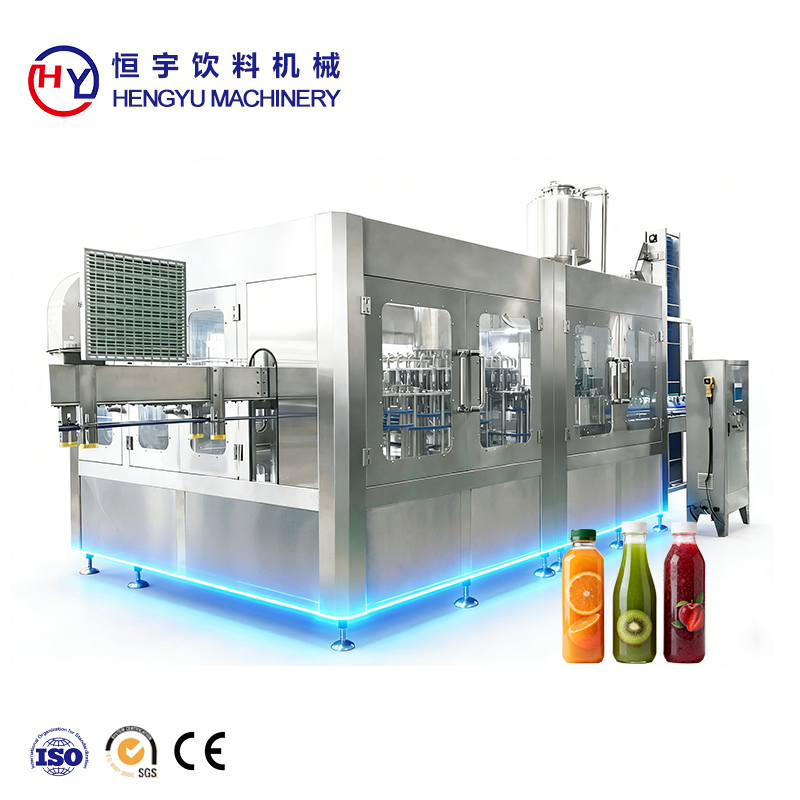
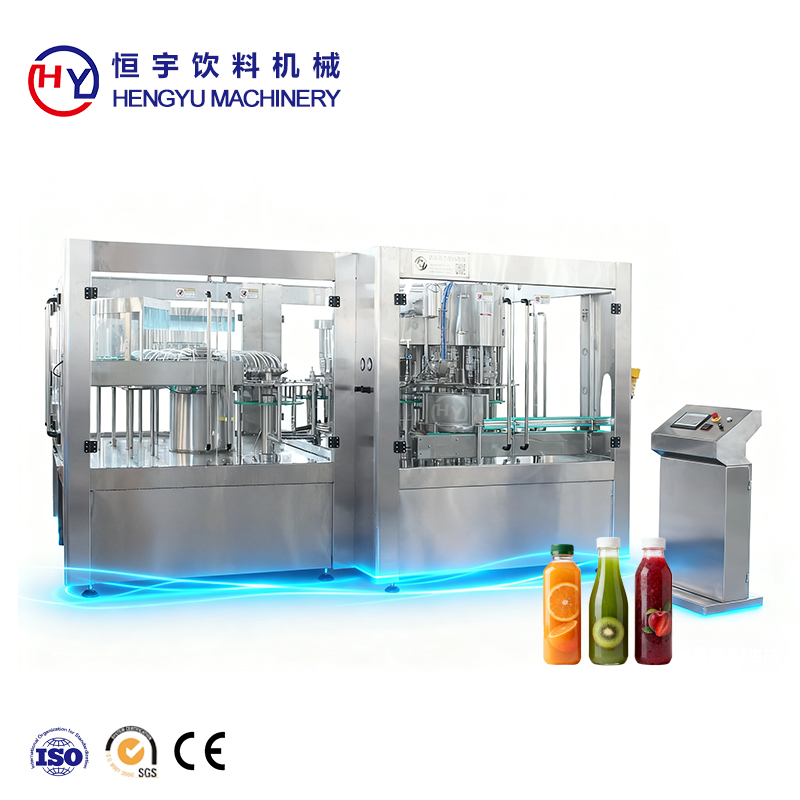
Juice Filling and Sealing Machine - Professional Beverage Packaging Solutions for Enhanced Production Efficiency

All Categories

juice filling and sealing machine

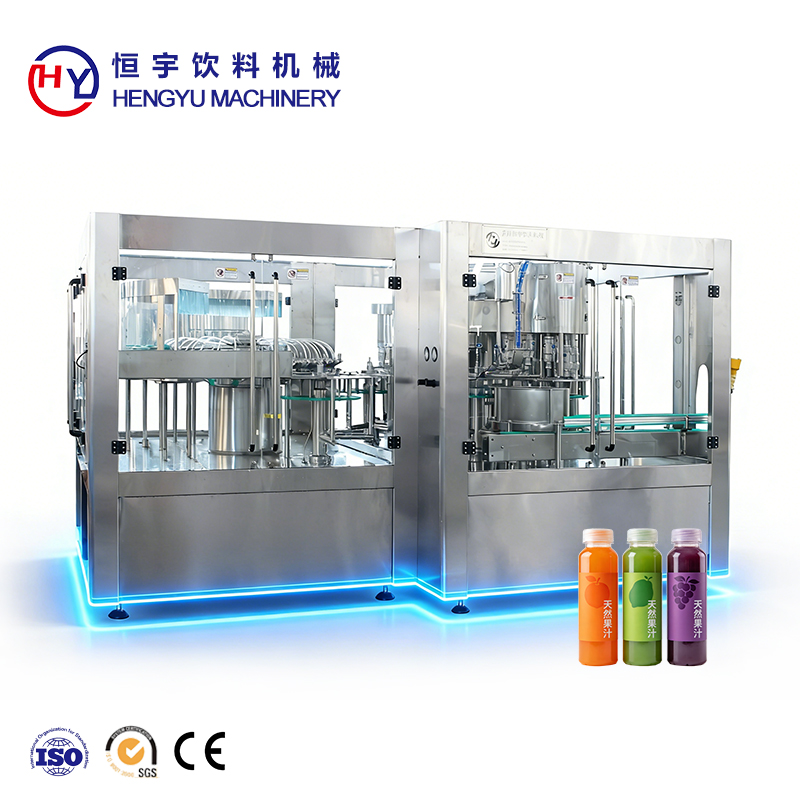
The juice filling and sealing machine represents a comprehensive packaging solution designed specifically for beverage manufacturers who need efficient, hygienic, and reliable production capabilities. This advanced equipment integrates multiple operations into a single streamlined process, handling everything from container placement to final product sealing. Modern juice filling and sealing machines accommodate various container types including bottles, pouches, cups, and cartons, making them versatile assets for production facilities of different scales. The primary functions encompass automatic bottle feeding, precise liquid measurement, controlled filling operations, cap placement, sealing verification, and finished product discharge. These machines utilize sophisticated sensor technology and programmable logic controllers to maintain accuracy throughout each production cycle. The technological architecture incorporates servo-driven mechanisms that ensure consistent performance while minimizing product waste and maximizing throughput efficiency. Temperature control systems maintain optimal conditions for different juice varieties, whether processing fresh-squeezed citrus beverages, blended fruit combinations, or concentrated formulations. Sanitation features built into the juice filling and sealing machine design include self-cleaning protocols, food-grade stainless steel construction, and minimal-contact filling nozzles that preserve product integrity. Production speeds vary according to container size and liquid viscosity, with capacity ranging from small-batch artisanal operations processing several hundred units hourly to industrial-scale facilities achieving thousands of packages per hour. The application scope extends across multiple beverage categories including cold-pressed juices, pasteurized fruit drinks, organic wellness shots, smoothie preparations, and fortified nutritional beverages. Manufacturing facilities, juice bars with bottling operations, agricultural cooperatives, export-oriented processors, and contract packaging services all benefit from implementing this technology. The machine's modular construction allows customization based on specific production requirements, available floor space, and future expansion plans, making it a practical investment for businesses at various growth stages.

Popular Products

Investing in a juice filling and sealing machine delivers substantial operational improvements that directly impact your bottom line and competitive positioning. First and foremost, these machines dramatically increase production speed compared to manual operations, allowing businesses to fulfill larger orders, meet seasonal demand spikes, and expand into new markets without proportional increases in labor costs. The precision filling mechanism eliminates overfilling waste that erodes profit margins, ensuring each container receives exactly the specified volume with accuracy typically within one percent variance. This consistency not only protects your revenue but also builds consumer trust through reliable product presentation. The automated sealing function creates airtight closures that extend shelf life significantly, reducing spoilage losses during distribution and storage while enabling longer distribution channels and export opportunities. From a quality assurance perspective, the juice filling and sealing machine minimizes human contact with the product, substantially reducing contamination risks and helping you maintain the highest food safety standards that regulators and customers demand. The equipment operates with remarkable efficiency, reducing per-unit packaging costs through optimized material usage, energy consumption, and labor allocation. Your workforce can be redeployed to value-adding activities like quality monitoring, product development, and customer service rather than repetitive manual tasks. Maintenance requirements remain manageable with accessible components, straightforward cleaning procedures, and durable construction that withstands demanding production environments. The machine adapts readily to formula changes, seasonal product variations, and new package designs, providing the flexibility modern beverage brands require to stay relevant in dynamic markets. Businesses experience faster return on investment through increased output capacity, reduced material waste, lower labor expenses, and improved product consistency that strengthens brand reputation. The professional packaging quality achieved rivals that of major beverage corporations, enabling smaller producers to compete effectively in retail environments where appearance influences purchasing decisions. Environmental benefits emerge through precise resource utilization, reduced spillage, optimized packaging material consumption, and energy-efficient operation cycles. Documentation and traceability features built into contemporary juice filling and sealing machines support compliance with food safety regulations, simplify audit processes, and provide valuable production data for continuous improvement initiatives. The reliability of automated systems reduces production disruptions, missed delivery commitments, and the stress associated with labor shortages or inconsistent manual performance.

Practical Tips

Glass Bottle Filling Machine vs Plastic Bottle Filling Machine

04

Mar

Glass Bottle Filling Machine vs Plastic Bottle Filling Machine

Material Properties Dictate Core Machine Design Glass fragility and thermal mass: why glass bottle filling machines require reinforced frames, shock-dampened conveyors, and precision neck-handling grippers Working with glass bottles means going th...
View More
Increasing Capacity in Bottled Water Production Lines

09

Mar

Increasing Capacity in Bottled Water Production Lines

Diagnosing Bottlenecks in Your Bottled Water Production Line Measuring Throughput Gaps: Bottling Speed, Changeover Time, and OEE Analysis To get a handle on where production is falling short, look at three key performance indicators. Start by compa...
View More
How Bottled Water Production Lines Maintain Product Safety

12

Mar

How Bottled Water Production Lines Maintain Product Safety

Regulatory Foundations and the Multi-Barrier Safety Framework FDA, EPA, and ISO Standards Specific to Bottled Water Production Lines The bottled water industry works within a pretty strict set of regulations. The FDA has these things called Good Ma...
View More
Can Sealing Machine Maintenance Tips

23

Mar

Can Sealing Machine Maintenance Tips

Daily and Weekly Preventive Maintenance for Your Can Sealing Machine Essential Daily Checks: Belt Tension, Sealing Bar Alignment, and Tape Head Cleanliness Starting every shift with a quick check on belt tension makes all the difference. If belts a...
View More

Get a Free Quote

Our representative will contact you soon.
Email
Name
Phone/WhatsApp
Required Product
Message
0/1000

juice filling and sealing machine

Precision Volumetric Control Technology

Precision Volumetric Control Technology

The juice filling and sealing machine incorporates advanced volumetric control technology that revolutionizes how beverages are packaged, delivering unprecedented accuracy that protects profitability while ensuring customer satisfaction. At the heart of this system lies sophisticated measurement mechanisms that calculate liquid volume through multiple methodologies including piston displacement, flow meter monitoring, or weight-based verification depending on the specific machine configuration. These precision instruments work in concert with programmable controllers that operators can adjust to exact specifications, accommodating different container sizes and product formulations without requiring mechanical modifications. The importance of this precision becomes immediately apparent when calculating the financial impact of even minor filling variations across thousands of daily production units. Overfilling by just a few milliliters per container accumulates into significant product giveaway that directly reduces profit margins, while underfilling risks regulatory non-compliance, customer dissatisfaction, and potential legal consequences. The volumetric control system eliminates these concerns through consistent performance that maintains target fill levels regardless of production speed fluctuations or minor variations in container dimensions. This technology proves especially valuable when working with premium juice products where ingredient costs are substantial, making every milliliter of controlled filling economically significant. Beyond cost savings, the precision filling capability enables accurate nutritional labeling, supports portion control for health-conscious consumers, and maintains brand integrity through uniform product presentation on retail shelves. The juice filling and sealing machine achieves this accuracy through servo-driven filling valves that respond instantaneously to control signals, anti-drip nozzles that prevent waste between filling cycles, and sensor feedback loops that verify each container receives the correct volume before proceeding to sealing. Operators appreciate the intuitive interface that allows quick recipe changes when switching between product lines, storing multiple filling parameters in system memory for instant recall. The precision extends to handling various liquid viscosities, from thin apple juice to thick smoothie preparations, with automatic adjustments compensating for flow rate differences. This adaptability means a single juice filling and sealing machine can service diverse product portfolios without compromising accuracy across the range. Quality assurance personnel gain confidence from built-in verification systems that flag any filling anomalies, automatically reject non-conforming units, and maintain detailed production logs for traceability purposes.
Hygienic Design and Sanitation Excellence

Hygienic Design and Sanitation Excellence

Modern juice filling and sealing machines prioritize hygienic design principles that address the critical food safety challenges inherent in beverage production, incorporating features that prevent contamination, simplify cleaning procedures, and support regulatory compliance across international markets. The construction utilizes food-grade stainless steel throughout product contact surfaces, selected specifically for its non-reactive properties, corrosion resistance, and ability to withstand repeated sanitization cycles without degradation. Surface finishes receive special attention, with polished interiors that eliminate crevices where bacteria might accumulate and smooth transitions between components that prevent product buildup during extended production runs. The filling nozzles employ designs that minimize air exposure during the transfer process, reducing oxidation that degrades flavor profiles and nutritional content while limiting opportunities for airborne contaminants to enter containers. Many juice filling and sealing machines incorporate clean-in-place systems that automate sanitation protocols, circulating cleaning solutions through product pathways without requiring complete disassembly, dramatically reducing downtime between production batches and ensuring thorough coverage of all internal surfaces. This automation removes the variability associated with manual cleaning procedures, where thoroughness depends on individual worker diligence and technique. The sealed construction of critical components protects against environmental contamination from production facility dust, condensation, or accidental contact during operation. Drip trays and drainage systems immediately remove any spillage, preventing pooling that could harbor microbial growth or attract pests. The importance of these hygienic features becomes paramount when producing fresh, unpasteurized juices or cold-pressed varieties that lack the microbial kill steps of heat-treated products, making contamination prevention the primary safety strategy. Regulatory bodies worldwide impose strict standards for beverage processing equipment, and the juice filling and sealing machine design anticipates these requirements through documentation support, validation protocols, and construction standards that meet FDA, EU, and other international guidelines. For businesses pursuing organic certification, kosher designation, or other specialized credentials, the sanitation capabilities provide essential supporting evidence during audit processes. The economic value extends beyond compliance, as effective sanitation directly correlates with product shelf life, recall risk reduction, and brand reputation protection. Consumers increasingly scrutinize food safety practices, and companies that demonstrate commitment to hygiene through professional equipment investments gain competitive advantages in trust-sensitive markets. The cleaning efficiency translates to reduced water consumption, lower chemical usage, and minimized environmental impact compared to less sophisticated systems requiring extensive manual intervention.
Versatile Container Compatibility and Format Flexibility

Versatile Container Compatibility and Format Flexibility

The exceptional versatility of contemporary juice filling and sealing machines addresses a fundamental challenge facing beverage producers: the need to serve diverse market segments with varying package preferences while maintaining operational efficiency and controlling capital investment. This flexibility manifests through adjustable components that accommodate different container materials including glass bottles, PET plastic bottles, flexible pouches, rigid cups, gable-top cartons, and specialty shapes that differentiate premium brands. The machine achieves this adaptability through tool-less changeover systems that operators can adjust within minutes rather than hours, utilizing sliding guides, pneumatic clamps, and modular filling heads that reposition to match container dimensions. This rapid changeover capability proves invaluable for businesses operating in markets where consumer preferences shift seasonally, where retailers demand multiple size options, or where product testing requires small-batch flexibility before full-scale production commitments. The juice filling and sealing machine handles volume ranges from single-serving shots of concentrated wellness juices through family-size multi-liter containers, providing the span necessary to address different consumption occasions and price points within a single production facility. Container shape compatibility extends to handling both symmetrical designs and asymmetric specialty bottles that create shelf appeal, with adjustable centering mechanisms ensuring accurate positioning regardless of base configuration. The sealing systems similarly demonstrate versatility, applying screw caps, snap lids, foil seals, heat-sealed films, or combination closures depending on product requirements and marketing strategies. This flexibility eliminates the need for multiple dedicated machines, dramatically reducing capital expenditure, floor space requirements, and maintenance complexity while simplifying operator training across product lines. Businesses gain the agility to respond quickly to market opportunities, whether introducing limited-edition flavors in distinctive packaging, fulfilling private-label contracts with customer-specific containers, or testing export markets with region-appropriate formats before establishing dedicated production lines. The economic advantages compound over time as the juice filling and sealing machine continues serving evolving business needs rather than becoming obsolete when packaging trends change or product portfolios expand. The versatility extends to processing different juice characteristics including pulp-containing products, carbonated formulations, and beverages with particulate inclusions, with filling parameters adjustable to prevent separation, maintain carbonation, or ensure even distribution of functional ingredients. This comprehensive capability transforms the equipment from a single-purpose machine into a strategic production asset that supports business growth across multiple dimensions simultaneously.