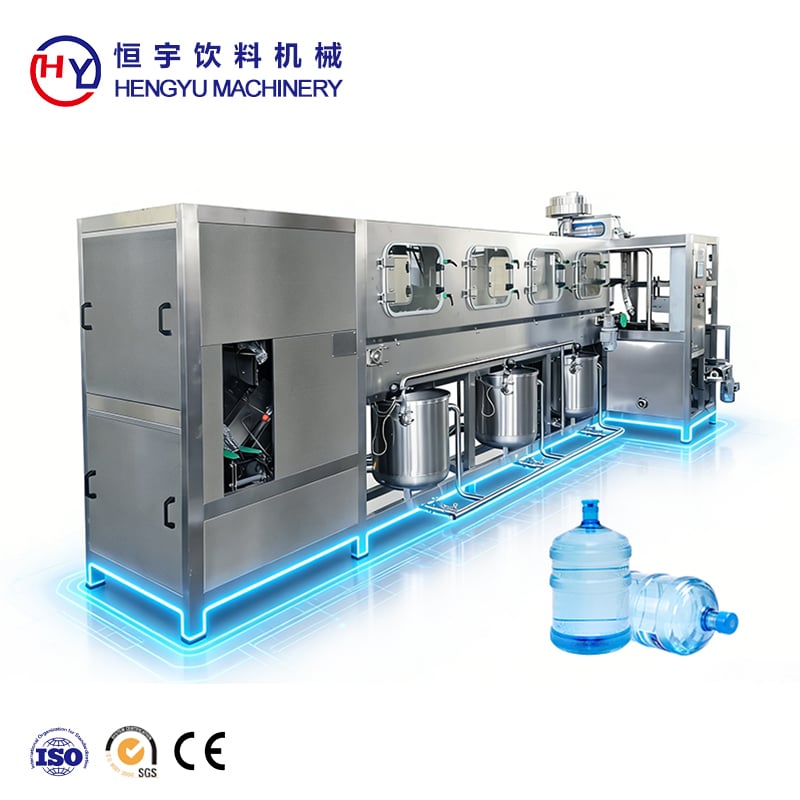
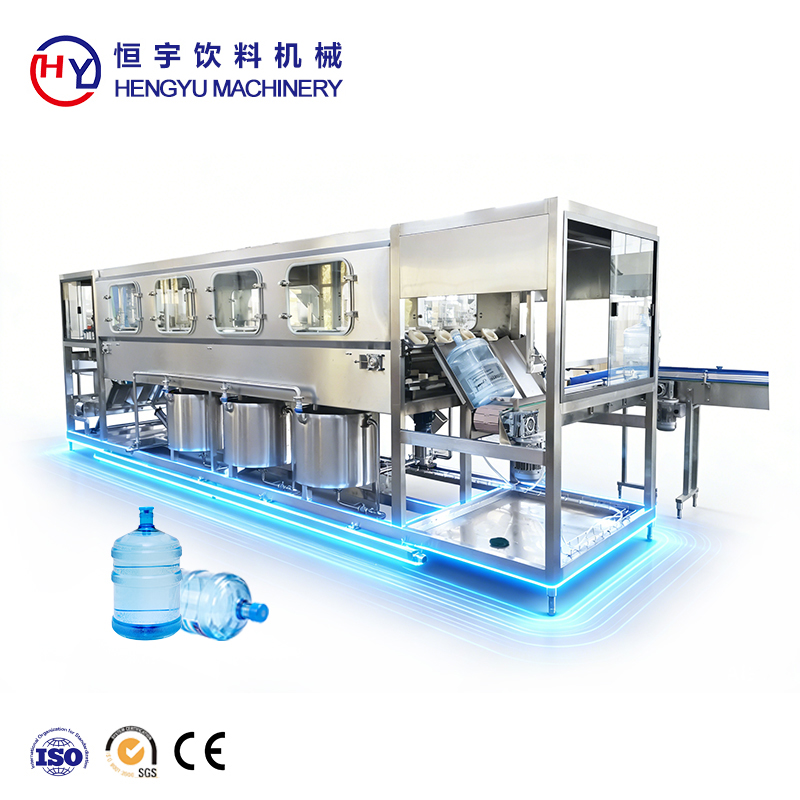
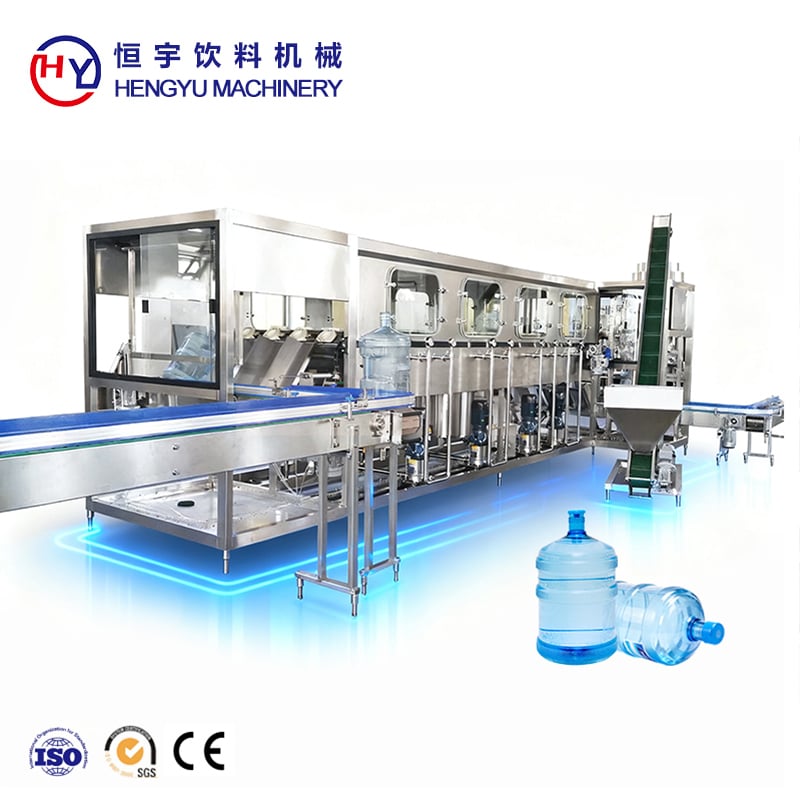
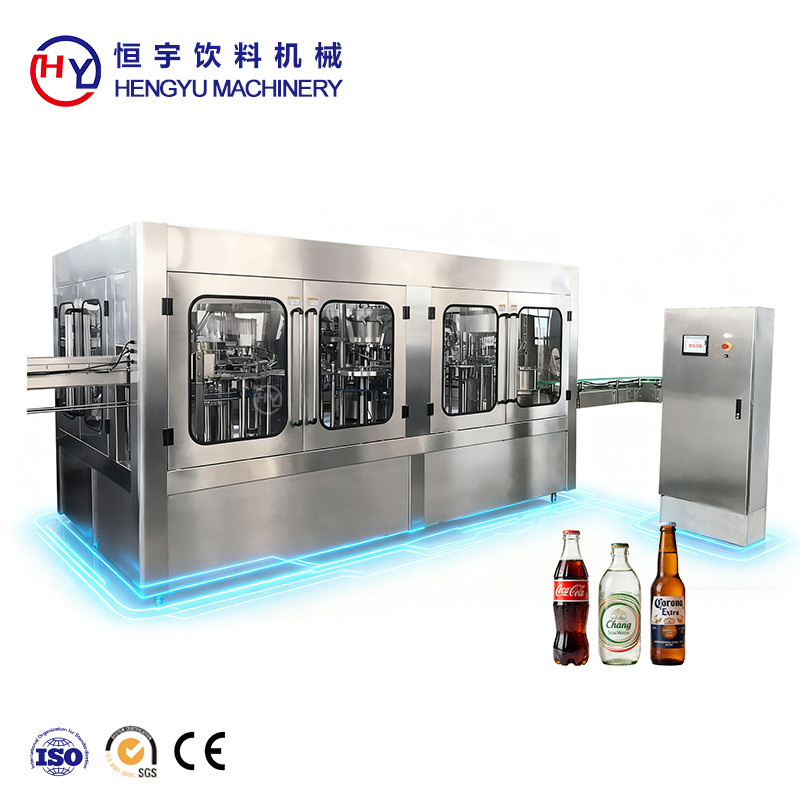
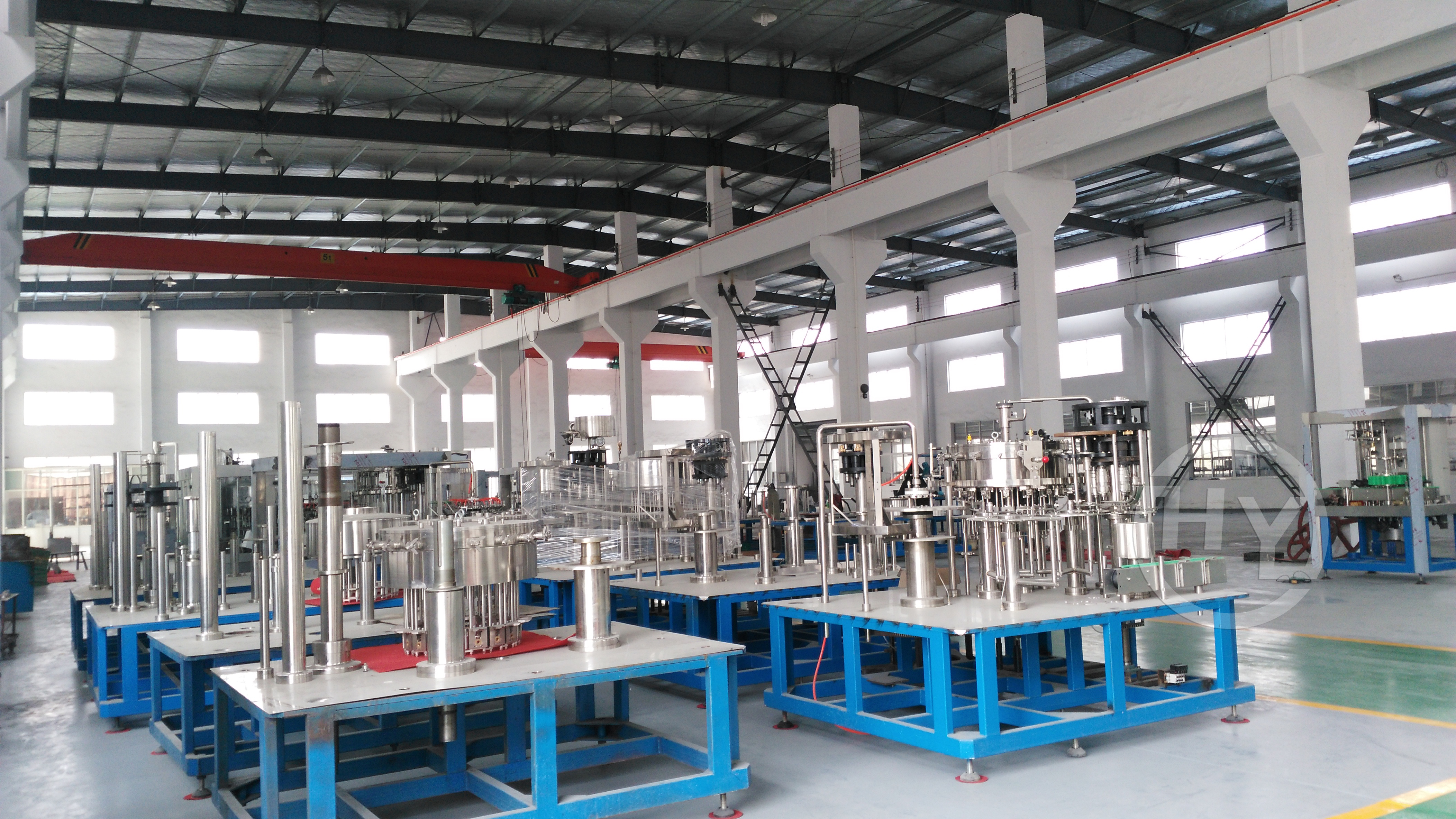
Zhangjiagang Hengyu Beverage Machinery Co., Ltd. nūper expēditōnem et impācātiōnem līnae imbibendī bibendī carbonātī 5 000 BPH ad clientem in Āfricā Austrāle perfēcit.
Hoc opus machīnam imbibendī bibendī carbonātī, systema miscendī bibendī, machīnam dispōnendī fīālārum et instrumenta auxiliāria adiuncta comprehendit. Postquam instrumenta in fabricā Hengyu coniūncta et parāta erant, māchinae praecipuae et unitātēs auxiliāriae cūrātē dēfēnsae, in basibus idōneīs collocātae et in continēns ad trānsportandum ad locum clientis onerātae sunt.
Hoc commeatum alterum est proiectum productionis bibendorum a Hengyu ad mercatum Africanum suppeditatum. Quod multo magis valet, hoc proiectum machinarum pro bibendis reflectit rationem societatis: coordinare principales gradus productionis ut unum integrum systema, non autem singulas machinas suppeditare sine consideratione quomodo simul operabuntur.
Practicum Solutionem 5 000 BPH pro Bibendis Gasatis
Productio bibendorum gasatorum peculiaria requirit in configuratione instrumentorum. Contra quam in impletione aquae stillatae, productio bibendorum gasatorum exactam coordinationem inter praeparationem bibendi, carbonationem, regulandam pressionem et impletionem postulat.
Custos capacitatem productionis fere 5 000 buticarum per horam elegit. Haec productio practicum aequilibrium inter automationem, efficaciam productionis, spatium fabricae et investituram proiectus praebet. Id aptum est ad societates bibendarum quae stabilem productionem commercialem necessitant, absque statim instituendo linea valde magnae capacitates.
Pro Hengyu numerus capacitatibus est tantum punctum initiale proiecti. Arrangementum instrumentorum reale etiam considerare debet compositionem potus, specificata butyli, necessitates carbonationis, dispositionem fabricae et processum imballandi propositum.
His factoribus simul consideratis, linea productiva configurari potest ut fluxum materiae levigatorem a praeparatione potus ad alimentationem butyli et implentionem sublevet.
Praeparatio Potus et Impletio Coordinata
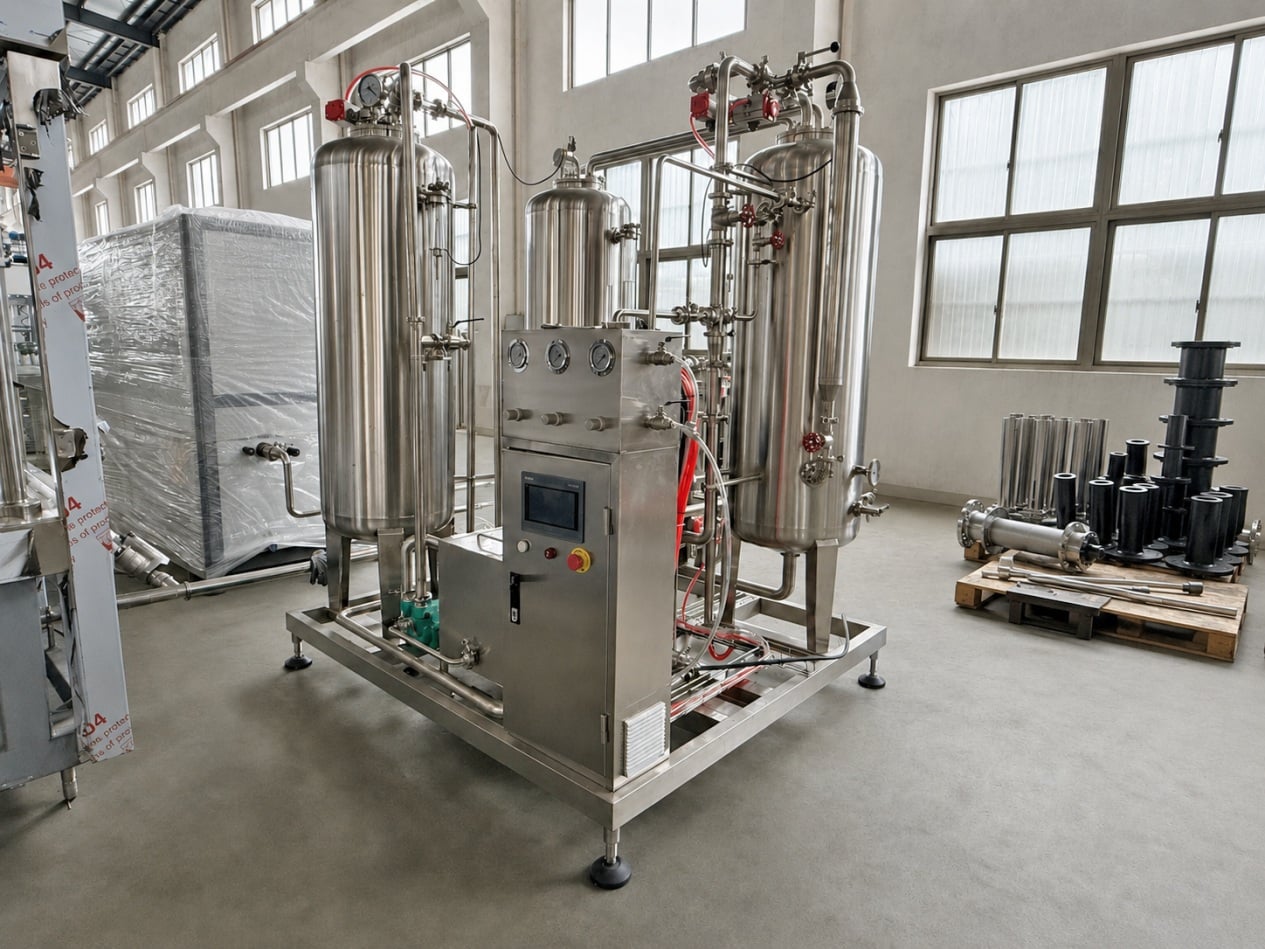
Systema miscendi potus pars importantissima est lineae quae pro hoc proiecto Africanae Australis suppeditatur.
In productione potuum carbonati, aqua tractata, sirupus et dioxide carbonis sub conditionibus regulatis parari debent antequam potus perfectus in machinam implendam ingrediatur. Conditiones stabiles praeparationis ad qualitatem potus constantem retinendam iuvant et suppetiam producti fidelis pro implentione continua praebent.
Systema miscendi et machina implendi ideo opus est ut operentur ad capacitates compatibiles. Si suprascripta suppeditatio potus instabilis est, sectio implendi intermissiones experiri potest. Si processus implendi non recte ad characteristics producti carbonati accommodatur, effoetescens exsuperans vel amissio inutilis dioxidii carbonici accidere potest.
Linea 5 000 BPH ut systema coordinatum planata est, ut sectio miscendi requisita operativa machinae principalis implendae sublevari possit.
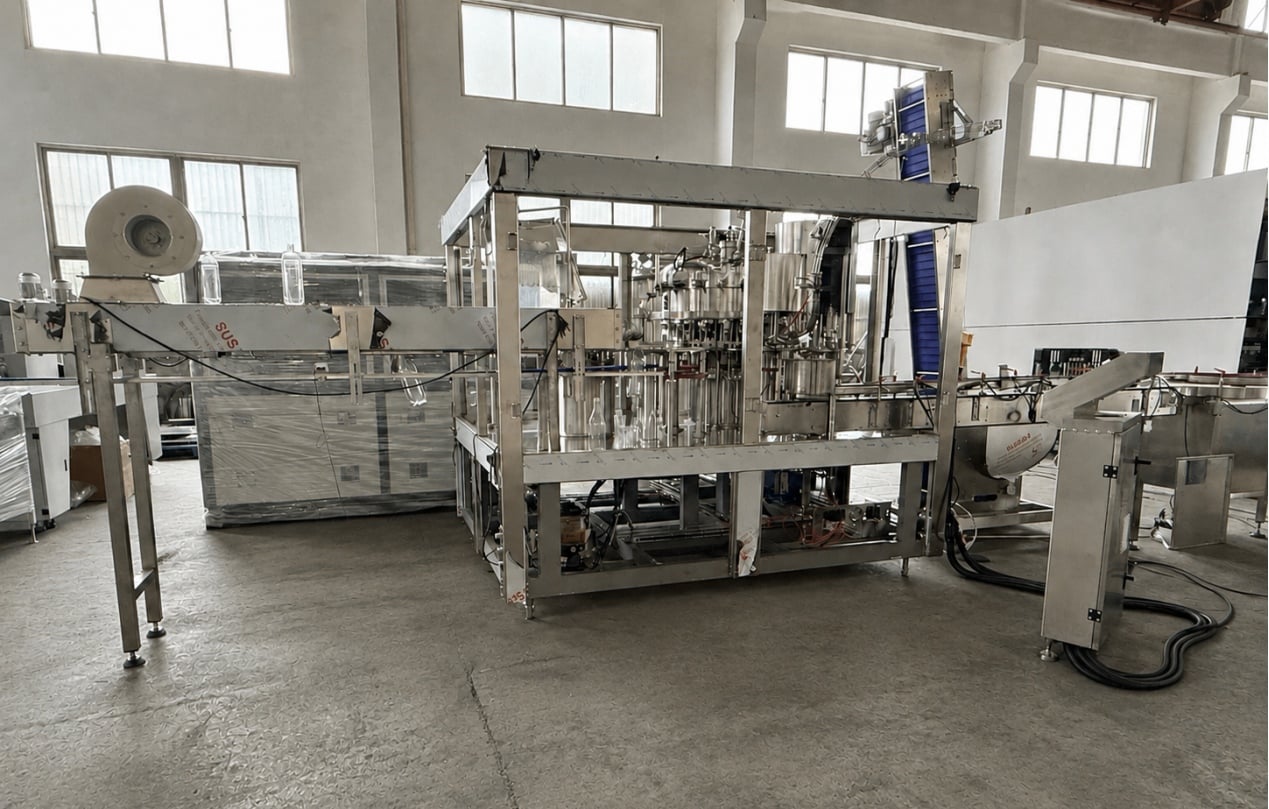
In centro huius operis est machina implendi potus carbonati. Eius functio non solum est ut potum in phialam coniciat, sed etiam ut condiciones implendi idoneas pro producto continente dioxidium carbonicum dissolutum servet.
Stabilitas pressionis in hoc gradu praesertim importans est. Processus implendi potus carbonati recte configuratus adiuvat ut effoetescens exsuperans minuatur, constantia implendi melior sit, et motus stabilis phialarum per machinam subleventur.
Constructio ex acciaio inox maini instrumenti ad usum in aedibus pro productione potuum destinata est et structuram practicam praebet pro operatione cotidiana, purgatione et custodia.
Alimentatio Automatice Phialarum Lineam Continuitatem Meliorat
Projectum etiam includit disordinatorem phialarum, qui phialas vacuas ad lineam productionis ordinate et continue suppeditat.
Antequam phialae ad sectionem implendam perveniant, recte ordinandae sunt et in convectorem transferendae. Si unice in dispositione phialarum manu confidatur, laboris necessitas augetur et suppletio phialarum inaequalis efficitur, praesertim cum linea productionis continue operetur.
Disordinator phialarum hanc dependentiam ab alimentatione manu facta minuit. Phialas vacuas ordinat et ad instrumenta postea sita ratione moderata mittit.
Licet alimentatio per vascula ante principalem processum implendi fiat, tamen directe influat in efficaciam totius lineae. Defectus vasculorum potest machinam implentem retardare aut sistere, dum alimentatio instabilis potest ad inutilem accumulationem vasculorum ducere.
Per aptationem disordinatoris vasculorum ad capacitem implendi 5 000 vascula per horam, linea fluxum constantiorem ab initio processus productionis servare potest.
Componentes transportantes et connexi quoque sunt importunes. Hi sectiones alimentationis vasculorum, implendi et subsequentes inter se coniungunt et adiuvant ut vasa inter machinas leniter moveantur.
Dispositio finalis postea cum machinis ad appositionem titulorum, inscriptionem codicum et imballationem secundariam iungere poterit, secundum formam vasculorum a cliente electam et exigitas mercati.
Planificatio Lineae Completae Minuit Difficultates Installationis
Projectum productionis potabilium plus est quam simpliciter plures machinas in fabrica collocare.
Positio cuiusque machinae spatium sufficiens ad operationem, purgationem et custodiam permittere debet. Connexiones electricae, ductus productorum, aeris compressi, effluentium et transvectionis quoque ante installationem considerandae sunt.
Si haec particulae in prima planificationis parte negleguntur, fortasse cliens inveniet accessum ad instrumenta esse restrictum aut diversas machinas post deliversionem efficaciter coniungi non posse.
Hengyu igitur relationem inter capacitates instrumentorum, dimensiones machinarum et fluxum productionis considerat dum configurationem lineae parat.
In hoc proiecto Africani Australis, machina implendi potiones gassatas, systema miscendi et dispositio resolvendi ampullas electae sunt ut partes principales unius processus productivi coordinati. Haec adiuvat clientem praeparare aream installationis et utilitates subsidiares secundum planum generale clarius.
Eadem ratio etiam flexibilitatem pro futura dilatione praebet. Cum postulata productionis augentur, clientes adiciere possunt apparatus pro appositione titulorum, constringendo per plasticum, congerendo in cistas, aut alios apparatus inferiores secundum spatium officinae disponibilem et postulationem mercati.
Pacatio Defensiva pro Transporte Transmarino
Cum apparatus iam paratus erat ad mittendum, Hengyu processum pacationis defensivae et onerandi in continentes coepit.
Imagines supplicatae machinam in diversis preparationis gradibus ostendunt. Apparatus integer primo in officina positus est, dum unitas principalis implendi postea pellicula defensiva circumdatus et super basim ligneam collocatus est.
Pacatio defensiva adiuvat ut expositio ad pulverem et humorem minuatur et protectionem additam superficiei ex acrio inoxidabili durante manupulatione et transportu praebet. Motores separati, accessoria et unitates auxiliares etiam ante onerationem ordinati sunt.
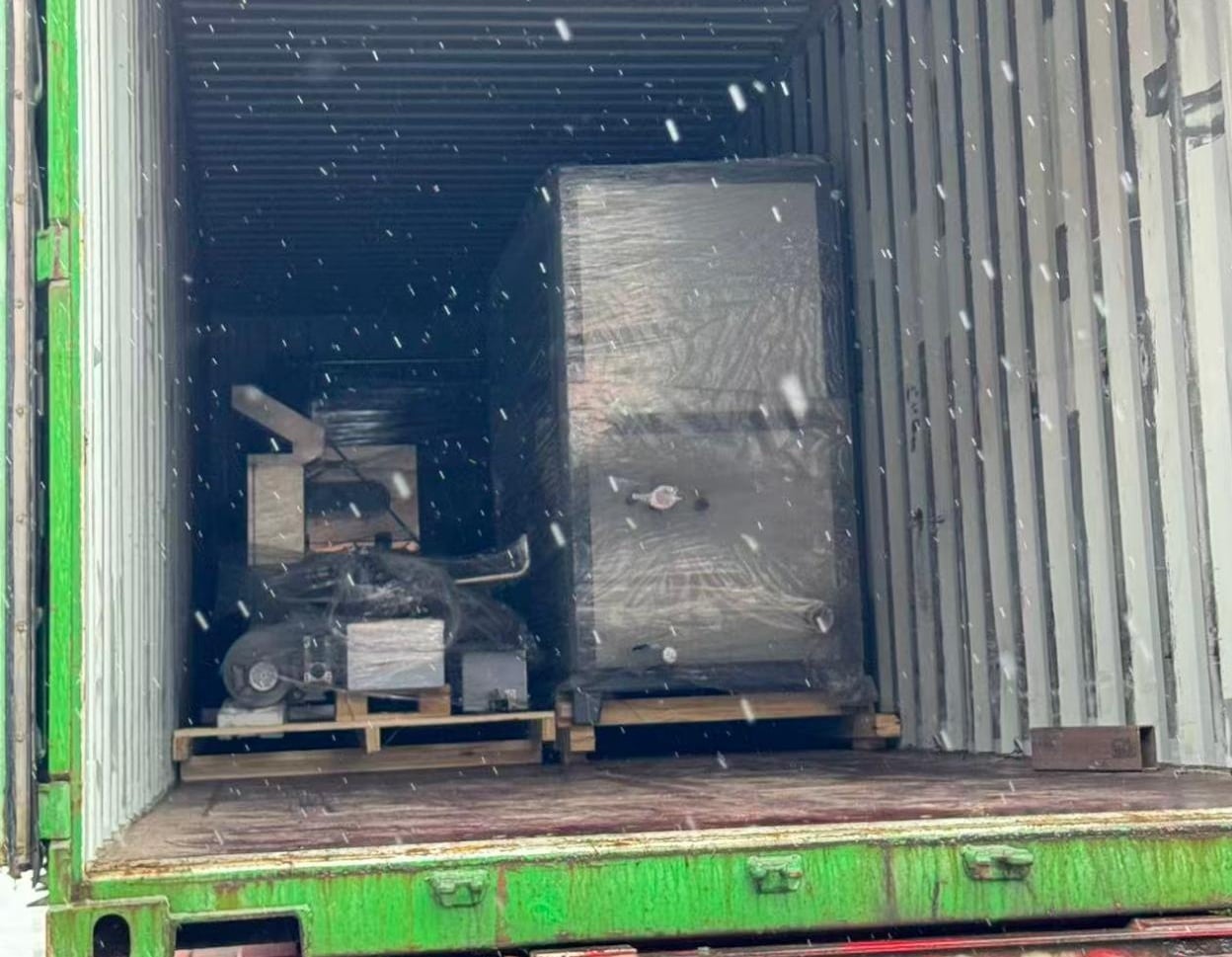
Machinae deinde in continenti navali secundum dimensiones et distributionem ponderis collocatae sunt. Aptus locus est magni momenti, quia merces internationalis vibrationes et frequentem tractationem per totum iter pati potest.
Cauta impacatio et oneratio motum inutilem intra containerem minuunt et structuras principales machinarum, partes electricas, tubos et partes auxiliares protegunt.
Postquam apparatus in Africam Australem pervenerit, cliens machinas exponere et collocare potest secundum dispositum schematismum fabricae.
Subsidium Continuum Post Adventum Apparatus
Completio onerationis continenti navali est miliaris petra magni momenti in proiecto, sed cooperatio non desinit cum navis officina exierit.
Postquam adfecta fuerit distributio, instrumentum in loco productionis clientis collocandum, connectendum et ad operationem parandum erit. Haec pars potest includere adaptationem convectorum, connexionem utilitatum, installationem tuborum et praeparationem phialarum, operculorum, ingredientium bibendorum et materiarum impachandarum.
Hengyu continuabit communicationem technicam et subsidium proiecti secundum postulationes clientis praebere.
Uti phialis veris et materialibus productionis clientis dum instrumentum in usum ducitur magni momenti est, quia adaptationes instrumenti debent conditiones ultimae phialae, operculi et bibendi reflectere. Hoc adiuvat ut linea productionis ad producta quae cliens fabricare intendit parata esse possit.
Communicatio clara inter suppeditatorem instrumenti et fabricatorem bibendorum igitur per totam installationem et praeparationem productionis necessaria est.
Amplificatio Cooperationis de Machinis Bibendarum in Africa
Petitio potum localiter fabricatorum continet opportunitates pro fabricatoribus potuum in mercatis Africanis.
Pro societatibus quae novum opus instituere volunt, linea automata mediocris capacitas praebere potest fundamentum practicum ad productionem commercialem. Potest continuatum productionis meliorare, dependentiam a manualem tractationem minuere et spatium creare pro futura incremento negotii.
Translatio huius lineae implendi potuum gassatorum 5 000 BPH demonstrat facultatem Hengyu ut clientes sublevet cum coordinatis instrumentis ad praeparationem potuum, tractationem flasconum et implendum.
Zhangjiagang Hengyu Beverage Machinery Co., Ltd. supplet machinas et solutiones lineae productionis completas pro aqua in flasconibus, potibus gassatis, sucos, potibus the, potibus in laris et aliis productis liquidis. Configurationes instrumentorum ad normam accommodari possunt secundum genus potus, vasculum, capacitatem requisitam, conditiones fabricae et formam impachetandi.
Incipe tuum opus potuum gassatorum cum Hengyu
Planneis novam fabricam potiōnum an lineam productionis iam exstantem meliorāre? Mitte Hengyu informationem prīmāriam de prōiectō tuō:
·Genus potiōnis tuae et specificātiōnēs vasis
·Capacitās horāria quaesita productionis
·Modus praeferrēns adponendī lābēllos et impācandī
Nōstrum ūnum ūniversum cōnsiliārium aestimābit necessitātēs productionis tuārum et parābit aptam cōnfigūrātiōnem machīnārum pro prōiectō tuō.
 Nuntii Calidi
 CN
CN