Reduced Operating Costs Through Efficiency and Automation
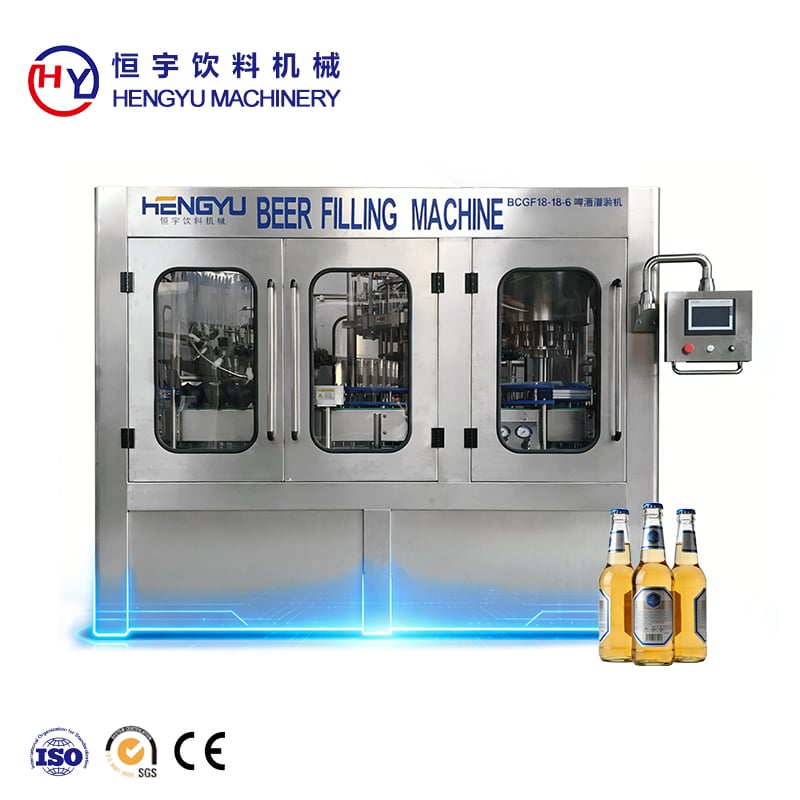
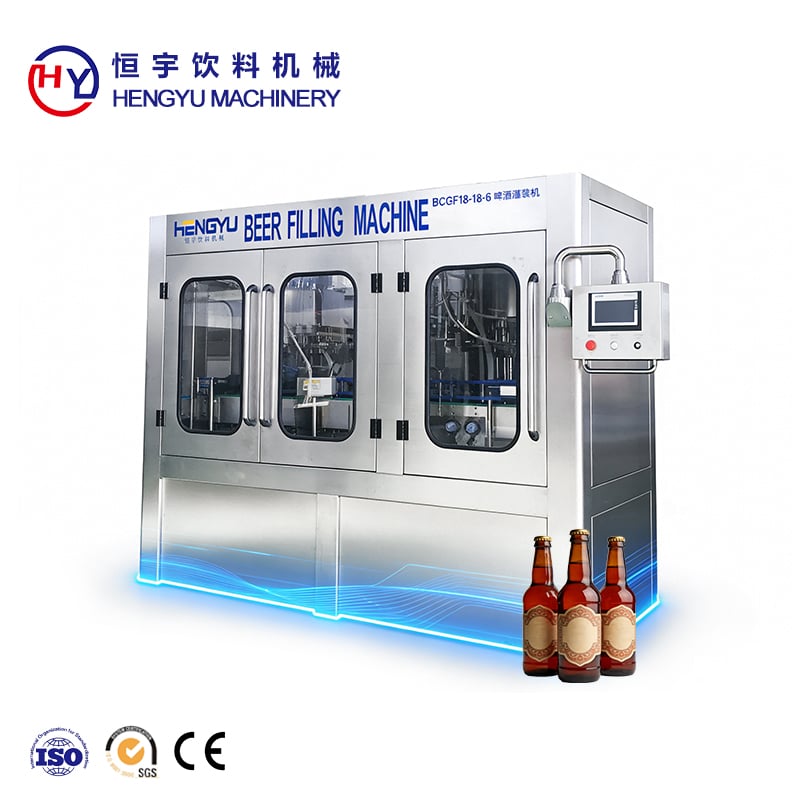
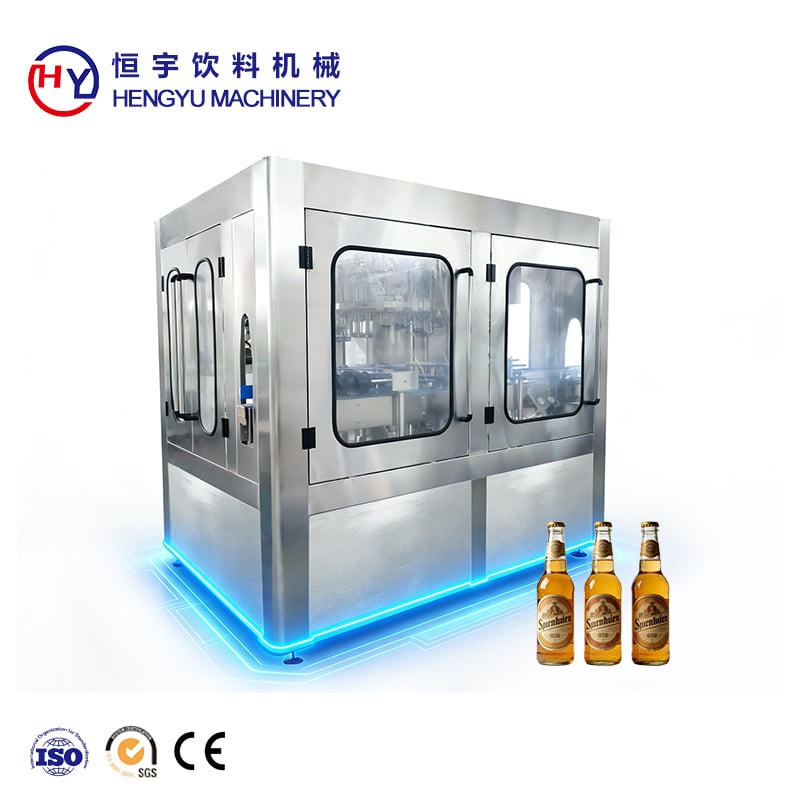
The financial case for implementing an automatic beer bottle filler extends far beyond the initial capital investment, encompassing substantial ongoing operational savings that accumulate over the equipment's service life. Labor cost reduction represents the most immediately visible benefit, as automated systems require significantly fewer operators per bottle filled compared to manual or semi-automatic alternatives. A single technician can often supervise an automatic beer bottle filler producing thousands of bottles hourly, whereas achieving equivalent output manually would require a team of workers dedicated solely to filling tasks. This labor efficiency compounds over time, with savings in wages, benefits, training costs, and HR administration. The automatic beer bottle filler also reduces product loss through multiple mechanisms, starting with precise fill control that eliminates overfilling while maintaining customer satisfaction. Reduced oxygen exposure during filling extends beer shelf life, decreasing the percentage of product that degrades before sale and minimizing costly returns or discounts on aging inventory. Automated quality checks integrated into the automatic beer bottle filler identify and reject defective bottles before they consume additional packaging materials like caps, labels, and cases, preventing waste multiplication downstream. Energy efficiency has improved dramatically in recent automatic beer bottle filler generations, with variable frequency drives that adjust motor speeds to match actual demand rather than running continuously at maximum capacity. Modern systems incorporate heat recovery mechanisms that capture thermal energy from cleaning cycles and repurpose it for subsequent operations, reducing utility consumption. Water usage, a significant expense and environmental concern for breweries, decreases through optimized cleaning-in-place protocols that the automatic beer bottle filler executes with mathematical precision, using minimum volumes and temperatures necessary for effective sanitation. Maintenance costs remain predictable and manageable with proper preventive care, and the automatic beer bottle filler diagnostic systems identify developing issues before they cause failures, enabling scheduled repairs during planned downtime rather than emergency interventions that disrupt production and incur premium service charges. The data analytics capabilities of modern automatic beer bottle filler equipment reveal inefficiencies and optimization opportunities that might remain hidden in manual operations, supporting continuous improvement initiatives that compound savings over time. Reduced breakage represents another cost advantage, as automated handling systems treat bottles more consistently and gently than variable human handling, decreasing loss of both product and packaging materials. Insurance costs may decrease as well, since automatic beer bottle filler installations reduce workplace injury risks associated with repetitive motion and heavy lifting. The quality consistency delivered by automated filling supports premium pricing strategies, as consumers recognize and value reliability, enabling better margins than would be achievable with variable manual filling. Scalability advantages emerge as production volumes grow, with the automatic beer bottle filler accommodating increased demand through extended operating hours or additional shifts rather than requiring proportional increases in workforce size. Finally, the professional image projected by automated packaging operations enhances brand perception among distributors, retailers, and consumers, potentially opening doors to premium placement and partnerships that drive revenue growth exceeding the direct cost savings.

 CN
CN