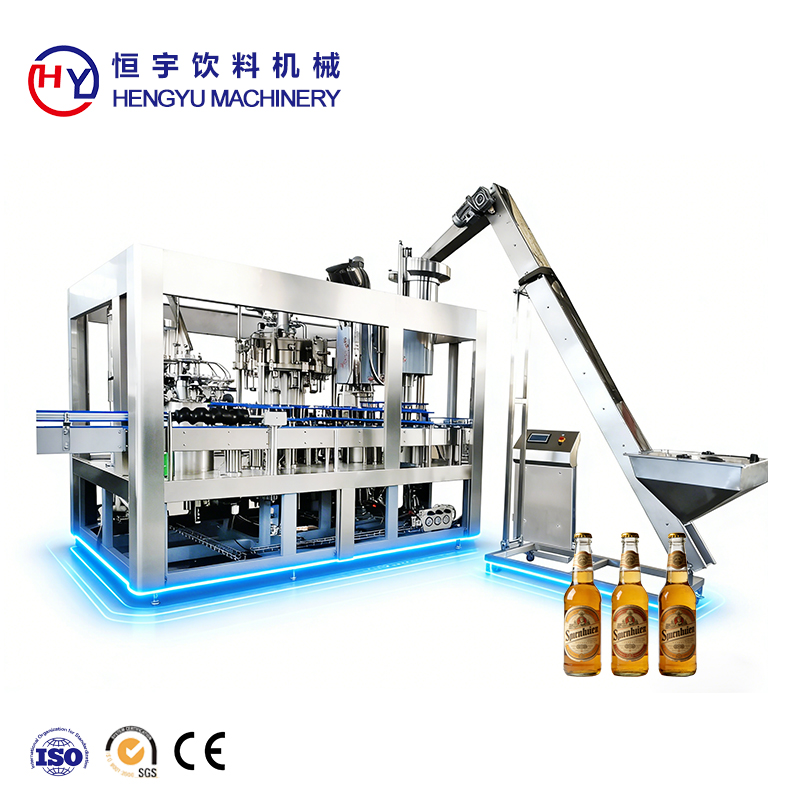
Automatic Beer Glass Filler Systems - Precision Dispensing Technology for High-Volume Venues

All Categories

automatic beer glass filler

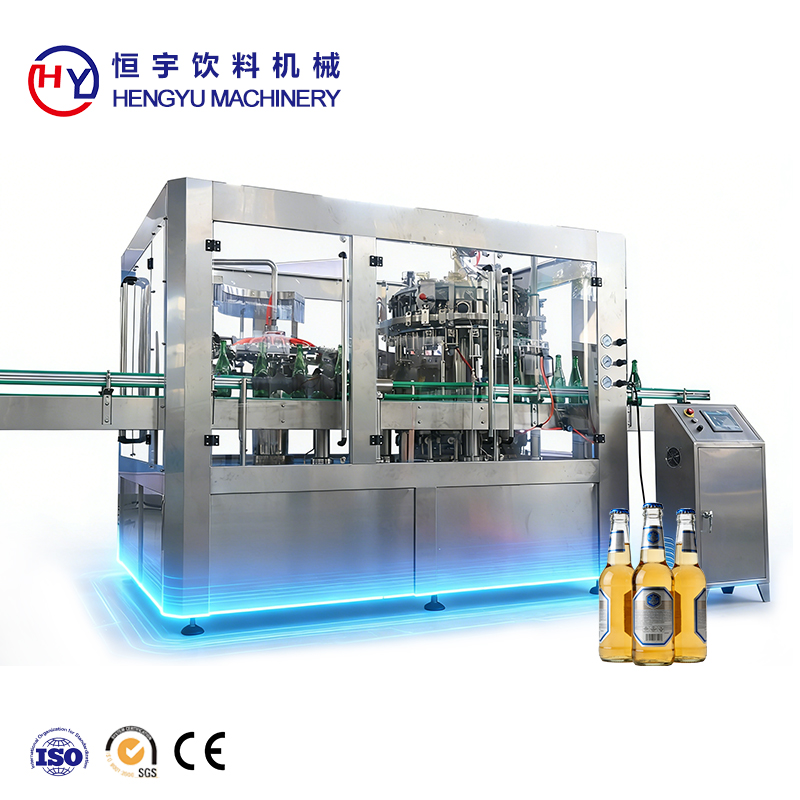
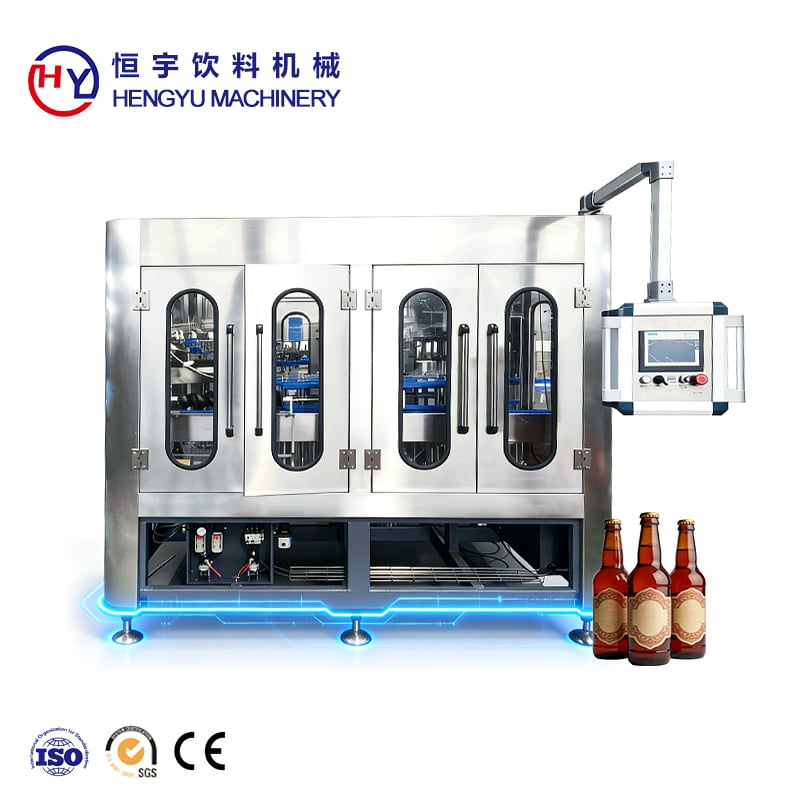
The automatic beer glass filler represents a revolutionary advancement in beverage dispensing technology, designed to streamline the beer serving process in high-volume establishments such as bars, restaurants, stadiums, breweries, and entertainment venues. This sophisticated equipment combines precision engineering with user-friendly operation to deliver consistent, perfectly poured beer with minimal human intervention. At its core, the automatic beer glass filler utilizes advanced sensor technology that detects when a glass is placed beneath the dispensing nozzle, triggering an automated filling sequence that controls both the flow rate and volume of beer dispensed. The system incorporates programmable settings that allow operators to customize pour sizes, adjust foam levels, and manage multiple beer types simultaneously. One of the primary technological features includes bottom-up filling mechanisms in many models, which reduces foam generation and minimizes waste while maintaining the beer's carbonation and flavor profile. The equipment typically features food-grade stainless steel construction, ensuring durability and compliance with health standards. Modern automatic beer glass fillers integrate seamlessly with point-of-sale systems, enabling accurate inventory tracking and sales reporting. The application scope extends beyond traditional bars to include self-service beer walls, outdoor festivals, corporate events, and sports arenas where speed and efficiency are paramount. These systems can handle various glass sizes and beer styles, from light lagers to heavy stouts, adapting the dispensing parameters accordingly. The automatic beer glass filler significantly reduces labor costs by allowing staff to focus on customer service rather than repetitive pouring tasks. Installation flexibility accommodates different venue layouts, with options for countertop, under-counter, or wall-mounted configurations. Maintenance requirements are minimal, with most systems featuring easily accessible components and automated cleaning cycles that ensure hygiene standards are consistently met throughout operational hours.

New Products

Implementing an automatic beer glass filler transforms beverage service operations by delivering measurable improvements across multiple performance dimensions. First and foremost, these systems dramatically increase serving speed, enabling venues to serve customers up to three times faster than traditional manual pouring methods. This acceleration directly translates to higher customer satisfaction, reduced wait times, and increased revenue potential during peak hours when every second counts. The precision dispensing capability eliminates overpouring and spillage, two common sources of profit loss in beverage service. By delivering exact portions every single time, establishments recover significant product waste that typically amounts to five to ten percent of total beer sales in manually operated systems. This waste reduction alone can justify the equipment investment within months of installation. Staff productivity receives a substantial boost because employees no longer need specialized training in proper pouring techniques or constant supervision to maintain quality standards. New team members become immediately productive, reducing training time and associated costs while ensuring consistent service quality regardless of staff experience levels. The automatic beer glass filler creates a more hygienic serving environment by minimizing human contact with dispensing points and reducing contamination risks. Automated cleaning cycles maintain sanitation standards without requiring extensive manual labor, ensuring compliance with health regulations while freeing staff for other responsibilities. Customer experience improves noticeably as patrons receive perfectly poured beer with optimal foam heads and proper carbonation levels every time, enhancing taste perception and overall satisfaction. The systems provide valuable data analytics, tracking pour volumes, peak service times, and product movement patterns that inform inventory management and business strategy decisions. Energy efficiency is built into modern designs, with many models featuring insulated components that maintain proper serving temperatures while reducing cooling costs. The equipment footprint is optimized for space-constrained environments, maximizing serving capacity without requiring extensive bar reconfigurations. Long-term operational costs decrease substantially compared to traditional systems, with reduced labor requirements, lower product waste, and minimal maintenance needs creating favorable total cost of ownership. Environmental benefits emerge through decreased water usage during cleaning processes and reduced waste generation from spillage and overpours. The professional appearance of automated dispensing systems elevates brand perception, positioning establishments as modern, efficient operations that value both quality and customer convenience.

Latest News

Glass Bottle Filling Machine vs Plastic Bottle Filling Machine

04

Mar

Glass Bottle Filling Machine vs Plastic Bottle Filling Machine

Material Properties Dictate Core Machine Design Glass fragility and thermal mass: why glass bottle filling machines require reinforced frames, shock-dampened conveyors, and precision neck-handling grippers Working with glass bottles means going th...
View More
Increasing Capacity in Bottled Water Production Lines

09

Mar

Increasing Capacity in Bottled Water Production Lines

Diagnosing Bottlenecks in Your Bottled Water Production Line Measuring Throughput Gaps: Bottling Speed, Changeover Time, and OEE Analysis To get a handle on where production is falling short, look at three key performance indicators. Start by compa...
View More
Troubleshooting Can Filling Machine Production Issues

21

Mar

Troubleshooting Can Filling Machine Production Issues

Power, Control, and Electrical Faults in Can Filling Machines Machine won't power on: main supply, fuses, and emergency stop circuit checks If the can filling machine won't start at all, the first thing to do is check whether the main power supply ...
View More
Can Sealing Machine Maintenance Tips

23

Mar

Can Sealing Machine Maintenance Tips

Daily and Weekly Preventive Maintenance for Your Can Sealing Machine Essential Daily Checks: Belt Tension, Sealing Bar Alignment, and Tape Head Cleanliness Starting every shift with a quick check on belt tension makes all the difference. If belts a...
View More

Get a Free Quote

Our representative will contact you soon.
Email
Name
Phone/WhatsApp
Required Product
Message
0/1000

automatic beer glass filler

Precision Volume Control and Waste Elimination Technology

Precision Volume Control and Waste Elimination Technology

The automatic beer glass filler incorporates sophisticated volumetric control systems that represent a quantum leap forward in dispensing accuracy and profitability protection. Unlike conventional manual pouring that relies heavily on bartender skill and attention, these automated systems utilize flow meters, pressure sensors, and programmable logic controllers to deliver exact predetermined volumes with accuracy levels exceeding ninety-nine percent. This precision engineering addresses one of the most persistent challenges in beverage service: the hidden profit drain caused by inconsistent portions and spillage. When bars rely on manual pouring, even experienced staff inevitably create variations in serving sizes, with some pours falling short while others exceed the target volume. These inconsistencies compound over thousands of servings, resulting in substantial revenue leakage that many operators fail to recognize or quantify. The automatic beer glass filler eliminates this variability entirely, ensuring every customer receives exactly the portion they paid for while protecting profit margins from erosion. The technology achieves this through multiple complementary mechanisms working in concert. First, electromagnetic flow sensors monitor the liquid passing through dispensing lines in real-time, measuring volume with laboratory-grade precision. Second, pressure regulation systems maintain consistent delivery force regardless of fluctuations in supply lines or keg pressure variations. Third, programmable controls allow operators to set exact pour sizes for different glass types and beer styles, accommodating everything from small taster portions to full pint servings. The waste elimination benefits extend beyond portion control to address foam management, another significant source of product loss. By controlling fill rates and utilizing bottom-up filling technology where applicable, these systems minimize excessive foam generation that forces staff to top off glasses or discard overflowing product. The cumulative financial impact is substantial: a typical bar serving five hundred beers daily can recover thousands of dollars annually simply by eliminating the two to three percent waste common in manual operations. Additionally, the precise inventory tracking enabled by automatic beer glass filler systems provides management with accurate data on actual consumption versus sales, identifying discrepancies that might indicate theft, equipment problems, or process inefficiencies requiring attention.
Enhanced Operational Speed and Customer Throughput Capacity

Enhanced Operational Speed and Customer Throughput Capacity

Speed and efficiency define competitive advantage in high-volume beverage service environments, and the automatic beer glass filler delivers transformative improvements in both dimensions. Traditional beer service creates inevitable bottlenecks as bartenders must focus attention on each individual pour, monitoring fill levels, managing foam, and ensuring quality while customers wait. This sequential process becomes especially problematic during peak periods when demand spikes and lines grow longer. The automatic beer glass filler fundamentally reimagines this workflow by enabling simultaneous multi-glass filling and freeing staff to engage in higher-value activities. Many advanced systems feature multiple dispensing stations that operate independently, allowing four, six, or even eight glasses to fill concurrently without requiring constant human oversight. The operational sequence is elegantly simple: staff place empty glasses in position, the sensors detect their presence and initiate filling automatically, and audible or visual indicators signal completion. During the filling cycle, which typically completes in eight to fifteen seconds depending on pour size, employees can process payments, prepare garnishes, engage customers in conversation, or position the next round of glasses. This parallel processing capability multiplies effective serving capacity without adding staff or expanding physical space. The throughput improvements are particularly dramatic in venues with predictable surge patterns such as sports stadiums during halftime, concert venues between sets, or bars during happy hour rushes. Where traditional service might handle fifteen to twenty beer orders per bartender per hour during peak times, installations with automatic beer glass filler systems routinely achieve forty to sixty orders per hour with the same staffing levels. The mathematical impact on revenue potential is striking: increasing serving capacity by even twenty-five percent during a four-hour peak period translates directly to substantial additional sales that would otherwise be lost to customer abandonment or venue capacity constraints. Beyond raw speed, the system delivers consistency that maintains quality standards regardless of pressure or fatigue factors affecting human performance. The fiftieth beer poured during a frantic rush receives the same precise treatment as the first leisurely morning pour, ensuring every customer enjoys optimal product quality and building reputation for reliability that drives repeat business and positive reviews.
Simplified Staff Training and Labor Cost Optimization

Simplified Staff Training and Labor Cost Optimization

Labor represents the largest controllable expense category for most hospitality operations, and the automatic beer glass filler delivers substantial advantages in workforce management, training efficiency, and operational flexibility. Traditional beer service requires significant skill development, with new bartenders needing extensive training on proper pouring techniques, foam management, glass handling, and quality assessment. Even after initial training, consistency depends on individual attention and experience levels, creating quality variations between staff members and shifts. The learning curve typically spans several weeks before new employees achieve proficiency, during which productivity suffers and waste increases. The automatic beer glass filler compresses this training timeline dramatically, reducing the beer-pouring instruction component to mere minutes rather than weeks. New team members simply learn to position glasses correctly and recognize completion signals, skills that require minimal practice to master. This democratization of beer service capability creates multiple strategic advantages for operators. First, hiring flexibility improves substantially because establishments no longer need to prioritize candidates with extensive bartending experience for positions involving beer service. This expanded talent pool eases recruitment challenges and potentially reduces wage pressures associated with competing for experienced professionals. Second, labor scheduling becomes more flexible as managers gain confidence that service quality will remain consistent regardless of which employees work particular shifts. Previously, establishments often felt compelled to schedule their most skilled bartenders during peak periods, limiting scheduling flexibility and sometimes creating overtime expenses. With automatic beer glass filler systems ensuring consistent quality, scheduling decisions can prioritize availability and cost efficiency rather than experience levels. Third, cross-training opportunities expand as the simplified operation allows servers, hosts, and other staff members to assist with beer service during unexpected rushes without compromising quality or requiring extensive additional training. This workforce flexibility proves invaluable for managing unpredictable demand fluctuations and covering unexpected absences. The labor cost optimization extends beyond direct wages to encompass reduced supervision requirements and decreased management time spent on quality control issues. When equipment ensures consistency, managers spend less time coaching proper techniques, addressing customer complaints about short pours or excessive foam, or investigating inventory discrepancies caused by pouring inconsistencies. The cumulative time savings redirect management attention toward strategic priorities such as customer experience enhancement, marketing initiatives, and business development activities that drive growth rather than merely maintaining operational standards.