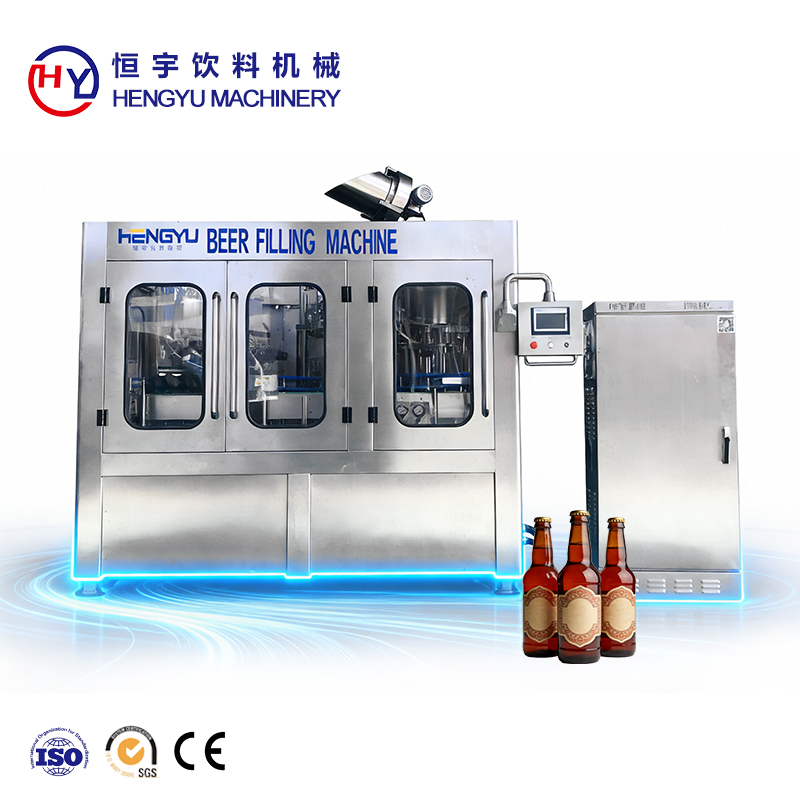
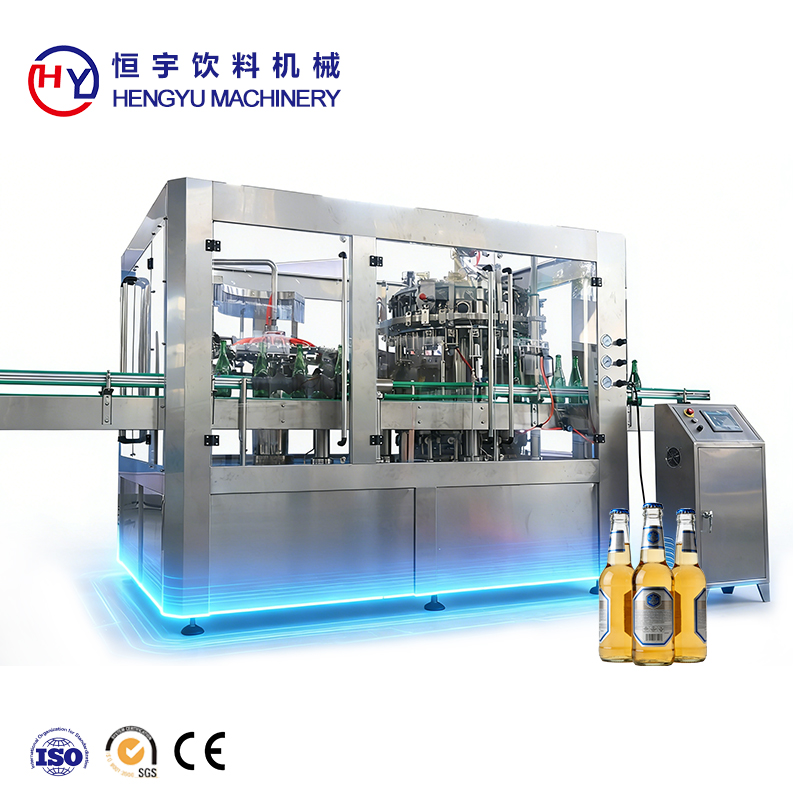
brewery bottling equipment
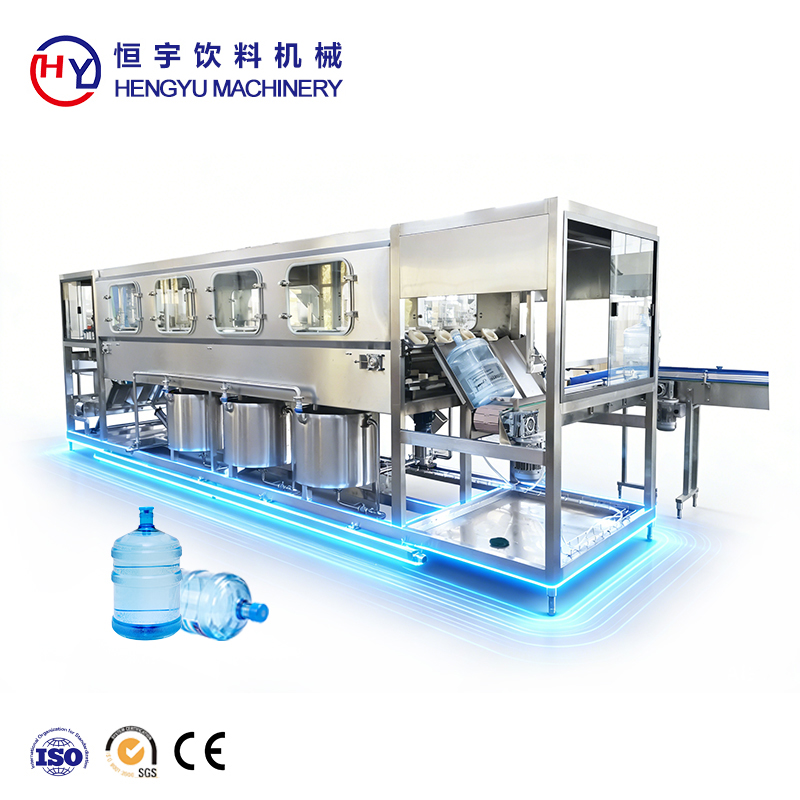
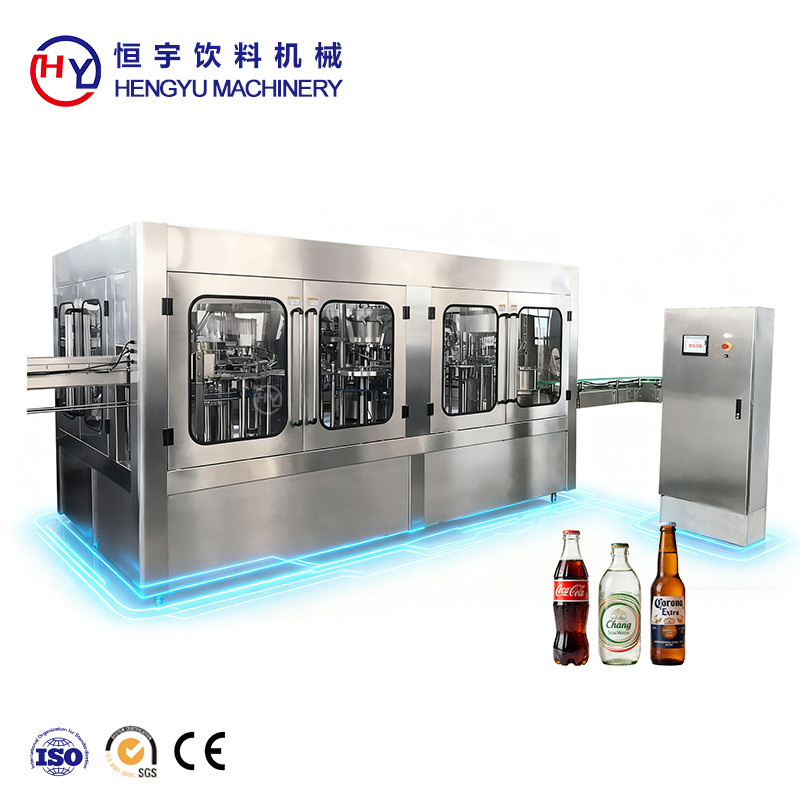
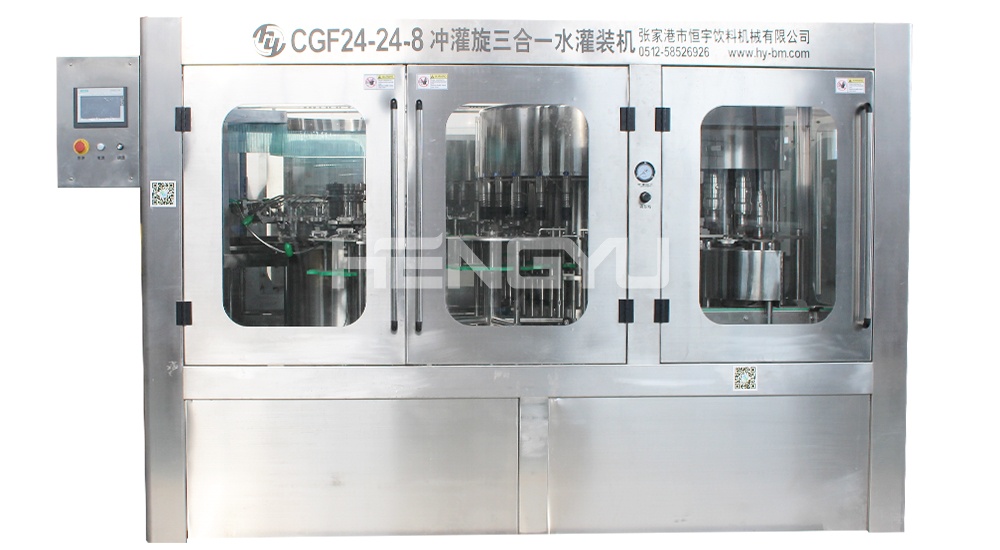
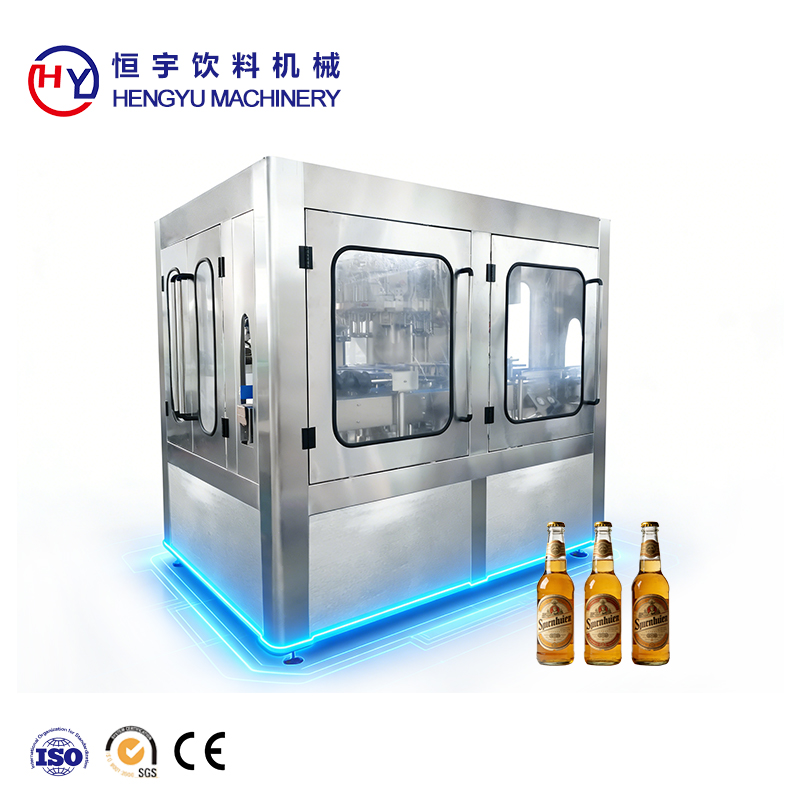
Brewery bottling equipment represents a critical component in modern beverage production facilities, serving as the bridge between crafted beer and consumer-ready packaged products. This sophisticated machinery automates the entire bottling process, encompassing multiple stages from empty bottle handling through filling, capping, labeling, and final packaging. The primary functions of brewery bottling equipment include precise liquid filling at controlled temperatures, secure crown or screw cap application, accurate label placement, quality inspection, and organized case packing. These integrated systems handle various bottle sizes and formats, accommodating everything from standard 330ml bottles to larger format containers. Technological features distinguishing contemporary brewery bottling equipment include programmable logic controllers that enable operators to adjust parameters for different products, servo-driven filling valves ensuring consistent fill levels with minimal product waste, and automated changeover capabilities that reduce downtime between production runs. Advanced sensors monitor fill heights, detect improperly sealed caps, and identify damaged bottles before they proceed through the line. Sanitation systems incorporating CIP (clean-in-place) technology maintain hygiene standards without manual disassembly, while nitrogen dosing systems preserve product freshness by minimizing oxygen contact. Modern brewery bottling equipment applications span craft breweries seeking to scale production, mid-sized regional breweries optimizing efficiency, and large industrial operations demanding high-speed throughput. These systems prove essential for breweries transitioning from draft-only operations to packaged product distribution, enabling market expansion and shelf presence. The equipment integrates seamlessly with upstream brewing processes and downstream distribution logistics, creating a comprehensive production environment. Versatility allows processors to handle not only beer but also cider, kombucha, and other carbonated beverages, maximizing investment value through multi-product capability and operational flexibility that adapts to evolving market demands.

 CN
CN