Automatic Can Filling Machine - High-Efficiency Packaging Solutions for Modern Production Lines

All Categories

automatic can filling machine

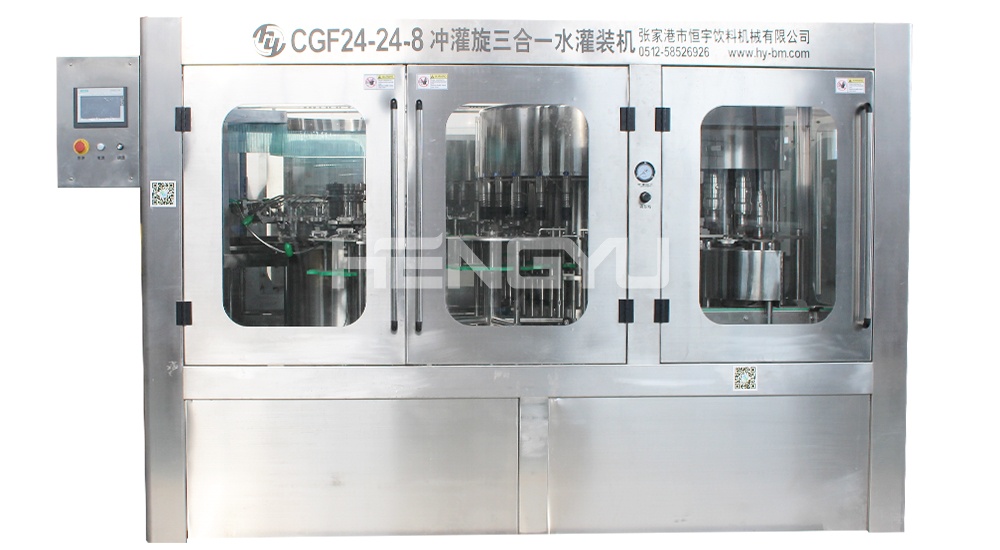
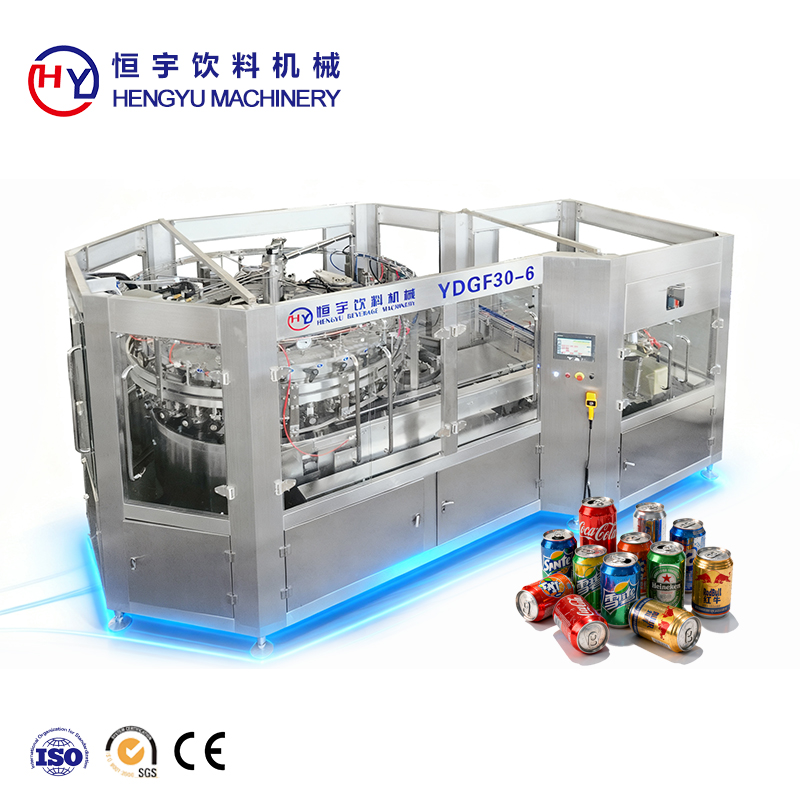
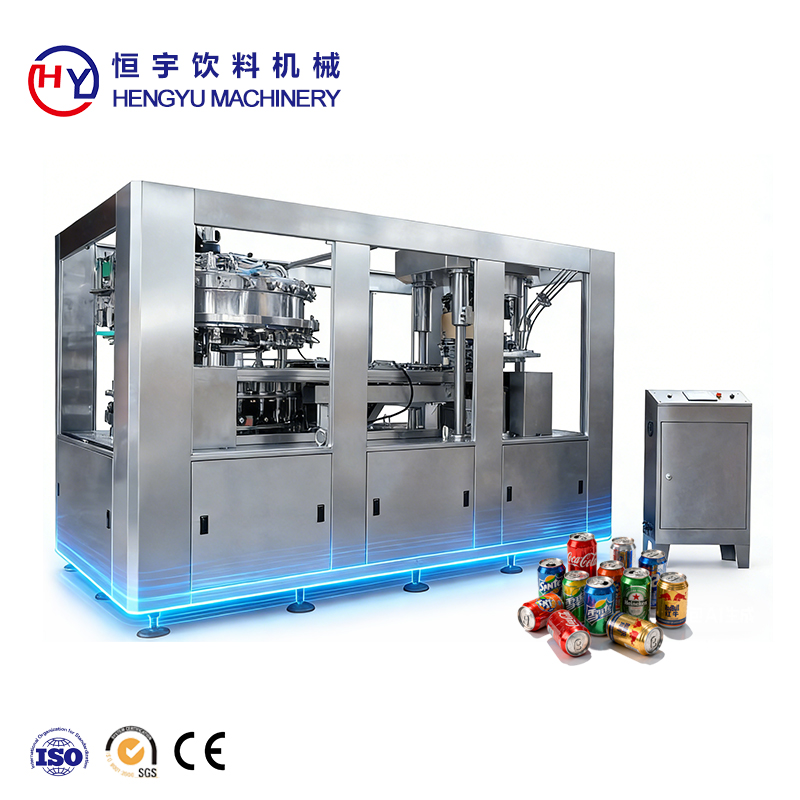
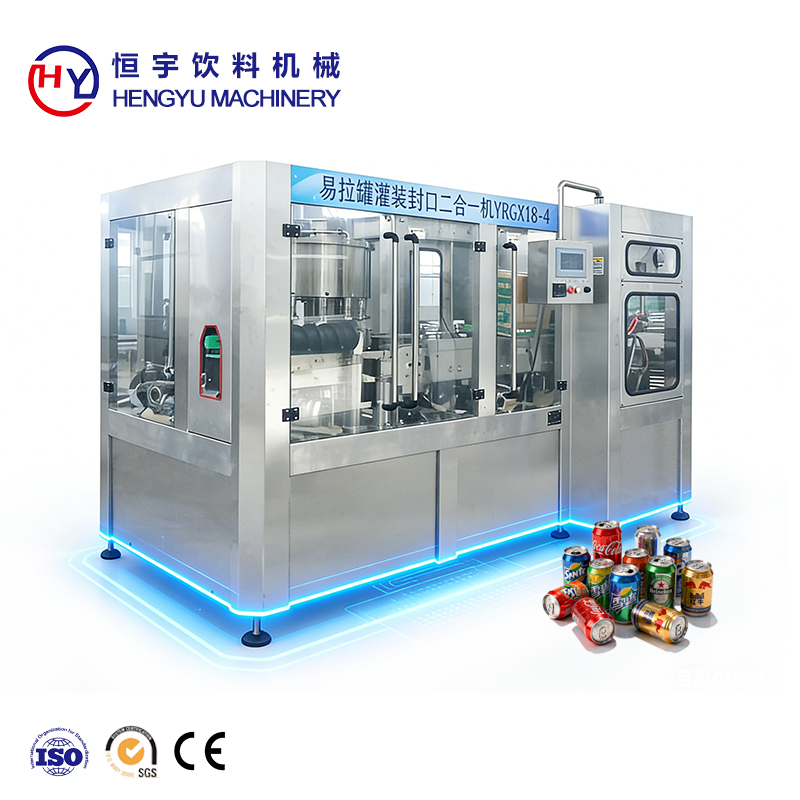
An automatic can filling machine represents a sophisticated packaging solution designed to streamline the process of filling cans with various liquid and semi-liquid products. This advanced equipment integrates cutting-edge technology to deliver precise, efficient, and hygienic filling operations across multiple industries. The automatic can filling machine handles the entire filling sequence from can positioning to sealing, incorporating sensors, programmable controls, and mechanical components that work in harmony to achieve consistent results. These machines accommodate different can sizes and materials, including aluminum and steel containers, making them versatile assets for production facilities. The primary functions encompass can feeding, precise liquid measurement and dispensing, lid placement, and sealing operations. Modern automatic can filling machines feature touch-screen interfaces that allow operators to adjust parameters such as fill volume, speed, and timing with remarkable ease. The technological framework includes servo motors for accurate positioning, flow meters for volume control, and quality inspection systems that detect anomalies during production. These machines utilize pneumatic or electric systems to power various mechanisms, ensuring smooth operation throughout extended production runs. Applications span beverage manufacturing, food processing, chemical industries, pharmaceutical production, and paint manufacturing sectors. Whether filling carbonated drinks, fruit juices, sauces, oils, adhesives, or other liquid products, the automatic can filling machine adapts to diverse production requirements. The equipment maintains sanitary standards essential for food-grade applications while delivering the robustness needed for industrial chemical packaging. Production capacities range from small-scale operations processing hundreds of cans per hour to high-speed lines handling thousands of units hourly, providing scalability options for businesses at different growth stages.

New Product Recommendations

Investing in an automatic can filling machine transforms production capabilities by eliminating manual labor inefficiencies and reducing operational costs significantly. Companies experience immediate improvements in output speed, with machines processing multiple cans simultaneously while maintaining accuracy that human operators simply cannot match consistently. The precision filling technology minimizes product waste by dispensing exact quantities every time, which directly impacts profit margins by conserving expensive raw materials and reducing disposal costs. This accuracy also ensures regulatory compliance, as each can contains the declared volume, protecting businesses from legal complications and maintaining customer trust. The automatic can filling machine operates continuously with minimal supervision, freeing workers to focus on quality control, maintenance, and other value-adding activities rather than repetitive filling tasks. This reallocation of human resources improves workplace satisfaction and allows companies to optimize their workforce strategically. Consistency represents another crucial advantage, as the machine delivers uniform results regardless of production duration, eliminating variations caused by human fatigue or distraction. Every can receives identical treatment, creating product uniformity that strengthens brand reputation and consumer confidence. The hygienic design of these machines incorporates stainless steel construction and clean-in-place systems that maintain sanitation standards without extensive disassembly, reducing downtime between production batches and preventing contamination risks. Safety features protect operators from accidents associated with manual filling operations, including exposure to hazardous substances, repetitive strain injuries, and machinery-related incidents. Built-in sensors and emergency stops respond instantly to anomalies, safeguarding both personnel and equipment. The flexibility to adjust settings for different products and can sizes means businesses can diversify their product lines without purchasing multiple specialized machines, maximizing return on investment. Energy efficiency features reduce electricity consumption compared to older equipment models, lowering utility expenses while supporting environmental sustainability goals. Maintenance requirements remain manageable through modular component designs that facilitate quick replacements and repairs, minimizing production interruptions. The machine's data collection capabilities provide valuable insights into production metrics, enabling managers to identify optimization opportunities and track performance trends over time. Quick changeover procedures allow manufacturers to switch between products efficiently, responding rapidly to market demands and seasonal fluctuations. The compact footprint of modern automatic can filling machines optimizes floor space utilization, particularly valuable for facilities with limited square footage. Long-term durability ensures years of reliable service, making the initial investment economically sound when calculated across the equipment's operational lifespan.

Tips And Tricks

Glass Bottle Filling Machine vs Plastic Bottle Filling Machine

04

Mar

Glass Bottle Filling Machine vs Plastic Bottle Filling Machine

Material Properties Dictate Core Machine Design Glass fragility and thermal mass: why glass bottle filling machines require reinforced frames, shock-dampened conveyors, and precision neck-handling grippers Working with glass bottles means going th...
View More
How to Choose a Glass Bottle Filling Machine for Beverage Production

06

Mar

How to Choose a Glass Bottle Filling Machine for Beverage Production

Match Filling Technology to Beverage Type and Sensitivity Counter-Pressure Fillers for Carbonated Beverages and Beer Carbonated drinks like soda, sparkling water and beer need careful filling techniques to keep their fizz intact while avoiding exc...
View More
How Bottled Water Production Lines Maintain Product Safety

12

Mar

How Bottled Water Production Lines Maintain Product Safety

Regulatory Foundations and the Multi-Barrier Safety Framework FDA, EPA, and ISO Standards Specific to Bottled Water Production Lines The bottled water industry works within a pretty strict set of regulations. The FDA has these things called Good Ma...
View More
Can Filling Machine Capacity Planning Guide

22

Mar

Can Filling Machine Capacity Planning Guide

Understanding Can Filling Machine Capacity: Theory vs. Real-World Performance Why Theoretical Capacity Rarely Matches Effective Output on Can Filling Lines When companies talk about canning speed at 100 cans per minute, they're referring to what ha...
View More

Get a Free Quote

Our representative will contact you soon.
Email
Name
Phone/WhatsApp
Required Product
Message
0/1000

automatic can filling machine

Precision Volume Control Technology Ensures Perfect Fills Every Time

Precision Volume Control Technology Ensures Perfect Fills Every Time

The precision volume control technology integrated into the automatic can filling machine stands as perhaps its most valuable feature, delivering measurement accuracy that transforms production quality and profitability. This sophisticated system employs advanced sensors and digital controls to monitor and adjust liquid flow in real-time, ensuring each can receives exactly the intended amount of product. The technology typically utilizes electromagnetic flow meters or volumetric piston systems that measure product volume with accuracy rates exceeding 99.5 percent, a precision level unattainable through manual filling methods. For businesses, this translates directly into substantial cost savings by eliminating overfilling, which wastes expensive ingredients and reduces the number of units produced from each batch. Simultaneously, it prevents underfilling violations that could trigger regulatory penalties, product recalls, and reputation damage. The control system allows operators to program specific fill volumes through intuitive digital interfaces, storing multiple recipes for different products and can sizes. Switching between configurations takes seconds rather than requiring physical adjustments or recalibration, dramatically improving production flexibility. The machine compensates automatically for variables such as liquid temperature, viscosity changes, and ambient pressure fluctuations that would affect manual filling consistency. This adaptive capability proves especially crucial when handling products with varying characteristics or working in environments with temperature variations. The precision technology also reduces foaming issues common in carbonated beverage filling by controlling fill speed and entry angle, preserving product quality while maintaining speed. Quality assurance systems integrated with the volume control reject any cans falling outside acceptable tolerances, ensuring only properly filled products proceed to packaging. This automated quality gate eliminates the need for manual inspection of every unit, saving labor while providing more reliable screening than human visual checks. The data logging capabilities record fill volumes throughout production runs, creating documentation that supports quality certifications and helps identify trends requiring attention. Manufacturers can analyze this information to optimize processes, predict maintenance needs, and demonstrate compliance during audits. The precision filling technology extends equipment lifespan by preventing overflow situations that cause product buildup on machine components, reducing cleaning frequency and mechanical wear. For high-value products like specialty beverages, pharmaceuticals, or premium food items, the cost savings from improved accuracy often justify the machine investment within the first year of operation. Customers also benefit from this precision, as consistent product quantities build brand trust and satisfy consumer expectations, contributing to repeat purchases and positive market positioning.
High-Speed Operation Capabilities Multiply Production Output

High-Speed Operation Capabilities Multiply Production Output

The high-speed operation capabilities of the automatic can filling machine revolutionize production throughput, enabling businesses to meet market demands that would be impossible with manual processes or outdated equipment. Modern machines achieve fill rates ranging from 1200 to over 6000 cans per hour depending on configuration, product characteristics, and can size, representing productivity increases of 300 to 500 percent compared to manual operations. This dramatic acceleration stems from optimized mechanical design that minimizes motion waste and synchronized component timing that eliminates delays between filling stages. Multiple filling heads working simultaneously allow the machine to process several cans at once, multiplying output without compromising individual fill quality. The conveyor systems integrate seamlessly with filling mechanisms, maintaining continuous product flow that maximizes equipment utilization throughout shifts. Quick-change features enable rapid transitions between different can formats, reducing setup time that traditionally consumed hours of production capacity. Businesses can respond to rush orders, seasonal demand spikes, and unexpected market opportunities without compromising delivery schedules or quality standards. The speed advantage becomes particularly significant for companies operating in competitive markets where faster time-to-market creates strategic advantages. Producing larger quantities in shorter timeframes reduces per-unit labor costs, as the same number of operators oversees vastly increased output. This efficiency improvement directly enhances profit margins while maintaining or reducing production costs. The automatic can filling machine maintains consistent speed regardless of shift duration, eliminating productivity decline associated with worker fatigue during long production runs. Overnight and weekend operations become feasible with minimal staffing, as the equipment runs reliably with periodic monitoring rather than constant hands-on attention. The speed capabilities also support just-in-time manufacturing strategies that minimize inventory carrying costs by producing products closer to shipping dates. Businesses reduce warehousing expenses and product obsolescence risks while improving cash flow through faster inventory turnover. For new product launches or promotional campaigns requiring rapid production ramp-up, the machine's speed allows companies to capitalize on market windows without extensive preparation periods. The throughput advantages extend beyond the filling operation itself, as downstream packaging processes receive steady product flow that optimizes their efficiency as well. Bottlenecks shift away from filling stations, allowing companies to identify and address other production constraints systematically. Quality control becomes more manageable at higher speeds because automated inspection systems integrated into the machine screen products more reliably than manual checks could at such velocities. The combination of speed and reliability positions businesses for growth, as production capacity scales efficiently without proportional increases in facility size or workforce. Companies gain competitive advantages through lower pricing enabled by reduced per-unit costs or improved margins when maintaining market pricing.
Versatile Adaptability Accommodates Diverse Products and Formats

Versatile Adaptability Accommodates Diverse Products and Formats

The versatile adaptability of the automatic can filling machine represents a strategic advantage that future-proofs investments while expanding business opportunities across multiple product categories and market segments. Unlike specialized equipment limited to specific applications, these machines accommodate an impressive range of liquid viscosities, from water-thin beverages to thick sauces and creams, through adjustable pump speeds and nozzle configurations. This flexibility allows manufacturers to diversify product portfolios without purchasing separate filling lines for each product type, dramatically improving capital efficiency and facility space utilization. The machine handles various can sizes through adjustable guides, fill heads, and sealing mechanisms that accommodate heights from compact 150ml containers to large 5-liter industrial cans. Changeover procedures typically require only simple mechanical adjustments and digital parameter updates that operators complete in 15 to 30 minutes, minimizing production downtime when switching formats. Some advanced models feature automatic format changeover systems that eliminate manual adjustments entirely, further reducing transition time and potential operator errors. This adaptability proves invaluable for contract packaging operations serving multiple clients with different specifications, enabling quick pivots between projects while maintaining quality standards across all products. The machine accommodates both standard cylindrical cans and specialty shapes, supporting brand differentiation strategies that rely on distinctive packaging. Material compatibility extends to aluminum, steel, and composite cans, as the handling systems adjust pressure and contact points to prevent damage across different container types. Temperature-sensitive products benefit from optional heating or cooling systems integrated into filling chambers, maintaining optimal product temperatures that preserve quality and facilitate smooth flow. Carbonated beverages require specialized filling techniques that minimize CO2 loss, which these machines provide through counter-pressure filling methods or specialized nozzles that reduce turbulence. The same equipment can switch to handle non-carbonated products by simply adjusting settings, demonstrating remarkable operational flexibility. Seasonal product variations become manageable, as companies produce holiday-themed items, limited editions, or promotional packages without equipment limitations constraining marketing strategies. The automatic can filling machine supports both food-grade and industrial chemical applications through appropriate material selection and cleaning protocols, expanding potential customer bases beyond single industry segments. This versatility creates opportunities for businesses to enter new markets as they identify growth opportunities, using existing equipment rather than requiring substantial new capital investments. Custom formulations, private label production, and experimental product development all become more feasible when filling equipment adapts readily to new specifications. The machine's programmable controls store unlimited recipes and configurations, creating a digital library of production setups that operators recall instantly when returning to previously manufactured products. This memory function eliminates trial-and-error setup periods and ensures consistency when restarting production runs after intervals. Testing new products or package sizes requires minimal risk and investment, as companies can experiment using existing equipment rather than committing to specialized machinery before market validation. The adaptability extends throughout the product lifecycle, supporting initial small-batch production during market introduction, scaling to high-volume output as demand grows, and accommodating formula refinements or packaging updates without equipment replacement. Businesses gain agility that transforms them into responsive market participants rather than rigid operations locked into limited product configurations.