Professional Beer Can Filler Machine - Advanced Automated Canning Solutions for Breweries

All Categories

beer can filler machine

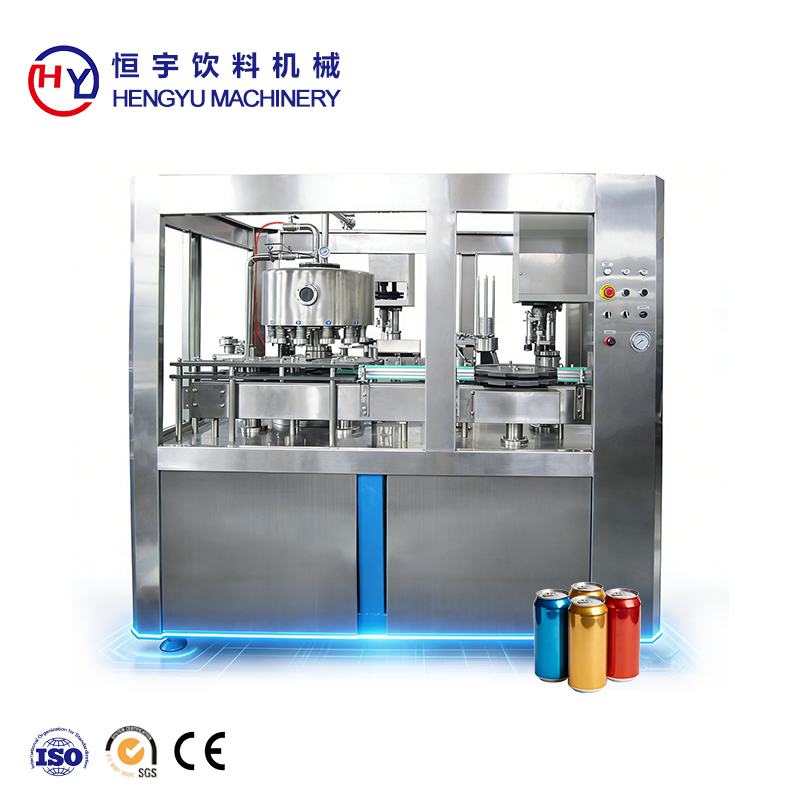
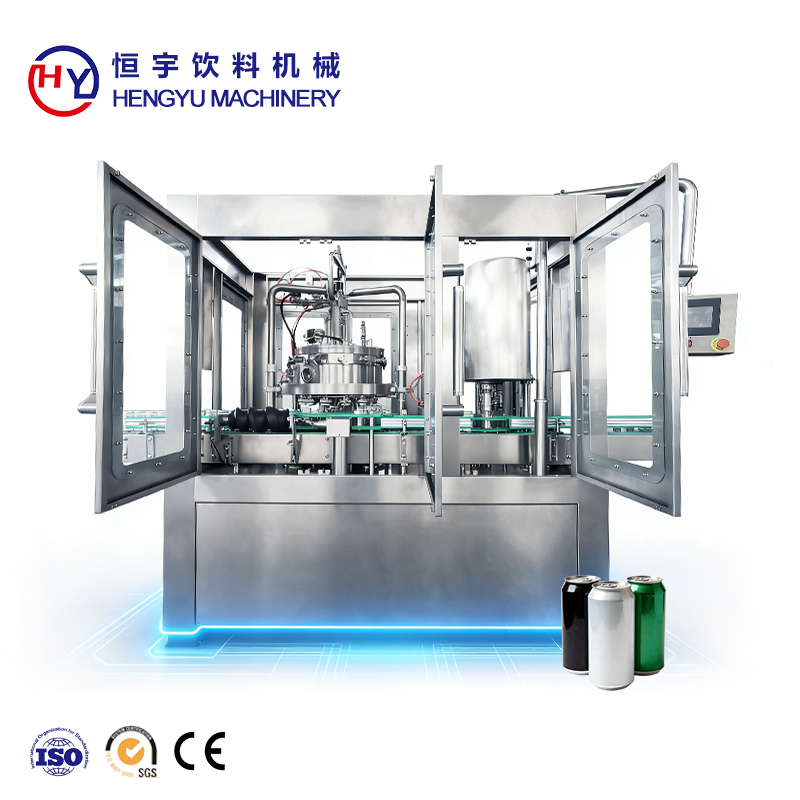
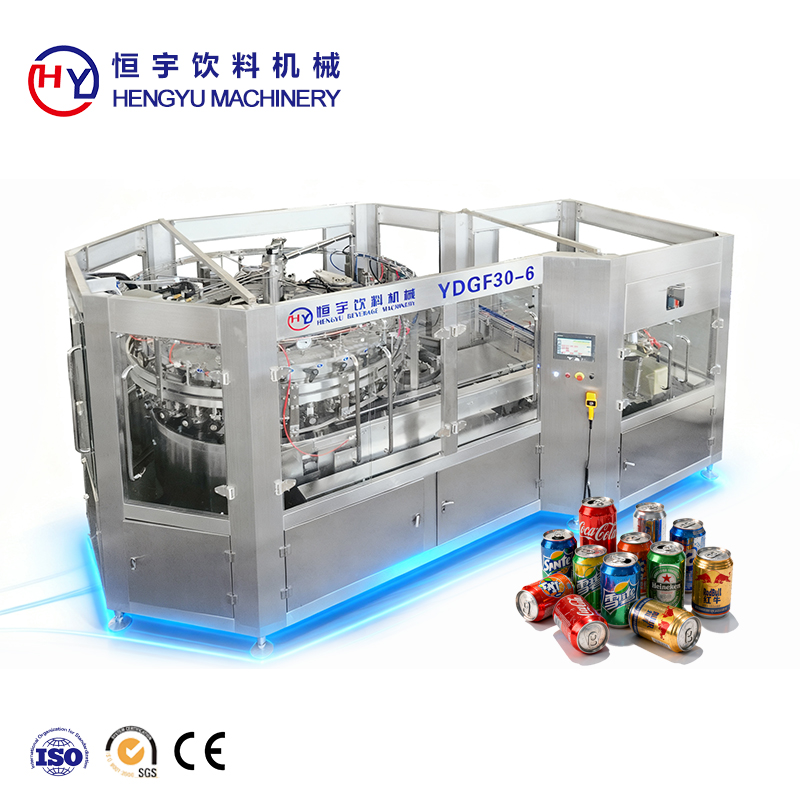
The beer can filler machine represents a sophisticated packaging solution designed specifically for breweries and beverage production facilities seeking efficient, high-speed canning operations. This automated equipment streamlines the entire can filling process, from empty can intake through filling, seaming, and output, ensuring consistent quality and production efficiency. Modern beer can filler machines incorporate advanced technology to handle various can sizes, typically ranging from 250ml to 500ml, with some models accommodating specialty formats. The primary function of this equipment centers on precisely filling beer into cans while minimizing oxygen pickup, preserving product freshness, and maintaining carbonation levels critical to beer quality. These machines feature multiple filling heads arranged in rotary or linear configurations, enabling production speeds from several hundred to thousands of cans per hour depending on the model. The technological backbone includes sophisticated control systems with touchscreen interfaces, allowing operators to monitor production metrics, adjust fill volumes, and troubleshoot issues in real-time. Sanitary design principles govern construction, with stainless steel contact parts ensuring compliance with food safety standards and facilitating thorough cleaning protocols. The beer can filler machine integrates seamlessly with upstream and downstream equipment, including depalletizers, rinsers, lid feeders, seamers, pasteurizers, and packaging systems, creating complete production lines. Precision flow meters or volumetric filling mechanisms guarantee accurate fill levels, reducing product waste and ensuring regulatory compliance. Many contemporary models incorporate servo-driven technology, providing superior control over filling speed and accuracy while reducing mechanical wear. The application spectrum extends from craft breweries producing limited batches to large-scale commercial operations requiring continuous high-volume output, making these machines adaptable to diverse production environments and business scales.

New Product Recommendations

Investing in a beer can filler machine delivers transformative benefits that directly impact your bottom line and operational capabilities. First and foremost, these machines dramatically increase production speed compared to manual or semi-automated methods, enabling you to meet growing market demand without proportionally expanding your workforce. The automation reduces labor costs significantly, as a single operator can typically oversee the entire filling operation that would otherwise require multiple workers, freeing your team to focus on quality control, recipe development, and other value-adding activities. Consistency stands as another paramount advantage, as the machine delivers identical fill volumes can after can, eliminating the variations inherent in manual filling and ensuring every customer receives exactly what they paid for. This precision minimizes product giveaway, where overfilling results in lost revenue, and prevents underfilling that could trigger regulatory penalties or damage brand reputation. The beer can filler machine protects product quality through controlled filling environments that limit oxygen exposure, a critical factor in preventing oxidation that degrades flavor and shortens shelf life. Enhanced hygiene represents another substantial benefit, as automated systems reduce human contact with the product and incorporate clean-in-place capabilities that maintain sanitary conditions between production runs. The equipment adapts readily to different can sizes and fill volumes through quick-change components and programmable settings, providing flexibility to diversify your product portfolio without purchasing separate machines for each format. Energy efficiency has improved markedly in modern designs, with optimized motors and intelligent power management systems reducing operational costs while supporting sustainability initiatives increasingly important to consumers. The machines also minimize product waste during changeovers and startup procedures through precise control mechanisms that quickly achieve stable operation. Scalability constitutes a significant strategic advantage, as modular designs allow you to start with a baseline configuration and add filling heads or integrate additional equipment as production volumes grow, protecting your initial investment while accommodating business expansion. Improved workplace safety results from eliminating repetitive manual tasks that contribute to worker fatigue and injury, while safety guards and interlocks protect operators from moving parts. The comprehensive data collection and reporting capabilities embedded in modern beer can filler machines provide valuable insights into production efficiency, downtime causes, and maintenance needs, empowering informed decision-making that continuously optimizes operations and reduces total cost of ownership throughout the equipment lifecycle.

Latest News

Increasing Capacity in Bottled Water Production Lines

09

Mar

Increasing Capacity in Bottled Water Production Lines

Diagnosing Bottlenecks in Your Bottled Water Production Line Measuring Throughput Gaps: Bottling Speed, Changeover Time, and OEE Analysis To get a handle on where production is falling short, look at three key performance indicators. Start by compa...
View More
How Can Filling Machines Improve Beverage Production Speed

24

Mar

How Can Filling Machines Improve Beverage Production Speed

Filling Machine Type Determines Maximum Throughput Potential Gravity, Isobaric, and Piston Can Filling Machines: Speed vs. Precision Trade-offs Gravity fillers work well for delicate drinks such as juice, processing around 20 to 36 bottles every mi...
View More
Can Sealing Machine Maintenance Tips

23

Mar

Can Sealing Machine Maintenance Tips

Daily and Weekly Preventive Maintenance for Your Can Sealing Machine Essential Daily Checks: Belt Tension, Sealing Bar Alignment, and Tape Head Cleanliness Starting every shift with a quick check on belt tension makes all the difference. If belts a...
View More
Automation Technology in Can Sealing Machines

24

Mar

Automation Technology in Can Sealing Machines

How Automation Enhances Precision and Reliability in Can Sealing Machines Core Automation Components: Servo Drives, Vision Systems, and Closed-Loop Feedback in Modern Can Sealing Machines Today's can sealing equipment reaches incredible levels of p...
View More

Get a Free Quote

Our representative will contact you soon.
Email
Name
Phone/WhatsApp
Required Product
Message
0/1000

beer can filler machine

Advanced Oxygen Control Technology for Superior Beer Quality

Advanced Oxygen Control Technology for Superior Beer Quality

The beer can filler machine incorporates cutting-edge oxygen control mechanisms that fundamentally preserve the sensory characteristics and shelf stability that define exceptional beer. Oxygen represents the single greatest enemy of beer quality post-packaging, triggering oxidation reactions that create stale cardboard flavors, diminish hop aromatics, and darken color over time. Recognizing this challenge, manufacturers have engineered sophisticated solutions directly into the filling process. Pre-purging systems evacuate atmospheric air from empty cans before filling, replacing it with carbon dioxide or inert gas to create a protective environment. During the actual filling operation, the beer can filler machine employs counter-pressure filling techniques where cans are pressurized to match the beer's carbonation level before liquid enters, preventing foaming and turbulence that would otherwise incorporate oxygen. The filling valves themselves feature specialized designs with bottom-up filling paths that minimize splashing and surface agitation, further reducing oxygen pickup. Some advanced models integrate tunnel pasteurization or flash pasteurization immediately after seaming, eliminating any residual oxygen in the headspace through controlled heating that drives it out before final cooling. The cumulative effect of these oxygen management strategies manifests in dramatically extended shelf life, with properly filled cans maintaining fresh flavor profiles for months or even years compared to weeks for poorly filled products. For breweries investing significant resources in quality ingredients and meticulous brewing processes, the beer can filler machine serves as the essential guardian that ensures those efforts reach consumers intact. The technology particularly benefits hop-forward styles like IPAs where aromatic compounds are exceptionally vulnerable to oxidation, and delicate lagers where any off-flavors become immediately apparent. Beyond quality preservation, reduced oxygen levels decrease the risk of microbial spoilage from aerobic organisms, enhancing product safety alongside sensory attributes. The competitive marketplace demands consistency, and consumers who experience fresh, vibrant beer from your cans will develop loyalty and advocacy that drives repeat purchases and brand growth, making oxygen control technology not merely a technical feature but a strategic business asset that differentiates your products on crowded retail shelves.
Intelligent Automation and User-Friendly Control Systems

Intelligent Automation and User-Friendly Control Systems

Modern beer can filler machines distinguish themselves through sophisticated automation and intuitive control interfaces that democratize access to professional-grade canning capabilities. The heart of this intelligence resides in programmable logic controllers and industrial touchscreen displays that transform complex mechanical operations into simple, visual workflows accessible even to operators without extensive technical training. These systems store multiple product recipes, allowing instant changeovers between different beer styles, can sizes, or fill volumes with a few screen touches rather than time-consuming manual adjustments. Real-time monitoring dashboards display critical parameters including fill speed, volume accuracy, can counts, efficiency metrics, and alarm notifications, providing complete operational visibility that enables proactive management rather than reactive problem-solving. The beer can filler machine continuously monitors its own performance through integrated sensors that detect anomalies like missing cans, improper seams, low product levels, or mechanical issues, automatically pausing operation and alerting operators before minor problems escalate into costly downtime or product waste. Servo motor technology has revolutionized filling precision and flexibility, replacing older cam-driven systems with electronically controlled motion that adjusts instantaneously to speed changes, maintains perfect synchronization across multiple filling heads, and reduces mechanical wear that historically necessitated frequent maintenance. Recipe management extends beyond basic parameters to include acceleration curves, filling pressure profiles, and valve timing sequences optimized for specific beer characteristics like high carbonation levels or particulate-laden styles, ensuring each product receives exactly the handling it requires. Remote connectivity options in contemporary models enable equipment manufacturers to provide diagnostic support, software updates, and performance optimization without on-site visits, minimizing downtime and maximizing equipment effectiveness. The automation dramatically reduces the skill threshold required for operation while simultaneously elevating production quality, making professional canning accessible to craft breweries that might have previously considered such equipment beyond their capabilities. Training time decreases substantially when operators interact with visual interfaces rather than memorizing mechanical procedures, accelerating workforce development and reducing vulnerability to staff turnover. The comprehensive data logging creates audit trails supporting quality management systems and regulatory compliance while generating analytics that reveal optimization opportunities, bottlenecks, and maintenance patterns that inform strategic equipment decisions and continuous improvement initiatives essential for competitive operations.
Robust Construction and Minimal Maintenance Requirements

Robust Construction and Minimal Maintenance Requirements

The beer can filler machine exemplifies industrial engineering designed for reliable long-term performance in demanding production environments where downtime translates directly to lost revenue and missed market opportunities. Manufacturers construct these machines predominantly from high-grade stainless steel, specifically 304 or 316 varieties that resist corrosion from beer's acidic nature and withstand repeated exposure to cleaning chemicals and sanitizing agents required by food safety protocols. The material choice extends beyond mere durability to encompass hygiene, as stainless steel's smooth, non-porous surface prevents bacterial harboring and facilitates thorough cleaning that maintains product integrity across production runs. Mechanical components undergo precision manufacturing and rigorous quality control, with filling valves, sealing heads, and drive mechanisms engineered for millions of cycles without degradation, substantially reducing the frequency and cost of replacement parts. The beer can filler machine incorporates accessibility into its design philosophy, with hinged guards, tool-free component removal, and clearly marked service points that enable maintenance personnel to perform routine tasks quickly without specialized equipment or extensive disassembly. Lubrication systems in advanced models operate automatically on programmed schedules, ensuring critical bearings and moving parts receive proper maintenance without relying on manual intervention that might be overlooked during busy production periods. Wear parts that do require periodic replacement, such as gaskets and seals, follow standardized sizing that simplifies procurement and inventory management while enabling rapid changeovers that minimize production interruptions. The robust construction philosophy extends to the machine frame itself, with heavy-duty welded structures that resist vibration and maintain precise alignment even under continuous high-speed operation, preventing the gradual degradation that compromises filling accuracy in lighter-built equipment. Comprehensive operator manuals and maintenance documentation accompany each beer can filler machine, providing detailed procedures, troubleshooting guides, and exploded diagrams that empower in-house technical staff to address issues independently rather than relying exclusively on external service providers whose availability might not align with urgent production needs. The combination of durable construction, thoughtful design, and maintainability translates to exceptional total cost of ownership, as the initial equipment investment amortizes over many productive years with relatively modest ongoing expenses, making these machines sound financial decisions that strengthen operational resilience and competitive positioning in dynamic beverage markets.