Beverage Can Filling Machine - Advanced Automated Canning Solutions for Production Efficiency

All Categories

beverage can filling machine

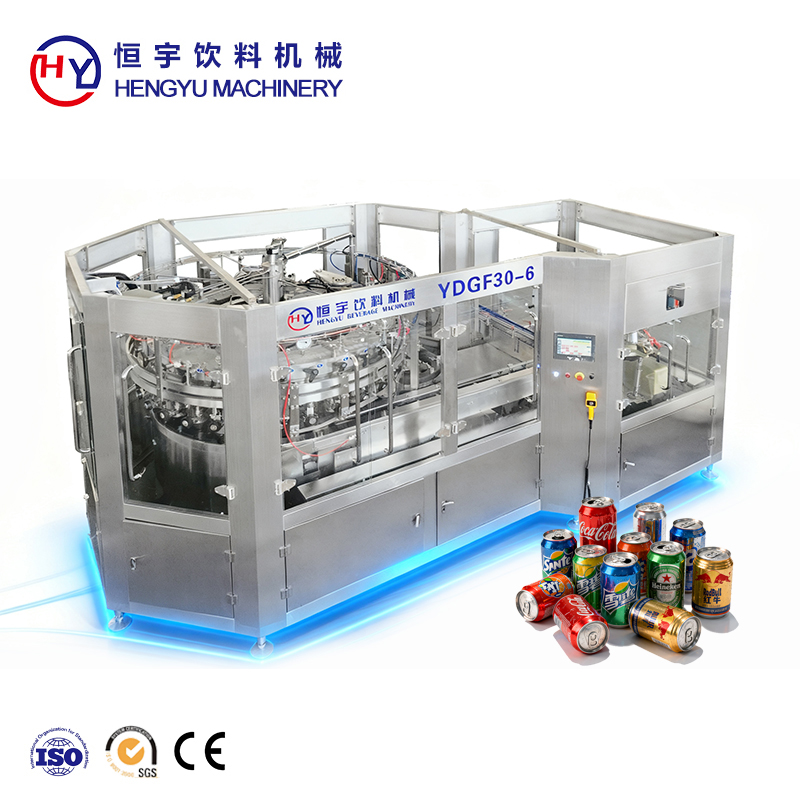
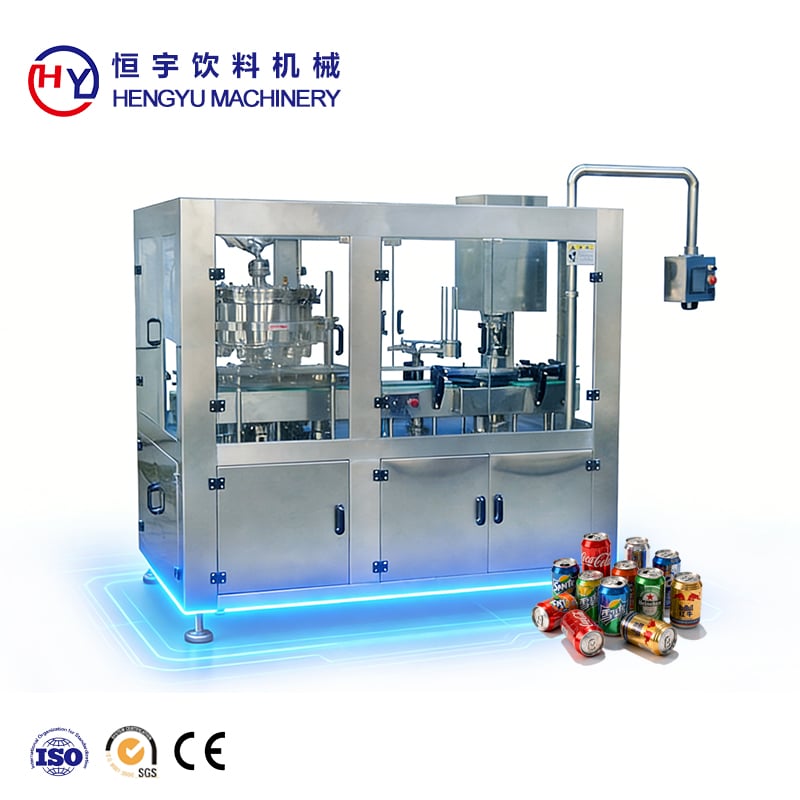
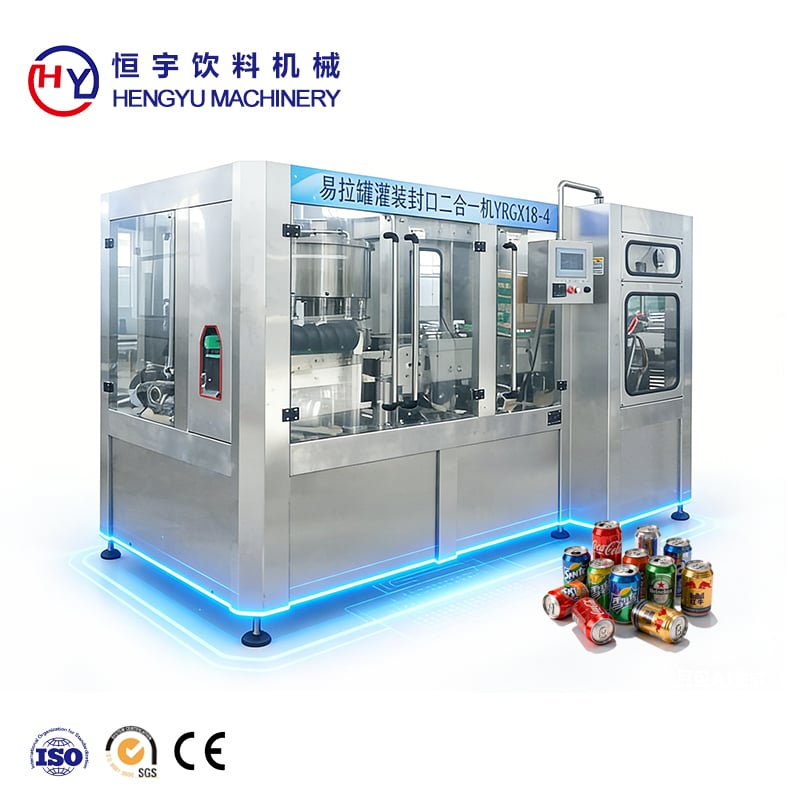
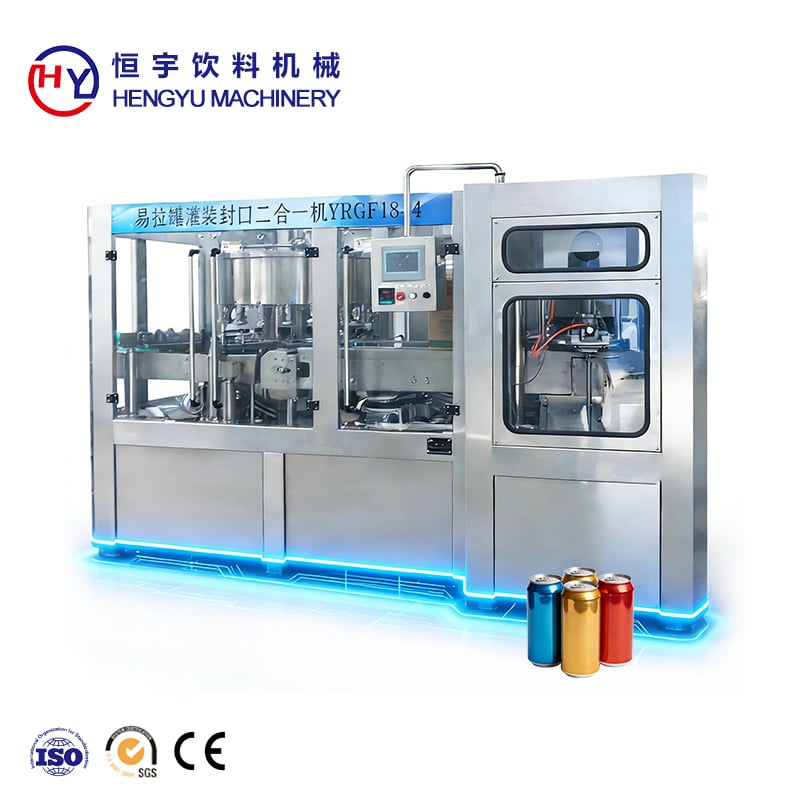
A beverage can filling machine represents essential production equipment designed to automate the process of filling liquid beverages into aluminum or steel cans with precision and efficiency. This sophisticated machinery serves as the cornerstone of modern beverage manufacturing, handling everything from carbonated soft drinks and energy beverages to beer, juice, and sparkling water. The beverage can filling machine integrates multiple operational stages into one seamless workflow, including can depalletizing, rinsing, filling, seaming, and packaging. These systems are engineered to maintain product quality while maximizing throughput in commercial production environments. The primary functions of a beverage can filling machine encompass accurate volume dispensing, consistent fill levels, minimal product waste, and contamination prevention through hygienic design principles. Modern beverage can filling machines utilize advanced sensor technology and programmable logic controllers to monitor every aspect of the filling operation, ensuring each can meets exact specifications. The technological features include servo-driven filling valves that provide precise control over liquid flow rates, automated changeover systems that accommodate different can sizes without extensive manual adjustments, and integrated quality inspection systems that reject defective containers before they reach consumers. These machines typically operate on rotary or linear configurations, with rotary systems offering higher production speeds suitable for large-scale operations. The applications of beverage can filling machines span across numerous industries, from craft breweries producing small batches to multinational corporations manufacturing millions of units daily. Production capacities range from 100 cans per minute for smaller operations to over 2000 cans per minute for high-speed industrial lines. The versatility of these machines allows manufacturers to handle various can formats, typically ranging from 200ml to 750ml volumes, with quick-change capabilities that minimize downtime during product switches. Environmental considerations have also influenced beverage can filling machine design, with modern systems incorporating features that reduce water consumption during cleaning cycles and minimize energy usage through efficient motor systems and optimized mechanical designs.

New Product Recommendations

Investing in a beverage can filling machine delivers substantial operational benefits that directly impact your bottom line and production capabilities. First and foremost, these machines dramatically increase production speed compared to manual filling methods, allowing your business to meet growing demand without proportionally increasing labor costs. A single automated line can replace dozens of workers while maintaining consistent output quality throughout extended production runs. This automation translates into predictable production schedules and reliable delivery timelines that strengthen customer relationships and open opportunities for larger contracts. The precision filling technology ensures every can contains exactly the right amount of product, eliminating both overfilling that wastes expensive ingredients and underfilling that could lead to regulatory compliance issues or customer dissatisfaction. This accuracy becomes particularly valuable when working with premium beverages where ingredient costs significantly affect profit margins. The beverage can filling machine also enhances product safety and hygiene standards by minimizing human contact with your beverage throughout the filling process. Stainless steel construction and clean-in-place systems maintain sanitary conditions that meet stringent food safety regulations, protecting both your consumers and your brand reputation. Another practical advantage involves the consistency these machines bring to your production line. Unlike manual operations where fatigue or distraction can cause variations, automated systems maintain the same performance level hour after hour, ensuring every can that leaves your facility meets identical quality standards. This consistency strengthens brand identity and reduces customer complaints related to product variations. The flexibility of modern beverage can filling machines allows you to diversify your product portfolio without major capital reinvestment. Quick-change systems let you switch between different beverages and can sizes within minutes rather than hours, enabling you to respond rapidly to market trends and seasonal demand fluctuations. This adaptability proves especially valuable for businesses testing new product concepts or serving niche markets with specialized offerings. From a financial perspective, beverage can filling machines reduce long-term operating costs through improved efficiency and decreased waste. Lower product giveaway, reduced spillage, and minimized can damage all contribute to healthier profit margins on every production run. The machines also optimize utility consumption, using precisely measured amounts of water and energy rather than the inconsistent consumption patterns typical of manual operations. Maintenance requirements, while important, are straightforward with proper training, and most equipment manufacturers provide comprehensive support programs that keep your production line running smoothly. The return on investment typically materializes within two to three years for medium to high-volume operations, after which the equipment continues generating value for decades with appropriate maintenance. Additionally, operating a beverage can filling machine improves workplace safety by eliminating repetitive manual tasks that can cause injury and reducing worker exposure to potential hazards associated with handling filled containers.

Tips And Tricks

Glass Bottle Filling Machine vs Plastic Bottle Filling Machine

04

Mar

Glass Bottle Filling Machine vs Plastic Bottle Filling Machine

Material Properties Dictate Core Machine Design Glass fragility and thermal mass: why glass bottle filling machines require reinforced frames, shock-dampened conveyors, and precision neck-handling grippers Working with glass bottles means going th...
View More
How Can Filling Machines Improve Beverage Production Speed

24

Mar

How Can Filling Machines Improve Beverage Production Speed

Filling Machine Type Determines Maximum Throughput Potential Gravity, Isobaric, and Piston Can Filling Machines: Speed vs. Precision Trade-offs Gravity fillers work well for delicate drinks such as juice, processing around 20 to 36 bottles every mi...
View More
Can Filling Machine Technology for Carbonated Beverages

20

Mar

Can Filling Machine Technology for Carbonated Beverages

Isobaric Filling Principles: How Can Filling Machines Preserve Carbonation Under Pressure The Physics of CO₂ Solubility and Why Counter-Pressure Is Non-Negotiable The way carbon dioxide dissolves in drinks basically follows what we call Henry's Law...
View More
Automation Technology in Can Sealing Machines

24

Mar

Automation Technology in Can Sealing Machines

How Automation Enhances Precision and Reliability in Can Sealing Machines Core Automation Components: Servo Drives, Vision Systems, and Closed-Loop Feedback in Modern Can Sealing Machines Today's can sealing equipment reaches incredible levels of p...
View More

Get a Free Quote

Our representative will contact you soon.
Email
Name
Phone/WhatsApp
Required Product
Message
0/1000

beverage can filling machine

Advanced Filling Precision Technology

Advanced Filling Precision Technology

The beverage can filling machine incorporates cutting-edge precision filling technology that fundamentally transforms how beverage manufacturers approach quality control and product consistency. At the heart of this technology lies sophisticated flow measurement systems that monitor liquid volume in real-time, adjusting dispensing rates microsecond by microsecond to compensate for variables like temperature fluctuations, pressure changes, and product viscosity variations. This level of precision ensures that every single can receives exactly the specified fill volume, typically within tolerances of plus or minus one milliliter, a level of accuracy impossible to achieve through manual filling methods. The system employs multiple redundant sensors that cross-verify measurements, creating a fail-safe mechanism that immediately identifies and corrects any deviation from programmed parameters. For carbonated beverages, the beverage can filling machine utilizes specialized counter-pressure filling technology that pre-pressurizes cans before introducing the liquid, preventing foam formation and CO2 loss that would otherwise compromise product quality and shelf stability. This pressurization system maintains the beverage's carbonation levels precisely as formulated, ensuring consumers experience the intended taste profile and mouthfeel every time they open a can. The filling valves themselves represent engineering excellence, constructed from food-grade stainless steel with precision-machined surfaces that create perfect seals and prevent cross-contamination between batches. Servo motor control provides infinitely variable speed adjustment, allowing operators to fine-tune filling rates for different product characteristics without mechanical modifications. This adaptability proves invaluable when working with beverages that have unique properties, such as pulpy juices that require gentler handling or highly carbonated energy drinks that demand careful pressure management. The precision technology extends beyond just volume accuracy to include fill height consistency, which affects both regulatory compliance and consumer perception of value. Advanced level sensors verify that each can meets specified fill heights, automatically rejecting any containers that fall outside acceptable parameters before they proceed to the seaming station. This automated quality verification reduces the risk of regulatory penalties and protects brand reputation by ensuring no substandard products reach the market. The data collection capabilities of modern beverage can filling machines provide valuable production intelligence, recording every fill operation and generating detailed reports that help identify optimization opportunities and demonstrate compliance during audits.
Exceptional Production Flexibility and Scalability

Exceptional Production Flexibility and Scalability

One of the most compelling attributes of a beverage can filling machine is its remarkable flexibility to accommodate diverse production requirements while providing clear pathways for business growth and expansion. This flexibility manifests in multiple dimensions that directly address the practical challenges beverage manufacturers face in dynamic markets. The quick-change capability stands as perhaps the most immediately valuable flexibility feature, allowing production teams to transition between different can sizes and beverage formulations with minimal downtime. Traditional filling systems might require hours of mechanical adjustments and recalibration when switching formats, but modern beverage can filling machines accomplish these changes in as little as 15 to 30 minutes through tool-free adjustment systems and stored recipe parameters. Operators simply select the desired production profile from the control interface, and the machine automatically adjusts filling volumes, timing sequences, and handling parameters to match the new specifications. This rapid changeover capability enables manufacturers to operate profitably even with smaller batch sizes, making it economically viable to produce specialty beverages or limited edition releases that might otherwise be financially impractical. The scalability dimension addresses business growth concerns by offering modular expansion options that protect initial capital investments while providing clear upgrade paths as production demands increase. A beverage manufacturer might initially install a semi-automatic system handling 300 cans per minute, then progressively add modules for automatic can feeding, integrated rinsing stations, or downstream packaging integration as sales volumes justify the additional capacity. This modular approach distributes capital expenditure over time and allows businesses to maintain cash flow for other growth initiatives rather than over-investing in capacity that exceeds current needs. The beverage can filling machine also demonstrates flexibility in handling various liquid characteristics, from thin, water-like beverages to thicker formulations containing suspended particles or pulp. Adjustable filling parameters accommodate different viscosities without requiring hardware changes, while specialized nozzle designs prevent product damage and maintain quality across the entire spectrum of beverage types. This versatility proves particularly valuable for contract manufacturers serving multiple clients with diverse product portfolios, as a single machine can handle different customer requirements without dedicated equipment for each beverage type. Integration flexibility represents another practical advantage, with modern machines designed to connect seamlessly with upstream and downstream equipment from various manufacturers. Standardized interfaces and communication protocols allow the beverage can filling machine to exchange data with can depalletizers, rinsing systems, seaming machines, and packaging equipment, creating a fully coordinated production line that optimizes overall efficiency rather than just individual machine performance.
Superior Hygiene Standards and Product Safety Features

Superior Hygiene Standards and Product Safety Features

The beverage can filling machine prioritizes hygiene and product safety through comprehensive design features that address the stringent requirements of modern food and beverage manufacturing regulations while protecting consumer health and brand integrity. Every surface that contacts the product is constructed from high-grade stainless steel that resists corrosion, prevents bacterial colonization, and withstands repeated exposure to cleaning chemicals and high-temperature sanitization cycles. The sanitary design principles extend beyond just material selection to encompass every aspect of the machine's construction, with smooth, crevice-free surfaces that eliminate potential harboring points for contaminants and self-draining geometries that prevent liquid accumulation where microorganisms might proliferate. The beverage can filling machine incorporates clean-in-place systems that automate the sanitization process, circulating cleaning solutions and sanitizing agents through all product-contact surfaces according to programmable sequences that ensure thorough coverage and adequate contact time. These automated cleaning cycles eliminate the variability inherent in manual cleaning procedures, where human factors might compromise thoroughness or consistency. The system documentation provides complete validation of cleaning effectiveness, generating time-stamped records that demonstrate compliance with food safety protocols and provide audit trails for regulatory inspections. For sensitive products requiring aseptic or ultra-clean filling conditions, advanced beverage can filling machines offer laminar flow air curtains and positive pressure environments that create barriers against airborne contamination during the critical filling operation. HEPA filtration systems continuously purify the air surrounding the filling zone, removing particulates and microorganisms that could compromise product sterility. These environmental controls prove essential when filling beverages without preservatives or products intended for extended shelf life without refrigeration. The beverage can filling machine also incorporates multiple product safety checkpoints that verify container integrity before, during, and after filling. Vision systems inspect incoming cans for damage, foreign objects, or manufacturing defects that could compromise fill quality or consumer safety. In-process monitoring detects irregular filling patterns that might indicate machine malfunctions or product quality issues, automatically pausing operations and alerting supervisors to investigate potential problems before defective products accumulate. Post-fill inspection systems verify proper seam formation and can integrity, ensuring every container leaving the production line maintains hermetic seals that preserve product quality throughout distribution and storage. Traceability features embedded in modern machines support rapid response to any quality concerns by recording production data associated with specific batches, enabling precise recall actions if ever necessary while minimizing unnecessary product waste. The comprehensive approach to hygiene and safety that beverage can filling machines provide translates directly into reduced liability risk, fewer product recalls, and stronger consumer confidence in your brand.