Professional Can Filling Machine Solutions - High-Speed Automated Canning Equipment

All Categories

can filling machine

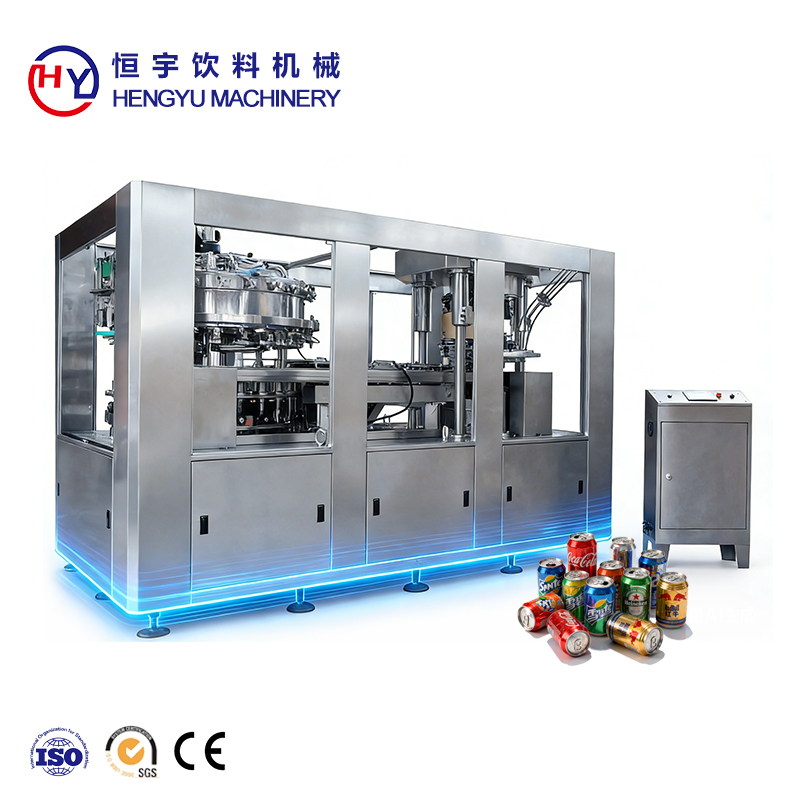
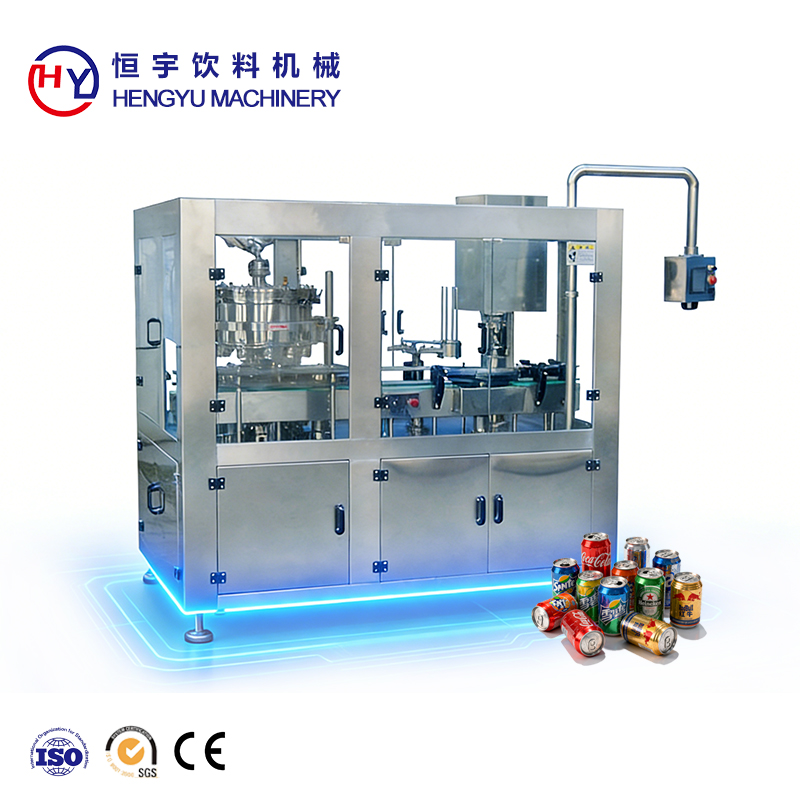
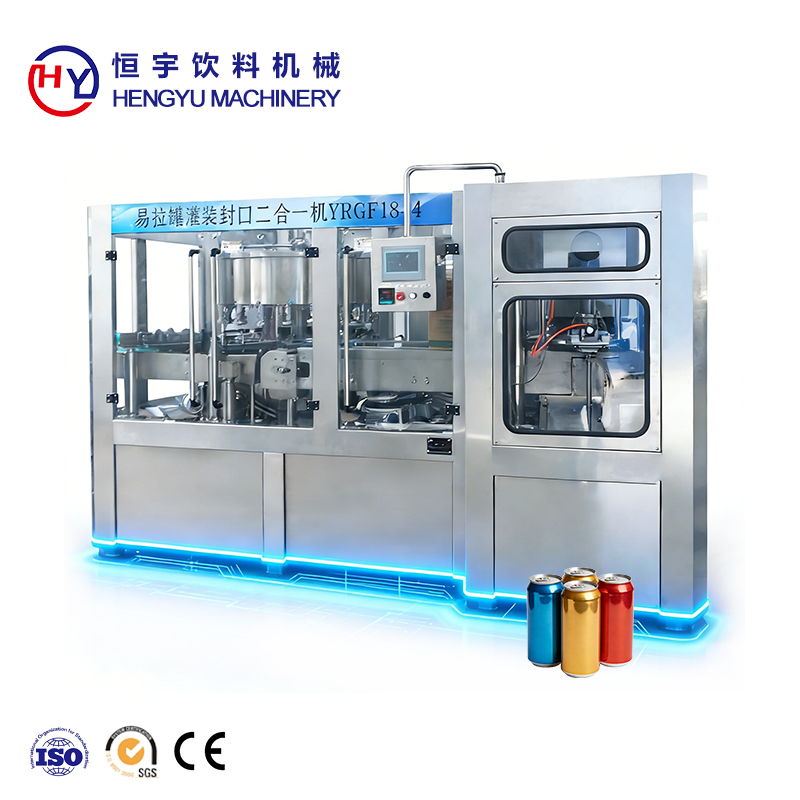
A can filling machine represents an essential piece of industrial equipment designed to automate the process of filling metal cans with various liquid and semi-liquid products. This sophisticated machinery streamlines production workflows in beverage facilities, food processing plants, chemical manufacturing units, and pharmaceutical companies. The primary function of a can filling machine involves accurately dispensing predetermined volumes of product into aluminum or steel containers at high speeds while maintaining strict hygiene standards. Modern can filling machines incorporate advanced sensor technology, programmable logic controllers, and precision flow meters to ensure consistent fill levels across thousands of units per hour. The equipment typically features multiple filling heads that work simultaneously to maximize throughput and minimize production time. Technological innovations have transformed can filling machines into intelligent systems capable of automatic adjustment based on product viscosity, temperature variations, and container specifications. These machines integrate seamlessly with upstream and downstream equipment including can decontamination systems, seaming machines, labeling apparatus, and packaging lines. The versatility of can filling machines allows manufacturers to process carbonated beverages, energy drinks, fruit juices, dairy products, sauces, paints, lubricants, and numerous other products requiring hermetic sealing. Operators benefit from user-friendly touchscreen interfaces that simplify recipe management, production monitoring, and troubleshooting procedures. Sanitary design principles govern the construction of food-grade can filling machines, with stainless steel components and easy-access panels facilitating thorough cleaning and maintenance. Advanced models employ servo-driven technology for precise control over filling speeds and volumes, reducing product waste and improving overall efficiency. The application scope of can filling machines extends across small craft breweries requiring flexible batch processing to multinational corporations demanding continuous high-volume output. Investment in quality can filling machine technology delivers long-term operational benefits through reduced labor costs, improved product consistency, enhanced safety compliance, and greater production capacity.

New Product Releases

Investing in a can filling machine transforms manufacturing operations by delivering measurable improvements across multiple performance metrics. The automation capabilities eliminate manual filling tasks that consume significant labor hours and introduce human error into production processes. Companies experience immediate productivity gains as these machines process hundreds or thousands of cans per hour depending on the model specifications and product characteristics. The precision engineered into modern can filling machines ensures every container receives the exact product volume specified, eliminating overfilling that wastes valuable inventory and underfilling that creates compliance issues with regulatory standards. This accuracy translates directly into cost savings by optimizing raw material usage and reducing product giveaway. The consistent fill levels also protect brand reputation by ensuring customers receive uniform product quantities in every purchase. Operational efficiency increases substantially because can filling machines maintain steady production rates without the fatigue breaks and performance variations inherent in manual operations. Manufacturers can schedule longer production runs and meet tight delivery deadlines with confidence in their equipment reliability. The hygienic advantages prove particularly valuable for food and beverage producers who must comply with stringent safety regulations. Can filling machines minimize human contact with products, reducing contamination risks and extending shelf life. Stainless steel construction and sanitary design features enable thorough cleaning between production runs, preventing cross-contamination when switching between different products or flavors. The flexibility built into these systems allows quick changeovers to accommodate various can sizes and product types, supporting diverse product portfolios without requiring separate dedicated equipment for each SKU. This versatility helps businesses respond rapidly to market trends and seasonal demand fluctuations. Quality control becomes more manageable because can filling machines integrate with inspection systems that automatically reject containers failing to meet specifications. This real-time monitoring prevents defective products from reaching distribution channels and protects companies from costly recalls. The data collection capabilities provide valuable production insights through detailed reports on fill volumes, speeds, downtime events, and efficiency metrics. Management teams use this information to identify optimization opportunities and make informed decisions about capacity planning. Worker safety improves significantly when can filling machines handle repetitive tasks involving heavy containers and potentially hazardous products. Employees avoid repetitive strain injuries and exposure to chemicals, creating healthier workplace environments. The return on investment becomes apparent quickly as increased output, reduced waste, lower labor costs, and improved quality combine to enhance profitability. Energy efficient designs in modern can filling machines also contribute to sustainability goals by minimizing power consumption and reducing environmental impact.

Practical Tips

How to Choose a Glass Bottle Filling Machine for Beverage Production

06

Mar

How to Choose a Glass Bottle Filling Machine for Beverage Production

Match Filling Technology to Beverage Type and Sensitivity Counter-Pressure Fillers for Carbonated Beverages and Beer Carbonated drinks like soda, sparkling water and beer need careful filling techniques to keep their fizz intact while avoiding exc...
View More
Troubleshooting Can Filling Machine Production Issues

21

Mar

Troubleshooting Can Filling Machine Production Issues

Power, Control, and Electrical Faults in Can Filling Machines Machine won't power on: main supply, fuses, and emergency stop circuit checks If the can filling machine won't start at all, the first thing to do is check whether the main power supply ...
View More
Can Sealing Machine Maintenance Tips

23

Mar

Can Sealing Machine Maintenance Tips

Daily and Weekly Preventive Maintenance for Your Can Sealing Machine Essential Daily Checks: Belt Tension, Sealing Bar Alignment, and Tape Head Cleanliness Starting every shift with a quick check on belt tension makes all the difference. If belts a...
View More
Automation Technology in Can Sealing Machines

24

Mar

Automation Technology in Can Sealing Machines

How Automation Enhances Precision and Reliability in Can Sealing Machines Core Automation Components: Servo Drives, Vision Systems, and Closed-Loop Feedback in Modern Can Sealing Machines Today's can sealing equipment reaches incredible levels of p...
View More

Get a Free Quote

Our representative will contact you soon.
Email
Name
Phone/WhatsApp
Required Product
Message
0/1000

can filling machine

Advanced Precision Filling Technology Ensures Perfect Product Volumes

Advanced Precision Filling Technology Ensures Perfect Product Volumes

The sophisticated filling technology integrated into modern can filling machines represents a breakthrough in manufacturing accuracy that directly impacts profitability and customer satisfaction. At the core of this technology lie precision engineered volumetric or gravimetric filling systems that measure and dispense exact quantities of product into each container. Volumetric can filling machines utilize calibrated chambers or flow meters that deliver consistent volumes based on displacement principles, making them ideal for thin to medium viscosity liquids like beverages, oils, and liquid foods. The system draws product into a measuring chamber of predetermined size, then releases it into the waiting can with remarkable repeatability. Gravimetric systems employ sensitive load cells that weigh each can before and during filling, stopping the process precisely when the target weight is achieved. This weight-based approach proves particularly valuable for products where density variations occur due to temperature changes or formulation differences. The importance of this precision cannot be overstated in competitive markets where product costs and regulatory compliance intersect. Overfilling by even small margins across millions of units annually wastes substantial quantities of expensive ingredients and erodes profit margins. Conversely, underfilling creates legal liability issues and damages consumer trust when customers discover they received less product than advertised. The precision filling technology in can filling machines eliminates these concerns by maintaining fill accuracy within tolerances of plus or minus one percent or better depending on the system specifications. This consistency extends throughout production shifts regardless of operator changes or minor variations in product temperature and viscosity. The value proposition strengthens further when considering the reduction in quality control labor previously required to manually check random samples from production lines. Automated filling accuracy means fewer rejections, less rework, and decreased inspection overhead. Modern can filling machines enhance precision through servo motor control systems that regulate valve opening times and pump speeds with microsecond accuracy. These intelligent controls automatically compensate for changes in product flow characteristics, maintaining target fill levels even as ambient conditions fluctuate. The technology integrates seamlessly with upstream product preparation and downstream quality verification equipment, creating a cohesive production ecosystem where every component communicates to optimize overall performance. Manufacturers gain competitive advantages through the ability to confidently guarantee product quantities to customers and retailers, strengthening brand credibility and supporting premium pricing strategies. The precision filling technology also facilitates compliance with weights and measures regulations across different jurisdictions, simplifying international distribution. Investment in can filling machines with advanced precision technology pays dividends through reduced product costs, enhanced quality assurance, and improved operational efficiency.
High-Speed Automation Dramatically Increases Production Capacity

High-Speed Automation Dramatically Increases Production Capacity

The automation capabilities built into can filling machines revolutionize production capacity by enabling sustained high-speed operations that manual processes cannot approach. Modern multi-head can filling machines achieve output rates ranging from several hundred to over one thousand containers per minute depending on product characteristics and can sizes. This dramatic throughput increase stems from parallel processing architecture where multiple filling heads operate simultaneously on a continuously moving conveyor system. Each filling station performs its task as cans pass through precisely timed positions, creating a coordinated ballet of mechanical efficiency. The speed advantage delivers transformative business value by allowing manufacturers to fulfill large orders quickly and respond to unexpected demand surges without compromising quality or incurring overtime labor costs. High-speed automation proves especially critical during peak seasonal periods when beverage producers, for example, must maximize output to meet summer consumption patterns or holiday purchasing spikes. The can filling machine maintains consistent performance throughout extended production runs without the productivity decline that affects human workers experiencing fatigue. This reliability enables better production planning and more accurate delivery commitments to customers and distribution partners. The economic impact of increased speed extends beyond simple volume multiplication to encompass reduced per-unit production costs through fixed cost distribution across larger output quantities. Facility overhead, equipment depreciation, and utility expenses become more favorable when amortized over higher production volumes achieved in the same operational timeframe. The automation eliminates bottlenecks that previously constrained throughput when manual filling stations could not keep pace with upstream preparation or downstream packaging processes. Integrated can filling machines synchronize with depalletizers, rinsers, seamers, and case packers to create balanced production lines where every component operates at optimal capacity. Quick changeover features in modern can filling machines further enhance productivity by minimizing downtime when switching between product types or container sizes. Tool-free adjustments and stored recipe parameters allow operators to reconfigure equipment in minutes rather than hours, maximizing productive runtime. The high-speed capability also supports just-in-time manufacturing strategies that reduce inventory carrying costs by producing closer to actual demand rather than building large safety stocks. Companies gain flexibility to introduce limited edition products or test market new flavors without dedicating entire production days to small batch runs. The automation technology incorporates sophisticated jam detection and recovery systems that automatically clear minor disruptions without requiring line stops, maintaining throughput even when occasional containers misalign or product flow irregularities occur. Predictive maintenance features monitor component wear and performance degradation, scheduling service interventions during planned downtime rather than experiencing unexpected failures during critical production periods. The cumulative effect of high-speed automation transforms manufacturing economics by dramatically lowering the cost per unit while simultaneously improving product consistency and quality.
Versatile Design Accommodates Multiple Products and Container Specifications

Versatile Design Accommodates Multiple Products and Container Specifications

The exceptional versatility engineered into modern can filling machines provides manufacturers with invaluable flexibility to adapt quickly to changing market demands and diversified product portfolios. This adaptability stems from intelligent design features that accommodate varying can dimensions, different product viscosities, and multiple filling requirements without necessitating complete equipment replacement or extensive modifications. Adjustable filling heads equipped with quick-change nozzles allow operators to switch between container sizes ranging from small energy drink cans to large industrial paint containers with minimal setup time. The conveyor systems incorporate tool-free width adjustment mechanisms that physically resize the transport path to match different can diameters while maintaining proper spacing for efficient processing. This mechanical flexibility combines with programmable control systems that store recipe parameters for dozens of products and container combinations, enabling operators to recall complete equipment configurations with simple touchscreen selections. The versatility proves particularly valuable for contract manufacturers serving multiple clients with distinct product specifications and for brands expanding their offerings to capture additional market segments. A single can filling machine can process carbonated beverages requiring counter-pressure filling technology, then switch to non-carbonated juices using gravity or vacuum filling methods, and later handle thicker products like sauces or creams with positive displacement pumping. This multi-product capability eliminates the capital expense and floor space requirements of maintaining separate dedicated filling lines for each product category. The economic advantages extend to reduced spare parts inventory since one versatile machine requires fewer unique components than multiple specialized units. Product development teams benefit from the flexibility to test new formulations and package sizes using existing production equipment rather than investing in pilot-scale systems that may not accurately represent full-scale manufacturing conditions. The can filling machine versatility supports sustainable business growth by accommodating future expansion plans without obsoleting current equipment investments. As companies introduce new products or enter additional markets, the existing machinery adapts to new requirements through software updates and minor hardware additions rather than requiring complete replacement. This upgrade path protects capital investments and provides predictable budgeting for capacity enhancements. The design flexibility also addresses seasonal production variations where manufacturers may process different product mixes throughout the year to match consumer demand patterns. Beverage producers shift from hot-fill products during cold months to carbonated refreshments during warm seasons using the same core can filling machine with appropriate configuration changes. The versatility extends to integration capabilities with various upstream and downstream equipment from different manufacturers, avoiding vendor lock-in and allowing companies to select best-in-class components for each production stage. Modern can filling machines communicate through standard industrial protocols that ensure compatibility with existing plant automation systems and enterprise resource planning software. This interoperability creates cohesive production environments where data flows seamlessly between equipment, providing comprehensive visibility into operations and enabling sophisticated analytics for continuous improvement initiatives. The versatile design ultimately delivers strategic value by keeping manufacturing operations agile and responsive in dynamic competitive markets.