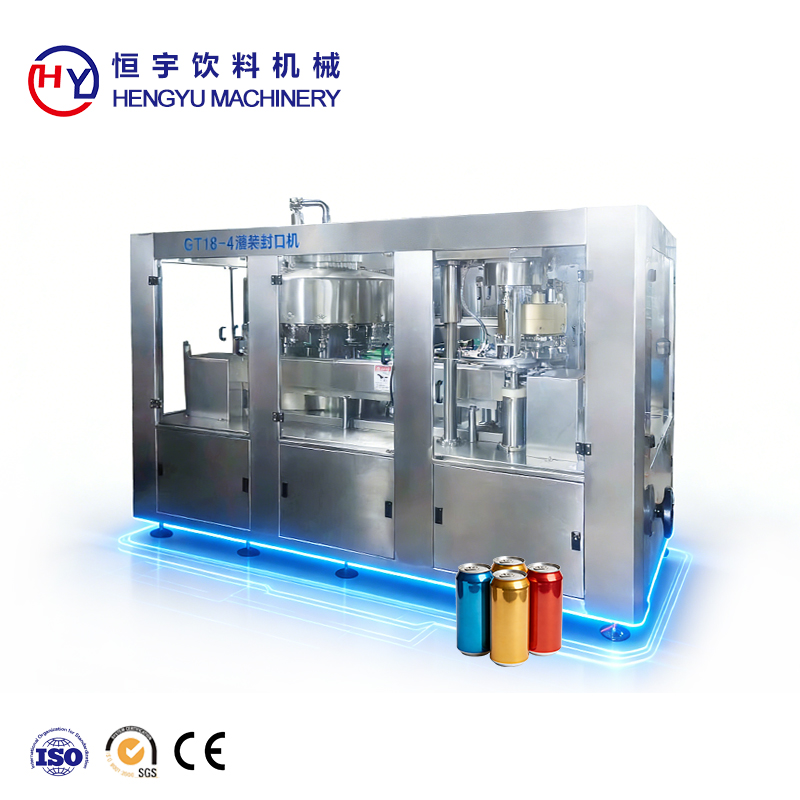
Professional Soft Drink Canning Machine - High-Speed Automated Beverage Filling Equipment

All Categories

soft drink canning machine

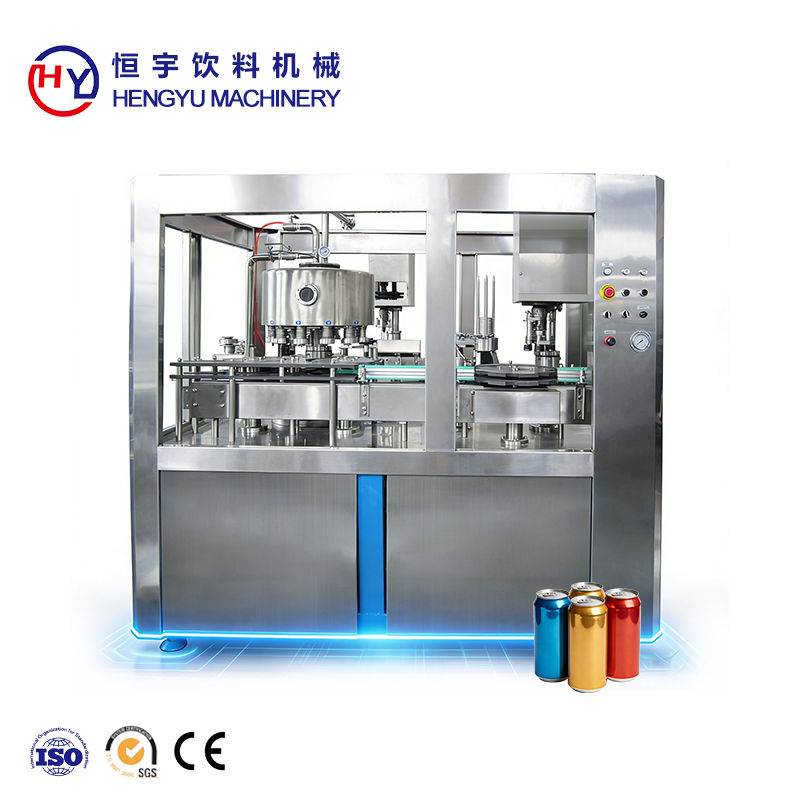
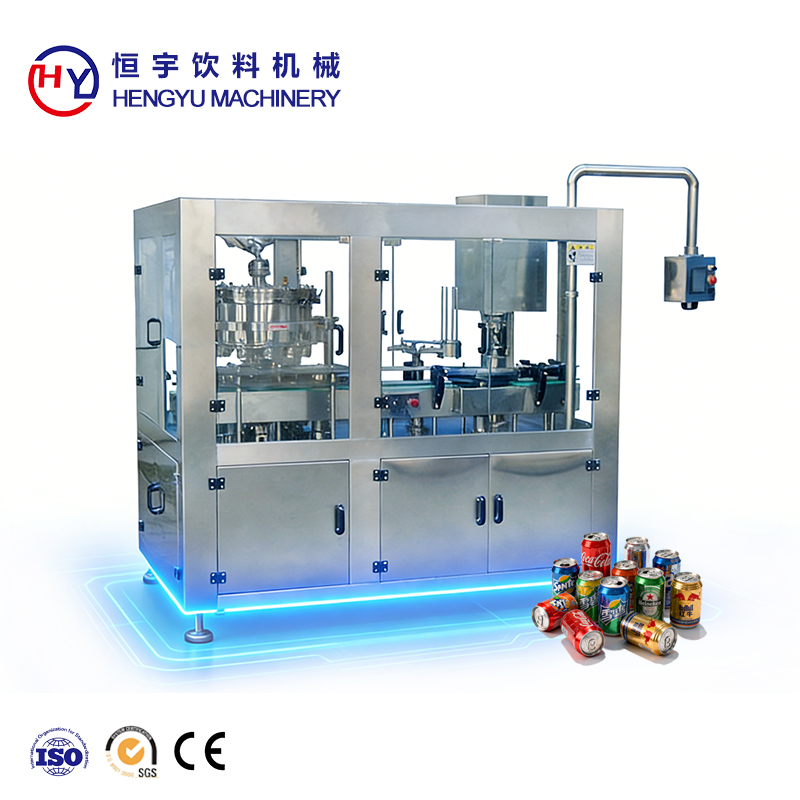
A soft drink canning machine represents essential production equipment designed to automate the entire process of filling carbonated beverages into aluminum cans with precision and efficiency. This sophisticated machinery handles multiple operations simultaneously, including can derinning, rinsing, filling, seaming, and packaging. Modern soft drink canning machines incorporate advanced control systems that monitor every stage of production, ensuring consistent quality and minimizing waste throughout the canning process. The equipment operates through a series of synchronized stations where empty cans move along conveyor systems, undergoing systematic preparation before receiving the beverage product. The technological features of contemporary soft drink canning machines include programmable logic controllers that allow operators to adjust filling volumes, speed parameters, and quality checkpoints according to specific production requirements. Integrated sensors continuously measure carbonation levels, fill heights, and can integrity, automatically rejecting defective units before they proceed further down the production line. The filling mechanism employs counter-pressure technology, which prevents foaming and maintains optimal carbonation levels by equalizing pressure inside the can before introducing the liquid beverage. Seaming heads then apply precisely engineered double seams that create hermetic seals, protecting product freshness and extending shelf life. These machines accommodate various can sizes, typically ranging from 200ml to 500ml, with quick-changeover capabilities that minimize downtime when switching between different product formats. Applications span diverse beverage sectors including cola drinks, flavored sodas, sparkling water, energy drinks, and ready-to-drink coffee products. Manufacturers utilize soft drink canning machines in facilities ranging from small craft beverage operations producing several thousand cans daily to large-scale industrial plants outputting hundreds of thousands of units per hour. The modular design philosophy enables businesses to scale production capacity by adding components or upgrading specific sections without replacing entire systems, providing long-term flexibility as market demands evolve and production volumes increase over time.

Popular Products

Investing in a soft drink canning machine delivers substantial operational benefits that directly impact your bottom line and market competitiveness. First, automation dramatically reduces labor costs while simultaneously increasing production consistency. Manual canning operations require multiple workers performing repetitive tasks, leading to fatigue-related errors and inconsistent results. The soft drink canning machine eliminates these variables by executing each operation with mechanical precision, ensuring every can receives exactly the correct fill volume and proper seal regardless of production duration. This consistency strengthens brand reputation as consumers receive identical product quality with every purchase. Second, speed advantages transform production capabilities. Where manual operations might produce hundreds of cans hourly, automated soft drink canning machines process thousands to tens of thousands of units during the same timeframe. This velocity enables businesses to fulfill larger orders, respond quickly to market demands, and reduce lead times between production runs and product delivery. Third, the equipment significantly minimizes product waste and spillage. Precise volumetric filling systems ensure accurate liquid measurements, preventing overfilling that wastes product and underfilling that fails to meet regulatory requirements. The enclosed filling environment also reduces exposure to contaminants, decreasing rejection rates and protecting product integrity. Fourth, enhanced safety features protect workers from potential hazards associated with pressurized carbonated beverages and moving machinery. Automated guards, emergency stop mechanisms, and enclosed processing zones create safer work environments compared to manual handling operations. Fifth, the soft drink canning machine provides valuable production data through integrated monitoring systems. Real-time metrics tracking fill rates, downtime incidents, rejection percentages, and overall equipment effectiveness empower managers to identify improvement opportunities and optimize operational efficiency. Sixth, improved hygiene standards result from automated clean-in-place systems that sanitize equipment surfaces without disassembly. These cleaning cycles execute programmed sequences using precise chemical concentrations and temperatures, ensuring thorough sanitation that meets food safety regulations. Seventh, the machinery offers exceptional return on investment through reduced operating costs, increased production volumes, and minimized quality issues. While initial capital expenditure requires careful budgeting, the cumulative savings from labor reduction, waste minimization, and production acceleration typically deliver payback within reasonable timeframes. Finally, the professional appearance of machine-canned products enhances market positioning, as consumers perceive consistently presented canned beverages as premium offerings compared to irregularly packaged alternatives, supporting higher price points and stronger brand value in competitive retail environments.

Tips And Tricks

How Bottled Water Production Lines Maintain Product Safety

12

Mar

How Bottled Water Production Lines Maintain Product Safety

Regulatory Foundations and the Multi-Barrier Safety Framework FDA, EPA, and ISO Standards Specific to Bottled Water Production Lines The bottled water industry works within a pretty strict set of regulations. The FDA has these things called Good Ma...
View More
Can Filling Machine Capacity Planning Guide

22

Mar

Can Filling Machine Capacity Planning Guide

Understanding Can Filling Machine Capacity: Theory vs. Real-World Performance Why Theoretical Capacity Rarely Matches Effective Output on Can Filling Lines When companies talk about canning speed at 100 cans per minute, they're referring to what ha...
View More
Can Sealing Machine Maintenance Tips

23

Mar

Can Sealing Machine Maintenance Tips

Daily and Weekly Preventive Maintenance for Your Can Sealing Machine Essential Daily Checks: Belt Tension, Sealing Bar Alignment, and Tape Head Cleanliness Starting every shift with a quick check on belt tension makes all the difference. If belts a...
View More
Automation Technology in Can Sealing Machines

24

Mar

Automation Technology in Can Sealing Machines

How Automation Enhances Precision and Reliability in Can Sealing Machines Core Automation Components: Servo Drives, Vision Systems, and Closed-Loop Feedback in Modern Can Sealing Machines Today's can sealing equipment reaches incredible levels of p...
View More

Get a Free Quote

Our representative will contact you soon.
Email
Name
Phone/WhatsApp
Required Product
Message
0/1000

soft drink canning machine

Advanced Counter-Pressure Filling Technology Preserves Carbonation Quality

Advanced Counter-Pressure Filling Technology Preserves Carbonation Quality

The counter-pressure filling system represents the most critical technological advancement within modern soft drink canning machines, directly addressing the primary challenge of maintaining carbonation levels during the packaging process. This sophisticated mechanism operates by first pressurizing empty cans with carbon dioxide to match the pressure level of the carbonated beverage waiting to be dispensed. By equalizing pressure between the container and the liquid source, the system prevents the sudden pressure drop that would otherwise cause rapid CO2 release, resulting in excessive foaming, product loss, and diminished carbonation in the finished product. The soft drink canning machine executes this process through precision-engineered filling valves that control multiple stages seamlessly. Initially, the filling head creates an airtight seal against the can opening, then introduces pressurized gas until internal can pressure matches the beverage pressure. Once equilibrium is achieved, the valve opens to allow liquid flow at controlled rates that prevent turbulence and agitation. Throughout filling, sensors continuously monitor pressure levels and filling volume, making micro-adjustments to maintain optimal conditions. The importance of this technology extends beyond carbonation preservation to encompass broader quality and efficiency benefits. Products maintain their intended taste profiles, as proper carbonation levels directly influence flavor perception and mouthfeel characteristics that consumers expect. Shelf stability improves because adequately carbonated beverages in properly sealed cans resist oxidation and microbial growth more effectively than poorly processed alternatives. From an operational perspective, counter-pressure filling reduces product waste significantly, as minimized foaming means less spillage and more saleable output from each production batch. The system also enables faster line speeds because preventing foam formation eliminates the need for settling time between filling and seaming operations. For beverage producers entering competitive markets, this filling technology delivers measurable advantages in product differentiation and cost control. The soft drink canning machine equipped with counter-pressure systems produces beverages that remain fizzy and fresh throughout their shelf life, generating positive consumer experiences that drive repeat purchases and brand loyalty. Manufacturing efficiency gains translate to lower per-unit production costs, enabling competitive pricing strategies while maintaining healthy profit margins essential for business sustainability and growth.
Flexible Production Capabilities With Quick-Changeover Design

Flexible Production Capabilities With Quick-Changeover Design

Modern soft drink canning machines incorporate intelligent design principles that enable rapid transitions between different can sizes, product formulations, and packaging configurations, providing manufacturers with operational agility essential in today's dynamic beverage marketplace. This flexibility stems from modular component architecture and tool-free adjustment mechanisms that dramatically reduce changeover times compared to traditional fixed-configuration equipment. Production teams can switch from filling 250ml cans to 330ml or 500ml formats within minutes rather than hours, minimizing downtime and maximizing productive capacity utilization. The quick-changeover capability is engineered into multiple machine sections, including conveyor guides, filling heads, seaming chucks, and packaging groupers, with each component featuring intuitive adjustment systems. Conveyor rails slide to accommodate different can diameters, secured by quick-release clamps that require no tools for repositioning. Filling valve assemblies adjust vertically to match various can heights, with digital position indicators ensuring precise setup accuracy. Seaming stations feature interchangeable chuck sets designed for tool-free installation, with each set optimized for specific can dimensions and seam specifications. This design philosophy delivers substantial practical benefits for beverage manufacturers operating in markets characterized by seasonal demand fluctuations, limited-edition releases, and diverse product portfolios. A soft drink canning machine with flexible capabilities enables producers to economically manufacture smaller production runs of specialty beverages without sacrificing efficiency, opening opportunities to test new flavors, respond to regional preferences, and capitalize on trending ingredients without committing to dedicated single-purpose equipment. The financial implications of this flexibility prove significant across multiple dimensions. Capital efficiency improves as one versatile soft drink canning machine replaces what previously required multiple dedicated lines, reducing equipment acquisition costs and facility space requirements. Inventory management becomes more responsive since manufacturers can produce products in quantities closely aligned with actual demand patterns rather than generating large batches to justify changeover expenses. Market responsiveness accelerates as product development teams can bring new concepts to market faster, conducting limited production trials to gather consumer feedback before scaling successful offerings. For growing businesses, this adaptability provides a strategic advantage by supporting expansion into new product categories and market segments without proportional increases in capital investment, enabling sustainable growth trajectories that align production capabilities with evolving business strategies and market opportunities.
Integrated Quality Control Systems Ensure Consistent Product Excellence

Integrated Quality Control Systems Ensure Consistent Product Excellence

Contemporary soft drink canning machines feature comprehensive quality monitoring systems that continuously evaluate product and packaging integrity throughout the production process, automatically identifying and rejecting defective units before they enter distribution channels. These integrated control mechanisms employ multiple inspection technologies working in coordinated sequences to verify that every can meets established quality standards across numerous parameters. Vision systems equipped with high-resolution cameras capture images of filled cans, analyzing fill levels to ensure volumes fall within acceptable tolerances, typically measuring accuracy to within plus or minus one millimeter of target height. These same imaging systems inspect can exteriors for dents, scratches, or deformities that could compromise structural integrity or aesthetic appeal. Seam inspection stations employ specialized sensors that measure seam thickness, overlap dimensions, and tightness ratings, comparing results against specifications engineered to guarantee hermetic seals capable of maintaining product freshness throughout intended shelf life periods. Weight verification scales measure each filled can, confirming that total package weight corresponds to expected values based on liquid volume, can weight, and acceptable deviation ranges. The soft drink canning machine processes this continuous stream of quality data through central control systems that make instantaneous decisions about product acceptance or rejection. When sensors detect parameters falling outside acceptable ranges, rejection mechanisms activate pneumatic pushers or diverter gates that remove defective cans from the main production flow, directing them to collection bins for review or recycling. Simultaneously, the control system logs every rejection event, creating detailed records that identify specific defect types, occurrence frequencies, and temporal patterns that quality managers analyze to identify root causes and implement corrective actions. These quality assurance capabilities deliver multiple strategic benefits for beverage manufacturers. Consumer safety and satisfaction remain paramount as systematic defect elimination ensures only properly filled and sealed products reach customers, protecting brand reputation and minimizing liability risks associated with product failures. Regulatory compliance becomes more manageable since documented quality data provides verifiable evidence of manufacturing controls that meet food safety standards and labeling accuracy requirements. Operational efficiency improves as early defect detection prevents defective units from consuming resources in downstream processes like packaging, palletizing, and warehousing. The soft drink canning machine equipped with advanced quality systems also supports continuous improvement initiatives by generating performance metrics that reveal optimization opportunities, enabling data-driven decisions about process adjustments, preventive maintenance scheduling, and equipment upgrade priorities that enhance overall manufacturing effectiveness and competitive positioning in demanding beverage markets.