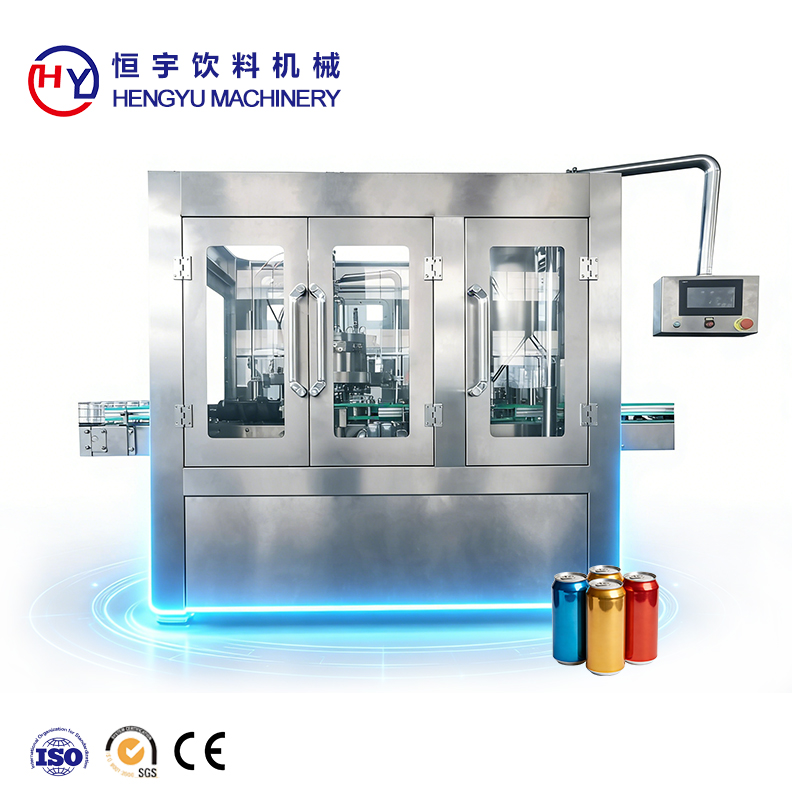
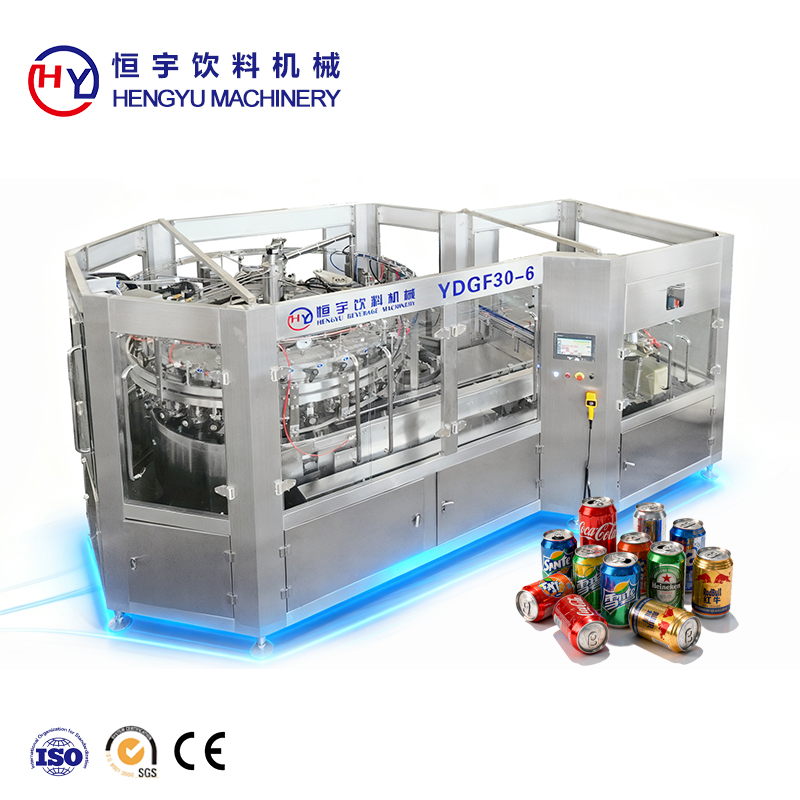
Professional Aluminium Can Filling Machine - High-Speed Automated Filling Solutions for Beverage and Liquid Production

All Categories

aluminium can filling machine

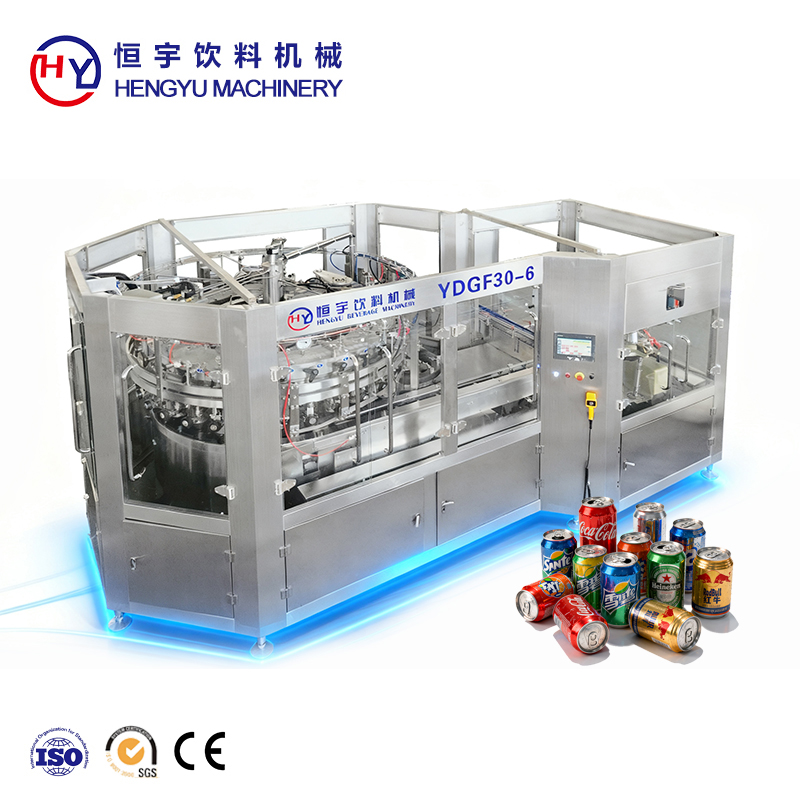
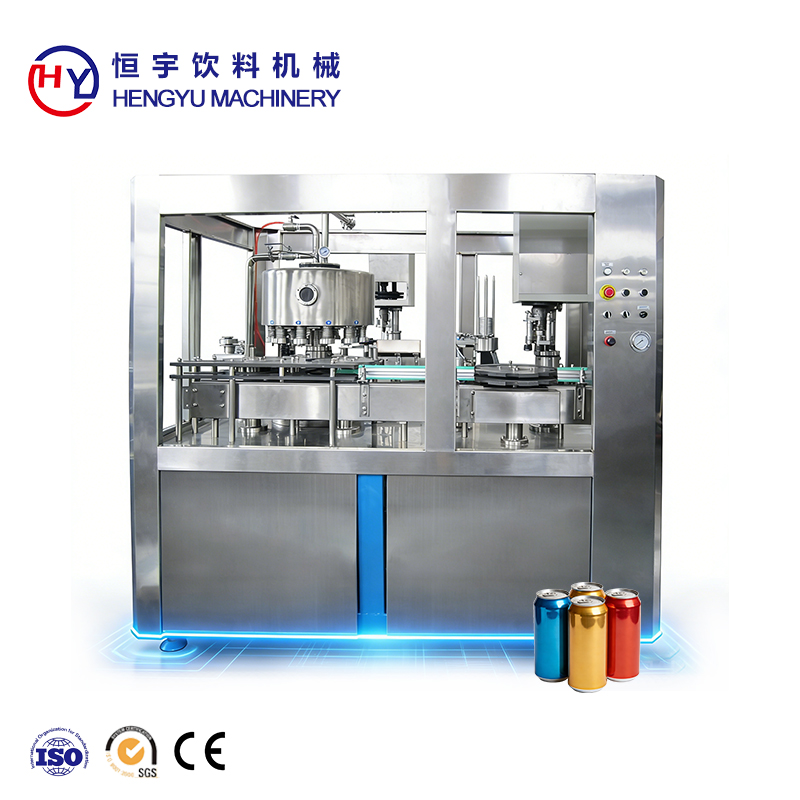
An aluminium can filling machine represents a sophisticated piece of industrial equipment designed specifically to automate the process of filling aluminium cans with various liquids including beverages, oils, chemicals, and other products. This specialized machinery plays a crucial role in modern production lines by ensuring consistent, accurate, and hygienic filling operations at high speeds. The aluminium can filling machine integrates multiple technological systems including precise volumetric or weight-based filling mechanisms, automated conveyor systems, quality control sensors, and programmable logic controllers that work together seamlessly. The main functions encompass can positioning, filling with exact measurements, maintaining product integrity, and preparing containers for the subsequent sealing process. These machines accommodate diverse can sizes ranging from small 150ml containers to larger 500ml or even 1000ml formats, offering flexibility for manufacturers producing multiple product lines. Technological features include stainless steel construction that meets food-grade standards, touchscreen interfaces for operator control, servo-driven filling heads that deliver exceptional accuracy, anti-drip nozzles preventing product waste, and automatic CIP cleaning systems that reduce downtime between production runs. Advanced models incorporate vision systems for quality inspection, reject mechanisms for defective cans, and data logging capabilities for traceability requirements. Applications span numerous industries with beverage production being the most prominent sector utilizing these machines for carbonated drinks, energy drinks, craft beers, and ready-to-drink cocktails. The pharmaceutical industry employs aluminium can filling machines for liquid supplements and health products, while the automotive sector uses them for lubricants and brake fluids. Chemical manufacturers rely on this equipment for paints, solvents, and industrial cleaners packaged in aluminium containers. The food industry benefits from these machines when packaging cooking oils, sauces, and other liquid food products that require the protective properties of aluminium packaging combined with efficient production capabilities.

New Products

Investing in an aluminium can filling machine delivers substantial operational improvements that directly impact your bottom line and production efficiency. First and foremost, these machines dramatically increase production speed compared to manual or semi-automated methods, with modern systems capable of filling anywhere from 60 to 600 cans per minute depending on the model and product characteristics. This acceleration in throughput means you can fulfill larger orders faster, reduce labor costs significantly, and improve your competitive position in the marketplace. Accuracy stands as another critical advantage, with modern aluminium can filling machines achieving fill precision within plus or minus 0.5 percent of the target volume. This consistency eliminates product giveaway where you overfill containers and lose money, while also preventing underfilling that could lead to regulatory compliance issues or customer dissatisfaction. The machines maintain this precision across thousands of consecutive fills without deviation, something impossible to achieve through manual operations. Hygiene and product safety receive a major boost through automated filling systems that minimize human contact with the product. The enclosed filling environment, combined with sanitary design principles and automated cleaning cycles, reduces contamination risks substantially. This proves especially valuable when producing food-grade beverages or pharmaceutical products where safety standards are stringent. Labor optimization represents a significant financial advantage as one operator can supervise an aluminium can filling machine that replaces multiple manual workers, freeing up your workforce for other value-added tasks while reducing payroll expenses and minimizing workplace injury risks associated with repetitive manual filling activities. Flexibility in production allows you to switch between different product formulations or can sizes with relatively simple changeover procedures, often completed in under 30 minutes. This adaptability enables small batch production for specialty items alongside high-volume runs for popular products without requiring separate dedicated equipment. Quality consistency improves dramatically since the machine applies identical filling parameters to every single can, eliminating the variations inherent in human performance due to fatigue, distraction, or training differences. Your customers receive a uniform product experience that builds brand trust and reduces complaint rates. Waste reduction occurs through precise filling that eliminates spillage, efficient product transfer systems that minimize residual waste, and reject mechanisms that identify defective cans before product is dispensed. These features contribute to better material utilization and lower production costs. Long-term reliability and durability characterize well-manufactured aluminium can filling machines, with robust construction ensuring years of dependable service when properly maintained, providing excellent return on investment compared to the ongoing costs of manual operations or less sophisticated equipment alternatives.

Latest News

How to Choose a Glass Bottle Filling Machine for Beverage Production

06

Mar

How to Choose a Glass Bottle Filling Machine for Beverage Production

Match Filling Technology to Beverage Type and Sensitivity Counter-Pressure Fillers for Carbonated Beverages and Beer Carbonated drinks like soda, sparkling water and beer need careful filling techniques to keep their fizz intact while avoiding exc...
View More
How Bottled Water Production Lines Maintain Product Safety

12

Mar

How Bottled Water Production Lines Maintain Product Safety

Regulatory Foundations and the Multi-Barrier Safety Framework FDA, EPA, and ISO Standards Specific to Bottled Water Production Lines The bottled water industry works within a pretty strict set of regulations. The FDA has these things called Good Ma...
View More
How Can Filling Machines Improve Beverage Production Speed

24

Mar

How Can Filling Machines Improve Beverage Production Speed

Filling Machine Type Determines Maximum Throughput Potential Gravity, Isobaric, and Piston Can Filling Machines: Speed vs. Precision Trade-offs Gravity fillers work well for delicate drinks such as juice, processing around 20 to 36 bottles every mi...
View More
Automation Technology in Can Sealing Machines

24

Mar

Automation Technology in Can Sealing Machines

How Automation Enhances Precision and Reliability in Can Sealing Machines Core Automation Components: Servo Drives, Vision Systems, and Closed-Loop Feedback in Modern Can Sealing Machines Today's can sealing equipment reaches incredible levels of p...
View More

Get a Free Quote

Our representative will contact you soon.
Email
Name
Phone/WhatsApp
Required Product
Message
0/1000

aluminium can filling machine

Advanced Precision Filling Technology Ensures Perfect Product Delivery

Advanced Precision Filling Technology Ensures Perfect Product Delivery

The heart of any aluminium can filling machine lies in its precision filling technology, which represents a sophisticated engineering achievement that transforms raw capability into consistent commercial value. Modern systems employ either volumetric piston fillers, flow meter technology, or advanced weight-based filling mechanisms, each optimized for specific product characteristics and production requirements. Volumetric piston fillers excel with products of varying viscosities, using precisely machined cylinders and pistons that draw a specific volume from the product reservoir and dispense it into each aluminium can with remarkable consistency. The mechanical simplicity of this approach provides reliability while the precision machining ensures accuracy across millions of fill cycles. Flow meter systems utilize electromagnetic or ultrasonic measurement technology to monitor the exact volume passing through the filling nozzle in real-time, making dynamic adjustments to valve timing that compensate for variations in product temperature, pressure, or viscosity. This adaptive capability maintains fill accuracy even when production conditions fluctuate throughout a shift or between different product batches. Weight-based filling systems represent the pinnacle of accuracy for high-value products where even minor deviations impact profitability. These systems place each aluminium can on a precision load cell during filling, monitoring the weight continuously and stopping the fill cycle exactly when the target weight is achieved. This method proves particularly valuable for carbonated beverages where foam formation can complicate volumetric measurement, or for expensive formulations where overfilling represents significant lost revenue. The filling nozzles themselves incorporate anti-drip technology featuring spring-loaded seals or pneumatic shutoff valves that create a clean break when filling completes, preventing product waste and keeping the aluminium can exterior clean for labeling. Many advanced aluminium can filling machines feature diving nozzles that descend into the can during filling, particularly important for carbonated products where this technique minimizes turbulence and foam formation while reducing oxygen pickup that could compromise product shelf life. The control systems governing these filling operations utilize high-speed processors running sophisticated algorithms that coordinate valve timing, nozzle positioning, conveyor speed, and quality checks with microsecond precision. Operators interact with these systems through intuitive touchscreen interfaces that display real-time production metrics, allow recipe storage for quick product changeovers, and provide diagnostic information when adjustments are needed. This combination of mechanical precision, sensor technology, and intelligent control creates a filling system that delivers consistent results hour after hour, shift after shift, contributing directly to product quality, customer satisfaction, and operational profitability.
Robust Construction and Sanitary Design for Reliable Long-Term Operation

Robust Construction and Sanitary Design for Reliable Long-Term Operation

The physical construction and design philosophy behind an aluminium can filling machine fundamentally determines its operational lifespan, maintenance requirements, and suitability for various production environments. Premium machines feature frames and product-contact components fabricated from high-grade stainless steel, typically 304 or 316 stainless steel depending on whether the products being filled have corrosive properties. This material selection provides exceptional resistance to rust, chemical attack, and the thermal stresses associated with cleaning cycles, ensuring the machine maintains its structural integrity and hygienic properties throughout years of demanding use. The sanitary design principles incorporated into quality aluminium can filling machines go far beyond simple material selection. Engineers design product pathways with smooth internal surfaces free from dead legs, pockets, or crevices where product residue could accumulate and harbor bacterial growth. All product-contact surfaces feature electropolished finishes that create a microscopically smooth surface that resists bacterial adhesion and facilitates complete cleaning. Connections utilize sanitary tri-clamp fittings rather than threaded connections, allowing quick disassembly for inspection and deep cleaning while providing positive seals that prevent contamination. Drainage points are strategically positioned at the lowest points of product vessels and piping to ensure complete evacuation during cleaning procedures. Many aluminium can filling machines incorporate automated CIP systems that circulate cleaning solutions through all product pathways without requiring disassembly, dramatically reducing downtime between production runs or product changeovers. These systems follow programmable sequences that include pre-rinse phases to remove product residue, caustic cleaning cycles to remove organic materials and sanitize surfaces, acid rinses to eliminate mineral deposits, and final sanitizing rinses that leave surfaces ready for production. The structural frame supporting the filling mechanisms is engineered for stability and vibration damping, essential for maintaining the precise alignments required for high-speed filling operations. Heavy-duty cross-members and diagonal bracing prevent frame flex under operating loads, while adjustable feet with vibration-isolating pads ensure solid installation on factory floors. Access panels and guards protect operators from moving components while remaining easily removable for maintenance tasks, striking the necessary balance between safety and serviceability. The electrical and pneumatic systems feature industrial-grade components rated for continuous duty in food production environments, with IP65 or higher ingress protection ratings preventing dust and moisture intrusion. Wiring harnesses are neatly routed through protective conduits and labeled comprehensively, simplifying troubleshooting and future modifications. This attention to construction quality and sanitary design principles translates into an aluminium can filling machine that operates reliably, maintains hygienic standards effortlessly, and provides excellent return on investment through minimal downtime and long service life.
Intelligent Automation and Integration Capabilities for Modern Production Lines

Intelligent Automation and Integration Capabilities for Modern Production Lines

Contemporary aluminium can filling machines function as intelligent production nodes rather than isolated pieces of equipment, incorporating automation technology and connectivity features that integrate seamlessly with broader manufacturing execution systems. The programmable logic controllers at the core of these machines run sophisticated programs that manage not only the basic filling sequence but also coordinate upstream and downstream equipment, implement quality assurance protocols, and generate production data for analysis. Servo motors have largely replaced pneumatic cylinders and variable frequency drives in precision positioning applications within modern aluminium can filling machines, providing exceptional control over acceleration, velocity, and positioning while enabling quick recipe changes through software parameters rather than mechanical adjustments. These motors drive the conveyor systems that transport aluminium cans through the filling station, the filling heads that descend and retract during each cycle, and the product pumps that supply precise flow rates. The servo controller synchronizes these movements with sub-millisecond timing precision, enabling the smooth coordination necessary for high-speed operation without mechanical stress or product spillage. Vision systems represent another significant automation advancement, with cameras positioned to inspect incoming aluminium cans for defects like dents or contamination before filling occurs, verify proper fill levels after filling completes, and confirm that caps or lids seat correctly if the machine includes seaming capabilities. Machine learning algorithms can be trained to recognize subtle quality deviations that might escape human inspectors, continuously improving detection accuracy over time. Rejected containers are automatically diverted to collection bins without disrupting production flow, with the control system logging rejection reasons for quality analysis. The human-machine interface displays real-time operational status including current production rate, efficiency metrics, fill accuracy statistics, and alarm conditions when intervention is needed. Historical data is stored in internal memory and can be exported to USB drives or transmitted over Ethernet connections to plant-wide manufacturing execution systems for comprehensive production analysis. This connectivity enables production managers to monitor multiple aluminium can filling machines from central control rooms, compare performance across shifts or product lines, and identify optimization opportunities. Recipe management systems store all parameters associated with specific products including fill volumes, conveyor speeds, nozzle positions, and cleaning sequences. When production switches to a different beverage or can size, operators simply select the appropriate recipe and the machine automatically adjusts all settings, reducing changeover time and eliminating the errors that can occur during manual parameter entry. Predictive maintenance capabilities monitor component wear and operating conditions to forecast when maintenance will be needed, enabling scheduled interventions during planned downtime rather than unexpected breakdowns during production runs. This intelligence transforms the aluminium can filling machine from a simple mechanical filler into a smart manufacturing asset that contributes to operational excellence, quality assurance, and continuous improvement initiatives.