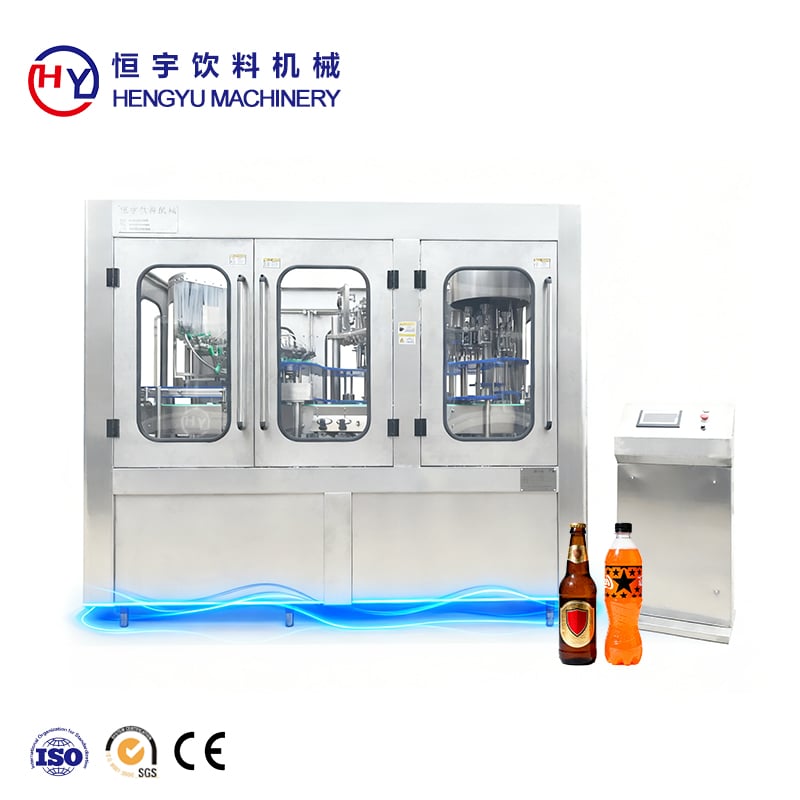
Comprehensive Automation Reducing Labor Costs and Human Error
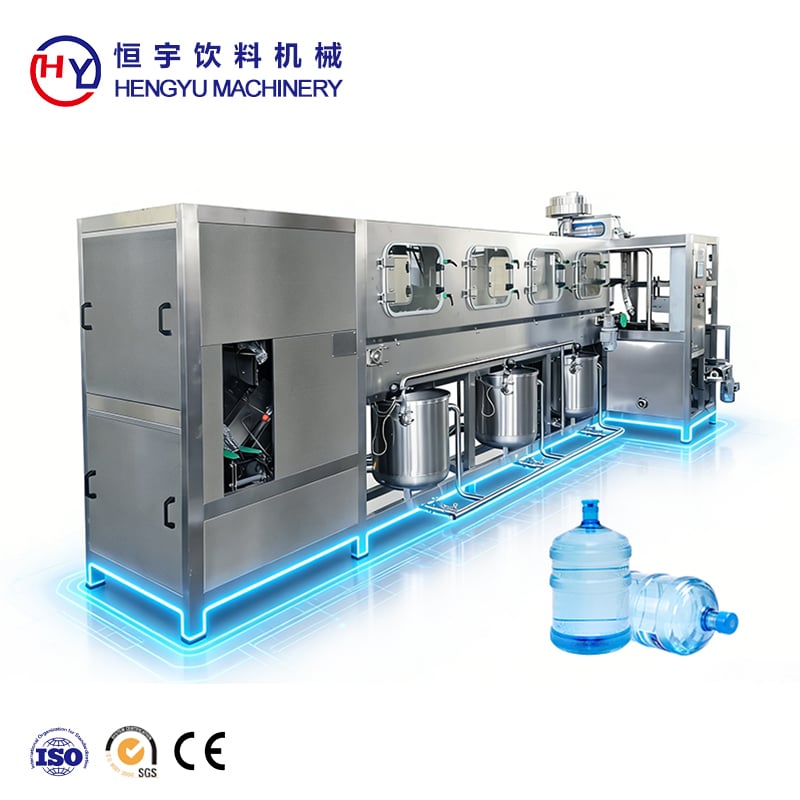
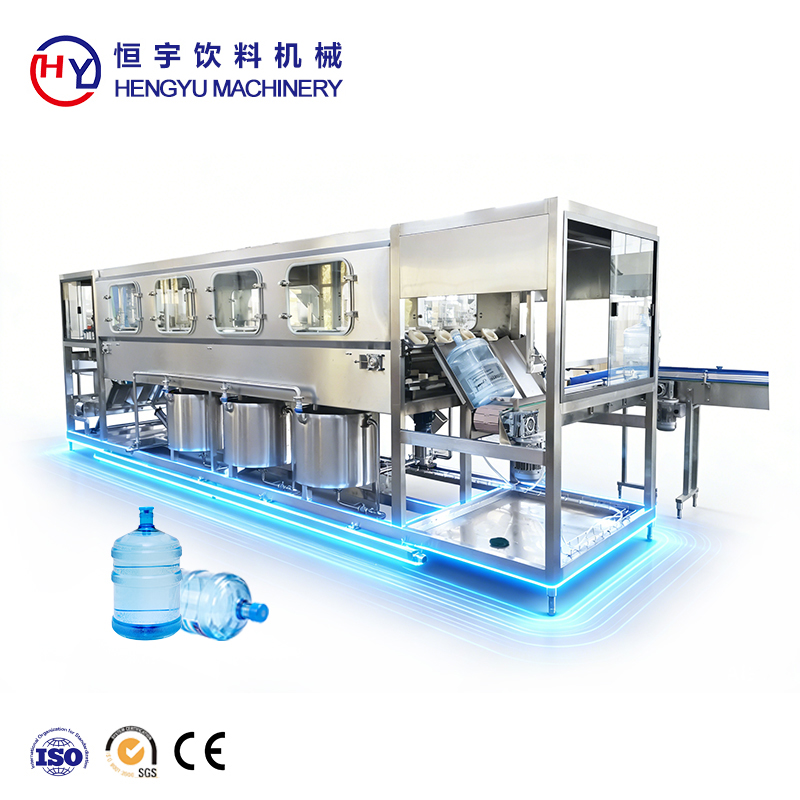
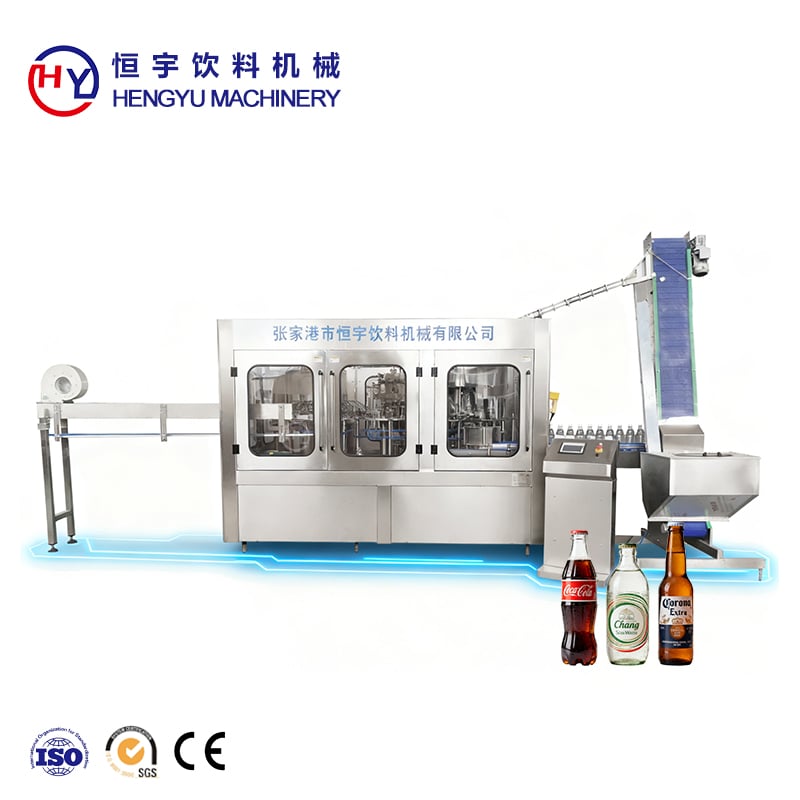
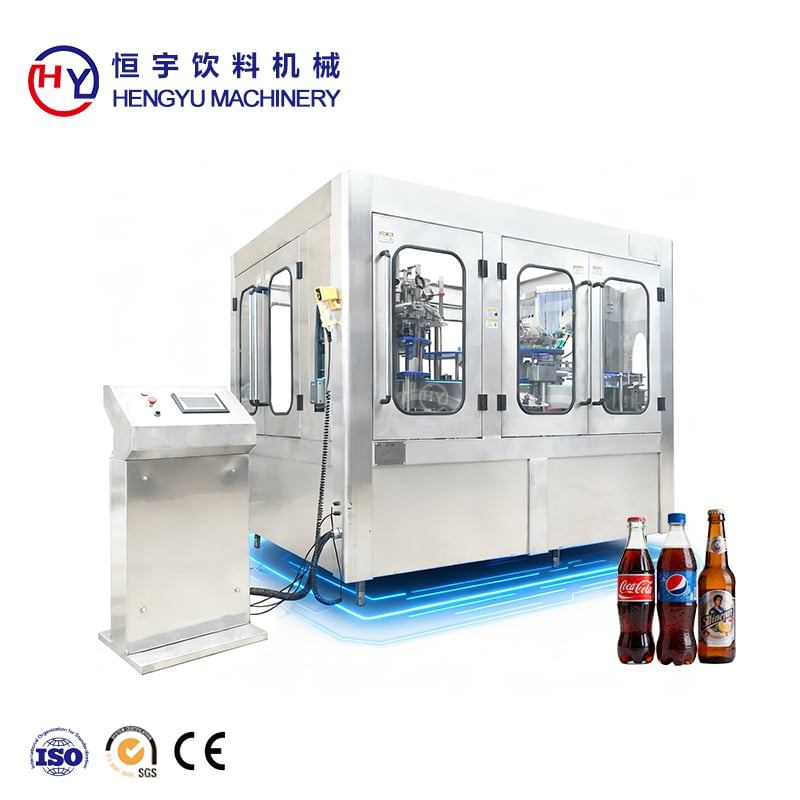
The comprehensive automation features integrated into an automatic soft drink filling machine fundamentally transform production economics by minimizing labor requirements while simultaneously improving quality consistency. Traditional manual filling operations demand multiple workers handling bottles, monitoring fill levels, applying caps, and inspecting finished products throughout extended shifts. The automatic soft drink filling machine consolidates these functions into a single integrated system requiring only supervisory oversight from one operator. This dramatic reduction in labor needs translates into substantial ongoing savings that quickly justify initial equipment investments. Beyond direct wage savings, automation eliminates costs associated with employee benefits, training, turnover, and workplace injuries common in manual production environments. The automatic soft drink filling machine performs repetitive tasks with unwavering consistency, eliminating variations in fill accuracy, capping torque, and handling gentleness that inevitably occur with human operators experiencing fatigue or distraction. Quality improvements resulting from automation reduce rejection rates, customer complaints, and costly product recalls that damage brand reputation. Programmable logic controllers governing the automatic soft drink filling machine execute complex sequences of operations with perfect timing and coordination, ensuring every container receives identical treatment regardless of production duration or time of day. Sensor arrays continuously monitor critical parameters including fill levels, cap presence, container orientation, and system pressures, automatically adjusting operations or triggering alerts when deviations occur. This real-time quality control catches problems immediately rather than discovering defects after producing thousands of non-conforming units. The automatic soft drink filling machine interfaces with plant-wide manufacturing execution systems, providing production data, efficiency metrics, and quality statistics that inform management decisions. Automated record-keeping satisfies regulatory documentation requirements without manual logbook entries prone to errors or omissions. Recipe management functions store parameters for different products, enabling instant changeovers without operator guesswork or trial-and-error adjustments. Safety systems protect workers from mechanical hazards through comprehensive guarding, emergency stop functionality, and interlocked access doors that prevent operation when opened. Ergonomic designs position operator interfaces at comfortable heights with clear visibility of critical operations, reducing physical strain during monitoring duties. The automatic soft drink filling machine handles heavy containers and repetitive lifting tasks that cause musculoskeletal injuries in manual operations, creating healthier workplaces with fewer compensation claims. Remote diagnostics capabilities allow technical support specialists to troubleshoot issues without site visits, minimizing downtime and repair costs. Predictive maintenance algorithms analyze operational data to schedule service activities before component failures interrupt production, optimizing equipment availability and extending machinery lifespan through proper care.

 CN
CN