Complete Carbonated Drink Production Line Solutions - Automated Beverage Manufacturing Systems

All Categories

carbonated drink production line

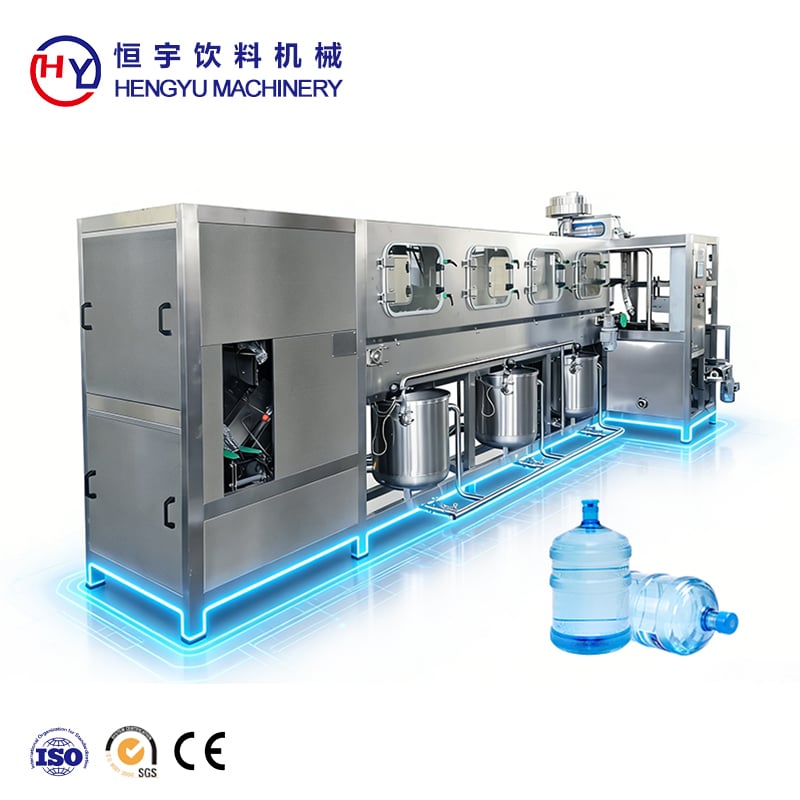
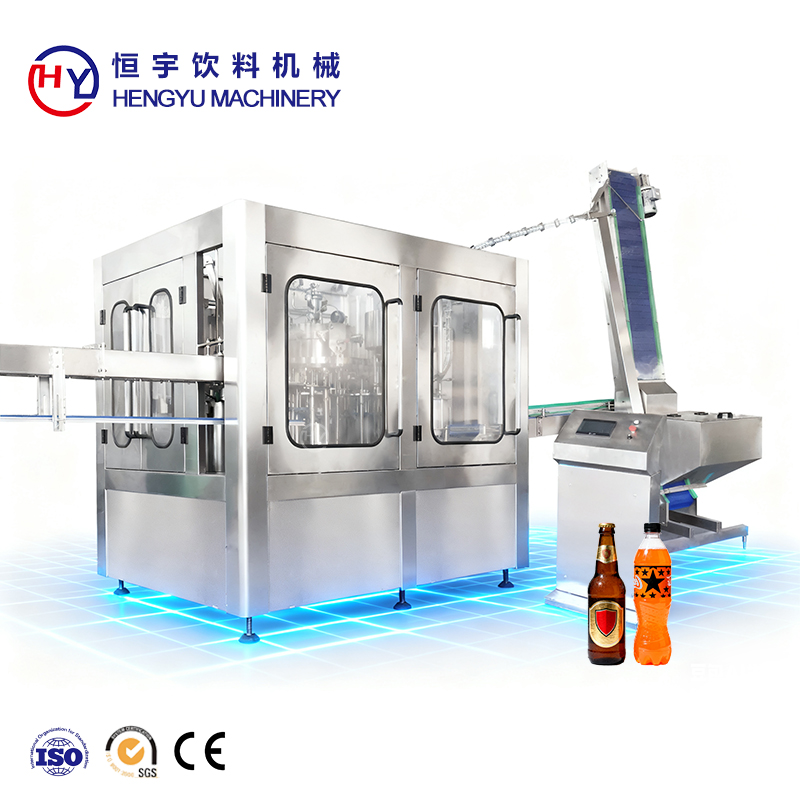
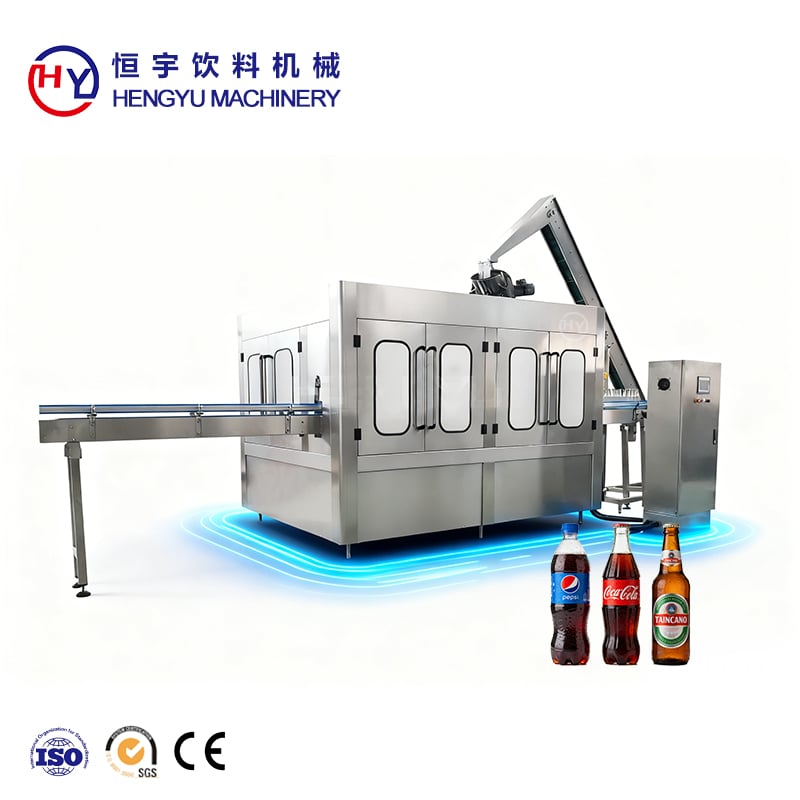
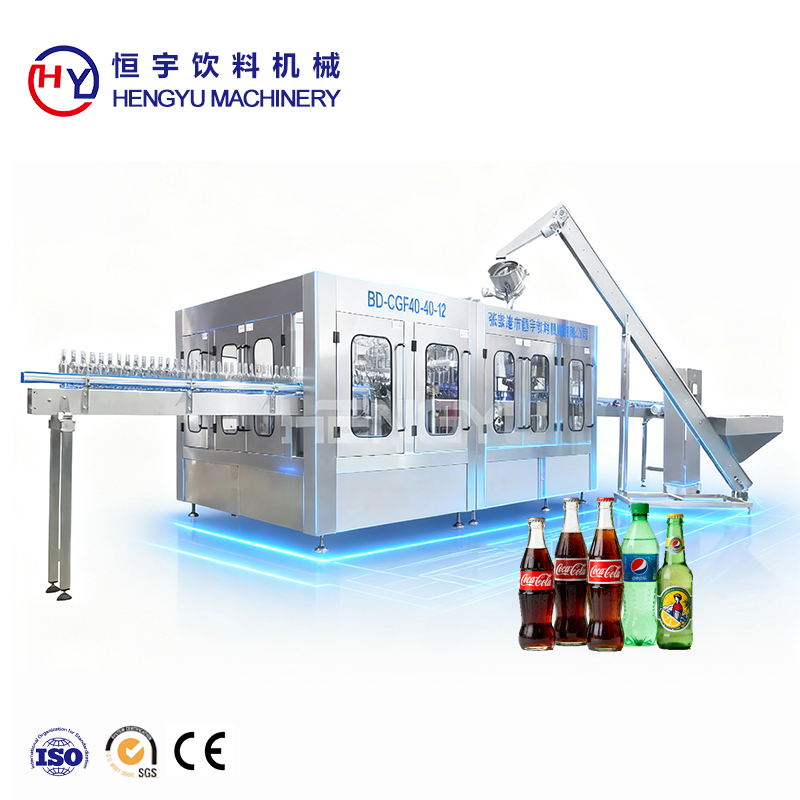
A carbonated drink production line represents a comprehensive manufacturing system designed to produce soft drinks, sparkling beverages, and fizzy refreshments at industrial scale. This automated solution integrates multiple processing stages to transform raw materials into finished carbonated products ready for market distribution. The carbonated drink production line encompasses several critical components including water treatment facilities, syrup preparation tanks, carbonation equipment, filling machines, capping systems, labeling units, and packaging machinery. Modern production lines employ advanced technology to ensure consistent quality, maintain hygiene standards, and optimize operational efficiency throughout the beverage manufacturing process. The system begins with water purification where incoming water undergoes filtration, softening, and sterilization to meet stringent beverage quality requirements. Subsequently, the treated water flows to mixing vessels where precise amounts of sugar, flavorings, colorants, and preservatives blend together to create the base syrup. The carbonation process then infuses carbon dioxide gas into the liquid under controlled pressure and temperature conditions, creating the signature fizz and effervescence that defines carbonated beverages. Following carbonation, the beverage moves to filling stations where high-speed machinery accurately dispenses predetermined volumes into bottles, cans, or other containers. Capping mechanisms immediately seal each container to preserve carbonation levels and prevent contamination. Labeling equipment then applies brand-specific graphics and regulatory information before products proceed to packaging zones where they are organized into cases, cartons, or shrink-wrapped trays. Throughout these stages, the carbonated drink production line incorporates quality control checkpoints, automated monitoring systems, and safety protocols to guarantee product excellence. The entire operation achieves remarkable production speeds ranging from several thousand to tens of thousands of units per hour depending on line configuration and capacity specifications, making it an indispensable asset for beverage manufacturers seeking to meet growing market demands while maintaining competitive pricing and superior product standards.

Popular Products

Investing in a modern carbonated drink production line delivers numerous practical benefits that directly impact your business profitability and operational success. First and foremost, automation significantly reduces labor costs by minimizing manual intervention throughout the manufacturing process. Instead of employing large teams to handle individual tasks, the production line operates with minimal supervision, requiring only a few skilled technicians to monitor equipment performance and address occasional adjustments. This workforce efficiency translates into substantial savings on wages, training expenses, and employee benefits while simultaneously reducing human error that could compromise product quality. The speed and consistency achieved by a carbonated drink production line far exceed manual production capabilities. These systems process thousands of bottles or cans hourly with unwavering precision, ensuring each unit contains the exact carbonation level, flavor profile, and fill volume. This consistency builds brand reputation and customer loyalty as consumers receive identical taste experiences with every purchase. Enhanced hygiene standards represent another critical advantage, as enclosed stainless steel construction and automated cleaning systems eliminate contamination risks associated with human handling. The production line maintains sterile conditions through CIP systems that sanitize equipment between production runs without requiring disassembly, saving time and ensuring food safety compliance. Energy efficiency features integrated into modern production lines reduce utility consumption through optimized heating, cooling, and carbonation processes that minimize waste. Smart sensors and programmable controls adjust operation parameters in real-time, preventing unnecessary energy expenditure while maintaining optimal production conditions. Flexibility stands as a key benefit, allowing manufacturers to switch between different beverage formulations, container sizes, and packaging formats with minimal downtime. Quick-changeover systems enable producers to respond rapidly to market trends, seasonal demands, and customer preferences without investing in multiple dedicated lines. Scalability options permit gradual capacity expansion as business grows, with modular designs accommodating additional equipment integration without complete system overhaul. The production line also improves workplace safety by containing potentially hazardous operations like high-pressure carbonation and automated machinery within protective enclosures, reducing accident risks. Reduced product waste occurs through precise ingredient dosing, accurate filling mechanisms, and immediate rejection of defective units before they consume additional resources in downstream processes. Data collection capabilities provide valuable insights into production metrics, efficiency rates, maintenance needs, and quality trends, empowering management to make informed decisions about operational improvements. The return on investment becomes evident through increased output volumes, lower per-unit production costs, reduced waste, minimal labor requirements, and consistent premium quality that commands better market prices and strengthens customer relationships.

Practical Tips

Glass Bottle Filling Machine vs Plastic Bottle Filling Machine

04

Mar

Glass Bottle Filling Machine vs Plastic Bottle Filling Machine

Material Properties Dictate Core Machine Design Glass fragility and thermal mass: why glass bottle filling machines require reinforced frames, shock-dampened conveyors, and precision neck-handling grippers Working with glass bottles means going th...
View More
How Bottled Water Production Lines Maintain Product Safety

12

Mar

How Bottled Water Production Lines Maintain Product Safety

Regulatory Foundations and the Multi-Barrier Safety Framework FDA, EPA, and ISO Standards Specific to Bottled Water Production Lines The bottled water industry works within a pretty strict set of regulations. The FDA has these things called Good Ma...
View More
Can Filling Machine Capacity Planning Guide

22

Mar

Can Filling Machine Capacity Planning Guide

Understanding Can Filling Machine Capacity: Theory vs. Real-World Performance Why Theoretical Capacity Rarely Matches Effective Output on Can Filling Lines When companies talk about canning speed at 100 cans per minute, they're referring to what ha...
View More
Can Sealing Machine Maintenance Tips

23

Mar

Can Sealing Machine Maintenance Tips

Daily and Weekly Preventive Maintenance for Your Can Sealing Machine Essential Daily Checks: Belt Tension, Sealing Bar Alignment, and Tape Head Cleanliness Starting every shift with a quick check on belt tension makes all the difference. If belts a...
View More

Get a Free Quote

Our representative will contact you soon.
Email
Name
Phone/WhatsApp
Required Product
Message
0/1000

carbonated drink production line

Advanced Carbonation Technology Ensuring Perfect Fizz Every Time

Advanced Carbonation Technology Ensuring Perfect Fizz Every Time

The heart of any carbonated drink production line lies in its sophisticated carbonation technology, which determines the quality, taste, and consumer appeal of the final beverage product. This critical component employs precise engineering to dissolve carbon dioxide gas into liquid under carefully controlled conditions, creating the refreshing effervescence that defines carbonated drinks. Modern carbonation systems utilize specialized equipment such as carbonators, saturators, or carbo-coolers that maintain optimal temperature and pressure parameters throughout the infusion process. The technology operates on fundamental principles where carbon dioxide solubility increases at lower temperatures and higher pressures, requiring the beverage to be chilled before carbonation and maintained under pressure until packaging. Advanced production lines incorporate inline carbonation systems that continuously inject CO2 into flowing liquid streams, ensuring uniform distribution and consistent carbonation levels across entire production batches. These systems feature automated controls that monitor dissolved CO2 concentrations in real-time using specialized sensors and meters, instantly adjusting gas flow rates to maintain target specifications regardless of production speed fluctuations. The precision achieved through this technology eliminates common problems like under-carbonation that results in flat-tasting beverages or over-carbonation causing excessive foaming during filling and potential container rupture. Temperature management systems integrated within the carbonation process maintain beverages at optimal ranges, typically between two and four degrees Celsius, maximizing gas absorption while preventing ice crystal formation. Pressure vessels constructed from food-grade stainless steel withstand the substantial forces involved, often operating at four to five atmospheres, while maintaining absolute hygiene standards and preventing any metallic contamination. The carbonation technology also incorporates deaeration stages that remove atmospheric oxygen from liquids before CO2 injection, preventing oxidation reactions that could degrade flavors, discolor beverages, or reduce shelf life. Counter-pressure filling systems work in harmony with carbonation equipment, maintaining beverages under pressure throughout the filling process to prevent premature CO2 release and preserve carbonation until containers are sealed. This integrated approach ensures that consumers experience the intended fizz intensity and mouthfeel with each opening, directly influencing satisfaction and repeat purchases. For manufacturers, reliable carbonation technology means consistent product quality, reduced customer complaints, lower rejection rates, and the ability to develop diverse beverage formulations ranging from lightly sparkling waters to intensely fizzy sodas, each meeting exact specifications that define brand identity and market positioning in competitive beverage categories.
High-Speed Automated Filling and Packaging Maximizing Production Efficiency

High-Speed Automated Filling and Packaging Maximizing Production Efficiency

The filling and packaging segment of a carbonated drink production line represents the productivity powerhouse that transforms prepared beverages into market-ready products at impressive speeds while maintaining uncompromising accuracy and hygiene. Modern filling systems employ rotary designs with multiple filling valves arranged around a circular carousel, allowing simultaneous filling of dozens of containers as they move through precisely timed sequences. These high-speed fillers achieve remarkable output rates, with advanced models capable of processing between twelve thousand and seventy-two thousand bottles per hour depending on container size and line configuration. The technology utilizes various filling principles including gravity filling, pressure filling, and vacuum filling, each suited to specific container types and carbonation requirements. For carbonated beverages, counter-pressure or isobaric filling methods prove most effective, maintaining containers under CO2 pressure during filling to prevent carbonation loss and minimize foaming. Electronic fill-level detection systems employ sensors that ensure each container receives precisely the correct volume, compensating for variations in container dimensions and maintaining legal compliance with volume regulations. No-bottle-no-fill mechanisms prevent product waste by detecting container presence before initiating fill cycles, while reject systems automatically remove improperly filled, damaged, or contaminated units without interrupting production flow. Following filling, capping machines apply closures with controlled torque specifications that create secure seals without damaging threads or causing leakage, critical for maintaining carbonation during distribution and storage. The integration between filling and capping occurs with split-second timing, minimizing the exposure period when containers remain open and vulnerable to contamination. Labeling equipment then applies decorative and informational labels using various technologies including pressure-sensitive, glue-applied, or shrink-sleeve methods, each offering distinct aesthetic and practical advantages. Modern labeling systems incorporate vision inspection cameras that verify label placement accuracy, orientation, and print quality, automatically rejecting improperly labeled products. Packaging machinery completes the process by organizing finished beverages into secondary packaging formats such as cardboard cartons, shrink-wrapped multipacks, or plastic crates, preparing them for efficient palletization and shipment. Robotic case packers and palletizers handle heavy lifting tasks with tireless consistency, stacking products in optimized configurations that maximize shipping container utilization and minimize transportation costs. The entire filling and packaging system operates through synchronized programmable logic controllers that coordinate equipment timing, adjust speeds, manage product changeovers, and provide operators with intuitive touchscreen interfaces for monitoring and control. This automation level dramatically reduces labor requirements while eliminating bottlenecks that previously limited production capacity, enabling manufacturers to fulfill large orders rapidly, respond to demand surges, and operate extended shifts without performance degradation or increased error rates.
Comprehensive Quality Control and Monitoring Systems Guaranteeing Product Excellence

Comprehensive Quality Control and Monitoring Systems Guaranteeing Product Excellence

Quality assurance forms the backbone of successful carbonated drink manufacturing, and modern production lines incorporate sophisticated monitoring and control systems that safeguard product integrity at every processing stage. These integrated quality management technologies begin at raw material reception, where incoming ingredients undergo testing for purity, composition, and contamination before entering production streams. Water quality monitoring employs continuous sensors measuring parameters including pH levels, conductivity, turbidity, and microbial content, ensuring only water meeting beverage-grade standards enters the manufacturing process. Automated dosing systems equipped with precision pumps and flow meters deliver exact quantities of syrups, flavorings, and additives according to proprietary recipes, eliminating formulation errors that could affect taste consistency. Inline mixing analyzers verify that blended beverages achieve target specifications for sugar content, acidity, color intensity, and other critical attributes before carbonation occurs. During the carbonation phase, dissolved CO2 meters provide continuous feedback enabling real-time adjustments that maintain carbonation within narrow tolerance ranges regardless of production variables. Temperature and pressure sensors throughout the system alert operators to deviations from optimal conditions, triggering corrective actions or production halts to prevent quality compromises. The filling stage incorporates checkweigher systems that weigh each filled container, automatically rejecting units falling outside acceptable weight ranges that indicate underfilling or overfilling. Vision inspection systems examine containers from multiple angles using high-resolution cameras and image processing algorithms, detecting defects such as incorrect fill levels, foreign objects, damaged containers, missing caps, or labeling errors. These automated inspections occur at production line speeds, examining every unit without slowing throughput, something impossible with manual quality checks. Leak detection equipment tests sealed containers under pressure or vacuum conditions, identifying defective closures before products leave the facility and potentially damage brand reputation through customer complaints. Batch tracking systems create digital records linking raw materials, production parameters, quality test results, and finished product lots, enabling complete traceability that facilitates rapid recall execution if quality issues emerge post-distribution. Statistical process control software analyzes quality data streams, identifying trends that indicate developing problems before they result in defective products, supporting proactive maintenance and process optimization. Sanitation monitoring verifies cleaning cycle effectiveness through ATP bioluminescence testing and environmental swabbing, confirming that production equipment meets hygiene standards between runs. Regular calibration protocols maintain measurement accuracy across all sensors and testing equipment, ensuring that quality decisions rest on reliable data. This comprehensive quality framework not only prevents defective products from reaching consumers but also provides manufacturers with detailed performance insights supporting continuous improvement initiatives, regulatory compliance documentation, and the confidence to stand behind their beverages with quality guarantees that differentiate their brands in crowded marketplaces where consumer trust represents invaluable competitive advantage.