User-Friendly Controls Simplify Operations and Reduce Training Time
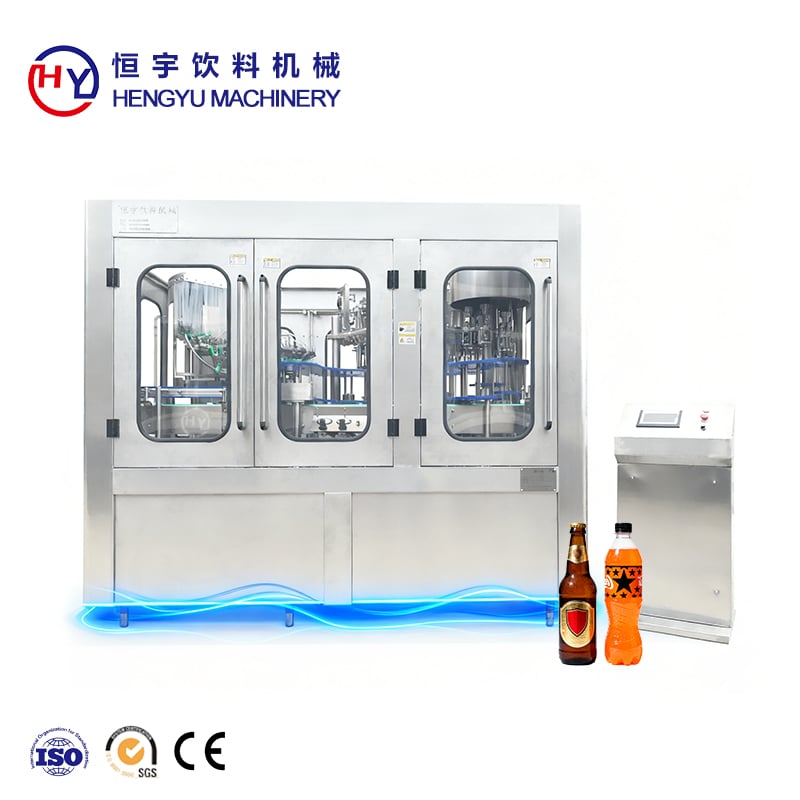
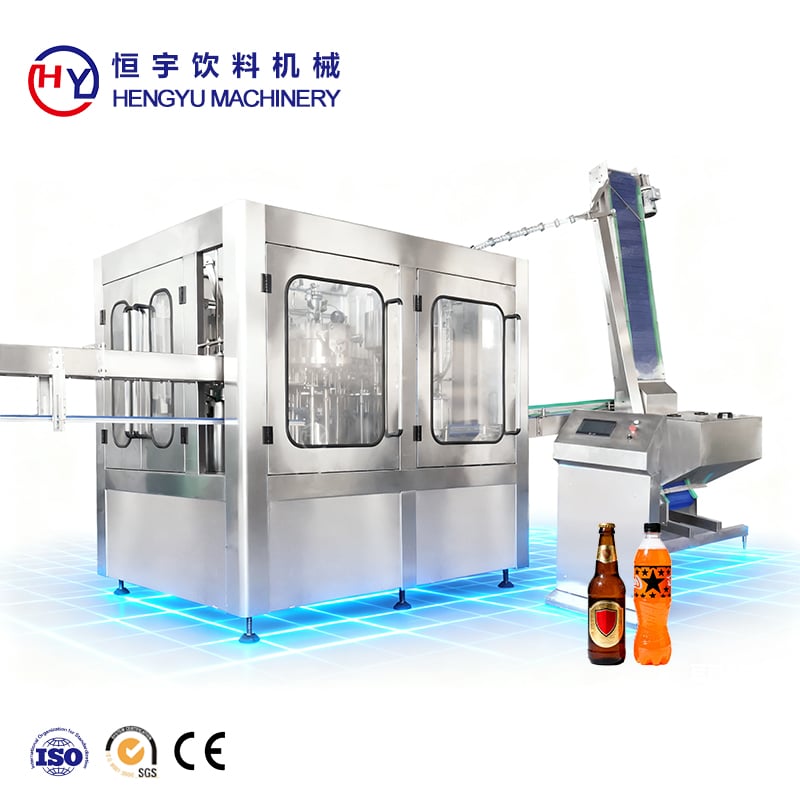
The intuitive control systems integrated into modern small carbonated drink filling machines transform complex beverage production into manageable operations that staff can master quickly, eliminating the need for highly specialized technicians and reducing the operational complexity that intimidates many small business owners considering production automation. These user-friendly interfaces typically feature touchscreen displays with visual representations of production parameters, simple menu navigation, and straightforward adjustment controls that make sense even to operators without engineering backgrounds. The programmable logic controller technology underlying these systems manages the intricate timing, pressure adjustments, and mechanical sequences automatically, allowing operators to focus on monitoring production rather than manipulating complex variables. Preset programs for common bottle sizes and product types enable quick changeovers with just a few screen touches, drastically reducing downtime between production runs of different beverages or package formats. The learning curve for new operators becomes measured in hours rather than weeks, meaning businesses can cross-train multiple staff members to operate the small carbonated drink filling machine without pulling people away from their primary responsibilities for extended training periods. This operational simplicity delivers multiple business advantages. Labor costs decrease because you do not need to hire specialists with rare technical skills or pay premium wages to attract qualified operators. The existing team members who understand your products and quality standards can manage production directly, ensuring that the people who care most about your brand are controlling its execution. When staff turnover occurs, replacement training happens quickly without significant production disruptions or quality inconsistencies during the learning period. The reduced complexity also minimizes operator errors that could damage equipment, waste product, or create safety hazards, protecting both your investment and your team. The diagnostic features built into these control systems provide another layer of practical value. When maintenance needs arise or operational issues occur, the display screens show clear error messages and troubleshooting guidance that help operators identify problems quickly, often resolving minor issues without calling technicians for service visits. Maintenance schedules, production counts, and performance data are tracked automatically, providing valuable information for optimizing operations and planning preventive maintenance that avoids unexpected breakdowns. This transparency into machine performance helps businesses make informed decisions about production scheduling, capacity planning, and equipment lifecycle management, contributing to more efficient overall operations and better financial planning.

 CN
CN