Carbonated Soft Drink Filling Machine - Advanced Bottling Solutions for Beverage Production

All Categories

carbonated soft drink filling machine

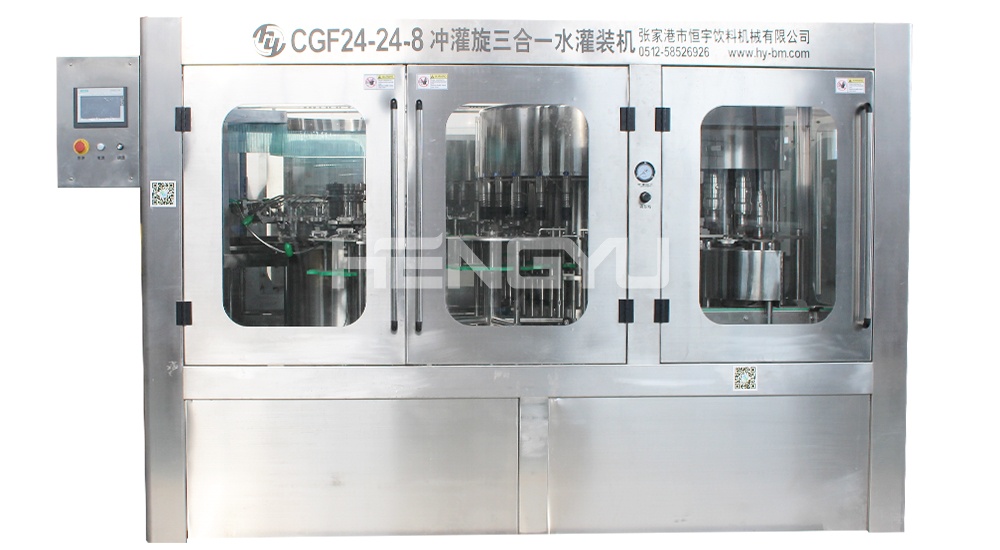
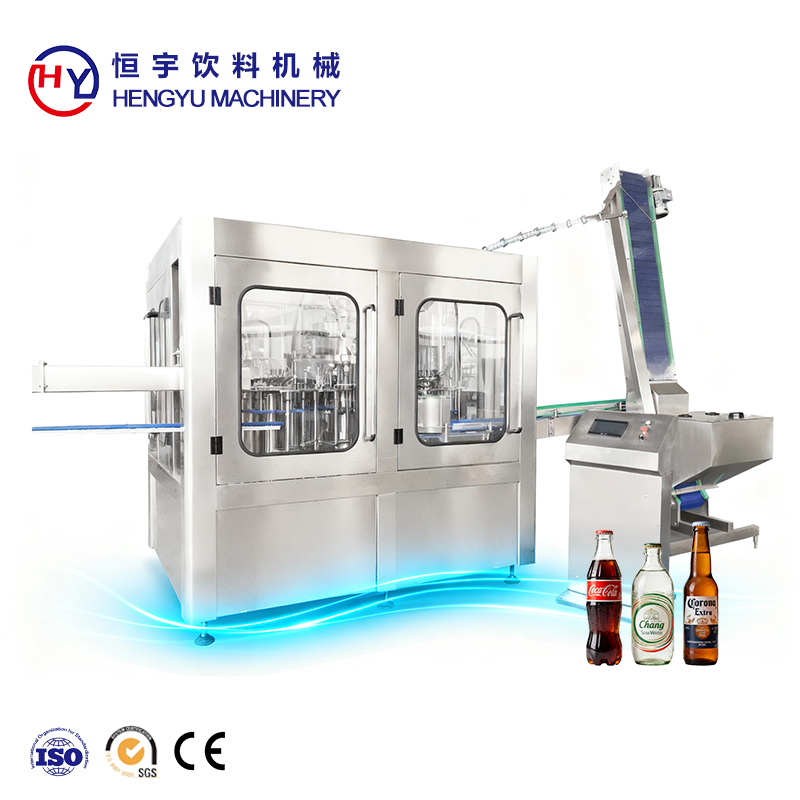
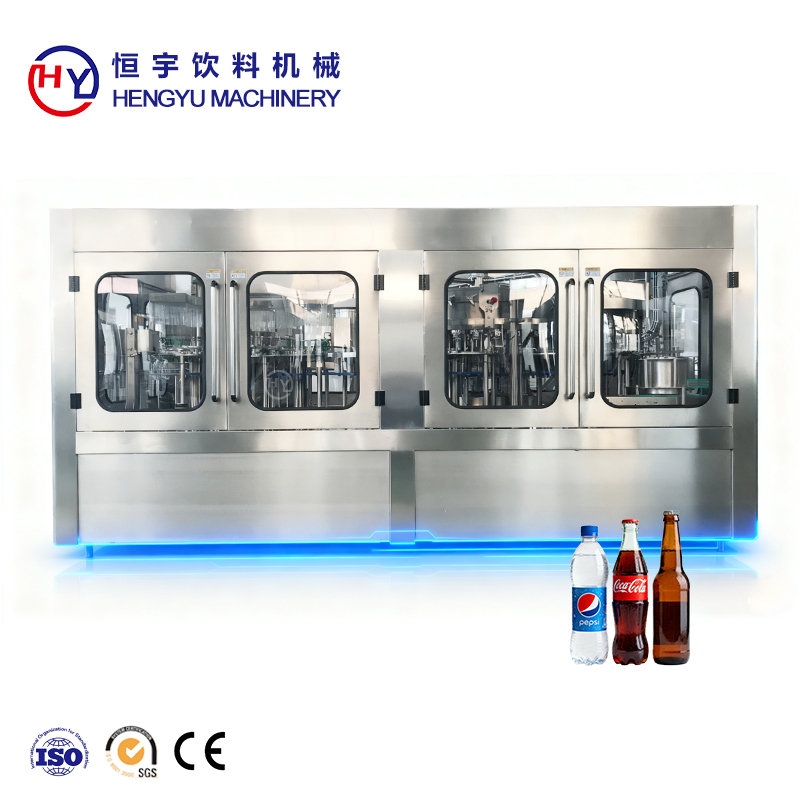
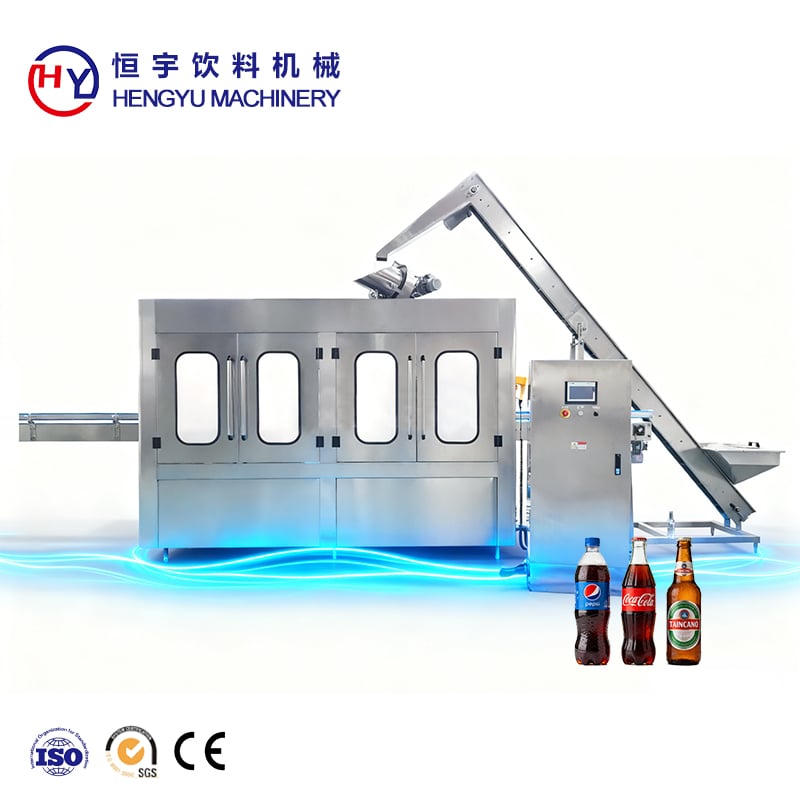
The carbonated soft drink filling machine represents a sophisticated automated solution designed specifically for bottling carbonated beverages with precision and efficiency. This specialized equipment handles the complete process of filling bottles or cans with carbonated drinks while maintaining optimal pressure levels to preserve the carbonation and quality of the product. Modern carbonated soft drink filling machines integrate advanced technology to ensure consistent filling accuracy, minimize product waste, and maintain stringent hygiene standards throughout the production process. The primary functions of a carbonated soft drink filling machine include automated bottle feeding, rinsing, filling under controlled pressure conditions, capping, and discharge operations. These machines employ counter-pressure filling technology, which equalizes the pressure inside the container with the filling tank before introducing the beverage. This critical feature prevents excessive foaming and loss of carbonation during the filling process. The technological features incorporated into contemporary carbonated soft drink filling machines include programmable logic controllers for precise operation management, stainless steel construction for durability and easy sanitization, automatic level detection systems, and variable speed controls that accommodate different production requirements. Many models feature modular designs that allow manufacturers to customize configurations based on their specific production needs and available floor space. The applications of carbonated soft drink filling machines span across various segments of the beverage industry, including soft drink manufacturers, energy drink producers, sparkling water bottlers, and craft soda companies. These machines accommodate diverse container types ranging from glass bottles to PET bottles and aluminum cans in various sizes. The versatility of modern filling equipment enables producers to switch between different product formulations and container formats with minimal downtime. Production capacities vary significantly, with options available from small-scale operations processing hundreds of bottles per hour to industrial systems capable of filling tens of thousands of units hourly, making this technology accessible to businesses of all sizes within the beverage manufacturing sector.

New Product Recommendations

Investing in a carbonated soft drink filling machine delivers substantial operational benefits that directly impact your bottom line and production capabilities. The automated nature of these systems dramatically reduces labor costs by eliminating the need for manual filling operations, allowing your workforce to focus on quality control and other value-added activities. This automation also significantly improves production speed, enabling you to meet increasing market demand without proportionally increasing your staffing levels. The precision filling technology ensures every bottle receives exactly the right amount of product, eliminating overfilling waste that can cost thousands of dollars annually in lost product. This accuracy also ensures compliance with regulatory requirements regarding fill volumes, protecting your business from potential fines and legal complications. The specialized pressure-controlled filling process preserves the carbonation levels in your beverages, ensuring that customers receive a product with the intended taste, fizz, and sensory experience. This consistency in product quality strengthens brand reputation and customer loyalty, which are invaluable assets in the competitive beverage market. Modern carbonated soft drink filling machines feature sanitary designs with stainless steel construction and easily accessible components that simplify cleaning and maintenance procedures. This design philosophy reduces downtime for sanitation between production runs and helps maintain the highest hygiene standards, which is absolutely critical in food and beverage manufacturing. The reduced risk of contamination protects both your consumers and your brand reputation. These machines offer impressive flexibility, allowing you to adjust production speeds, accommodate different bottle sizes, and even switch between product formulations with relative ease. This adaptability means your equipment investment remains valuable even as your product line evolves or market conditions change. The enclosed filling environment minimizes exposure to airborne contaminants and reduces product oxidation, extending shelf life and maintaining freshness. Energy efficiency features incorporated into modern designs help control operational costs, with many systems using optimized motors and intelligent power management to reduce electricity consumption. The consistent operation of automated equipment also reduces the variability associated with manual processes, resulting in more predictable production schedules and better inventory management. Reliability is another significant advantage, as quality machines are engineered for continuous operation with minimal breakdowns, ensuring you can meet delivery commitments to distributors and retailers. The data collection capabilities of computerized systems provide valuable insights into production efficiency, helping you identify optimization opportunities and make informed decisions about process improvements. Finally, the professional appearance and consistent quality of products filled with automated equipment enhance your brand image and make your products more competitive on retail shelves.

Tips And Tricks

Glass Bottle Filling Machine vs Plastic Bottle Filling Machine

04

Mar

Glass Bottle Filling Machine vs Plastic Bottle Filling Machine

Material Properties Dictate Core Machine Design Glass fragility and thermal mass: why glass bottle filling machines require reinforced frames, shock-dampened conveyors, and precision neck-handling grippers Working with glass bottles means going th...
View More
How to Choose a Glass Bottle Filling Machine for Beverage Production

06

Mar

How to Choose a Glass Bottle Filling Machine for Beverage Production

Match Filling Technology to Beverage Type and Sensitivity Counter-Pressure Fillers for Carbonated Beverages and Beer Carbonated drinks like soda, sparkling water and beer need careful filling techniques to keep their fizz intact while avoiding exc...
View More
Troubleshooting Can Filling Machine Production Issues

21

Mar

Troubleshooting Can Filling Machine Production Issues

Power, Control, and Electrical Faults in Can Filling Machines Machine won't power on: main supply, fuses, and emergency stop circuit checks If the can filling machine won't start at all, the first thing to do is check whether the main power supply ...
View More
Can Sealing Machine Maintenance Tips

23

Mar

Can Sealing Machine Maintenance Tips

Daily and Weekly Preventive Maintenance for Your Can Sealing Machine Essential Daily Checks: Belt Tension, Sealing Bar Alignment, and Tape Head Cleanliness Starting every shift with a quick check on belt tension makes all the difference. If belts a...
View More

Get a Free Quote

Our representative will contact you soon.
Email
Name
Phone/WhatsApp
Required Product
Message
0/1000

carbonated soft drink filling machine

Advanced Counter-Pressure Filling Technology Preserves Product Quality

Advanced Counter-Pressure Filling Technology Preserves Product Quality

The counter-pressure filling technology employed in carbonated soft drink filling machines represents a revolutionary approach to maintaining beverage quality during the bottling process. This sophisticated system works by first pressurizing the empty bottle with carbon dioxide to match the pressure level inside the filling tank before any liquid enters the container. This pressure equalization is absolutely critical because it prevents the violent release of dissolved carbon dioxide that would otherwise occur when carbonated liquid meets atmospheric pressure. Without this technology, you would experience excessive foaming, significant carbonation loss, and inconsistent fill levels that compromise product quality. The process begins when bottles enter the filling station and specialized valves create a sealed environment. Carbon dioxide gas pressurizes the bottle interior, and only after reaching the appropriate pressure does the filling valve open to allow the beverage to flow smoothly into the container. Throughout the filling cycle, the system maintains constant pressure monitoring and adjustment, ensuring optimal conditions for preserving the dissolved gas. This controlled environment prevents oxidation, which can negatively affect flavor profiles and reduce shelf life. The technology also incorporates precise vent valves that release excess gas at carefully timed intervals, allowing the liquid level to rise steadily without turbulence. This gentle filling action protects the product integrity and ensures that every bottle contains the intended carbonation level, delivering the crisp, refreshing taste that consumers expect. The benefits of counter-pressure technology extend beyond product quality to include operational advantages such as reduced product waste from foaming and spillage. Manufacturers report waste reduction of up to fifteen percent compared to conventional filling methods, translating directly into cost savings and improved profitability. The consistent carbonation levels also mean that products maintain their quality characteristics throughout their entire shelf life, reducing customer complaints and returns. For businesses competing in premium beverage segments, this technology provides a competitive advantage by ensuring superior product consistency that builds brand loyalty. The system's ability to handle various carbonation levels makes it versatile for different product types, from lightly sparkling waters to highly carbonated soft drinks and energy beverages. Modern carbonated soft drink filling machines with advanced counter-pressure systems also feature automated calibration functions that maintain optimal performance over time, reducing the need for manual adjustments and specialized technical knowledge.
Seamless Integration and Operational Efficiency Maximize Productivity

Seamless Integration and Operational Efficiency Maximize Productivity

Modern carbonated soft drink filling machines excel in their ability to integrate seamlessly into complete production lines, creating a synchronized manufacturing environment that maximizes productivity and minimizes bottlenecks. These systems are engineered to work harmoniously with upstream equipment like bottle unscramblers and rinsing machines, as well as downstream operations including capping, labeling, and packaging equipment. This comprehensive integration eliminates manual transfer points where contamination risks increase and production flow disrupts. The synchronized operation ensures that bottles move continuously through each processing stage at consistent speeds, preventing accumulation or gaps that reduce overall equipment effectiveness. Sophisticated control systems communicate across all connected machines, automatically adjusting speeds and timing to maintain optimal flow rates throughout the entire production line. When one component requires attention, the intelligent system can slow or pause operations in a coordinated manner, preventing product waste and equipment damage. The operational efficiency built into these machines manifests in multiple ways that directly benefit your production metrics. High-speed filling capabilities allow you to produce thousands of units per hour, depending on your chosen machine configuration and container specifications. This throughput capacity means you can fulfill large orders quickly, respond to seasonal demand fluctuations, and operate shorter production runs that reduce inventory carrying costs. Quick changeover features enable you to switch between different bottle sizes or product formulations rapidly, sometimes in as little as fifteen to thirty minutes, depending on the complexity of the change. This flexibility is invaluable for businesses producing multiple product lines or testing new formulations without dedicating separate production facilities to each variant. The machines incorporate user-friendly interfaces with touchscreen controls that simplify operation and reduce training time for production staff. Operators can monitor real-time performance data, adjust parameters, and troubleshoot issues quickly using intuitive graphical displays. Automated diagnostic systems identify potential problems before they cause production stoppages, alerting maintenance personnel to perform preventive interventions during scheduled downtime rather than dealing with unexpected failures during production runs. The efficiency advantages extend to resource utilization, with precise control systems ensuring optimal use of water, cleaning chemicals, and energy throughout operations. Many carbonated soft drink filling machines feature recipe management functions that store parameters for different products, allowing operators to recall settings instantly when changing production runs. This capability eliminates errors associated with manual parameter entry and ensures consistency across production batches. The cumulative effect of these efficiency features is a production operation that delivers higher output with lower per-unit costs, improved quality consistency, and greater flexibility to respond to market opportunities.
Robust Construction and Sanitary Design Ensure Long-Term Reliability

Robust Construction and Sanitary Design Ensure Long-Term Reliability

The construction quality and sanitary design principles incorporated into professional carbonated soft drink filling machines represent critical factors that determine long-term reliability, maintenance costs, and compliance with food safety regulations. Manufacturers construct these machines primarily from high-grade stainless steel, typically 304 or 316 series, which offers exceptional corrosion resistance essential for equipment constantly exposed to acidic beverages, water, and cleaning chemicals. This material choice ensures structural integrity over many years of intensive use while maintaining a surface that resists bacterial colonization and simplifies sanitation procedures. The sanitary design philosophy extends beyond material selection to encompass every aspect of machine architecture. Components feature smooth surfaces without crevices or dead spaces where product residue could accumulate and harbor microbial growth. Welded joints are ground smooth and polished, eliminating potential contamination sites. Drainage systems are carefully engineered to prevent liquid pooling, ensuring complete evacuation during cleaning cycles. These design considerations are not merely aesthetic preferences but essential requirements for maintaining food safety standards and passing regulatory inspections. The filling valves, which represent the most critical contact points between the machine and your product, incorporate specialized sealing systems that prevent leakage while allowing complete disassembly for thorough cleaning and inspection. Many modern carbonated soft drink filling machines feature CIP (clean-in-place) systems that automate the cleaning process, circulating cleaning solutions through all product-contact surfaces without requiring disassembly. This capability dramatically reduces downtime between production runs and ensures consistent sanitation quality that might vary with manual cleaning methods. The robust construction extends to the machine framework and drive systems, which are engineered to withstand the continuous vibration and mechanical stresses of high-speed operation. Heavy-duty components like bearings, motors, and drive chains are selected for extended service life, reducing the frequency of replacement and associated downtime. Accessibility is carefully considered in the design, with maintenance points positioned for easy reach and critical components designed for quick replacement when service is eventually required. The electrical and control systems are housed in sealed, food-grade enclosures that protect sensitive electronics from moisture and contamination while remaining accessible for troubleshooting and upgrades. Quality manufacturers back their carbonated soft drink filling machines with comprehensive warranties and provide detailed documentation including operation manuals, maintenance schedules, and parts diagrams. Many also offer training programs that educate your staff on proper operation, routine maintenance, and basic troubleshooting, empowering your team to maximize equipment performance. The investment in robust construction pays dividends through reduced maintenance costs, fewer unexpected breakdowns, and extended equipment lifespan that can exceed fifteen to twenty years with proper care. This reliability translates into predictable production schedules, consistent product quality, and lower total cost of ownership compared to cheaper alternatives that require frequent repairs and premature replacement. For businesses building long-term growth strategies, the durability and sanitary design of professional-grade filling equipment represent foundational assets that support expansion and protect brand reputation.