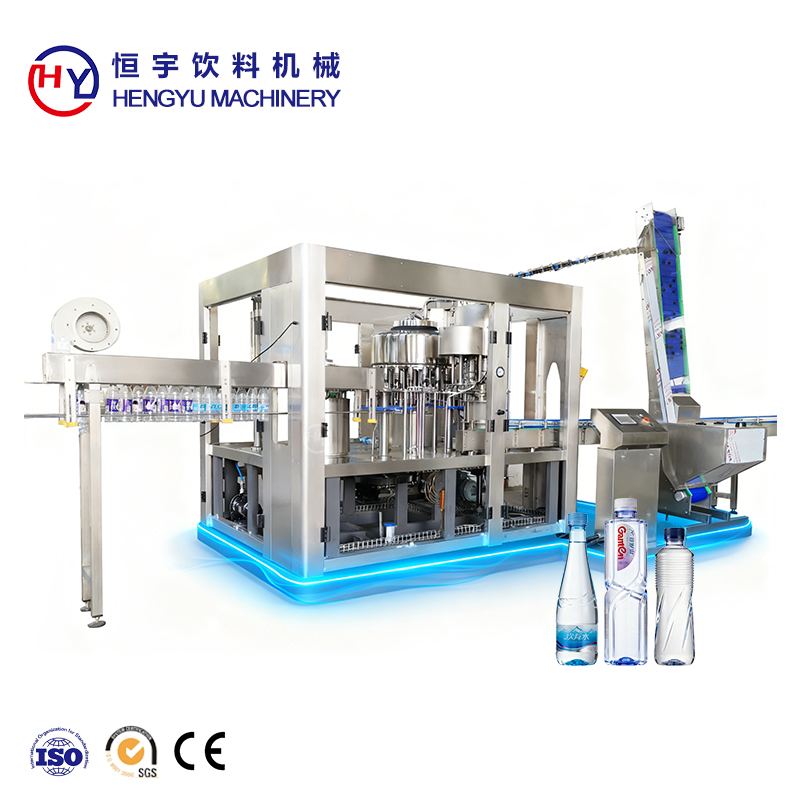
Intelligent Automation and Integration Capabilities
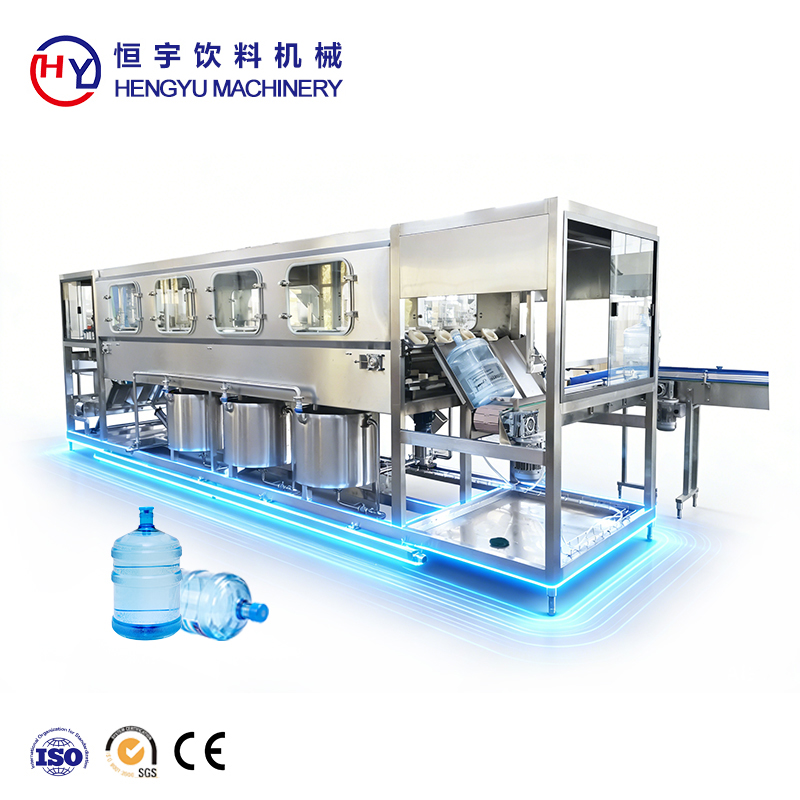
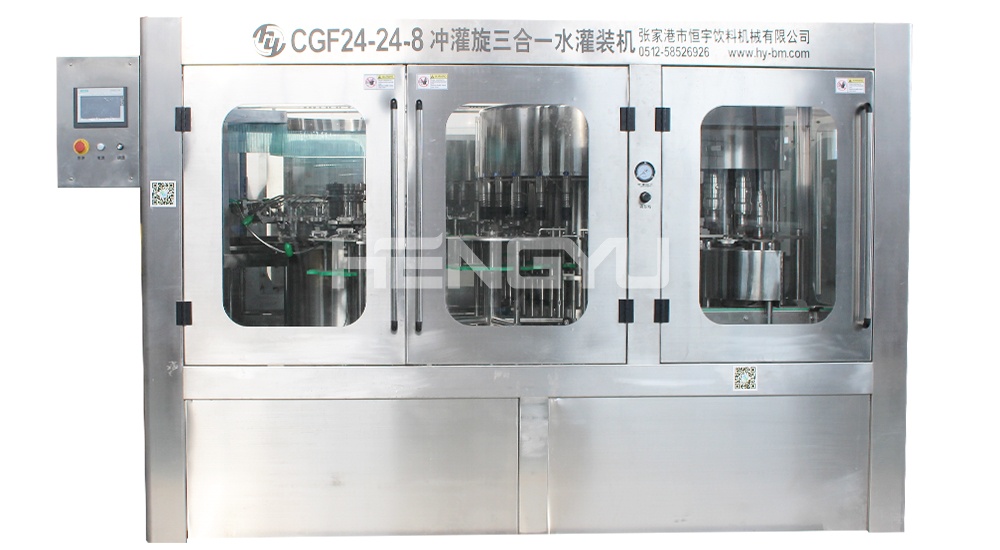
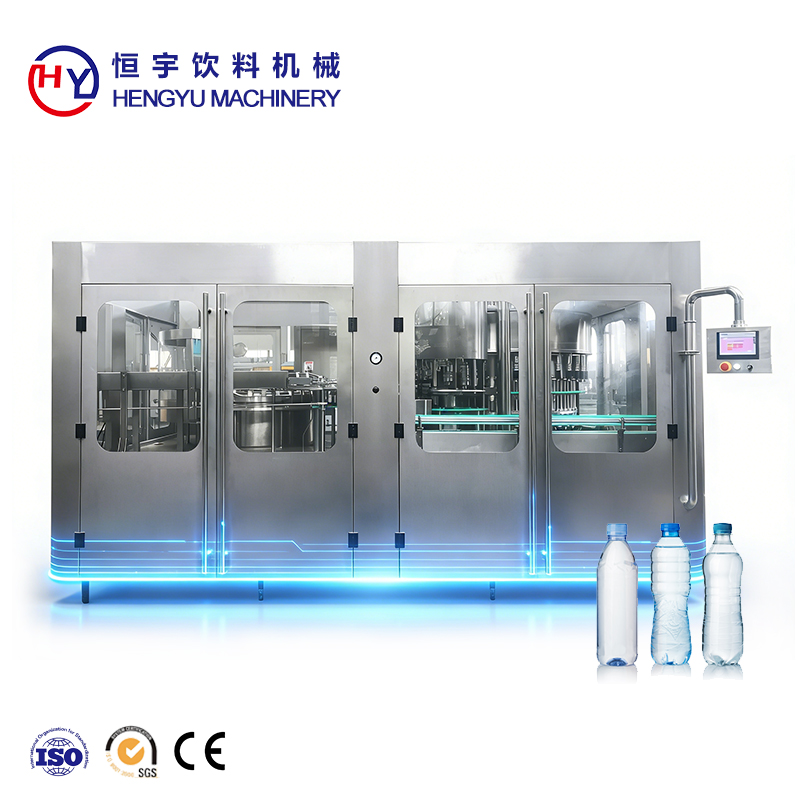
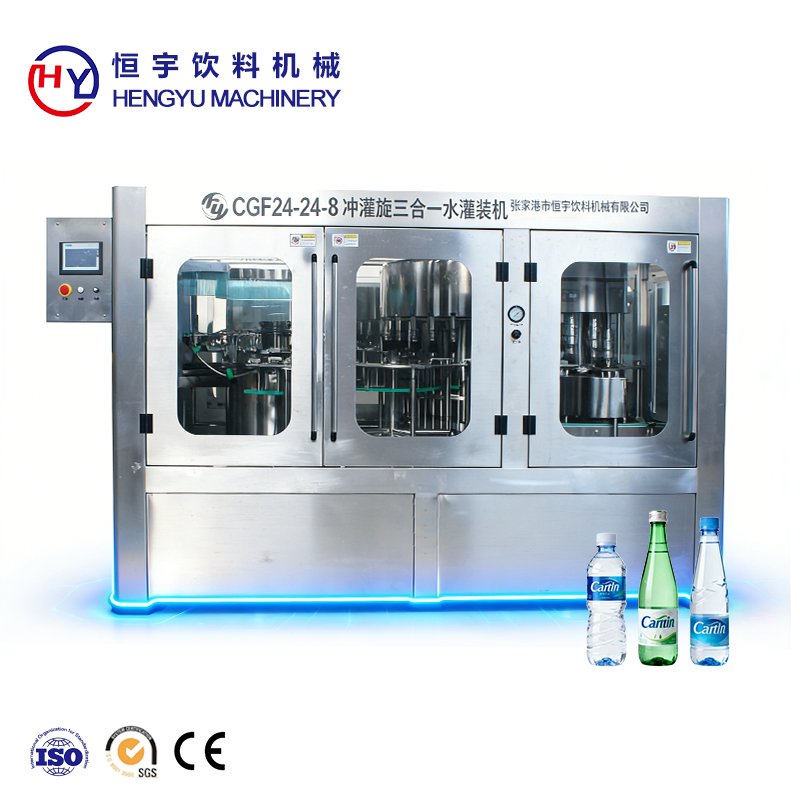
The intelligent automation features embedded within contemporary automatic water filling systems revolutionize production line efficiency through seamless integration with broader manufacturing operations. These systems function as intelligent nodes within industrial networks, communicating with upstream and downstream equipment to optimize overall production flow. Programmable logic controllers serve as the decision-making core, executing complex filling sequences while continuously monitoring dozens of parameters including fill rates, container presence, supply pressure, and system health indicators. The controllers process this information in milliseconds, making real-time adjustments that maintain optimal performance regardless of changing conditions. Human-machine interfaces provide intuitive touchscreen control panels where operators configure recipes for different products, monitor production status, and receive immediate alerts about any anomalies requiring attention. The recipe management capabilities of automatic water filling systems allow facilities to store dozens or hundreds of different filling configurations, each tailored to specific container types, fill volumes, and production speeds. Operators simply select the appropriate recipe when changing production runs, and the system automatically adjusts all parameters, eliminating manual setup time and reducing the risk of configuration errors. Integration with inventory management systems enables automatic water filling equipment to communicate consumption rates, triggering supply reorders before materials run low and preventing costly production interruptions. Quality control systems receive data streams from filling operations, automatically flagging any containers filled outside acceptable tolerances for removal from the production line before they reach packaging stages. This real-time quality verification prevents defective products from advancing through costly downstream processes. The automatic water filling systems connect with overall equipment effectiveness monitoring platforms, providing management with detailed analytics on production efficiency, downtime causes, and performance trends. These insights enable data-driven decisions about maintenance scheduling, capacity planning, and process improvements. Predictive maintenance capabilities represent a particularly valuable aspect of intelligent automation, with sensors monitoring vibration, temperature, and performance metrics that indicate impending component failures. The system alerts maintenance teams before breakdowns occur, allowing scheduled repairs during planned downtime rather than suffering unexpected production stoppages. Remote monitoring and control capabilities enable technical support teams to diagnose issues and adjust parameters without physical presence at the facility, reducing response times and minimizing production disruptions. The systems maintain comprehensive audit trails documenting every operational event, providing invaluable information for troubleshooting, compliance verification, and continuous improvement initiatives. Security features protect against unauthorized changes to critical parameters while allowing appropriate personnel access to necessary functions. The scalability of intelligent automatic water filling systems accommodates business growth, with modular designs allowing capacity expansion through additional filling heads or complete lines that integrate seamlessly with existing infrastructure. Energy management functions optimize power consumption by adjusting operational parameters based on production demands, contributing to sustainability goals while reducing utility costs. The future-proof nature of these intelligent systems ensures compatibility with emerging Industry 4.0 standards and Internet of Things protocols, protecting the longevity of equipment investments as manufacturing technology continues evolving toward ever-greater connectivity and automation sophistication.

 CN
CN