Water Bottle Filling Machine Price Guide: Cost, Benefits & Technology Features 2024

All Categories

water bottle filling machine price

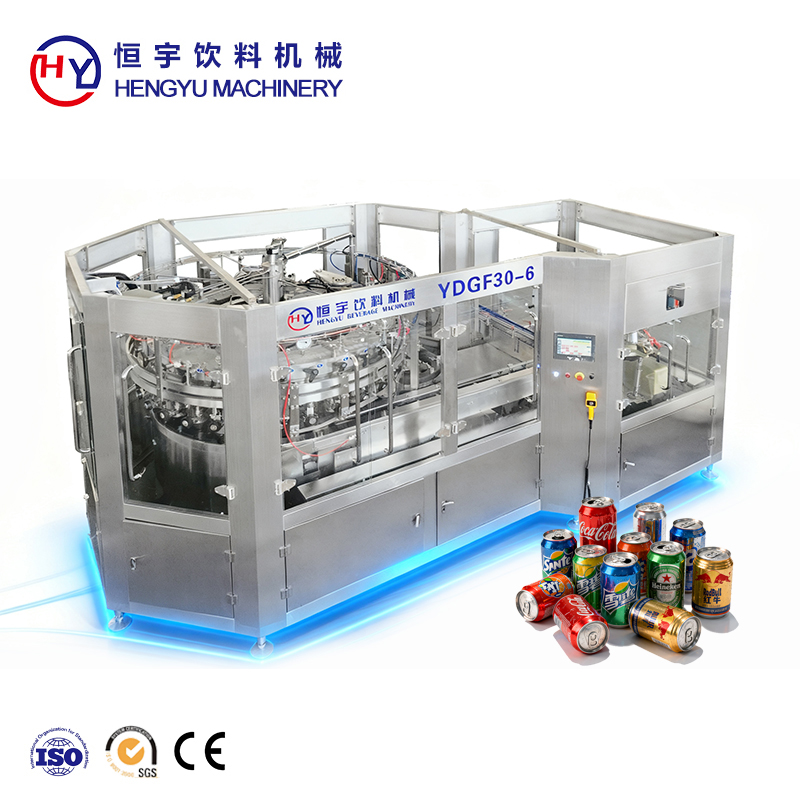
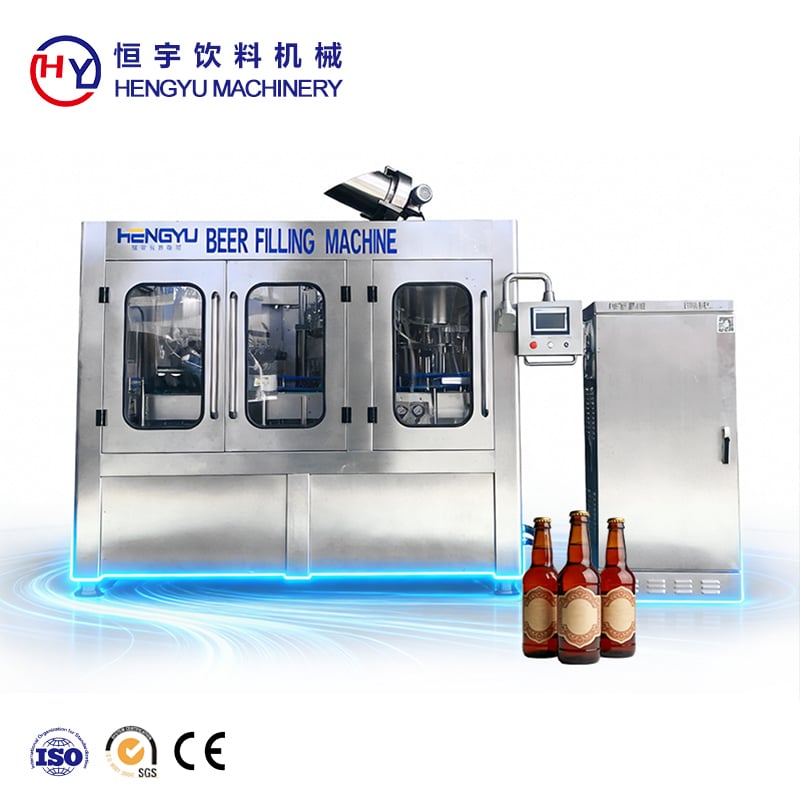
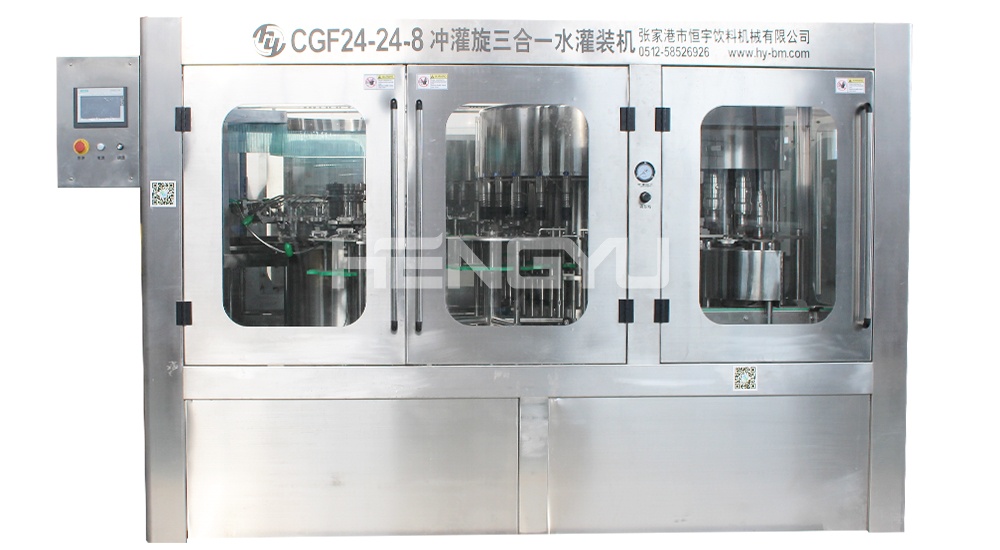
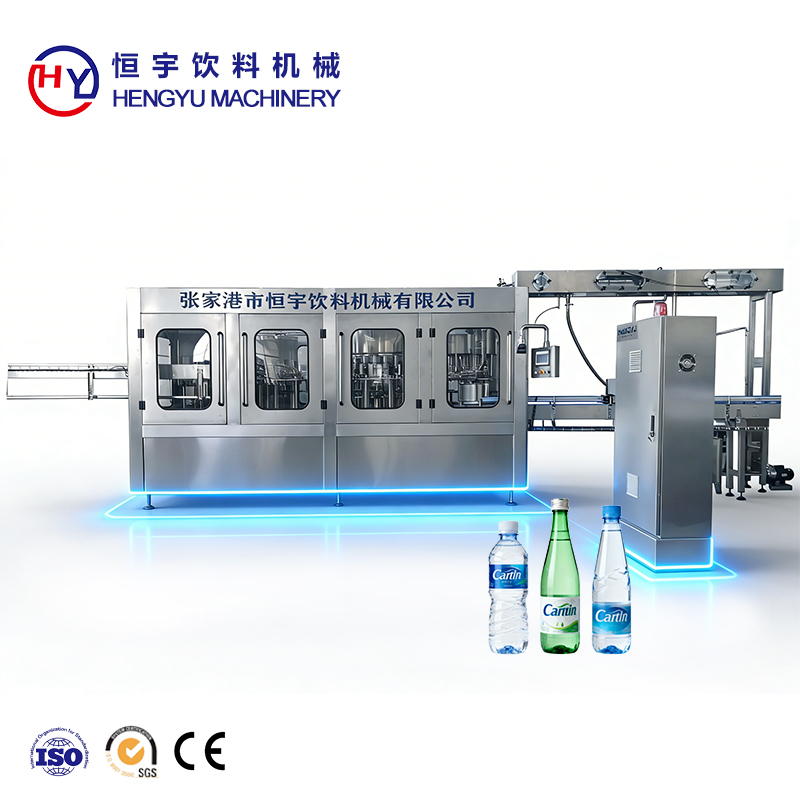
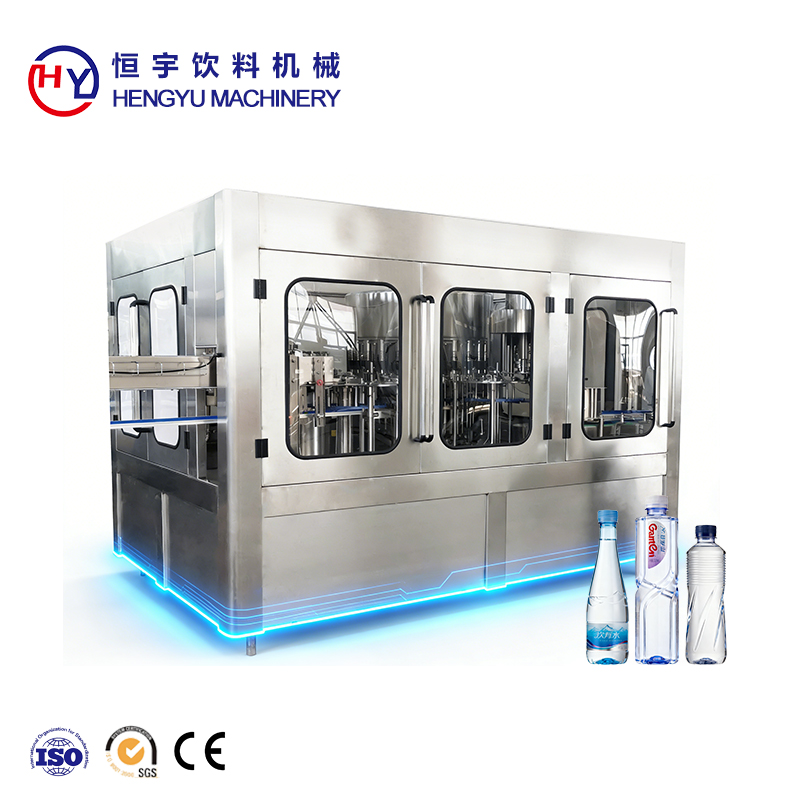
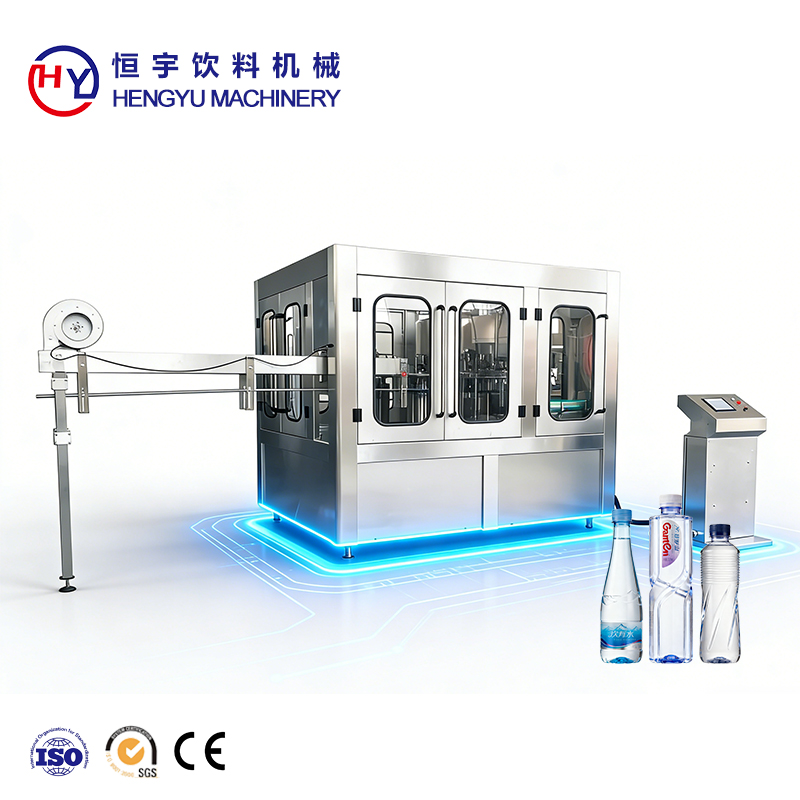
Understanding water bottle filling machine price requires examining multiple factors that influence investment decisions for beverage production facilities. These automated systems represent essential equipment for businesses ranging from small startups to large-scale manufacturing operations. The water bottle filling machine price typically varies based on production capacity, automation level, and technical specifications. Entry-level semi-automatic models designed for small businesses might start around five thousand dollars, while fully automated industrial systems with advanced features can exceed two hundred thousand dollars. When evaluating water bottle filling machine price, buyers must consider the complete production line requirements including rinsing, filling, capping, and labeling capabilities. Modern filling machines incorporate sophisticated technology such as PLC control systems, touch screen interfaces, and servo motor drives that ensure precision and consistency. The main functions include automatic bottle feeding, sterilization through rinsing mechanisms, accurate liquid level control, secure cap placement, and efficient bottle discharge. These machines handle various container sizes from small two-hundred-milliliter bottles to large five-gallon containers, accommodating different business models and market demands. Technological features that impact water bottle filling machine price include stainless steel construction for hygiene compliance, frequency inverters for speed adjustment, photoelectric sensors for bottle detection, and anti-drip filling valves for clean operation. Applications span across purified drinking water production, mineral water bottling, flavored water packaging, and even carbonated beverage filling with specialized equipment. The versatility of these machines makes them indispensable for water treatment plants, beverage companies, hospitality industries, and retail businesses. Understanding the relationship between features and water bottle filling machine price helps buyers make informed decisions that balance budget constraints with operational requirements, ensuring long-term profitability and production efficiency in competitive markets.

Popular Products

Investing in quality equipment offers numerous practical benefits that justify the water bottle filling machine price consideration. First, automation significantly reduces labor costs by minimizing manual intervention throughout the production process. A single operator can oversee entire production lines that previously required multiple workers, translating to substantial savings in wages, training expenses, and employee-related overhead. Second, precision filling technology eliminates product waste by delivering exact volumes consistently, ensuring every bottle contains the specified amount without overfilling or underfilling. This accuracy directly impacts profitability by maximizing raw material utilization and maintaining compliance with regulatory standards. Third, production speed capabilities allow businesses to scale operations efficiently. Machines can fill anywhere from one thousand to thirty thousand bottles per hour depending on the model, enabling companies to meet growing demand without compromising quality. Fourth, the hygienic design features including stainless steel construction and automated cleaning systems ensure product safety and extend equipment lifespan, reducing maintenance costs over time. Fifth, flexibility in handling multiple bottle sizes and shapes provides businesses with market adaptability, allowing quick transitions between product lines without extensive retooling. Sixth, consistent quality control through automated processes enhances brand reputation by delivering uniform products that meet customer expectations every time. Seventh, reduced contamination risks through closed-system filling protects both product integrity and consumer health, avoiding costly recalls and liability issues. Eighth, energy-efficient operations incorporating modern motor technology and optimized workflows lower utility expenses while supporting environmental sustainability goals. Ninth, quick return on investment becomes achievable as increased production capacity and reduced operational costs compound over months of operation. Tenth, simplified operation through user-friendly interfaces reduces training time for staff and minimizes errors during production runs. Eleventh, durability and reliability mean fewer breakdowns and production interruptions, maintaining consistent revenue streams. Twelfth, compliance with international standards facilitates export opportunities and premium market positioning. While water bottle filling machine price represents a significant upfront investment, these cumulative advantages demonstrate clear value propositions. Businesses gain competitive edges through operational excellence, cost efficiency, and quality assurance. The strategic perspective recognizes equipment not as mere expense but as revenue-generating assets that transform production capabilities, enabling growth trajectories previously unattainable with manual processes or outdated machinery.

Latest News

How to Choose a Glass Bottle Filling Machine for Beverage Production

06

Mar

How to Choose a Glass Bottle Filling Machine for Beverage Production

Match Filling Technology to Beverage Type and Sensitivity Counter-Pressure Fillers for Carbonated Beverages and Beer Carbonated drinks like soda, sparkling water and beer need careful filling techniques to keep their fizz intact while avoiding exc...
View More
Increasing Capacity in Bottled Water Production Lines

09

Mar

Increasing Capacity in Bottled Water Production Lines

Diagnosing Bottlenecks in Your Bottled Water Production Line Measuring Throughput Gaps: Bottling Speed, Changeover Time, and OEE Analysis To get a handle on where production is falling short, look at three key performance indicators. Start by compa...
View More
Troubleshooting Can Filling Machine Production Issues

21

Mar

Troubleshooting Can Filling Machine Production Issues

Power, Control, and Electrical Faults in Can Filling Machines Machine won't power on: main supply, fuses, and emergency stop circuit checks If the can filling machine won't start at all, the first thing to do is check whether the main power supply ...
View More
Automation Technology in Can Sealing Machines

24

Mar

Automation Technology in Can Sealing Machines

How Automation Enhances Precision and Reliability in Can Sealing Machines Core Automation Components: Servo Drives, Vision Systems, and Closed-Loop Feedback in Modern Can Sealing Machines Today's can sealing equipment reaches incredible levels of p...
View More

Get a Free Quote

Our representative will contact you soon.
Email
Name
Phone/WhatsApp
Required Product
Message
0/1000

water bottle filling machine price

Cost-Effectiveness Through Production Efficiency

Cost-Effectiveness Through Production Efficiency

The water bottle filling machine price should be evaluated against long-term operational savings and revenue generation potential rather than initial purchase cost alone. Modern filling equipment delivers exceptional cost-effectiveness through multiple efficiency channels that compound over time. Production speed represents the most visible advantage, with automated systems processing thousands of bottles hourly compared to manual operations limited by human capability and fatigue. This velocity transforms business models by enabling higher order fulfillment, faster market response, and expanded customer bases. The precision engineering behind these machines ensures minimal product loss during filling operations, as advanced sensors and control systems deliver exact volumes within tight tolerances. Unlike manual filling where variations lead to systematic overfilling as safety margins, automated systems confidently hit target volumes, saving thousands of dollars annually in product giveaway. Energy consumption efficiency further enhances cost-effectiveness, as modern machines incorporate variable frequency drives and optimized mechanical designs that reduce electricity usage per bottle filled. Maintenance costs remain predictable and manageable due to robust construction using food-grade stainless steel and quality components designed for extended service life. The water bottle filling machine price includes engineering that minimizes wear points and facilitates easy cleaning, reducing downtime and extending intervals between major service requirements. Labor savings constitute another major cost advantage, as automation replaces multiple manual workers with single-operator oversight, eliminating payroll expenses, benefits, training costs, and human resource management complexity. Quality consistency produced by automated systems reduces rejection rates and customer complaints, protecting brand reputation while avoiding costs associated with returns, replacements, and remediation efforts. Scalability built into modern equipment designs allows businesses to increase production without proportional cost increases, as the same machine handles higher volumes through extended operating hours rather than requiring additional equipment purchases. When calculating total cost of ownership over five to ten year periods, the water bottle filling machine price becomes insignificant compared to accumulated savings and revenue growth enabled by superior production capabilities.
Advanced Technology Integration for Operational Excellence

Advanced Technology Integration for Operational Excellence

Contemporary water bottle filling machines justify their price through sophisticated technology integration that elevates operational standards and competitive positioning. Programmable logic controllers serve as the intelligent core, managing complex sequences of bottle handling, filling, capping, and quality verification with microsecond precision. These computer systems allow operators to program multiple production recipes, storing parameters for different bottle sizes, fill volumes, and product characteristics, then switching between them instantly without manual adjustments. Touch screen human machine interfaces provide intuitive control, displaying real-time production data including current speed, bottles filled, efficiency rates, and diagnostic information. This transparency empowers operators to optimize performance and respond quickly to any issues, maximizing uptime and productivity. Servo motor technology delivers precise motion control for critical functions like filling valve positioning and cap placement, ensuring repeatability that mechanical cam systems cannot match. The resulting accuracy maintains quality standards bottle after bottle, shift after shift, eliminating the drift and variation common in older equipment designs. Photoelectric sensors strategically positioned throughout the machine detect bottle presence, monitor fill levels, verify cap placement, and trigger reject mechanisms when defects occur. This automated inspection prevents defective products from reaching customers while identifying process issues before they become systemic problems. Frequency inverters enable smooth speed adjustments across the full operating range, allowing operators to match production rates to upstream and downstream equipment capabilities or respond to varying demand patterns. The water bottle filling machine price reflects investment in stainless steel construction that meets sanitary design principles, featuring smooth surfaces, minimal dead spaces, and easy accessibility for cleaning and inspection. Automated CIP systems integrated into premium models circulate cleaning solutions through product contact surfaces, ensuring thorough sanitation between production runs while reducing labor and chemical costs. Advanced filling valve designs incorporate anti-drip technology and precise shut-off mechanisms that prevent spillage, maintain clean work environments, and eliminate product waste. The cumulative effect of these technological features transforms the water bottle filling machine price from simple equipment cost into strategic investment in manufacturing excellence, quality assurance, and operational efficiency that distinguishes market leaders from competitors struggling with outdated production methods.
Versatility and Scalability for Business Growth

Versatility and Scalability for Business Growth

The water bottle filling machine price gains justification through inherent versatility and scalability that accommodate evolving business needs and market opportunities. Modern equipment designs incorporate adjustable components that handle wide ranges of bottle sizes and shapes without extensive reconfiguration or additional purchases. Quick-change parts systems allow operators to transition from small personal-sized bottles to large multi-gallon containers within minutes, using simple mechanical adjustments and recipe selection on the control interface. This flexibility proves invaluable for businesses serving diverse market segments or introducing new product lines, as the same capital investment supports multiple revenue streams. Container handling systems employ sophisticated guide rail and star wheel configurations that accommodate various bottle diameters and heights through tool-free adjustments, eliminating the need for specialized technicians and reducing changeover time. Fill volume adjustability spans broad ranges, controlled through precise timing mechanisms or level sensors that ensure accuracy regardless of target quantity. The water bottle filling machine price includes engineering that anticipates future growth, with mechanical frameworks designed to accept additional filling heads, upgraded controls, or expanded auxiliary equipment as production volumes increase. This scalability protects initial investment by extending equipment useful life beyond startup phases into mature production stages. Businesses avoid the costly mistake of outgrowing equipment and requiring premature replacement, instead adding capabilities incrementally as revenues justify expansion. Integration compatibility represents another versatility dimension, as modern machines feature standard communication protocols that connect with upstream water treatment systems, downstream packaging equipment, and enterprise management software. This connectivity enables comprehensive production monitoring, predictive maintenance scheduling, and data-driven optimization that continuously improve operational performance. Product variety handling extends beyond physical bottle dimensions to accommodate different liquid characteristics including still water, carbonated beverages, and products with particulates, through appropriate filling valve selection and system configuration. The water bottle filling machine price therefore represents investment in adaptable manufacturing infrastructure rather than single-purpose equipment with limited application. Market responsiveness becomes a competitive advantage as businesses quickly capitalize on trends, seasonal demands, or customer requests without production constraints. Geographic expansion and multi-site operations benefit from equipment standardization, as identical machines simplify training, maintenance, and spare parts management across locations. The comprehensive versatility and forward-looking scalability embedded in quality filling equipment transform the water bottle filling machine price consideration from cost evaluation into strategic business enablement discussion.