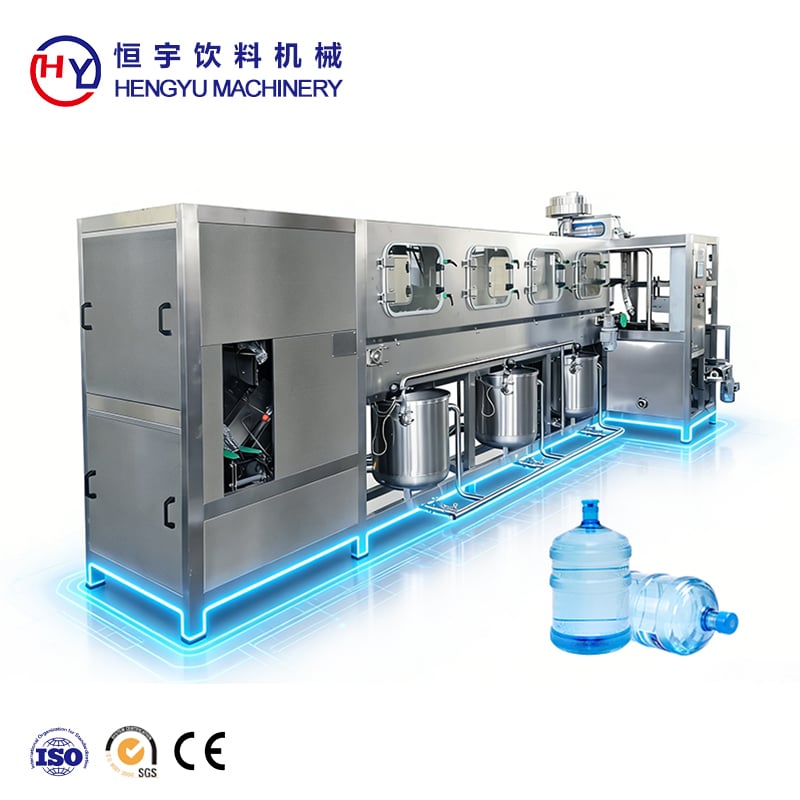
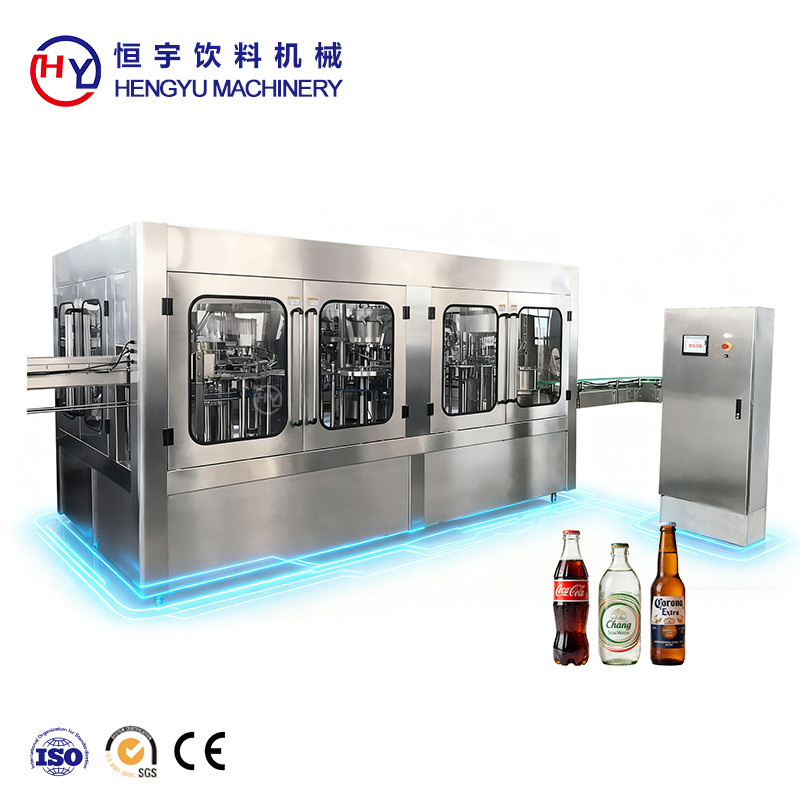
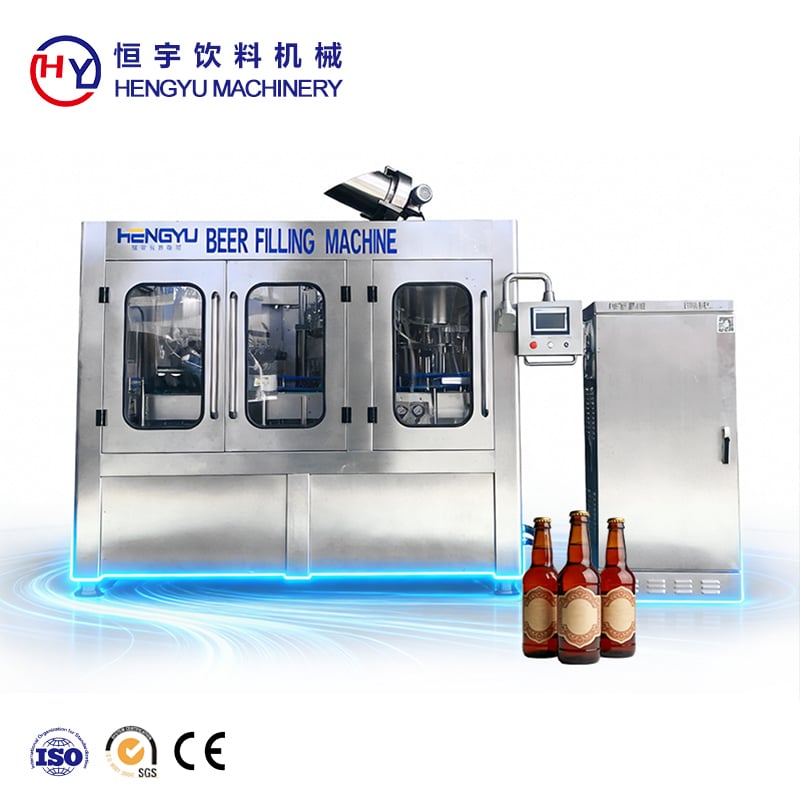
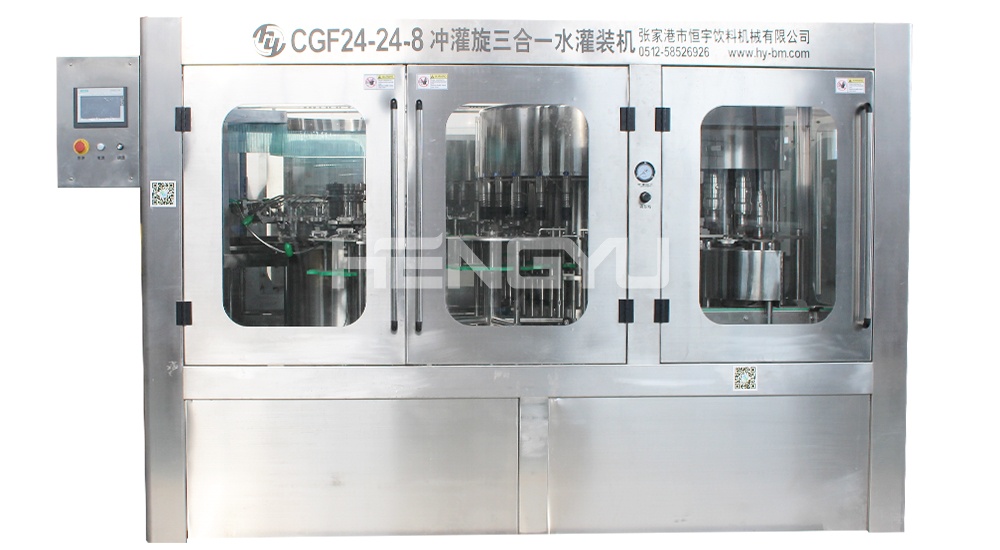
Flexible Configuration Adapts to Diverse Production Needs
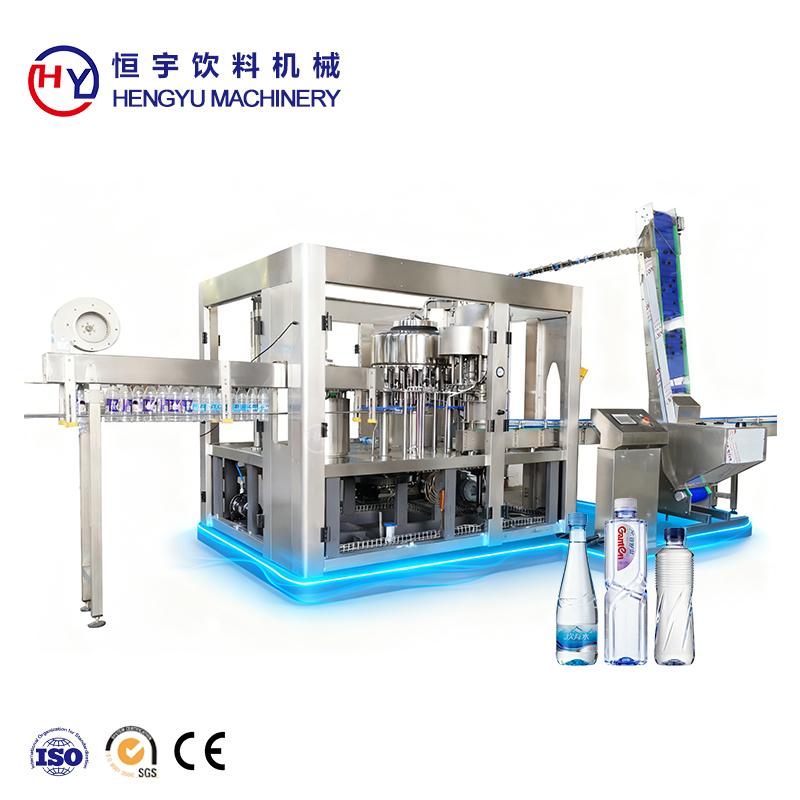
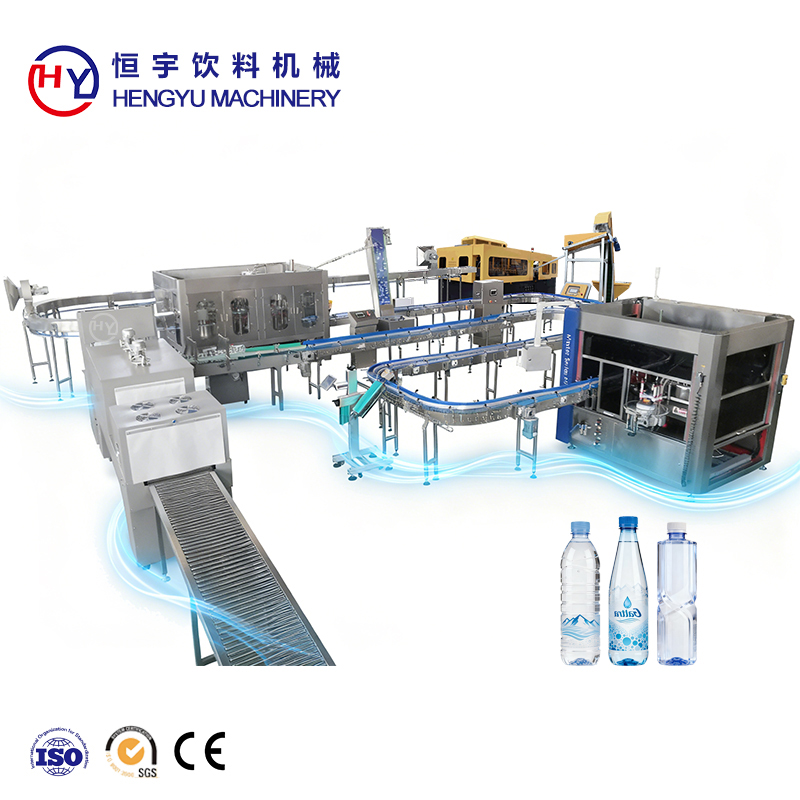
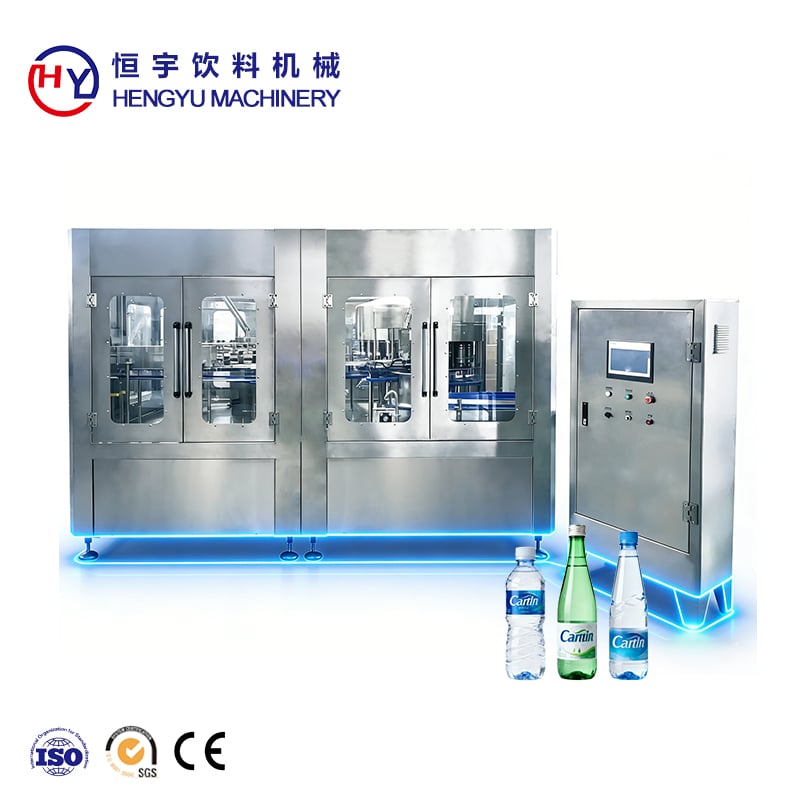
The remarkable flexibility inherent in modern mineral water bottle filling machine designs enables businesses to adapt quickly to changing market demands and product diversification strategies without substantial capital reinvestment. This adaptability begins with modular machine architectures that allow manufacturers to configure systems with different numbers of filling heads based on required production capacity, from compact 6-head systems suitable for small operations to expansive 72-head configurations for major production facilities. The mechanical design accommodates bottle diameter ranges that can span from slender 28mm neck finishes to wide-mouth containers exceeding 100mm, with changeover procedures typically requiring only simple adjustments to guide rails, star wheel configurations, and gripper settings. Height adjustments enable the same mineral water bottle filling machine to process bottles ranging from 150mm miniatures to 400mm tall formats, providing versatility across product portfolios without limiting creative packaging designs. The control systems store unlimited recipe parameters, allowing operators to define and recall specific settings for each product variant including fill volume, conveyor speed, capping torque, and quality control thresholds. This digital recipe management eliminates the trial-and-error traditionally associated with format changes, reducing changeover time from hours to minutes while ensuring first-bottle quality. The mineral water bottle filling machine can be configured with various filling technologies including gravity filling for still water, isobaric filling for lightly carbonated products, or counter-pressure filling for highly carbonated beverages, with some advanced systems offering interchangeable filling valve blocks to accommodate different product characteristics. Modular expansion capabilities mean that as production demands grow, businesses can add filling heads, increase conveyor lengths, or integrate additional processing modules without replacing the entire system. The equipment interfaces seamlessly with various upstream components such as bottle blow molding machines, unscramblers, or depalletizers, as well as downstream equipment including labelers, shrink wrappers, case packers, and palletizing systems, creating cohesive production lines regardless of brand mixing. Power and utility requirements scale proportionally with configuration size, ensuring that facility infrastructure investments remain appropriate for chosen capacity levels. This flexibility extends to control architecture, with options for standalone operation, networked production line control, or enterprise-level manufacturing execution system integration depending on operational sophistication.

 CN
CN