Professional Bottle Filling Plant Solutions - Advanced Automated Liquid Packaging Systems

All Categories

bottle filling plant

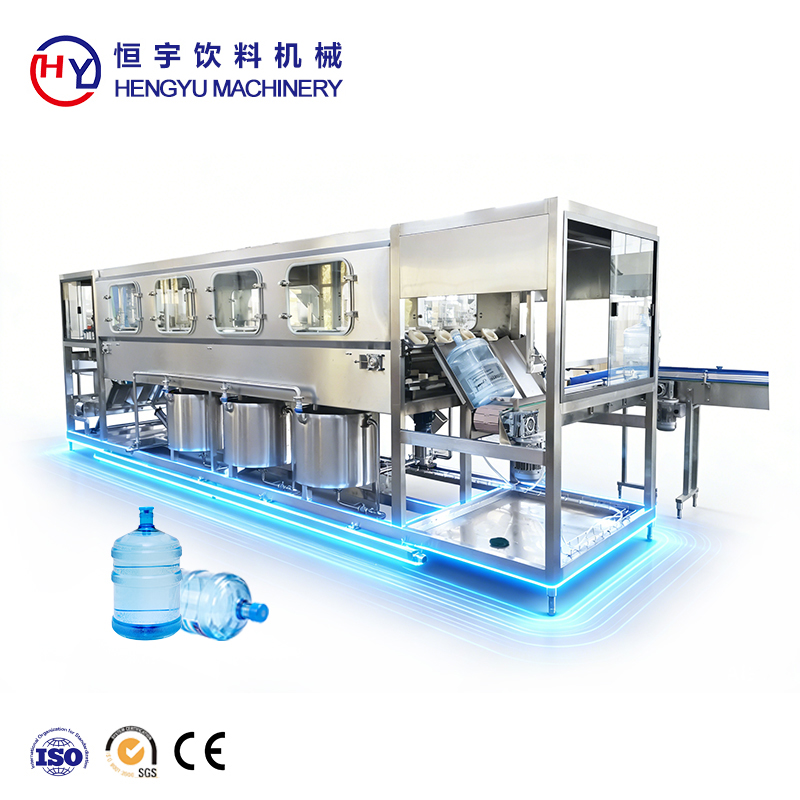
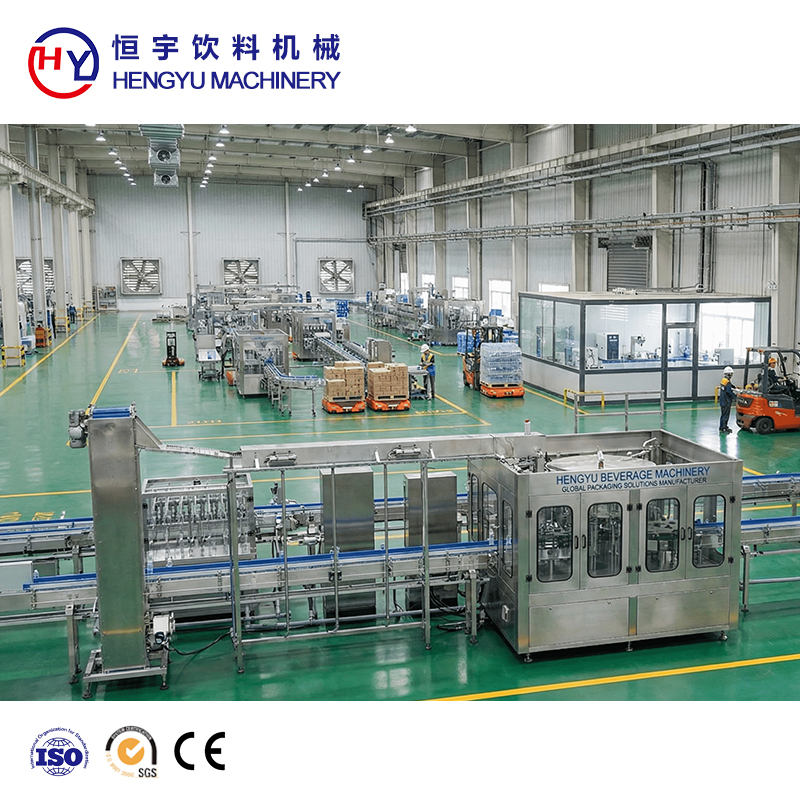
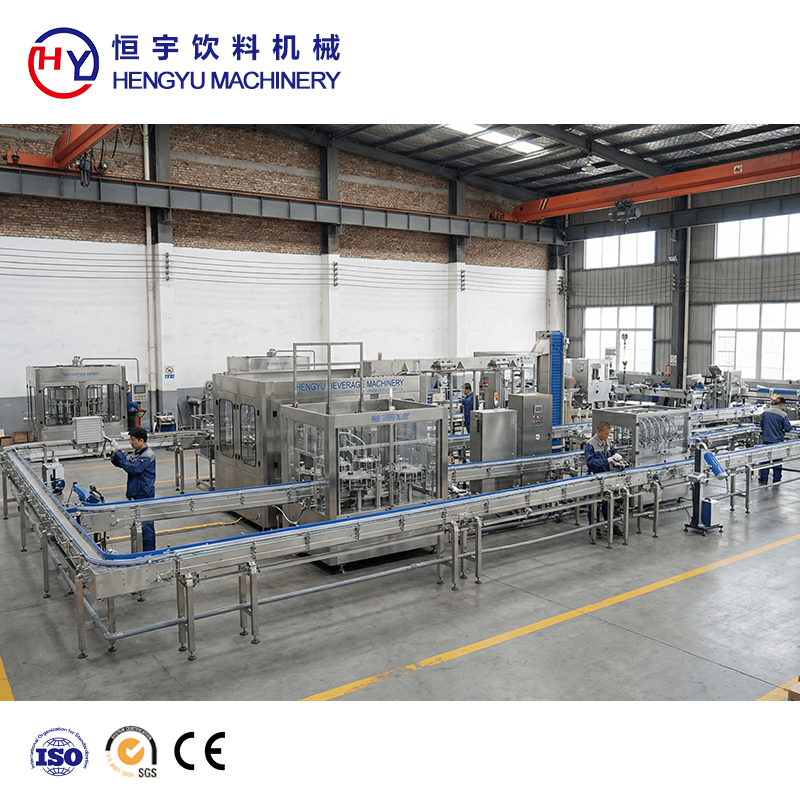
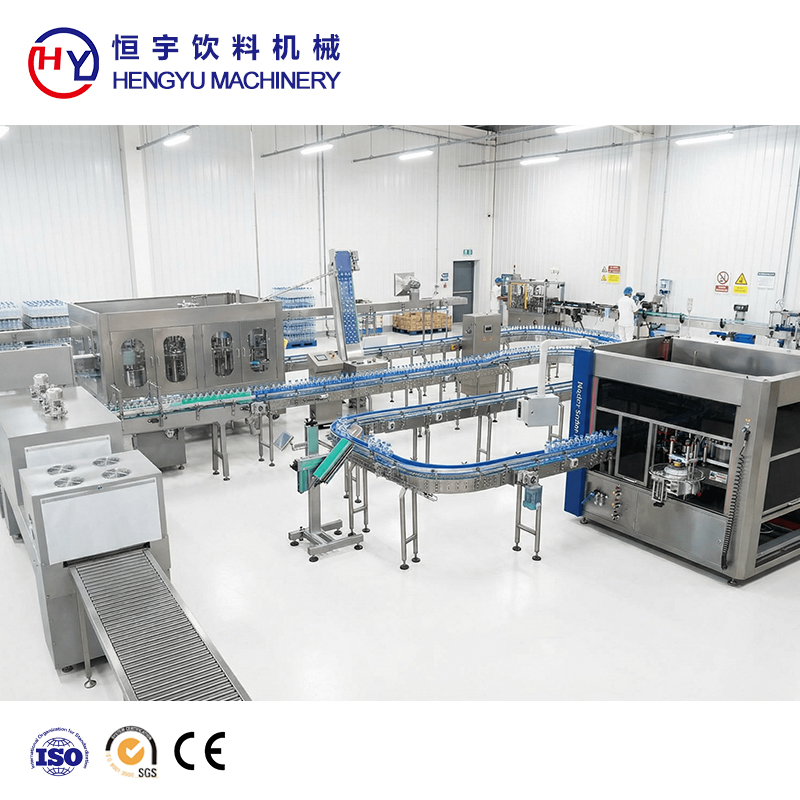
A bottle filling plant represents a comprehensive automated production system designed to efficiently fill various types of bottles with liquids, beverages, pharmaceuticals, chemicals, or other fluid products. This sophisticated machinery integrates multiple operational stages including bottle handling, cleaning, filling, capping, labeling, and packaging into one seamless production line. Modern bottle filling plants incorporate advanced technology such as programmable logic controllers, precision flow meters, servo motors, and intelligent sensors to ensure accurate filling volumes and consistent product quality throughout the manufacturing process. The primary function of a bottle filling plant involves receiving empty bottles, positioning them correctly on conveyor systems, executing the filling operation with precise volume control, sealing containers with appropriate closures, and preparing finished products for distribution. These systems accommodate diverse bottle materials including glass, plastic, and metal containers in various shapes and sizes. Technological features encompass automatic bottle sorting mechanisms, high-speed filling nozzles with anti-drip technology, sterile filling environments for sensitive products, automated quality inspection systems using vision cameras, and touchscreen human-machine interfaces for operator control and monitoring. The bottle filling plant maintains production efficiency through synchronized component operation, minimizing downtime and maximizing throughput rates. Applications span numerous industries including beverage production for water, juice, carbonated drinks, and energy drinks, pharmaceutical manufacturing for syrups and liquid medications, cosmetic production for lotions and perfumes, chemical processing for cleaning agents and industrial fluids, and food processing for cooking oils and sauces. The versatility of modern bottle filling plants allows manufacturers to switch between different product types and bottle formats with minimal changeover time, supporting diverse production requirements. Advanced models feature Clean-In-Place systems for automated sanitization, reducing manual cleaning labor and ensuring hygiene standards compliance. Integration capabilities with upstream and downstream equipment create complete production lines from raw material handling through final packaging, establishing comprehensive manufacturing solutions that enhance operational efficiency and product consistency across various production scales.

New Products

Implementing a bottle filling plant delivers substantial operational improvements that directly impact your business profitability and production capabilities. First, automation significantly reduces labor costs by minimizing manual handling requirements, allowing your workforce to focus on supervision and quality control rather than repetitive filling tasks. This efficiency gain translates into lower per-unit production costs and faster return on investment. Second, precision filling technology eliminates product waste by dispensing exact volumes consistently, preventing overfilling that increases material costs and underfilling that causes compliance issues or customer dissatisfaction. The accuracy typically achieves tolerances within milliliters, ensuring every container meets specifications. Third, production speed increases dramatically compared to manual operations, with modern systems processing hundreds or thousands of bottles per hour depending on configuration, enabling you to meet growing demand without proportional increases in facility space or personnel. Fourth, consistent quality control mechanisms built into the bottle filling plant detect defects, incorrect fill levels, and contamination automatically, removing flawed products before they reach customers and protecting your brand reputation. Fifth, flexibility in handling multiple bottle types and product formulations means you can adapt quickly to market trends, seasonal variations, or new product launches without investing in entirely separate equipment. Sixth, improved workplace safety results from reducing worker exposure to repetitive strain injuries and contact with potentially hazardous materials, as automated systems handle these risks mechanically. Seventh, enhanced hygiene standards become achievable through enclosed filling environments and automated cleaning cycles that maintain sanitary conditions more reliably than manual processes, particularly critical for food, beverage, and pharmaceutical applications. Eighth, real-time monitoring and data collection provide valuable production insights, identifying bottlenecks, tracking efficiency metrics, and supporting continuous improvement initiatives through detailed performance analytics. Ninth, reduced contamination risks protect product integrity by limiting environmental exposure during filling operations, extending shelf life and maintaining freshness. Tenth, scalability allows gradual capacity expansion by adding modules or upgrading components rather than replacing entire systems, accommodating business growth incrementally. Eleventh, energy efficiency features in contemporary bottle filling plant designs lower utility costs through optimized motor systems and intelligent power management. Finally, compliance with regulatory requirements becomes simpler as automated documentation and traceability features generate required records automatically, supporting quality audits and certifications across various industry standards and international markets.

Tips And Tricks

How Can Filling Machines Improve Beverage Production Speed

24

Mar

How Can Filling Machines Improve Beverage Production Speed

Filling Machine Type Determines Maximum Throughput Potential Gravity, Isobaric, and Piston Can Filling Machines: Speed vs. Precision Trade-offs Gravity fillers work well for delicate drinks such as juice, processing around 20 to 36 bottles every mi...
View More
Can Filling Machine Technology for Carbonated Beverages

20

Mar

Can Filling Machine Technology for Carbonated Beverages

Isobaric Filling Principles: How Can Filling Machines Preserve Carbonation Under Pressure The Physics of CO₂ Solubility and Why Counter-Pressure Is Non-Negotiable The way carbon dioxide dissolves in drinks basically follows what we call Henry's Law...
View More
Can Filling Machine Capacity Planning Guide

22

Mar

Can Filling Machine Capacity Planning Guide

Understanding Can Filling Machine Capacity: Theory vs. Real-World Performance Why Theoretical Capacity Rarely Matches Effective Output on Can Filling Lines When companies talk about canning speed at 100 cans per minute, they're referring to what ha...
View More
Automation Technology in Can Sealing Machines

24

Mar

Automation Technology in Can Sealing Machines

How Automation Enhances Precision and Reliability in Can Sealing Machines Core Automation Components: Servo Drives, Vision Systems, and Closed-Loop Feedback in Modern Can Sealing Machines Today's can sealing equipment reaches incredible levels of p...
View More

Get a Free Quote

Our representative will contact you soon.
Email
Name
Phone/WhatsApp
Required Product
Message
0/1000

bottle filling plant

Advanced Precision Filling Technology Ensures Product Consistency

Advanced Precision Filling Technology Ensures Product Consistency

The cornerstone advantage of implementing a modern bottle filling plant lies in its advanced precision filling technology, which fundamentally transforms production quality and material efficiency. Unlike manual filling operations where human variability inevitably creates inconsistencies, automated filling systems employ sophisticated volumetric or gravimetric measurement technologies that deliver exceptional accuracy across every production cycle. This precision operates through multiple technological approaches depending on product characteristics and production requirements. Volumetric filling systems utilize calibrated pistons, flow meters, or timed valve operations to dispense predetermined liquid volumes with remarkable repeatability, typically maintaining accuracy within plus or minus one percent of target fill levels. For products where weight matters more than volume, gravimetric filling technology incorporates load cells that weigh containers during filling and stop precisely when target weight is achieved, compensating automatically for liquid density variations caused by temperature fluctuations or formulation differences. The practical benefits extend far beyond simple accuracy measurements. Consistent fill levels eliminate customer complaints about perceived value discrepancies when some bottles appear less full than others, protecting brand reputation and customer loyalty. Regulatory compliance becomes straightforward as every container meets specified minimum contents requirements, avoiding penalties and legal complications associated with short-filling. Material cost savings accumulate significantly over high-volume production runs, as eliminating even small overfill amounts on millions of bottles translates into substantial raw material conservation. The bottle filling plant integrates feedback mechanisms that continuously monitor filling performance, automatically adjusting parameters to maintain accuracy despite variations in bottle positioning, conveyor speed fluctuations, or product viscosity changes throughout production shifts. Servo-driven filling nozzles provide smooth acceleration and deceleration during dispensing, preventing splashing, foaming, or aeration that could compromise product quality or appearance. Anti-drip technology ensures clean bottle rims free from residue that might interfere with cap sealing or create unsightly presentation issues. For carbonated beverages, specialized counter-pressure filling technology maintains dissolved gas levels by pressurizing bottles before filling, preventing foaming and preserving effervescence that defines product quality. This technological sophistication operates reliably across diverse product viscosities from water-thin liquids to thick syrups, adapting filling parameters automatically based on product characteristics programmed into system controls, demonstrating versatility that maximizes equipment utilization across varied production requirements.
Comprehensive Automation Maximizes Production Efficiency and Throughput

Comprehensive Automation Maximizes Production Efficiency and Throughput

Production efficiency represents a critical competitive advantage in manufacturing operations, and the comprehensive automation delivered by a bottle filling plant directly addresses this business imperative through intelligent integration of sequential operations into cohesive workflows. Traditional manual or semi-automated filling approaches require multiple handling steps, creating bottlenecks and inconsistent throughput rates that limit production capacity. Modern automated systems eliminate these constraints by orchestrating bottle conveyance, orientation, filling, capping, and downstream processes through synchronized mechanical operations controlled by sophisticated software algorithms. The efficiency gains manifest across multiple operational dimensions that collectively transform production economics. Speed improvements are immediately apparent, with entry-level systems processing several hundred bottles hourly while high-capacity installations achieve thousands of units per hour, representing productivity increases of ten to fifty times compared with manual operations depending on configuration. This throughput expansion occurs without proportional increases in labor requirements, as single operators can supervise entire production lines that would previously demand teams of workers. Continuous operation capabilities extend production time beyond limitations of human shift work, with properly maintained bottle filling plant equipment running reliably for extended periods interrupted only by scheduled maintenance or product changeovers. Changeover efficiency itself benefits from automation through quick-release fittings, recipe-based parameter switching via touchscreen controls, and modular component designs that facilitate rapid transitions between products or bottle formats, often completing changeovers in minutes rather than hours required by older systems. Intelligent buffering systems within the production line accommodate slight speed variations between upstream and downstream equipment, preventing cascading stoppages that would otherwise halt entire operations when single components experience momentary delays. Predictive maintenance capabilities built into modern bottle filling plant designs monitor component wear, track cycle counts, and alert operators to service requirements before failures occur, minimizing unexpected downtime that disrupts production schedules. Energy management systems optimize power consumption by adjusting motor speeds dynamically based on actual throughput requirements rather than running continuously at maximum capacity, reducing utility costs while extending equipment lifespan through reduced mechanical stress. Integration with enterprise resource planning systems enables production scheduling optimization, inventory management coordination, and real-time performance monitoring that supports data-driven decision making across manufacturing operations, connecting shop floor activities with broader business management functions for comprehensive operational visibility and control.
Versatile Multi-Format Capability Supports Diverse Production Requirements

Versatile Multi-Format Capability Supports Diverse Production Requirements

Manufacturing flexibility has become increasingly valuable as consumer preferences diversify and market demands shift rapidly, making the multi-format capability of modern bottle filling plant systems a strategic business advantage. Traditional dedicated filling equipment locked manufacturers into specific container types and product formulations, requiring substantial capital investment for each new product line and limiting ability to respond quickly to market opportunities. Contemporary bottle filling plant designs embrace versatility through adjustable components, modular construction, and intelligent control systems that accommodate wide ranges of bottle sizes, shapes, materials, and product types within single production platforms. This adaptability operates across multiple technical dimensions that collectively enable manufacturers to maximize equipment utilization and respond dynamically to changing business requirements. Physical adjustments for different bottle formats occur through tool-free guide rail positioning, height-adjustable filling heads, and quick-change nozzle configurations that operators can modify rapidly without specialized technical expertise or extensive downtime. Bottle diameter accommodation typically spans ranges from small pharmaceutical vials to large multi-liter containers on appropriately specified systems, while height adjustments handle everything from squat jars to tall slender bottles through simple mechanical positioning. Material compatibility extends across glass, PET plastic, HDPE, aluminum, and other container materials, with conveyor systems and handling mechanisms designed to treat each appropriately without damage or contamination. Product versatility represents equally important functionality, as modern bottle filling plant equipment processes liquid viscosities ranging from water-thin beverages to thick creams and gels through appropriate pump selection and nozzle configuration. Temperature handling capabilities accommodate both ambient and hot-fill applications, with heating systems maintaining proper product temperatures for items requiring elevated filling temperatures for preservation or viscosity management. Carbonation handling through specialized counter-pressure systems enables beverage manufacturers to process both still and sparkling products on the same equipment platform. Recipe management functions store parameters for multiple products in system memory, allowing operators to recall complete sets of filling volumes, speeds, temperatures, and other specifications instantly when switching production runs, eliminating manual adjustments and reducing changeover errors. This multi-format capability delivers tangible business value by reducing capital equipment requirements, as single versatile bottle filling plant installations replace multiple dedicated lines, lowering acquisition costs, facility space requirements, and maintenance inventories. Market responsiveness improves dramatically when manufacturers can launch new products, test market variations, or accommodate customer-specific requirements without equipment constraints limiting options or extending development timelines that could sacrifice competitive advantages.