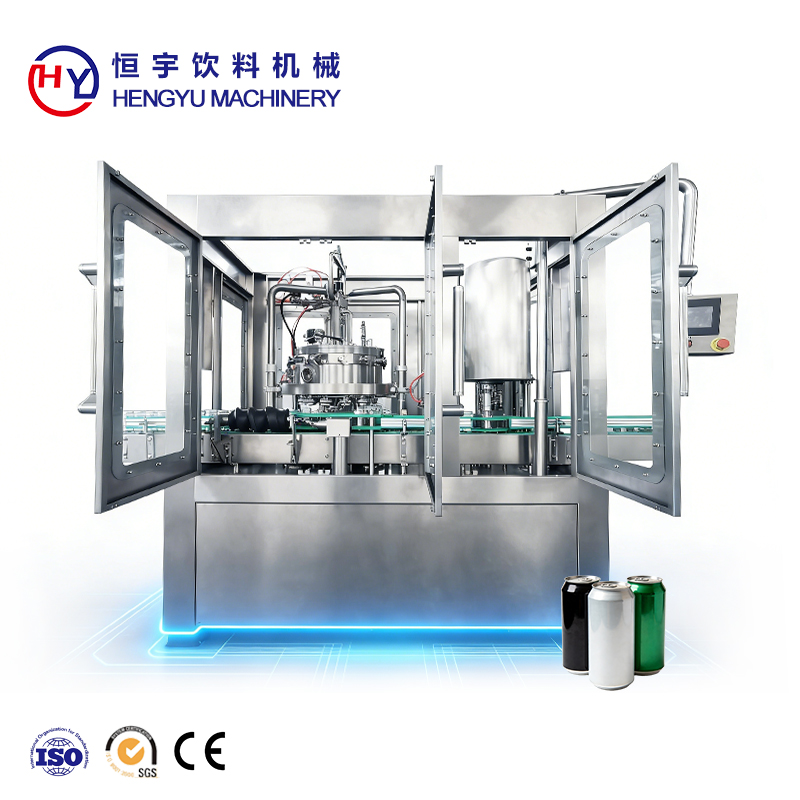
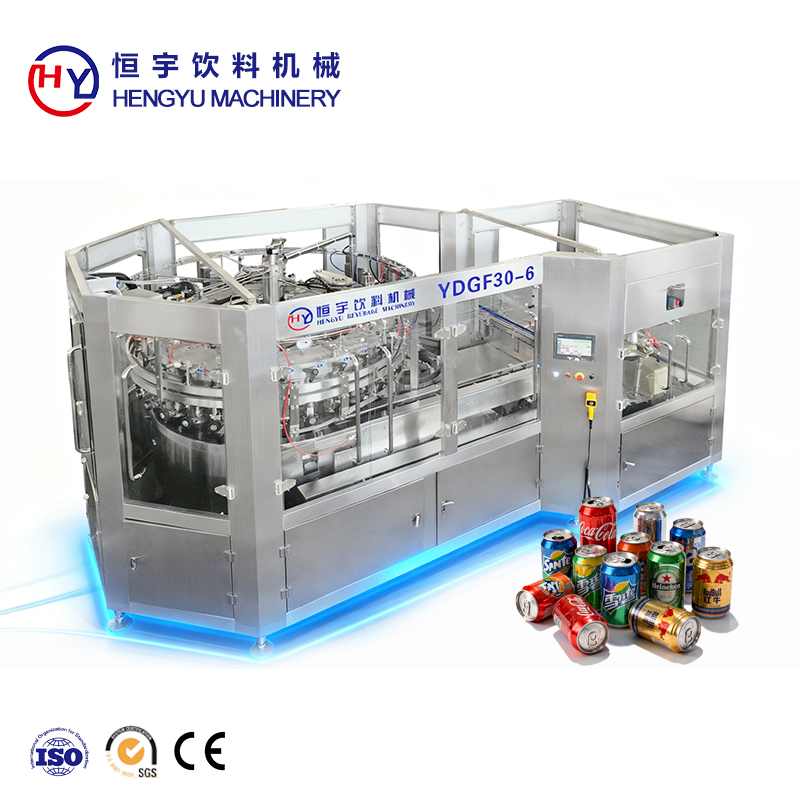
Superior Sealing Precision Ensures Maximum Product Protection
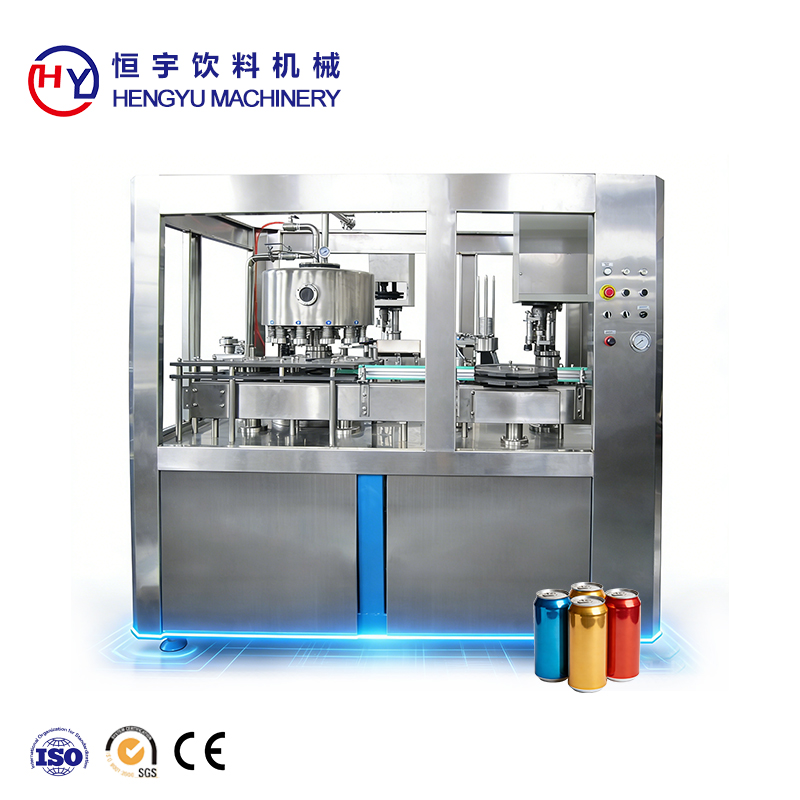
The defining characteristic that sets a quality beer can sealer apart lies in its ability to achieve microscopic precision during the double-seaming process, creating seals that withstand internal pressure while maintaining complete barrier integrity against external contaminants. This precision stems from carefully engineered mechanical systems that control every aspect of the seaming operation with tolerances measured in hundredths of millimeters. The beer can sealer employs a first operation roller that begins forming the seal by tucking the lid curl under the can flange, followed immediately by a second operation roller that compresses and tightens the seam layers into their final configuration. Throughout this two-stage process, the equipment maintains exact pressure specifications to avoid both under-seaming, which creates weak points vulnerable to leakage, and over-seaming, which can cause seam deformation or even puncture the metal layers. The consistency of this precision across thousands of cans ensures that every container leaving your production line meets identical quality standards, eliminating the batch-to-batch variation that can plague manual or poorly calibrated systems. For brewery owners, this reliability means fewer customer complaints about flat beer or spoiled product, protecting brand reputation and customer loyalty. The beer can sealer accomplishes this precision through rigid construction that resists vibration and deflection even during continuous high-speed operation, with heavy-duty frames and precision bearings that maintain alignment over years of service. Adjustability features allow operators to fine-tune seaming parameters for different can specifications or lid styles, accommodating variations in material thickness or supplier changes without compromising seal quality. Modern beer can sealer units often incorporate measurement systems that automatically verify seam dimensions after formation, providing real-time feedback that alerts operators to any drift from optimal settings before defective products accumulate. This proactive monitoring capability transforms quality control from a reactive process of inspecting finished goods to a preventive system that catches problems at their source, dramatically reducing waste and rework costs while ensuring compliance with food safety regulations that govern beverage packaging standards.

 CN
CN