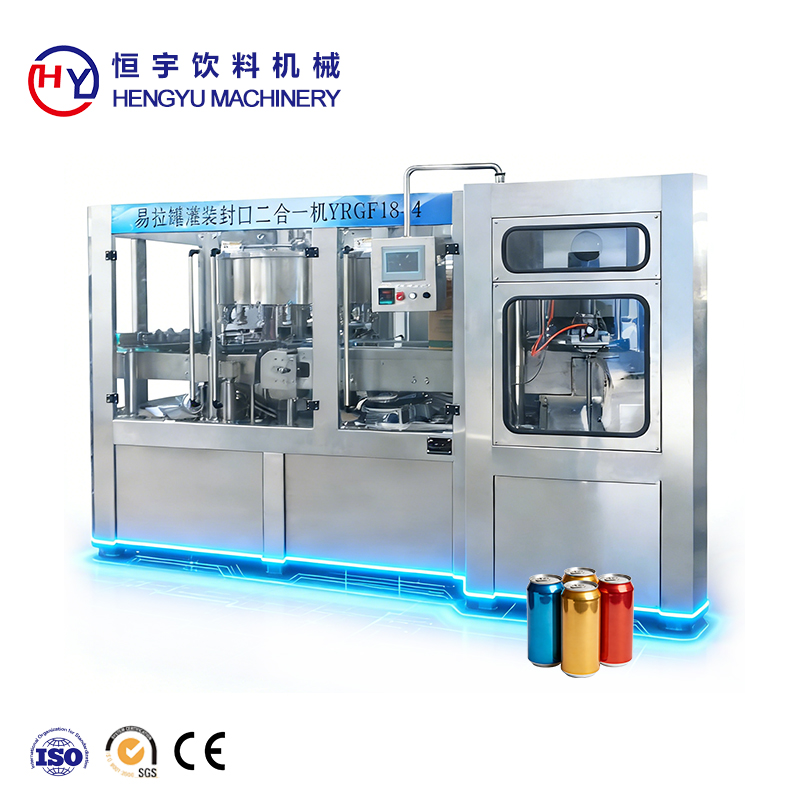
Automatic Can Sealer Machine - Professional Sealing Solutions for High-Volume Production

All Categories

automatic can sealer machine

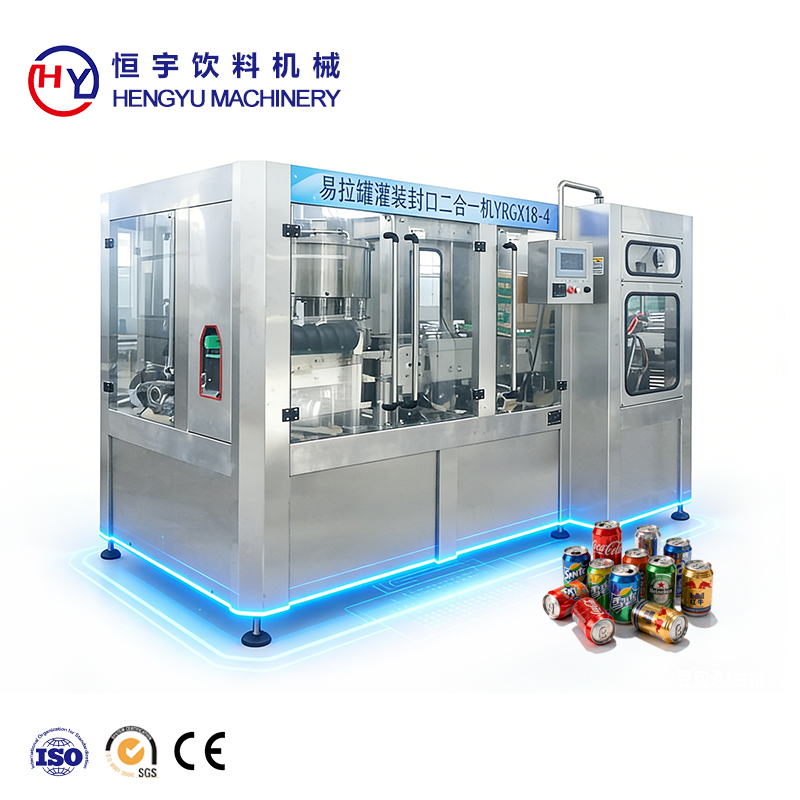
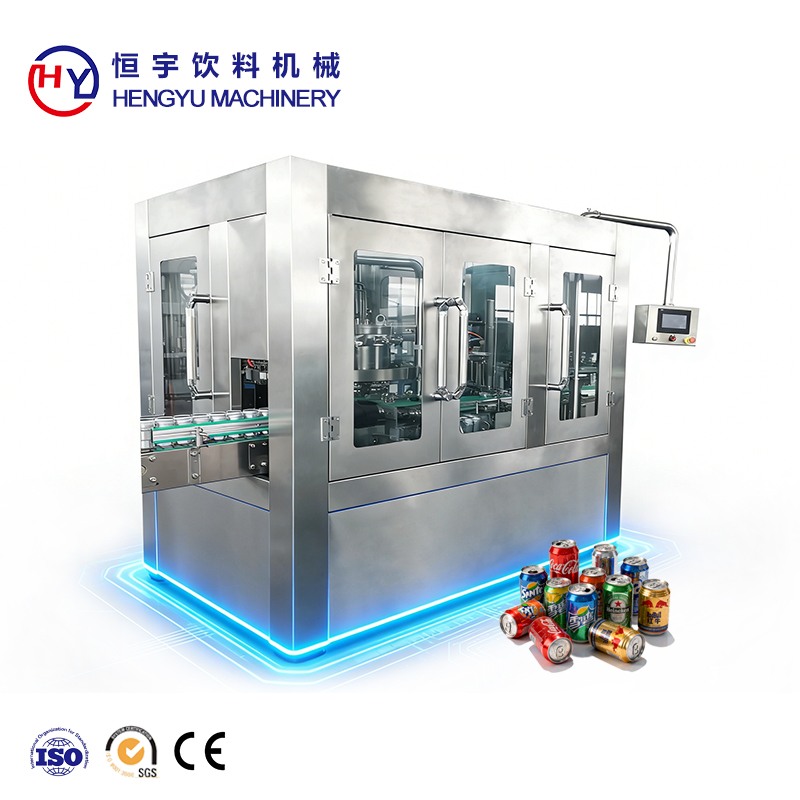
The automatic can sealer machine represents a revolutionary advancement in packaging technology, designed to streamline the process of sealing metal cans with precision and efficiency. This sophisticated equipment automates the entire sealing operation, eliminating manual intervention and ensuring consistent, airtight seals across every container. At its core, the automatic can sealer machine integrates advanced mechanical systems with intelligent control mechanisms to deliver reliable performance in high-volume production environments. The primary function of this equipment centers on creating hermetic seals that preserve product freshness, extend shelf life, and maintain quality standards throughout distribution and storage. Modern automatic can sealer machines employ servo-driven technology that adjusts sealing parameters in real-time, accommodating various can sizes and materials without requiring extensive reconfiguration. The sealing process involves precise coordination between the chuck, seaming rollers, and lifter plate, which work together to form a secure double seam that meets international quality standards. These machines feature intuitive touchscreen interfaces that allow operators to monitor production metrics, adjust settings, and diagnose potential issues before they impact output. The technological framework includes sensors that detect can presence, verify proper positioning, and ensure consistent seam formation throughout extended production runs. Built with food-grade stainless steel construction, the automatic can sealer machine maintains hygiene standards essential for beverage, food, and pharmaceutical applications. The equipment handles production speeds ranging from moderate to extremely high volumes, with some models processing up to 1,200 cans per minute depending on specifications. Industries utilizing this technology include beverage manufacturers producing carbonated drinks, craft breweries packaging beer, food processors preserving fruits and vegetables, and chemical companies packaging industrial products. The versatility of the automatic can sealer machine extends to handling various can diameters and heights, making it adaptable to diverse product lines and packaging requirements. Investment in this technology delivers measurable returns through reduced labor costs, minimized product waste, improved consistency, and enhanced production capacity that supports business growth and market competitiveness.

New Products

Investing in an automatic can sealer machine transforms production operations by delivering substantial benefits that directly impact your bottom line and operational efficiency. First and foremost, this equipment dramatically increases your production capacity, allowing your facility to process thousands of cans per hour compared to manual sealing methods that struggle to reach even a fraction of this output. The speed advantage translates directly into meeting larger orders, reducing lead times, and capturing market opportunities that would otherwise remain inaccessible. Beyond raw speed, the consistency delivered by the automatic can sealer machine ensures every single seal meets exact specifications, eliminating the variations inherent in human operation. This uniformity protects your brand reputation by preventing leaks, spoilage, and customer complaints that arise from improperly sealed containers. Your quality control processes become simpler and more reliable when every can receives identical treatment, reducing inspection time and waste from rejected products. Labor cost reduction represents another compelling advantage, as the automatic can sealer machine requires minimal operator involvement once properly configured. A single technician can oversee multiple machines or attend to other production tasks while the equipment operates autonomously, maximizing workforce productivity and reducing payroll expenses. The machine never tires, takes breaks, or experiences performance degradation throughout shifts, maintaining consistent output from start to finish of production runs. Safety improvements emerge naturally when automation replaces manual handling, as workers avoid repetitive strain injuries and the risks associated with operating sealing equipment by hand. The enclosed design of modern automatic can sealer machines contains any mechanical hazards while reducing noise levels in the production environment. Flexibility in accommodating different can sizes provides strategic advantages, enabling quick changeovers between product lines without investing in multiple specialized machines. This adaptability supports product diversification strategies and seasonal variations in packaging requirements. The precision engineering behind the automatic can sealer machine minimizes material waste by using exact amounts of sealing compound and reducing damaged cans that require disposal. Energy efficiency built into contemporary models lowers operational costs while supporting sustainability initiatives that increasingly influence purchasing decisions. Maintenance requirements remain manageable thanks to modular designs that simplify component replacement and diagnostic systems that alert operators to potential issues before breakdowns occur. The return on investment typically materializes within months rather than years, as the combined benefits of increased output, reduced labor, lower waste, and improved quality quickly offset the initial equipment cost. Perhaps most importantly, the automatic can sealer machine positions your operation for scalable growth, providing the foundation to expand production volumes without proportional increases in staffing or facility space. The reliability of automated sealing technology gives you confidence in committing to large contracts and long-term customer relationships, knowing your production capabilities can consistently meet demanding schedules and quality requirements that define success in competitive markets.

Practical Tips

Increasing Capacity in Bottled Water Production Lines

09

Mar

Increasing Capacity in Bottled Water Production Lines

Diagnosing Bottlenecks in Your Bottled Water Production Line Measuring Throughput Gaps: Bottling Speed, Changeover Time, and OEE Analysis To get a handle on where production is falling short, look at three key performance indicators. Start by compa...
View More
How Can Filling Machines Improve Beverage Production Speed

24

Mar

How Can Filling Machines Improve Beverage Production Speed

Filling Machine Type Determines Maximum Throughput Potential Gravity, Isobaric, and Piston Can Filling Machines: Speed vs. Precision Trade-offs Gravity fillers work well for delicate drinks such as juice, processing around 20 to 36 bottles every mi...
View More
Can Filling Machine Technology for Carbonated Beverages

20

Mar

Can Filling Machine Technology for Carbonated Beverages

Isobaric Filling Principles: How Can Filling Machines Preserve Carbonation Under Pressure The Physics of CO₂ Solubility and Why Counter-Pressure Is Non-Negotiable The way carbon dioxide dissolves in drinks basically follows what we call Henry's Law...
View More
Can Filling Machine Capacity Planning Guide

22

Mar

Can Filling Machine Capacity Planning Guide

Understanding Can Filling Machine Capacity: Theory vs. Real-World Performance Why Theoretical Capacity Rarely Matches Effective Output on Can Filling Lines When companies talk about canning speed at 100 cans per minute, they're referring to what ha...
View More

Get a Free Quote

Our representative will contact you soon.
Email
Name
Phone/WhatsApp
Required Product
Message
0/1000

automatic can sealer machine

Precision Sealing Technology That Guarantees Product Integrity

Precision Sealing Technology That Guarantees Product Integrity

The automatic can sealer machine employs sophisticated sealing mechanisms that create perfect hermetic seals with microscopic precision, ensuring absolute product protection throughout storage and distribution cycles. This precision stems from servo-controlled seaming rollers that apply exact pressure at precise angles, forming double seams that interlock the can body and lid with mathematical accuracy. The seaming process occurs in multiple stages, with the first operation roller creating the initial fold and the second operation roller tightening and flattening the seam to specifications measured in hundredths of millimeters. Advanced sensors continuously monitor seam dimensions during production, instantly detecting any deviation from programmed parameters and triggering automatic adjustments that maintain consistency across every single can. This technological sophistication eliminates the human error factor that plagues manual sealing operations, where variations in operator technique, fatigue, and attention create inconsistencies that compromise some percentage of sealed containers. The importance of this precision cannot be overstated for businesses dealing with carbonated beverages, where even microscopic seal imperfections allow carbonation escape that ruins product quality and customer satisfaction. Similarly, food manufacturers relying on hermetic seals to create anaerobic environments that prevent spoilage depend on this precision to ensure food safety and extended shelf life that meets regulatory requirements and consumer expectations. The automatic can sealer machine achieves this precision through proprietary cam designs, precision bearings, and rigid construction that eliminates mechanical play during high-speed operation. Temperature compensation systems account for thermal expansion of components during extended production runs, maintaining tolerances regardless of ambient conditions or continuous operation duration. The value this precision brings to customers manifests in multiple ways: reduced product recalls stemming from seal failures, lower insurance costs associated with quality claims, enhanced brand reputation built on consistent product delivery, and the ability to offer extended shelf life guarantees that provide competitive advantages in retail environments. Furthermore, precision sealing reduces the need for excessive safety margins in fill levels and sealing compound application, optimizing material usage and reducing per-unit packaging costs. Quality assurance personnel appreciate the predictability of automated precision, as statistical process control becomes meaningful when variation sources are eliminated and outliers truly indicate issues requiring attention rather than normal operational fluctuations inherent in manual processes.
User-Friendly Operation That Minimizes Training Requirements

User-Friendly Operation That Minimizes Training Requirements

The automatic can sealer machine features intuitive control systems designed for operators of varying skill levels, eliminating the steep learning curves associated with complex industrial equipment. Modern touchscreen interfaces present information in clear, graphical formats that communicate machine status, production metrics, and operational parameters without requiring technical expertise to interpret. Menu structures follow logical hierarchies that guide users through setup procedures, recipe selection, and adjustment processes with step-by-step prompts that prevent errors and ensure correct configuration. This user-friendly design philosophy recognizes that production environments experience workforce turnover and benefit from equipment that new employees can operate effectively after brief orientation rather than extensive specialized training programs. The control system stores multiple product recipes that capture all settings for different can sizes, sealing parameters, and speed configurations, allowing operators to switch between production runs by simply selecting the appropriate recipe from a menu rather than manually adjusting dozens of individual parameters. Visual diagnostics display machine status using color-coded indicators and plain-language messages that identify specific issues when problems occur, enabling quick troubleshooting without consulting technical manuals or waiting for specialized maintenance personnel. Animated graphics illustrate machine operation and show the location of any detected issues, helping operators understand what the equipment is doing and where attention is needed. The automatic can sealer machine includes safety interlocks that prevent operation when guards are open or unsafe conditions exist, protecting both personnel and equipment from damage caused by incorrect operation. Emergency stop buttons are positioned for easy access from multiple locations around the machine, ensuring operators can immediately halt operation if unexpected situations arise. Remote monitoring capabilities available on advanced models allow supervisors and maintenance teams to observe machine performance from offices or other locations, receiving alerts when intervention is needed without constantly watching the production floor. This connectivity supports lean manufacturing principles by enabling personnel to manage multiple processes efficiently. The practical benefits of user-friendly operation extend throughout your organization, as reduced training time lowers onboarding costs for new employees and allows existing staff to focus on productive work rather than struggling with unnecessarily complicated controls. Operator confidence increases when equipment responds predictably to inputs and provides clear feedback, improving job satisfaction and reducing the stress associated with managing complex machinery. Maintenance becomes more accessible as diagnostic information helps technicians quickly identify component failures and the modular design allows replacement of specific subsystems without disassembling entire machine sections. The overall value proposition centers on operational continuity and reduced dependency on specialized expertise, ensuring your production capabilities remain resilient even as personnel change and business demands evolve.
Robust Construction Engineered For Continuous Industrial Operation

Robust Construction Engineered For Continuous Industrial Operation

The automatic can sealer machine features heavy-duty construction using premium materials selected specifically for durability under the demanding conditions of continuous industrial production environments. The frame structure employs thick-gauge stainless steel that resists corrosion from moisture, cleaning chemicals, and product exposure while providing the rigidity necessary to maintain precision during high-speed operation and throughout years of service. Critical wear components including seaming rollers, chuck assemblies, and cam followers utilize hardened tool steels and specialized coatings that extend service life far beyond conventional materials, reducing replacement frequency and minimizing production interruptions for maintenance. Engineering analysis during the design phase identifies stress concentration points and reinforces these areas to prevent fatigue failures that compromise equipment reliability. The drive system incorporates industrial-grade servo motors rated for continuous duty cycles rather than intermittent operation, ensuring consistent performance throughout extended production shifts without overheating or performance degradation. Sealed bearings throughout the machine protect internal components from contamination by airborne particles, wash-down water, and product residue that inevitably exist in production environments. This attention to environmental protection extends equipment longevity and reduces maintenance requirements compared to machines using standard bearings that require frequent lubrication and suffer accelerated wear when exposed to contaminants. The automatic can sealer machine undergoes rigorous testing before leaving the factory, including continuous operation trials that simulate years of production in compressed timeframes to identify potential weaknesses before equipment reaches customer facilities. This validation process ensures that machines arrive ready for immediate integration into production lines without the teething problems that plague less thoroughly tested equipment. Modular subsystem design facilitates maintenance by allowing technicians to replace worn components without extensive disassembly, reducing downtime duration when service is required. Common wear items are designed for quick-change capability, with tool-free fasteners and alignment features that ensure correct reassembly without precision measurement or adjustment. The value of robust construction becomes apparent over the ownership lifecycle, as reliable equipment maintains production schedules without unexpected breakdowns that disrupt customer commitments and create emergency expenses for repairs and expedited parts procurement. Production planners gain confidence in scheduling knowing the automatic can sealer machine will operate when needed rather than wondering whether equipment failures might derail plans. Accounting departments appreciate predictable maintenance costs and extended depreciation periods that improve return on investment calculations. The ability to operate continuously during peak production periods without mandatory rest intervals or reduced speeds provides capacity advantages during critical times when market demand spikes or seasonal requirements strain production resources. Furthermore, robust construction maintains resale value for organizations that eventually upgrade equipment, as well-built machines remain attractive to secondary markets and command premium prices compared to lightweight alternatives that show wear and require immediate refurbishment investments from new owners.