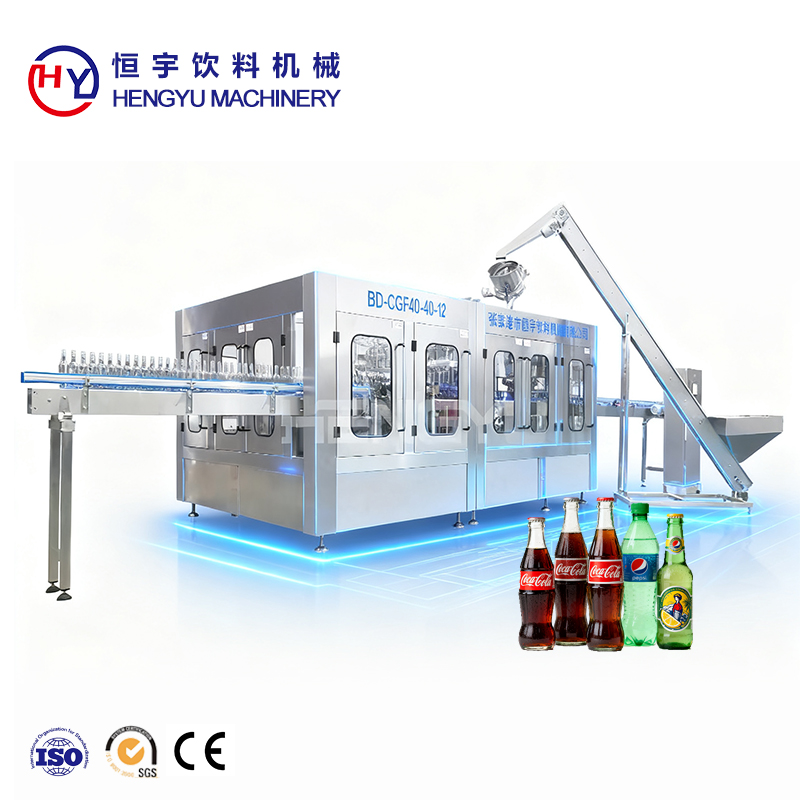
Beverage Bottle Filling Machine - Advanced Automated Filling Solutions for Production Efficiency

All Categories

beverage bottle filling machine

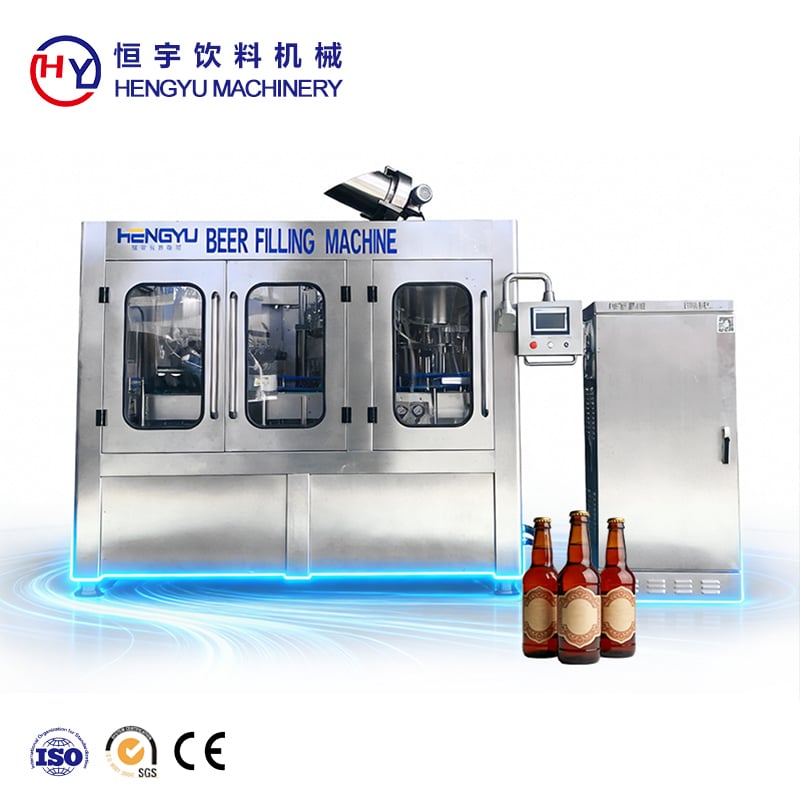
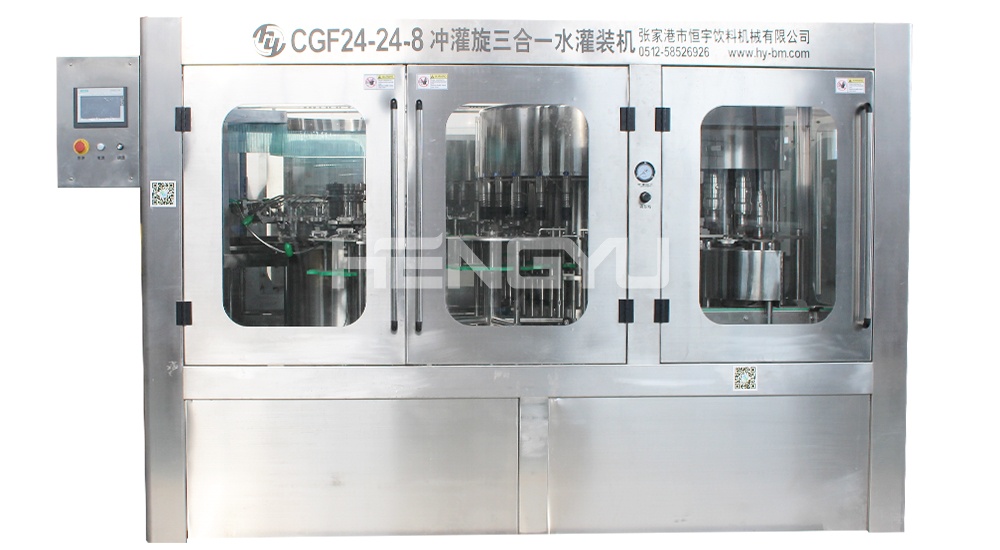
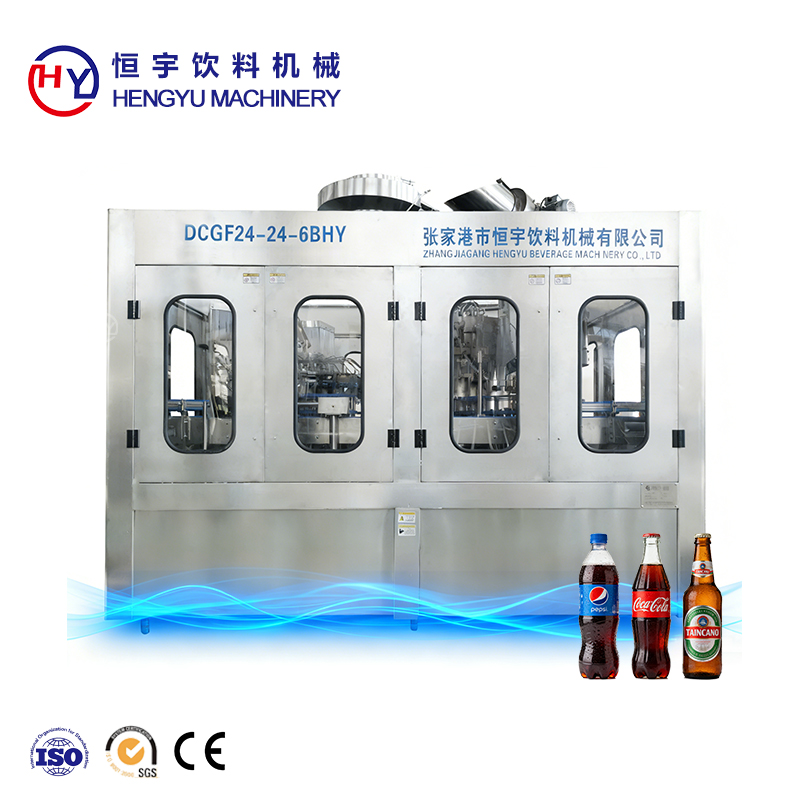
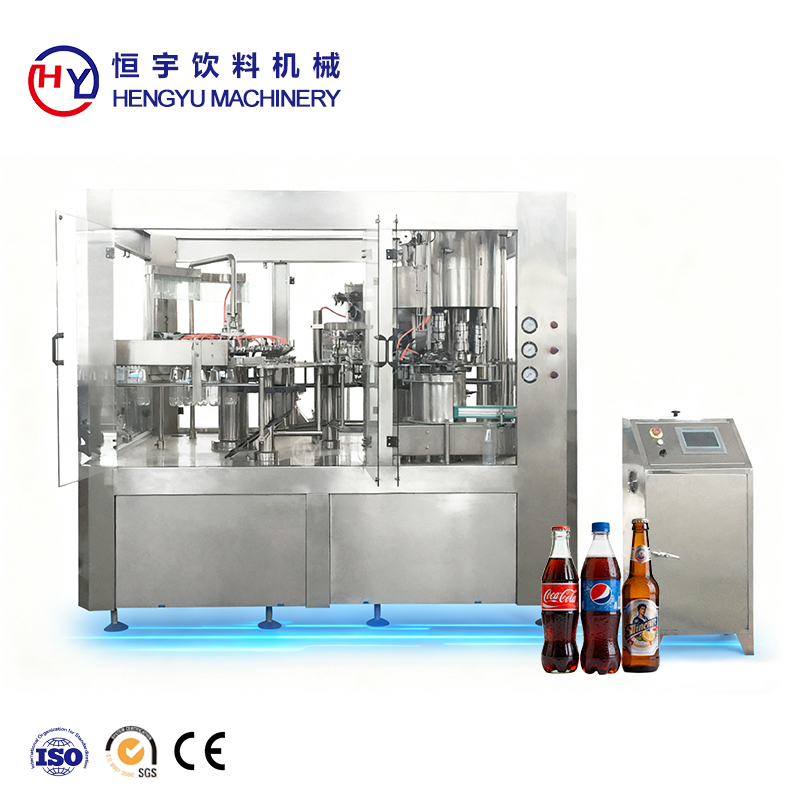
A beverage bottle filling machine represents an essential piece of equipment designed to automate the process of filling various types of bottles with liquid beverages. This sophisticated machinery streamlines production operations by efficiently transferring liquids from storage tanks into containers of different shapes and sizes. Modern beverage bottle filling machines incorporate advanced technology to ensure precise filling volumes, maintain hygiene standards, and maximize production speed. These systems handle a wide range of beverages including water, carbonated soft drinks, juices, energy drinks, alcoholic beverages, and dairy products. The primary functions of a beverage bottle filling machine include bottle feeding, rinsing, filling, capping, and labeling in some integrated systems. The machine employs various filling technologies such as gravity filling, pressure filling, vacuum filling, or piston filling, depending on the specific characteristics of the beverage being processed. Technological features encompass programmable logic controllers that allow operators to adjust filling parameters with precision, touch-screen interfaces for easy operation, automatic sensors that detect bottle presence and position, and flow meters that ensure consistent fill levels. Many contemporary beverage bottle filling machines feature modular designs that enable manufacturers to customize configurations based on production requirements. The equipment typically includes stainless steel construction to meet food safety regulations and resist corrosion from acidic or alkaline beverages. Applications span across multiple industries from small craft beverage producers to large-scale commercial bottling facilities. Manufacturers utilize these machines in facilities producing bottled water, soft drinks, beer, wine, spirits, sports drinks, tea, coffee beverages, and functional drinks. The versatility of beverage bottle filling machines makes them indispensable for businesses seeking to scale production while maintaining quality consistency and meeting regulatory compliance standards in the competitive beverage industry.

New Products

Investing in a beverage bottle filling machine delivers substantial operational improvements that directly impact your bottom line. First and foremost, these machines dramatically increase production speed compared to manual filling methods. What might take hours by hand can be accomplished in minutes, allowing your business to fulfill larger orders and expand market reach without proportionally increasing labor costs. The consistency provided by automated filling eliminates human error, ensuring every bottle contains precisely the same amount of product. This accuracy reduces product waste significantly, as overfilling becomes a thing of the past, directly improving profit margins on every unit produced. Labor cost reduction represents another compelling advantage, as one operator can supervise a beverage bottle filling machine that replaces the work of multiple manual fillers. This efficiency allows you to reallocate human resources to other value-adding activities within your operation. The machines enhance product quality by minimizing contamination risks through enclosed filling systems that limit exposure to external elements. This protection is particularly valuable when producing beverages that require strict hygiene standards. Flexibility stands as a key benefit, with many machines capable of handling multiple bottle sizes and shapes through quick changeover processes. This adaptability means you can diversify your product line without purchasing entirely new equipment. The beverage bottle filling machine also improves workplace safety by reducing repetitive strain injuries associated with manual filling and decreasing the risk of spills that create hazardous working conditions. Energy efficiency in modern machines helps lower operational costs while supporting environmental sustainability goals. These systems often incorporate features that reduce water consumption during cleaning cycles and minimize product loss during changeovers. Scalability becomes straightforward, as modular designs allow you to upgrade capacity by adding filling heads rather than replacing entire systems. The professional appearance of uniformly filled and sealed bottles enhances brand perception and consumer confidence in your products. Maintenance requirements remain manageable with proper training, and many manufacturers provide comprehensive support services. Real-time monitoring capabilities enable you to track production metrics, identify bottlenecks, and optimize processes for continuous improvement. The return on investment typically materializes within a reasonable timeframe as increased production capacity and reduced waste offset the initial capital expenditure. For businesses serious about growth and competitiveness in the beverage market, a beverage bottle filling machine transforms production capabilities and positions your company for long-term success.

Practical Tips

How to Choose a Glass Bottle Filling Machine for Beverage Production

06

Mar

How to Choose a Glass Bottle Filling Machine for Beverage Production

Match Filling Technology to Beverage Type and Sensitivity Counter-Pressure Fillers for Carbonated Beverages and Beer Carbonated drinks like soda, sparkling water and beer need careful filling techniques to keep their fizz intact while avoiding exc...
View More
Can Filling Machine Technology for Carbonated Beverages

20

Mar

Can Filling Machine Technology for Carbonated Beverages

Isobaric Filling Principles: How Can Filling Machines Preserve Carbonation Under Pressure The Physics of CO₂ Solubility and Why Counter-Pressure Is Non-Negotiable The way carbon dioxide dissolves in drinks basically follows what we call Henry's Law...
View More
Troubleshooting Can Filling Machine Production Issues

21

Mar

Troubleshooting Can Filling Machine Production Issues

Power, Control, and Electrical Faults in Can Filling Machines Machine won't power on: main supply, fuses, and emergency stop circuit checks If the can filling machine won't start at all, the first thing to do is check whether the main power supply ...
View More
Can Sealing Machine Maintenance Tips

23

Mar

Can Sealing Machine Maintenance Tips

Daily and Weekly Preventive Maintenance for Your Can Sealing Machine Essential Daily Checks: Belt Tension, Sealing Bar Alignment, and Tape Head Cleanliness Starting every shift with a quick check on belt tension makes all the difference. If belts a...
View More

Get a Free Quote

Our representative will contact you soon.
Email
Name
Phone/WhatsApp
Required Product
Message
0/1000

beverage bottle filling machine

Precision Filling Technology Ensures Perfect Consistency

Precision Filling Technology Ensures Perfect Consistency

The precision filling technology integrated into modern beverage bottle filling machines represents a revolutionary advancement that transforms how manufacturers maintain product quality and control costs. At the core of this technology lies sophisticated sensor systems and flow control mechanisms that work in harmony to deliver exact fill volumes with remarkable accuracy, typically within tolerances of plus or minus one percent. This level of precision matters tremendously in the beverage industry where regulatory compliance requires accurate volume declarations on packaging and where even small variations can accumulate into significant financial losses over millions of bottles. The beverage bottle filling machine employs multiple sensors that continuously monitor the filling process, detecting bottle presence, verifying proper positioning, and measuring liquid levels in real time. These sensors communicate with programmable controllers that instantly adjust filling parameters to compensate for variables such as liquid temperature, viscosity changes, or supply pressure fluctuations. The result is unwavering consistency regardless of environmental conditions or production duration. For carbonated beverages, specialized filling valves prevent foaming and gas loss while maintaining precise volumes, a technical challenge that manual processes cannot reliably achieve. The precision extends beyond volume accuracy to include fill height consistency, which creates uniform product presentation on retail shelves and reinforces brand identity. When customers see your bottles with identical fill levels, they perceive quality and professionalism. This visual consistency becomes a silent brand ambassador that builds trust at the point of purchase. From a cost perspective, precision filling eliminates the common practice of overfilling to ensure minimum volume compliance. Many manual operations add extra product as a safety margin, essentially giving away profit with every bottle. A beverage bottle filling machine calibrated to deliver exact volumes eliminates this unnecessary generosity, allowing you to meet legal requirements without exceeding them. Over production runs numbering in the thousands or millions of bottles, these savings compound into substantial sums that directly enhance profitability. The precision also reduces quality control burden, as consistent filling means fewer samples require verification testing, saving both time and resources in quality assurance departments. Additionally, precise filling supports inventory management accuracy, as you can reliably predict raw material consumption based on production volumes. This predictability improves purchasing decisions and reduces working capital tied up in excess inventory.
Hygienic Design Protects Product Integrity and Brand Reputation

Hygienic Design Protects Product Integrity and Brand Reputation

Hygienic design principles embedded in beverage bottle filling machines provide critical protection for product integrity while safeguarding your brand reputation in an industry where contamination incidents can devastate consumer confidence overnight. The construction of these machines prioritizes materials and configurations that prevent bacterial growth, facilitate thorough cleaning, and minimize contamination risks throughout the production process. Stainless steel surfaces, particularly food-grade 304 or 316 stainless steel, dominate construction materials because these alloys resist corrosion from acidic beverages, withstand aggressive cleaning chemicals, and provide smooth non-porous surfaces where microorganisms cannot hide. The beverage bottle filling machine features sanitary design elements such as sloped surfaces that prevent liquid pooling, rounded corners that eliminate dirt traps, and minimal horizontal surfaces where contamination might accumulate. All product contact components can be disassembled without tools for comprehensive cleaning and inspection, ensuring no hidden areas harbor unwanted microorganisms. Many machines incorporate Clean-In-Place systems that automate sanitization procedures, circulating cleaning solutions through product pathways and filling components without requiring disassembly. These automated cleaning cycles ensure consistent sanitation standards while reducing downtime and labor associated with manual cleaning. The enclosed filling environment protects beverages from airborne contaminants, dust, and environmental factors that could compromise product quality. This protection proves particularly important for products without preservatives or those targeting health-conscious consumers who expect pristine manufacturing conditions. The hygienic advantages of a beverage bottle filling machine extend to compliance with food safety regulations and industry certifications. These machines help manufacturers meet standards such as FDA requirements, HACCP principles, and various international food safety protocols that govern beverage production. Documentation capabilities built into modern systems provide traceability records that demonstrate compliance during audits and inspections. For businesses pursuing organic certifications or producing specialty beverages with stringent purity requirements, the controlled environment of automated filling systems becomes not just advantageous but essential. The reputation protection aspect cannot be overstated in an era where social media amplifies quality issues instantaneously. A single contamination incident can trigger product recalls costing millions in direct expenses and immeasurable damage to brand equity built over years. The beverage bottle filling machine serves as insurance against such disasters by establishing multiple barriers against contamination. Consumers increasingly scrutinize manufacturing practices, and the ability to demonstrate professional automated filling processes enhances marketing messages about quality commitment. The hygienic design also extends product shelf life by minimizing microbial contamination that causes spoilage, reducing returns and waste while improving customer satisfaction with products that remain fresh throughout their intended consumption period.
Operational Flexibility Adapts to Your Evolving Business Needs

Operational Flexibility Adapts to Your Evolving Business Needs

Operational flexibility built into contemporary beverage bottle filling machines provides manufacturers with the adaptability required to respond to market trends, seasonal demands, and business growth without incurring prohibitive equipment costs. This flexibility manifests in multiple dimensions that collectively empower producers to diversify product offerings and scale operations efficiently. The ability to accommodate various bottle sizes represents a fundamental flexibility feature, with many machines capable of handling containers ranging from small single-serve bottles to large multi-liter formats through adjustable guides, changeable filling nozzles, and reconfigurable conveyor systems. The beverage bottle filling machine often requires minimal adjustment time to switch between bottle sizes, with some advanced models featuring tool-free changeover systems that operators can complete in minutes rather than hours. This quick-change capability proves invaluable for producers maintaining diverse product lines or responding to promotional packaging requirements. The flexibility extends to beverage types, as filling technology can be adapted for thin liquids like water, thicker products like smoothies, carbonated beverages requiring special handling, or products with particulates such as pulp in juice. Modular construction philosophy underlying many machines means capacity expansion does not require replacing the entire system. Manufacturers can add filling heads to increase throughput as production demands grow, protecting initial investments while accommodating business expansion. This scalability creates a growth path from startup production levels to commercial-scale operations using the same foundational equipment. The beverage bottle filling machine also offers flexibility in integration with upstream and downstream processes. These machines connect seamlessly with rinsing equipment, capping machines, labeling systems, and packaging lines to create comprehensive production solutions tailored to specific operational requirements. Programmable controls provide flexibility in operational parameters, allowing operators to store recipes for different products and recall them instantly when changing production runs. This programmable memory eliminates the trial-and-error previously required to dial in settings for each product variant. The flexibility supports business experimentation with new beverage concepts, limited edition releases, or test marketing initiatives without committing to specialized equipment. For contract bottlers serving multiple clients with varying product specifications, the adaptable nature of these machines enables efficient switching between customer requirements while maintaining the distinct quality standards each client demands. Geographic flexibility emerges as manufacturers can relocate or reconfigure production lines as business needs evolve, with machines designed for reasonable disassembly and reinstallation. The operational flexibility of a beverage bottle filling machine ultimately translates to competitive advantage by reducing time-to-market for new products, lowering barriers to product line expansion, and enabling responsive manufacturing that aligns production with actual market demand rather than equipment limitations. This adaptability future-proofs your investment and positions your operation to capitalize on opportunities as they emerge in the dynamic beverage marketplace.