Complete Beverage Bottling Line Solutions - Automated Packaging Systems for Production Efficiency

All Categories

beverage bottling line

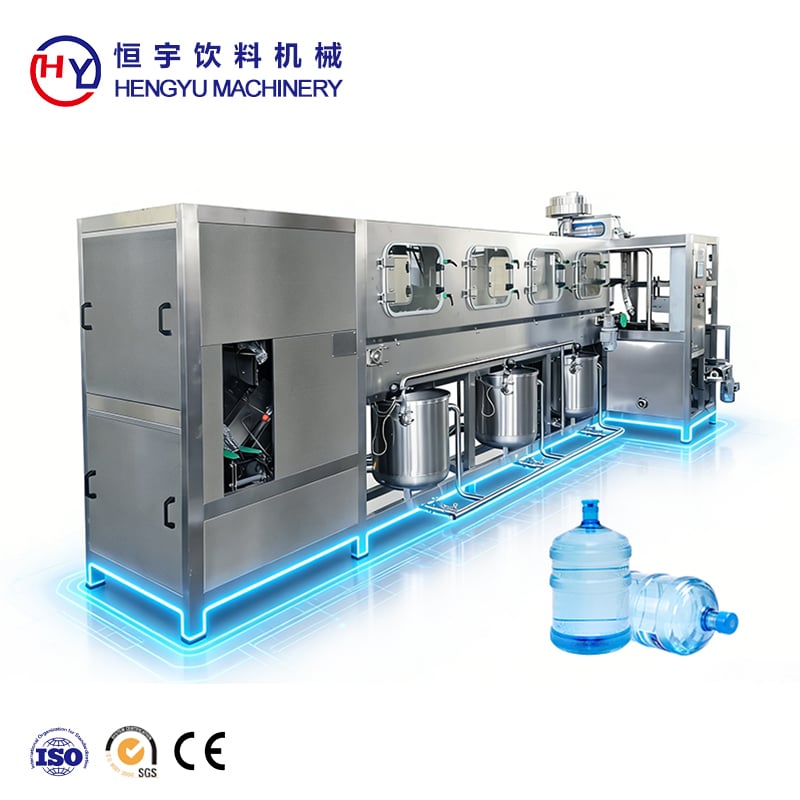
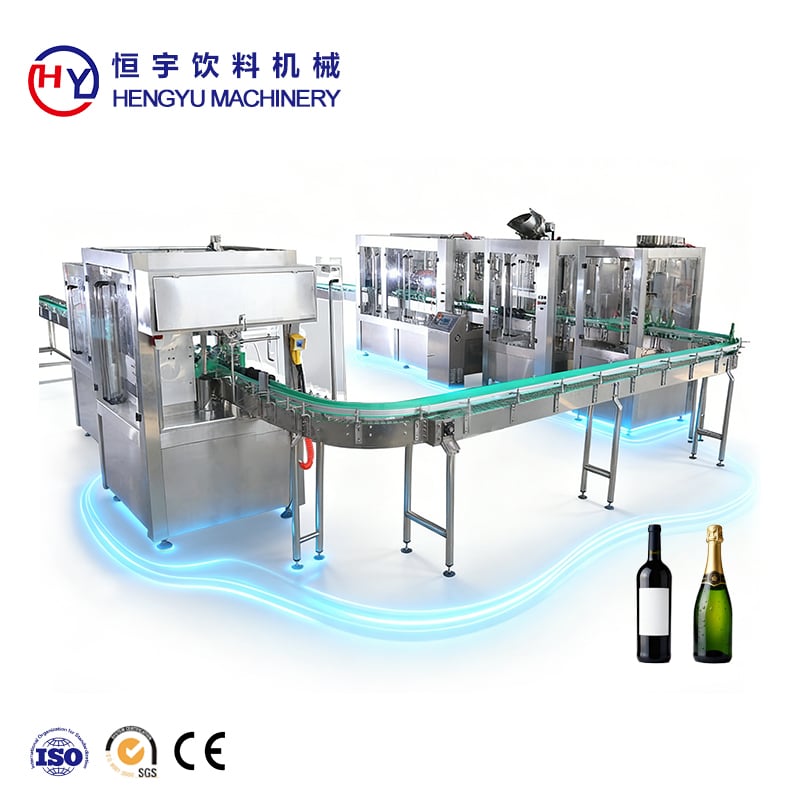
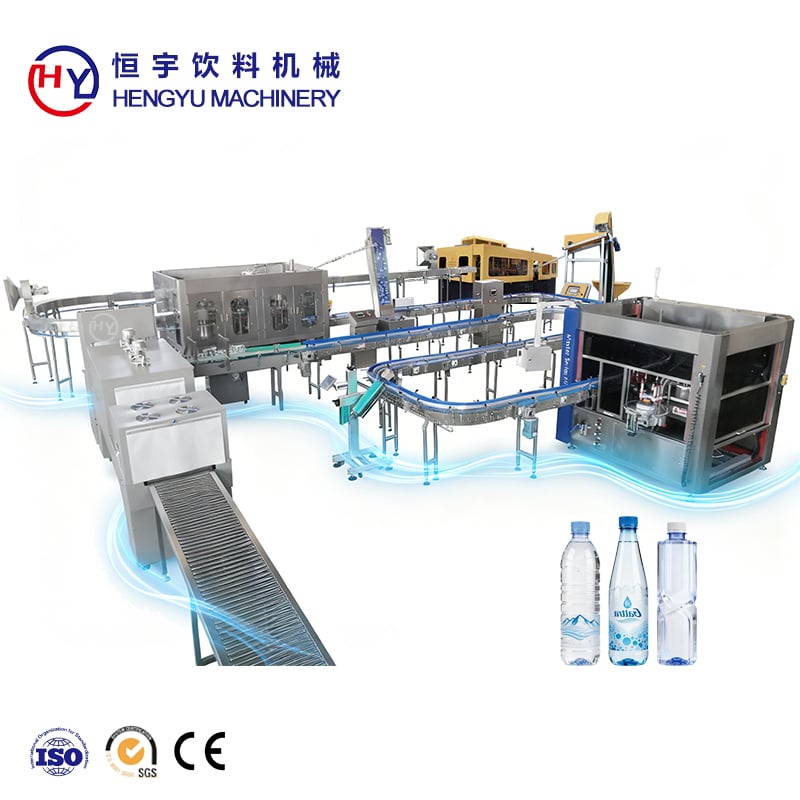
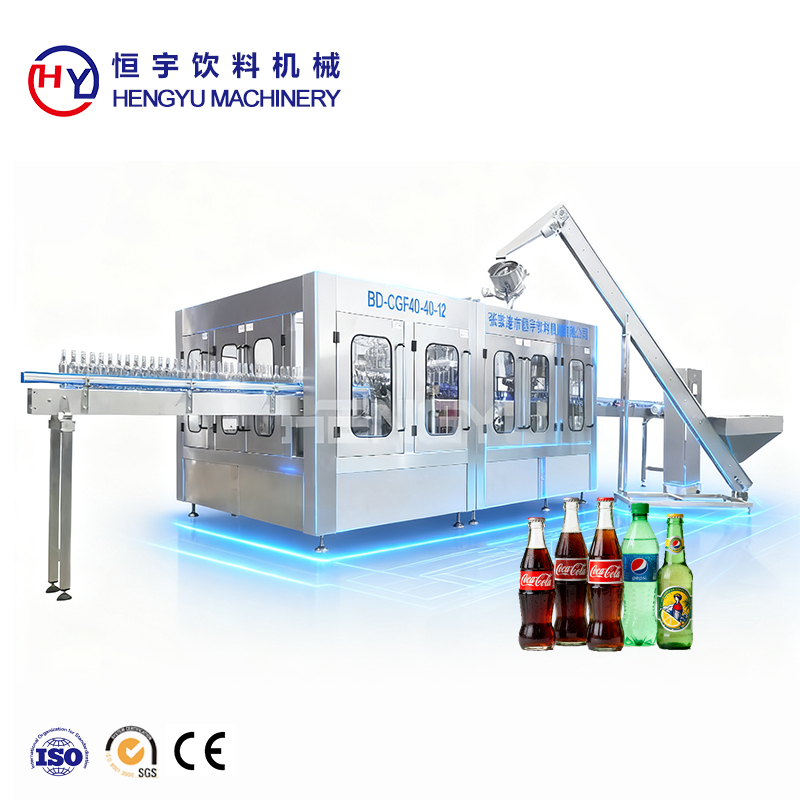
A beverage bottling line represents a comprehensive automated production system designed to efficiently package liquid products into containers at scale. This sophisticated manufacturing solution integrates multiple specialized machines and components that work in synchronized harmony to transform bulk beverages into market-ready packaged products. The primary function of a beverage bottling line encompasses the complete packaging process from empty container handling through filling, capping, labeling, and final case packing. Modern beverage bottling line systems incorporate advanced technological features including programmable logic controllers, servo-driven mechanisms, and touchscreen human-machine interfaces that enable operators to monitor and adjust production parameters in real-time. These production systems accommodate various container types such as glass bottles, plastic bottles, aluminum cans, and specialized packaging formats, making them versatile solutions for diverse beverage manufacturing requirements. The technological architecture of a beverage bottling line typically includes depalletizers for container infeed, rinsing stations for cleaning, precision filling machines with volumetric or gravity-fed systems, capping equipment with torque control, labeling applicators with registration sensors, inspection systems utilizing cameras and sensors for quality assurance, and end-of-line packaging equipment including shrink wrappers and case packers. Applications span the entire beverage industry spectrum, serving manufacturers of carbonated soft drinks, still water, juices, energy drinks, alcoholic beverages including beer and wine, dairy-based drinks, and functional beverages. The scalability of beverage bottling line configurations allows businesses to select systems matching their production volume requirements, ranging from semi-automatic lines for small-batch artisanal producers to fully automated high-speed installations capable of processing thousands of containers per hour for large-scale commercial operations.

Popular Products

Investing in a beverage bottling line delivers transformative benefits that directly impact your production efficiency and profitability. First and foremost, automation significantly reduces labor costs by minimizing the number of workers required on the production floor while simultaneously increasing output capacity. A single automated line can replace dozens of manual workers while producing consistent quality at speeds impossible to achieve through human labor alone. This efficiency translates into lower cost per unit, improving your competitive position in the marketplace. The precision engineering inherent in modern systems ensures consistent fill levels, reducing product waste and ensuring compliance with regulatory standards for package contents. Every container receives the exact specified volume, eliminating overfilling that wastes product and underfilling that risks regulatory penalties. Quality control mechanisms built into the line detect and reject defective containers, damaged caps, misaligned labels, and contamination issues before products reach distribution channels, protecting your brand reputation and reducing costly recalls. Flexibility stands as another compelling advantage, as beverage bottling line equipment can be configured to handle multiple product types and container formats with minimal changeover time. This versatility enables you to respond quickly to market demands, introduce new products, and run different beverages on the same line during different production shifts. The hygienic design of modern systems incorporates stainless steel construction and clean-in-place capabilities that maintain sanitary conditions essential for food-grade manufacturing, reducing contamination risks and simplifying compliance with health regulations. Energy efficiency features including variable frequency drives and optimized pneumatic systems lower operational costs while supporting sustainability initiatives that increasingly matter to consumers and corporate responsibility programs. Data collection and reporting capabilities provide valuable production insights, tracking metrics such as output rates, downtime causes, quality statistics, and maintenance needs. This information empowers management to make informed decisions about operational improvements and predictive maintenance scheduling. The reliability of professionally engineered systems minimizes unexpected breakdowns that halt production and create delivery delays, ensuring you meet customer commitments consistently. Return on investment typically occurs within two to three years as labor savings, reduced waste, increased production capacity, and improved quality compound over time.

Practical Tips

How Can Filling Machines Improve Beverage Production Speed

24

Mar

How Can Filling Machines Improve Beverage Production Speed

Filling Machine Type Determines Maximum Throughput Potential Gravity, Isobaric, and Piston Can Filling Machines: Speed vs. Precision Trade-offs Gravity fillers work well for delicate drinks such as juice, processing around 20 to 36 bottles every mi...
View More
Can Filling Machine Technology for Carbonated Beverages

20

Mar

Can Filling Machine Technology for Carbonated Beverages

Isobaric Filling Principles: How Can Filling Machines Preserve Carbonation Under Pressure The Physics of CO₂ Solubility and Why Counter-Pressure Is Non-Negotiable The way carbon dioxide dissolves in drinks basically follows what we call Henry's Law...
View More
Troubleshooting Can Filling Machine Production Issues

21

Mar

Troubleshooting Can Filling Machine Production Issues

Power, Control, and Electrical Faults in Can Filling Machines Machine won't power on: main supply, fuses, and emergency stop circuit checks If the can filling machine won't start at all, the first thing to do is check whether the main power supply ...
View More
Automation Technology in Can Sealing Machines

24

Mar

Automation Technology in Can Sealing Machines

How Automation Enhances Precision and Reliability in Can Sealing Machines Core Automation Components: Servo Drives, Vision Systems, and Closed-Loop Feedback in Modern Can Sealing Machines Today's can sealing equipment reaches incredible levels of p...
View More

Get a Free Quote

Our representative will contact you soon.
Email
Name
Phone/WhatsApp
Required Product
Message
0/1000

beverage bottling line

Advanced Automation Technology for Maximum Production Efficiency

Advanced Automation Technology for Maximum Production Efficiency

Modern beverage bottling line systems leverage cutting-edge automation technology that revolutionizes production capabilities for manufacturers of all sizes. The integration of servo-driven motors throughout critical operations provides unprecedented precision and speed control, enabling smooth acceleration and deceleration that protects product integrity while maximizing throughput. These sophisticated drive systems respond instantly to commands from the central control system, maintaining perfect synchronization between different stations even during speed changes or emergency stops. The programmable logic controllers that serve as the operational brain of the line offer extensive customization options, allowing operators to create and store recipes for different products with unique filling parameters, capping torque specifications, and labeling requirements. Switching between products becomes a simple matter of selecting the appropriate recipe from the touchscreen interface rather than manually adjusting multiple machines. Vision systems equipped with high-resolution cameras perform multiple inspection tasks simultaneously, checking fill levels with millimeter accuracy, verifying cap presence and proper application, confirming label position and print quality, and detecting foreign objects or container defects. These automated quality checks occur at production speed without slowing the line, providing 100 percent inspection coverage that manual spot-checking cannot match. The human-machine interface presents all critical information in intuitive graphical formats, displaying real-time production counts, efficiency percentages, alarm notifications, and trending data that helps operators anticipate and prevent issues. Remote access capabilities enable technical support personnel to diagnose problems and adjust settings without traveling to the facility, reducing downtime and accelerating issue resolution. Integrated sensors throughout the beverage bottling line continuously monitor temperatures, pressures, flow rates, and mechanical positions, providing the control system with comprehensive operational data. When parameters drift outside acceptable ranges, the system automatically makes corrections or alerts operators to intervene before quality issues develop. This proactive approach prevents the production of defective goods and protects expensive product from being wasted. The modular architecture of modern automation systems allows for future upgrades and capacity expansions without replacing the entire line, protecting your technology investment as your business grows and new capabilities become available in the marketplace.
Exceptional Versatility for Diverse Product and Container Requirements

Exceptional Versatility for Diverse Product and Container Requirements

The remarkable versatility built into contemporary beverage bottling line designs provides manufacturers with strategic flexibility that delivers competitive advantages in dynamic markets. Equipment configurations accommodate an impressive range of container materials, sizes, and shapes without requiring separate dedicated lines for each product variant. Quick-change components including bottle guides, filling nozzles, capping heads, and labeling stations can be adjusted or swapped in minutes rather than hours, minimizing production time lost during changeovers between different beverages or package formats. This adaptability proves especially valuable for contract packagers serving multiple clients and brand owners who maintain diverse product portfolios responding to seasonal demand fluctuations and emerging consumer preferences. The filling systems incorporate multiple technology options suited to different beverage characteristics, with gravity fillers ideal for thin, non-carbonated liquids, pressure fillers designed for carbonated products that require counterpressure to prevent foaming, and piston fillers appropriate for viscous beverages containing pulp or particulates. Selecting the appropriate filling technology for your specific products ensures optimal performance and product quality. Container handling systems gently manage delicate glass bottles while also accommodating the rigidity of aluminum cans and the varying wall thickness of plastic bottles manufactured from different polymers. Height adjustment mechanisms allow the beverage bottling line to process containers ranging from small single-serving formats to large family-size packages without mechanical modifications. Capping equipment handles diverse closure types including screw caps, crown caps, cork stoppers, and specialized sport caps or dispensing closures, with automatic changeover systems that recognize container types and select appropriate capping parameters. Labeling applicators apply pressure-sensitive labels, shrink sleeves, roll-fed labels, and pre-cut labels depending on your branding requirements and budget considerations. The ability to implement different labeling technologies on the same basic platform provides design flexibility while controlling capital investment. Product temperature handling capabilities span chilled beverages requiring cold-fill processing to hot-fill applications that use elevated temperatures for preservation, with line components constructed from materials and equipped with seals appropriate for the temperature ranges involved. This thermal versatility expands the range of products you can manufacture on a single line investment. The scalability inherent in modular line designs enables you to start with a baseline configuration matching current production needs and add capacity or capabilities as your business expands, protecting initial investment while providing a clear growth path.
Comprehensive Quality Assurance and Regulatory Compliance Features

Comprehensive Quality Assurance and Regulatory Compliance Features

Quality assurance capabilities integrated throughout the beverage bottling line provide manufacturers with robust safeguards that protect brand reputation, ensure consumer safety, and maintain compliance with increasingly stringent regulatory requirements governing food and beverage production. The multi-stage approach to quality verification begins even before filling occurs, with empty container inspection systems that detect cracks, chips, contamination, and dimensional defects that could compromise package integrity or product safety. Rejecting defective containers before product enters them prevents waste and eliminates the possibility of defective packages reaching consumers. Rinsing stations subject containers to purified water or sterile air jets that remove dust, manufacturing residue, and potential contaminants introduced during transportation and storage, establishing clean conditions essential for product stability and shelf life. Filling accuracy verification systems continuously monitor dispensed volumes, comparing actual fills against target specifications and automatically adjusting filling parameters to maintain precision within tight tolerances typically measured in fractions of a milliliter. This meticulous control ensures every package contains the declared volume, satisfying legal metrology requirements and preventing consumer complaints about short-filled products. The capping verification systems apply precise torque specifications that seal containers adequately without overtightening that could damage threads or undertightening that risks leakage and product spoilage. Sensors confirm cap presence, proper alignment, and secure application before containers advance to subsequent operations. Post-filling inspection stations examine filled containers for foreign objects, checking product clarity and detecting any particulates or contamination that may have entered during the packaging process. Label verification systems confirm proper placement, orientation, and print quality, ensuring barcodes scan correctly and regulatory information remains legible. Coding systems apply batch numbers, production dates, and expiration information required for traceability throughout the supply chain, critical capabilities when recalls become necessary or quality investigations require identifying affected production runs. The beverage bottling line incorporates comprehensive documentation systems that record all critical parameters for every production run, creating detailed records that demonstrate compliance during regulatory audits and provide valuable data for internal quality improvement initiatives. Sanitary design principles govern equipment construction, specifying stainless steel contact surfaces, self-draining configurations that prevent liquid accumulation, and tool-free disassembly that facilitates thorough cleaning. Clean-in-place systems automate sanitation procedures, circulating cleaning solutions and sanitizers through product pathways according to validated protocols that ensure hygienic conditions between production runs. These automated cleaning cycles reduce labor requirements while improving consistency and effectiveness compared to manual cleaning procedures.