Professional Juice Bottling Machine Solutions - Automated Filling Systems for Beverage Production

All Categories

juice bottling machine

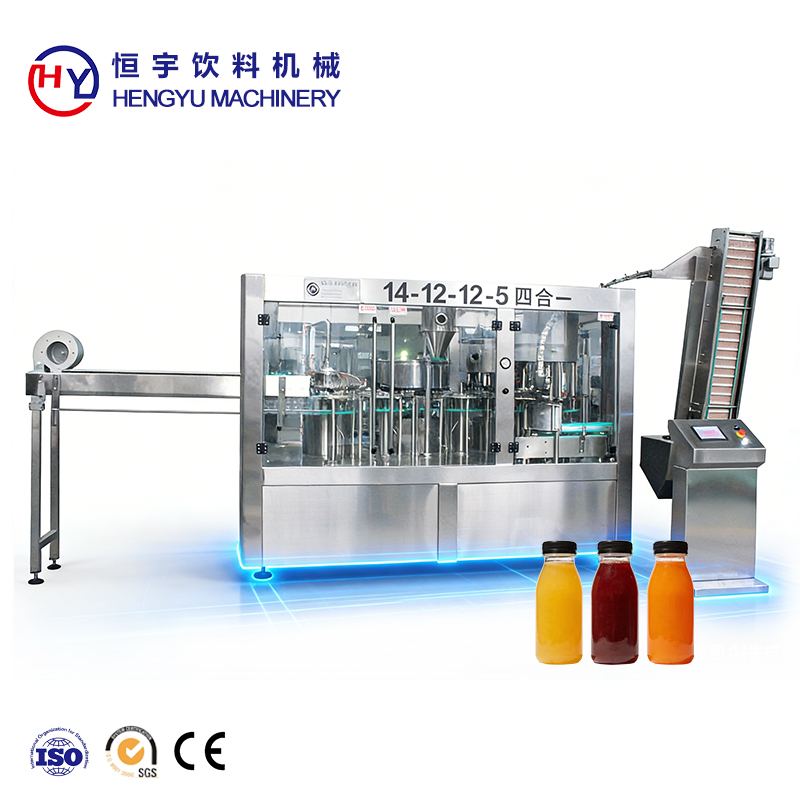
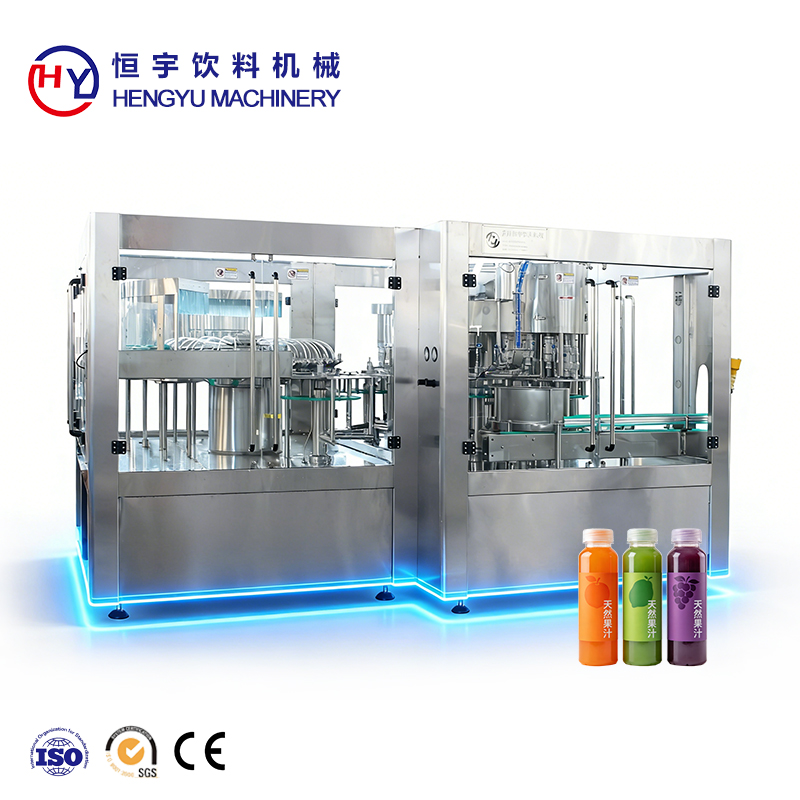
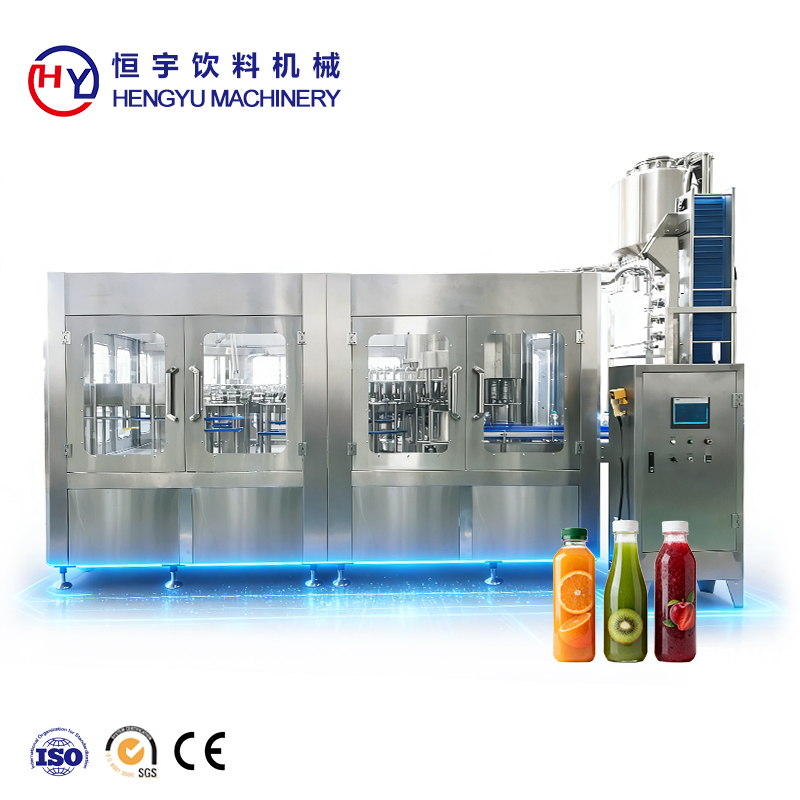
A juice bottling machine represents an essential piece of equipment for beverage production facilities that demand efficiency, precision, and consistency in their packaging operations. This automated system handles the complete process of filling bottles with fresh juice products while maintaining strict hygiene standards and production quality. Modern juice bottling machines integrate advanced technology to accommodate various bottle sizes, shapes, and materials including glass, PET plastic, and HDPE containers. The primary functions encompass bottle rinsing, precise liquid filling, capping, sealing, labeling, and final packaging preparation. These machines operate through synchronized mechanical and electronic systems that control flow rates, monitor fill levels, and ensure each container receives the exact predetermined volume. Production facilities utilize juice bottling machines across multiple scales from small craft operations processing hundreds of bottles hourly to industrial plants handling thousands of units per hour. The technological features include programmable logic controllers that allow operators to adjust parameters quickly when switching between different product lines or bottle specifications. Stainless steel construction throughout ensures durability and facilitates thorough cleaning procedures essential for food safety compliance. Many contemporary models incorporate servo motor technology providing exceptional accuracy in filling operations while minimizing product waste. The machines feature no-drip nozzles that prevent spillage and contamination between filling cycles. Sanitary design principles guide every aspect of construction with smooth surfaces, minimal dead spaces, and easily accessible components for maintenance. Applications span the entire juice industry from freshly squeezed citrus beverages to blended fruit combinations, vegetable juices, and juice concentrate products. The equipment adapts to hot fill processes for shelf-stable products or cold fill operations for refrigerated distribution. Integration capabilities allow juice bottling machines to connect seamlessly with upstream processing equipment and downstream packaging lines creating comprehensive automated production systems. Quality control sensors monitor various parameters throughout operation ensuring consistent output that meets regulatory standards and customer expectations.

Popular Products

Investing in a juice bottling machine delivers substantial operational improvements that directly impact your bottom line and production capabilities. First and foremost, automation dramatically increases production speed compared to manual bottling methods, allowing businesses to fulfill larger orders and expand market reach without proportionally increasing labor costs. A single juice bottling machine can replace multiple manual workers while achieving fill accuracy within one percent variation, ensuring customers receive consistent product volume in every purchase. This precision eliminates costly overfilling that wastes valuable product and reduces underfilling complaints that damage brand reputation. The enhanced hygiene standards provided by automated bottling systems significantly extend product shelf life by minimizing human contact and environmental exposure during the packaging process. Enclosed filling environments protect juice from airborne contaminants and maintain the fresh taste and nutritional value that health-conscious consumers demand. Businesses reduce product loss through spillage prevention mechanisms built into modern filling equipment, with specialized nozzles and sensors that detect bottle presence before initiating each fill cycle. Operational flexibility stands as another crucial benefit, enabling quick changeovers between different juice varieties, bottle sizes, and production runs without extensive downtime or complex reconfiguration. This adaptability proves invaluable for companies offering diverse product portfolios or seasonal specialty items. Labor cost reduction extends beyond simple workforce numbers as automated systems require fewer specialized skills for routine operation, allowing staff reallocation to quality control, customer service, or business development activities that generate greater value. The consistent production pace maintained by juice bottling machines enables accurate forecasting and scheduling, improving inventory management and reducing storage costs associated with unpredictable production timelines. Energy efficiency in contemporary models lowers utility expenses through optimized motor systems and reduced water consumption during cleaning cycles. Maintenance requirements remain manageable with clearly documented procedures and readily available replacement components that minimize unexpected production interruptions. Compliance with food safety regulations becomes simpler as automated systems maintain detailed production records, temperature logs, and fill volume data that regulatory agencies require during inspections. The professional presentation achieved through uniform filling levels and consistent cap placement enhances shelf appeal and consumer confidence in your brand. Return on investment typically occurs within eighteen to thirty-six months depending on production volume, after which the ongoing operational savings and increased capacity contribute directly to profitability. Scalability allows businesses to start with entry-level equipment and upgrade components or add parallel lines as demand grows, protecting initial investment while supporting business expansion. The competitive advantage gained through faster time-to-market and ability to respond quickly to consumer trends positions companies for sustainable growth in dynamic beverage markets.

Tips And Tricks

Increasing Capacity in Bottled Water Production Lines

09

Mar

Increasing Capacity in Bottled Water Production Lines

Diagnosing Bottlenecks in Your Bottled Water Production Line Measuring Throughput Gaps: Bottling Speed, Changeover Time, and OEE Analysis To get a handle on where production is falling short, look at three key performance indicators. Start by compa...
View More
How Can Filling Machines Improve Beverage Production Speed

24

Mar

How Can Filling Machines Improve Beverage Production Speed

Filling Machine Type Determines Maximum Throughput Potential Gravity, Isobaric, and Piston Can Filling Machines: Speed vs. Precision Trade-offs Gravity fillers work well for delicate drinks such as juice, processing around 20 to 36 bottles every mi...
View More
Can Filling Machine Technology for Carbonated Beverages

20

Mar

Can Filling Machine Technology for Carbonated Beverages

Isobaric Filling Principles: How Can Filling Machines Preserve Carbonation Under Pressure The Physics of CO₂ Solubility and Why Counter-Pressure Is Non-Negotiable The way carbon dioxide dissolves in drinks basically follows what we call Henry's Law...
View More
Can Filling Machine Capacity Planning Guide

22

Mar

Can Filling Machine Capacity Planning Guide

Understanding Can Filling Machine Capacity: Theory vs. Real-World Performance Why Theoretical Capacity Rarely Matches Effective Output on Can Filling Lines When companies talk about canning speed at 100 cans per minute, they're referring to what ha...
View More

Get a Free Quote

Our representative will contact you soon.
Email
Name
Phone/WhatsApp
Required Product
Message
0/1000

juice bottling machine

Precision Filling Technology Ensures Perfect Product Consistency

Precision Filling Technology Ensures Perfect Product Consistency

The cornerstone of any effective juice bottling machine lies in its ability to deliver exact fill volumes repeatedly across thousands of production cycles without deviation or error. Advanced filling systems employ multiple sensor technologies working in concert to achieve this remarkable consistency. Volumetric filling mechanisms measure liquid displacement through positive displacement pumps that move precise quantities regardless of product viscosity or temperature variations. Flow meters continuously monitor output and adjust pump speeds in real-time to compensate for any detected discrepancies from target specifications. Weight-based systems provide an alternative approach where load cells beneath each filling station weigh bottles before and during filling, stopping precisely when the predetermined weight is reached. This method proves particularly effective for premium products where accuracy directly affects profit margins and regulatory compliance. The filling nozzles themselves incorporate sophisticated engineering with anti-drip valves that create clean cutoffs preventing product waste between bottles. Adjustable height mechanisms accommodate different bottle sizes without manual intervention, automatically sensing container dimensions and positioning nozzles at optimal insertion depths. Pressure controls maintain consistent flow rates whether filling the first bottle or the ten-thousandth, eliminating the fatigue factor inherent in manual operations. Product temperature monitoring ensures juice viscosity remains within acceptable parameters for accurate dispensing, triggering alerts if conditions drift outside specified ranges. This precision technology delivers measurable financial benefits as even small improvements in fill accuracy translate to significant savings when multiplied across daily production volumes. A facility producing fifty thousand bottles daily saves substantial product costs annually by reducing overfill from three percent to one percent. Beyond cost savings, consistency builds consumer trust as customers receive identical value in every purchase, strengthening brand loyalty and reducing complaint rates. Regulatory compliance becomes straightforward when automated documentation systems record every fill operation with timestamps and measurements that satisfy government oversight requirements. The reduced variability also simplifies quality control procedures as inspectors can reliably sample smaller batch quantities knowing the entire production run maintains the same standards. Technical support and calibration services ensure juice bottling machines maintain their precision throughout operational lifecycles, with periodic verification against certified standards keeping equipment performance within specifications.
Hygienic Design Principles Protect Product Quality and Safety

Hygienic Design Principles Protect Product Quality and Safety

Modern juice bottling machines incorporate comprehensive sanitary engineering principles that address every potential contamination pathway in the packaging process. Stainless steel grades specifically selected for food contact applications resist corrosion while providing smooth non-porous surfaces that prevent bacterial colonization and facilitate thorough cleaning. All product contact components feature sanitary finishes with specific surface roughness specifications that eliminate microscopic hiding places for microorganisms. Design engineers eliminate horizontal surfaces where liquid could pool and create breeding grounds for contamination, instead using sloped surfaces that promote complete drainage during cleaning cycles. Connection points utilize sanitary fittings with specialized gaskets that create sealed joints without crevices where residue might accumulate between production runs. The filling environment itself operates under positive air pressure with filtered air supplies that prevent external contaminants from entering the bottling zone during operation. Clean-in-place systems integrate directly into juice bottling machine designs allowing automated cleaning sequences that circulate sanitizing solutions through all product pathways without disassembly. These CIP systems follow validated protocols with specific chemical concentrations, temperatures, and contact times proven effective against relevant microbiological hazards. Operators initiate cleaning cycles through touchscreen interfaces that guide them through proper sequences while recording parameters for compliance documentation. Quick-disconnect components facilitate those maintenance tasks that do require disassembly, with tool-free releases that minimize the time equipment remains open to environmental exposure. Drip trays and splash guards contain any incidental product release during bottle changes or system adjustments, channeling liquids to waste collection points rather than allowing contamination of surrounding areas. Bottle handling systems incorporate reject mechanisms that automatically remove any container that fails inspection criteria before it reaches the filling station, preventing compromised packages from entering the production stream. Sterile air knives blow debris from bottle interiors immediately before filling, removing dust particles or foreign matter that might have been introduced during storage or transportation. UV sterilization systems provide additional antimicrobial treatment for bottles and caps without chemical residues or temperature effects that might damage packaging materials. These comprehensive hygienic features extend product shelf life by reducing initial microbial loads, decrease spoilage rates that affect profitability, and protect brand reputation by preventing quality failures that reach consumers. Maintenance protocols specifically address sanitation concerns with scheduled deep cleaning intervals and replacement of wear components before they compromise hygienic integrity.
Operational Flexibility Adapts to Diverse Production Requirements

Operational Flexibility Adapts to Diverse Production Requirements

The exceptional versatility built into contemporary juice bottling machines enables production facilities to respond dynamically to market demands and product innovations without capital equipment constraints. Modular construction philosophies allow manufacturers to configure systems with specific capabilities matching their current needs while maintaining upgrade pathways for future expansion. Changeover procedures between different bottle formats utilize quick-adjustment mechanisms that reposition guides, change nozzle configurations, and modify conveyor spacing in minutes rather than hours. Operators access intuitive touchscreen controls that store recipes for each product variant, recalling precise parameters with single button selections that eliminate manual calculation and reduce setup errors. This recipe management capability proves invaluable for facilities producing multiple juice varieties as viscosity differences, carbonation levels, and fill temperatures require distinct handling approaches. The bottle size flexibility extends from small single-serve containers through family-size packages, with some systems accommodating ranges from 200 milliliters to 2 liters on the same equipment line. Material compatibility spans glass bottles requiring gentle handling to prevent breakage, lightweight PET plastic needing careful filling to avoid deformation, and rigid HDPC containers that withstand more aggressive processing. Production speed adjustment capabilities let operators match output rates to downstream packaging equipment capacity or upstream supply availability, maintaining balanced workflow throughout the facility. Variable frequency drives on motor systems provide infinite speed control rather than fixed gear ratios, optimizing performance across the entire operational range. Integration interfaces using standard industrial protocols allow juice bottling machines to communicate with facility management systems, reporting production counts, efficiency metrics, and maintenance requirements in real-time. Remote monitoring capabilities enable technical support specialists to diagnose issues and adjust parameters without site visits, minimizing downtime and reducing service costs. Expandability features accommodate business growth as initial installations can accept additional filling heads, faster conveyors, or enhanced inspection systems when production volumes justify capacity increases. This scalability protects initial investments by extending equipment useful life rather than requiring complete replacement as businesses expand. Seasonal production variations common in juice manufacturing benefit from the ability to efficiently run small specialty batches during off-peak periods then ramp to maximum capacity during harvest seasons when raw material availability peaks. The operational flexibility inherent in modern juice bottling machines transforms them from single-purpose tools into strategic assets that support diverse business models and adapt to evolving market conditions throughout their service lives.