Automatic Beverage Filling Machine - Advanced Production Solutions for Beverage Manufacturers

All Categories

automatic beverage filling machine

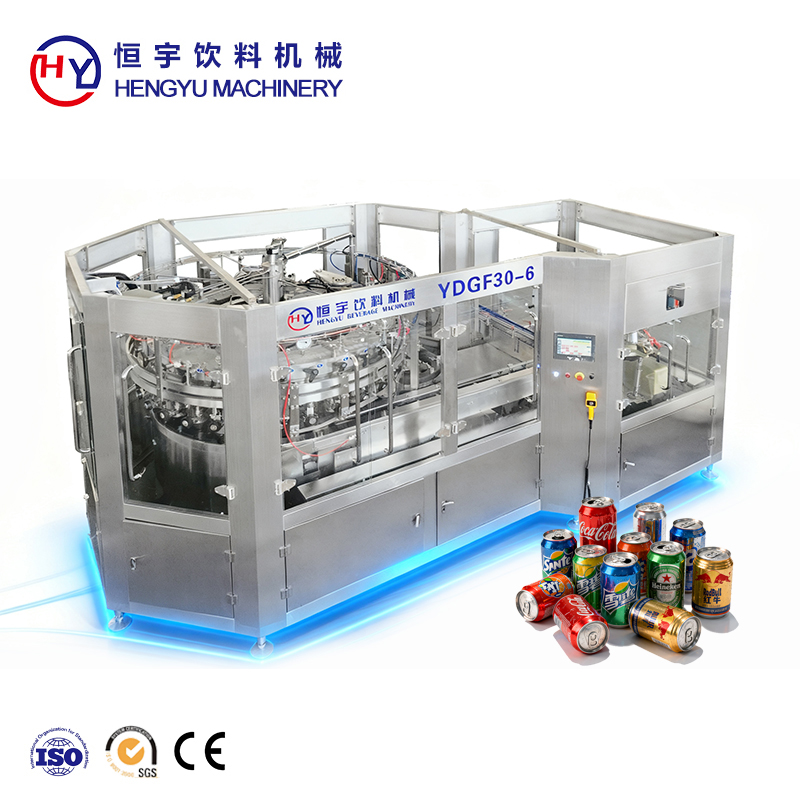
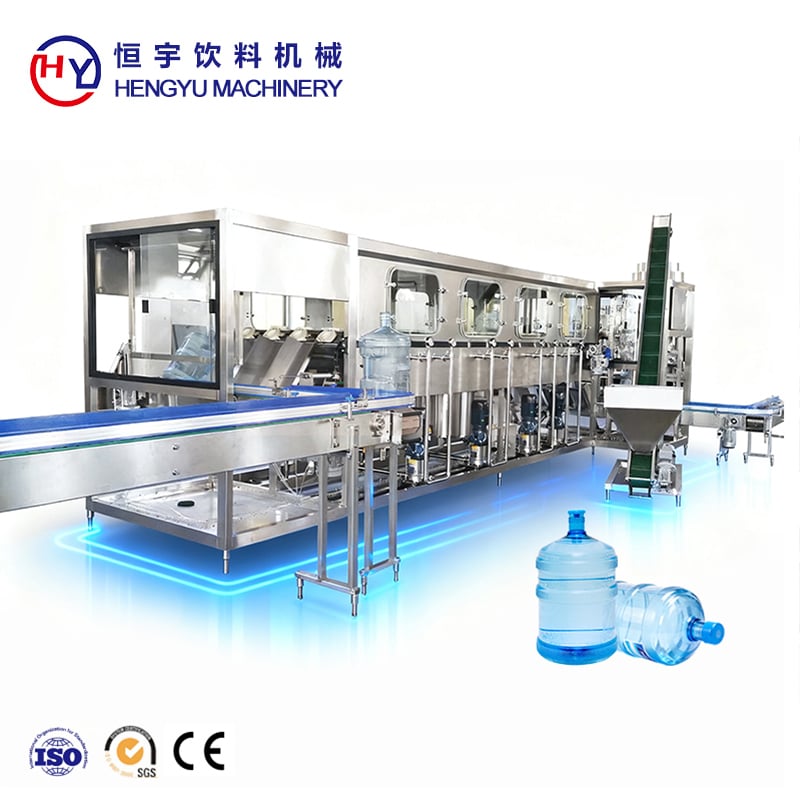
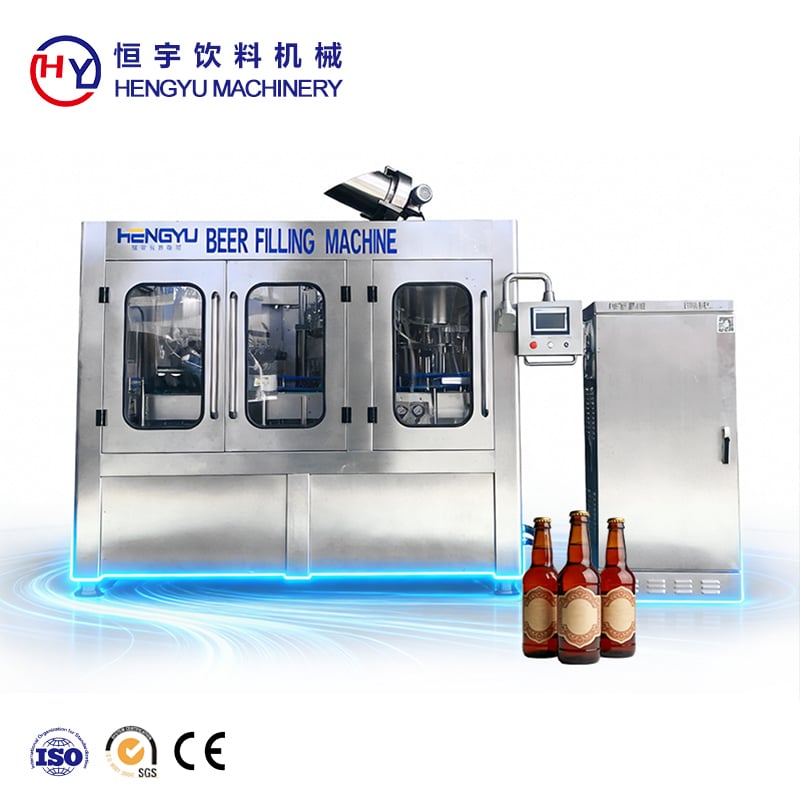
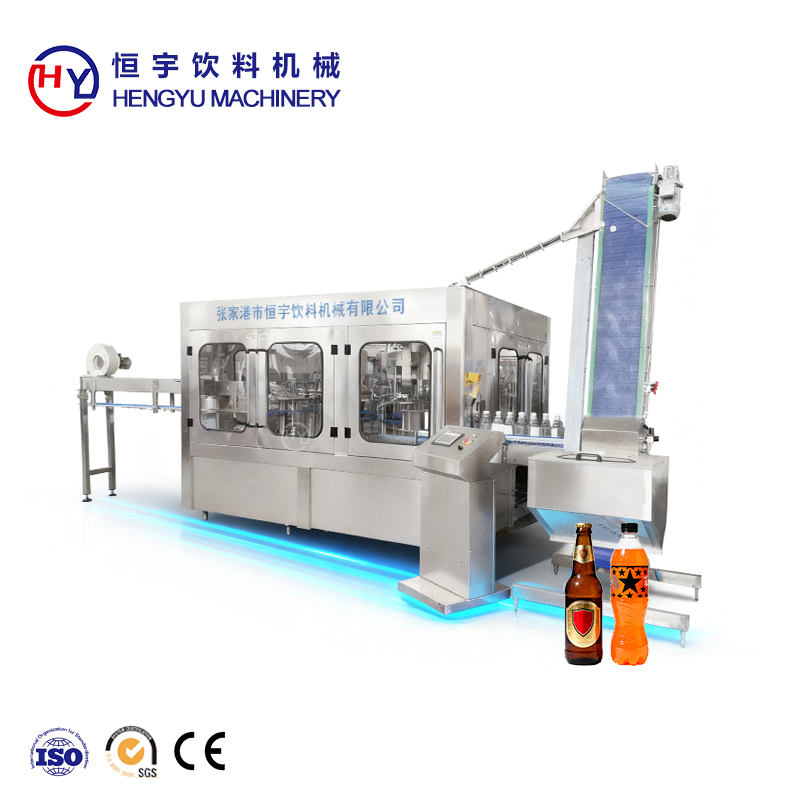
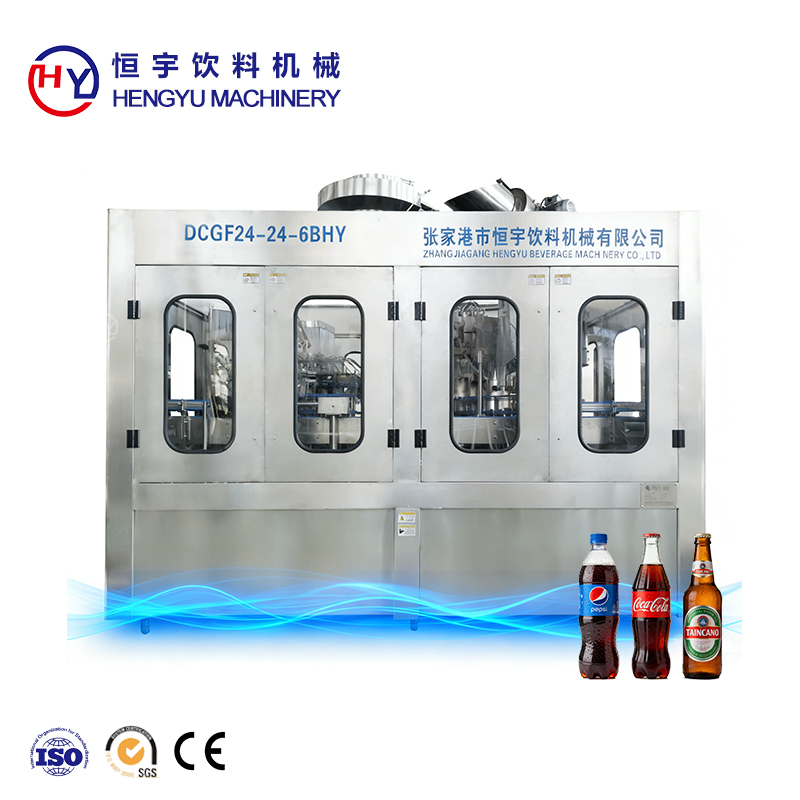
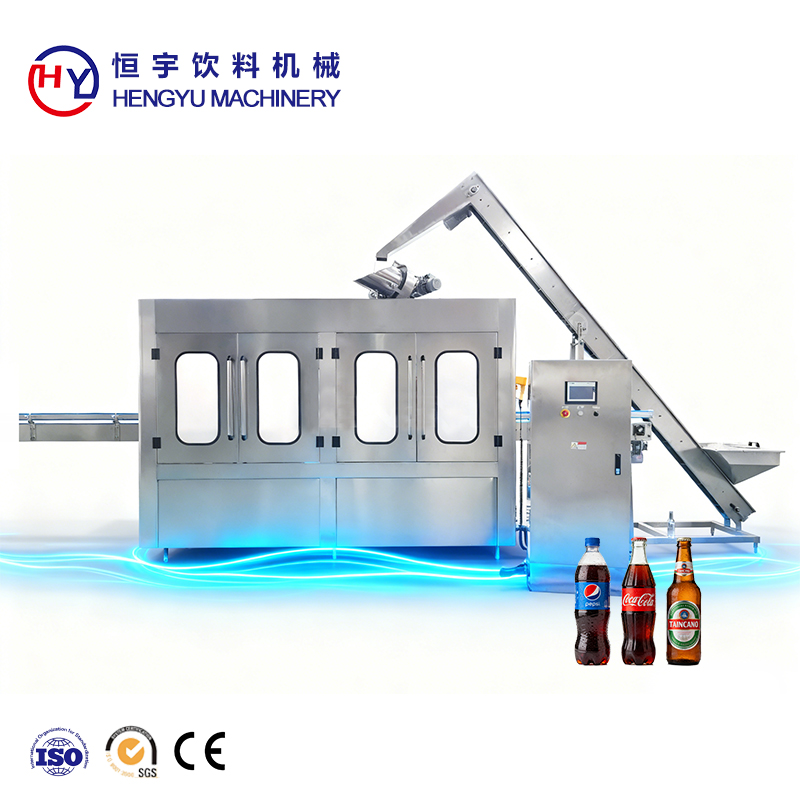
The automatic beverage filling machine represents a revolutionary advancement in the liquid packaging industry, designed to streamline production processes for manufacturers of various beverages including water, juice, carbonated drinks, energy drinks, and dairy products. This sophisticated equipment integrates multiple operations into a seamless workflow, combining rinsing, filling, and capping functions within a single automated system. The primary function of an automatic beverage filling machine centers on precise liquid dispensing into containers of varying sizes and materials, whether glass bottles, plastic bottles, or aluminum cans. Modern machines utilize advanced sensor technology and programmable logic controllers to ensure accuracy in fill levels, minimizing product waste while maintaining consistency across thousands of units per hour. The technological features embedded within these systems include servo-driven mechanisms for enhanced precision, touchscreen interfaces for operator convenience, and quick-changeover capabilities that allow manufacturers to switch between different product types and container formats with minimal downtime. Many models incorporate clean-in-place systems and sanitary design principles that comply with stringent food safety regulations and hygiene standards. The application scope of automatic beverage filling machines extends across diverse production environments, from small-scale craft beverage operations requiring flexible batch processing to large industrial facilities demanding high-speed continuous production. These machines accommodate various filling methods including gravity filling for non-carbonated beverages, pressure filling for carbonated products, and vacuum filling for sensitive liquids requiring minimal oxygen exposure. The equipment's versatility makes it indispensable for beverage manufacturers seeking to scale operations, improve product quality, reduce labor costs, and meet increasing consumer demand. Integration capabilities with upstream and downstream equipment such as bottle blowers, labelers, and packaging systems create comprehensive production lines that maximize efficiency and operational control throughout the entire manufacturing process.

New Product Releases

Investing in an automatic beverage filling machine delivers transformative benefits that directly impact your bottom line and operational efficiency. The most immediate advantage manifests in dramatically increased production capacity, as these machines process anywhere from 2000 to 36000 bottles per hour depending on the model, far exceeding what manual or semi-automatic systems can achieve. This production boost enables manufacturers to fulfill larger orders, respond quickly to market demands, and capture greater market share without proportional increases in labor costs. Precision represents another critical advantage, as automatic systems maintain fill accuracy within plus or minus one percent, ensuring every container receives the exact amount of product specified. This precision eliminates overfilling waste that erodes profit margins and prevents underfilling that could trigger regulatory penalties or customer dissatisfaction. The consistency delivered by automation also strengthens brand reputation, as consumers receive uniform products that meet their expectations every single time. Labor cost reduction constitutes a substantial economic benefit, as one operator can supervise an automated line that previously required five to ten workers, freeing human resources for value-added tasks like quality control and process optimization. The machine handles repetitive, physically demanding tasks without fatigue, eliminating the inconsistencies and errors associated with human exhaustion during long production shifts. Product safety and hygiene reach superior levels through automated systems that minimize human contact with beverages, reducing contamination risks that could compromise product integrity or consumer health. Stainless steel construction and self-cleaning features maintain sanitary conditions between production runs, supporting compliance with health regulations and industry certifications. Operational flexibility allows manufacturers to diversify their product portfolio without major capital investments, as modern machines accommodate different bottle shapes, sizes, and beverage formulations through simple adjustments rather than complete equipment changes. This adaptability proves invaluable when launching new products or responding to seasonal demand fluctuations. Energy efficiency in contemporary models reduces utility costs through optimized motor systems and intelligent power management that adjusts consumption based on actual production requirements. Reduced downtime through preventive maintenance alerts and diagnostic systems keeps production lines running smoothly, maximizing return on investment by ensuring equipment availability when needed. The data collection capabilities built into modern machines provide valuable insights into production metrics, enabling continuous improvement initiatives that refine processes and identify optimization opportunities. Quality control integration through automated inspection systems catches defective containers before they proceed to capping and labeling, protecting brand reputation and reducing costly product recalls.

Practical Tips

Increasing Capacity in Bottled Water Production Lines

09

Mar

Increasing Capacity in Bottled Water Production Lines

Diagnosing Bottlenecks in Your Bottled Water Production Line Measuring Throughput Gaps: Bottling Speed, Changeover Time, and OEE Analysis To get a handle on where production is falling short, look at three key performance indicators. Start by compa...
View More
How Can Filling Machines Improve Beverage Production Speed

24

Mar

How Can Filling Machines Improve Beverage Production Speed

Filling Machine Type Determines Maximum Throughput Potential Gravity, Isobaric, and Piston Can Filling Machines: Speed vs. Precision Trade-offs Gravity fillers work well for delicate drinks such as juice, processing around 20 to 36 bottles every mi...
View More
Troubleshooting Can Filling Machine Production Issues

21

Mar

Troubleshooting Can Filling Machine Production Issues

Power, Control, and Electrical Faults in Can Filling Machines Machine won't power on: main supply, fuses, and emergency stop circuit checks If the can filling machine won't start at all, the first thing to do is check whether the main power supply ...
View More
Can Sealing Machine Maintenance Tips

23

Mar

Can Sealing Machine Maintenance Tips

Daily and Weekly Preventive Maintenance for Your Can Sealing Machine Essential Daily Checks: Belt Tension, Sealing Bar Alignment, and Tape Head Cleanliness Starting every shift with a quick check on belt tension makes all the difference. If belts a...
View More

Get a Free Quote

Our representative will contact you soon.
Email
Name
Phone/WhatsApp
Required Product
Message
0/1000

automatic beverage filling machine

Advanced Precision Filling Technology for Zero Product Waste

Advanced Precision Filling Technology for Zero Product Waste

The automatic beverage filling machine incorporates state-of-the-art precision filling technology that revolutionizes how manufacturers approach liquid dispensing operations. At the heart of this capability lies sophisticated flow meter systems and electronic weight verification mechanisms that measure product volume with exceptional accuracy, ensuring each container receives precisely the intended amount without deviation. This precision technology utilizes multiple verification checkpoints throughout the filling cycle, beginning with pre-fill container inspection that confirms proper positioning and orientation before any liquid enters the bottle. The filling valves themselves employ advanced sealing mechanisms and pressure control systems that prevent dripping, foaming, or splashing during the dispensing process, regardless of liquid viscosity or carbonation levels. For carbonated beverages, specialized counter-pressure filling systems maintain product integrity by creating a pressurized environment within the container that prevents carbon dioxide escape, preserving the fizz and flavor characteristics that consumers expect. Temperature control integration ensures beverages maintain optimal filling temperatures, as liquid viscosity changes with temperature fluctuations can affect fill accuracy and product stability. The technology adapts automatically to different container sizes through programmable recipes stored in the machine's memory, eliminating manual adjustments and reducing changeover time between production runs. Servo-driven positioning systems control valve movements with millisecond precision, coordinating the timing of each filling station to maintain consistent flow rates across all nozzles simultaneously. This synchronization prevents bottle-to-bottle variations that could create quality control issues downstream. The rejection system automatically diverts underfilled or overfilled containers from the production line, preventing defective products from reaching consumers while providing real-time feedback that alerts operators to potential system adjustments needed. Statistical process control capabilities track filling performance over time, generating detailed reports that identify trends, predict maintenance needs, and support continuous improvement initiatives. The precision filling technology dramatically reduces product giveaway, the industry term for overfilling that costs manufacturers millions annually in unnecessary product usage. Even small improvements in fill accuracy translate to substantial cost savings when multiplied across millions of units produced annually, making the investment in advanced filling technology rapidly self-funding through waste reduction alone.
Seamless Integration and Intelligent Automation Systems

Seamless Integration and Intelligent Automation Systems

Modern automatic beverage filling machines excel through seamless integration capabilities and intelligent automation systems that transform isolated equipment into cohesive production ecosystems. The integration architecture begins with industrial communication protocols that enable the filling machine to exchange real-time data with upstream equipment like bottle unscramblers and air conveyors, as well as downstream systems including capping machines, labelers, and case packers. This connectivity creates synchronized production flows where each machine component adjusts its operation speed and timing based on information received from neighboring equipment, preventing bottlenecks and maximizing overall line efficiency. The intelligent automation systems employ programmable logic controllers and human-machine interfaces that provide operators with intuitive touchscreen controls for monitoring production status, adjusting parameters, and troubleshooting issues without requiring specialized programming knowledge. Recipe management functions allow manufacturers to store dozens of different product configurations including fill volumes, speeds, temperatures, and timing sequences, enabling rapid changeovers between beverage types with single-button recall of saved settings. The automation extends to quality assurance through integrated vision systems that inspect filled containers for proper fill levels, cap placement, and label application, automatically rejecting defective units while documenting quality metrics for compliance reporting. Predictive maintenance algorithms analyze equipment performance data to forecast component wear and schedule maintenance activities during planned downtime rather than experiencing unexpected breakdowns during production shifts. This predictive approach reduces maintenance costs by replacing parts before failures occur and extends overall equipment lifespan through optimized care schedules. Remote monitoring capabilities enable technical support teams to access machine diagnostics from off-site locations, troubleshooting issues and updating software without dispatching technicians for on-site visits, reducing response times and minimizing production interruptions. The automation systems incorporate safety interlocks and emergency stop functions that protect operators from moving components while ensuring compliance with workplace safety regulations. Energy management features within the intelligent systems optimize power consumption by reducing motor speeds during low-demand periods and shutting down unused sections when production scales back. Production analytics dashboards aggregate data from all integrated systems, providing management with comprehensive visibility into overall equipment effectiveness, production rates, downtime causes, and quality trends that inform strategic decision-making and capital investment planning.
Hygienic Design and Comprehensive Sanitation Capabilities

Hygienic Design and Comprehensive Sanitation Capabilities

The automatic beverage filling machine prioritizes hygienic design and comprehensive sanitation capabilities that address the critical food safety requirements governing beverage production facilities. Every surface that contacts product features sanitary construction principles including smooth, crevice-free stainless steel components that prevent bacterial harboring and facilitate thorough cleaning between production runs. The material selection extends beyond stainless steel to include food-grade polymers and elastomers certified for contact with consumable liquids, ensuring no contamination or flavor transfer occurs during the filling process. Drainage systems incorporate sloped surfaces and strategically positioned outlets that prevent liquid accumulation where microorganisms could proliferate, supporting the dry environment principles that modern sanitation protocols demand. The clean-in-place systems integrated into advanced models automate the entire sanitation process, circulating cleaning solutions and sanitizing agents through filling valves, product pathways, and tank surfaces without requiring equipment disassembly. This automation reduces cleaning time from hours to minutes while delivering more consistent and effective sanitation results compared to manual cleaning methods that depend on operator thoroughness and technique. The CIP systems feature programmable cleaning cycles tailored to different product types and soil levels, with validation sensors that confirm cleaning effectiveness by measuring solution conductivity and turbidity before authorizing production resumption. Sterile filling configurations available for sensitive beverages like premium juices and dairy products incorporate additional safeguards including HEPA-filtered air supplies, ultraviolet sterilization systems, and aseptic zone isolation that prevents environmental contamination during filling operations. These advanced hygienic features enable extended product shelf life without preservatives, meeting consumer preferences for clean-label beverages with minimal artificial ingredients. Documentation capabilities within the sanitation systems generate detailed cleaning records that satisfy regulatory audit requirements and support hazard analysis critical control point program compliance. The hygienic design extends to machine accessibility, with hinged guards and tool-free panels that provide cleaning personnel complete access to all product contact areas for inspection and manual cleaning when required. Gasket designs employ compression-limiting features that prevent over-tightening damage while ensuring reliable sealing performance across repeated assembly cycles. The commitment to sanitation excellence protects brand reputation by minimizing contamination risks that could trigger costly product recalls or regulatory enforcement actions, while the automated cleaning capabilities reduce water consumption and chemical usage compared to traditional manual cleaning approaches.