Professional Soda Bottling Equipment - Advanced Solutions for Carbonated Beverage Production

All Categories

soda bottling equipment

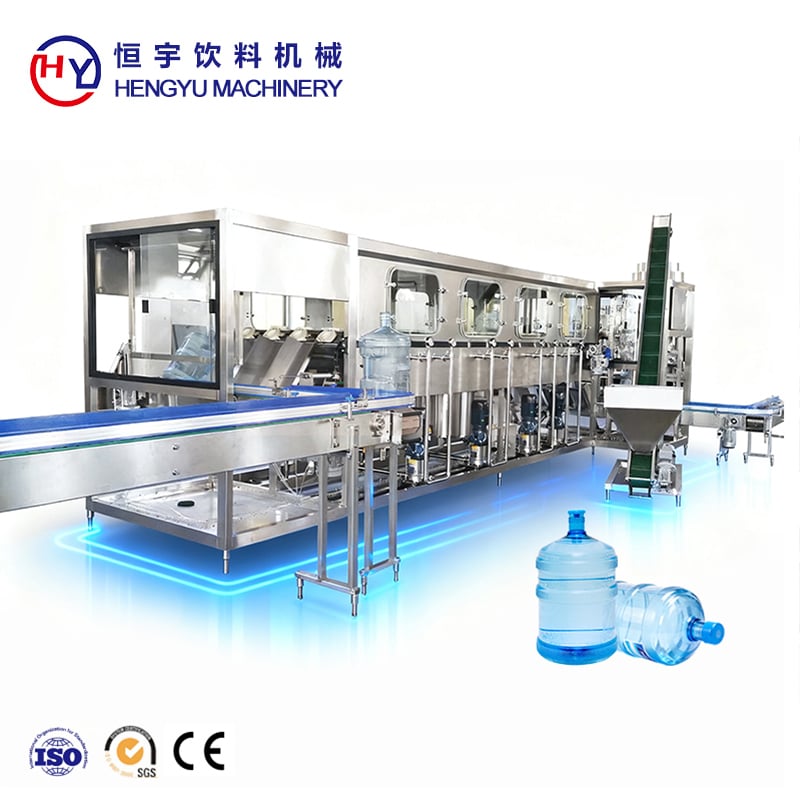
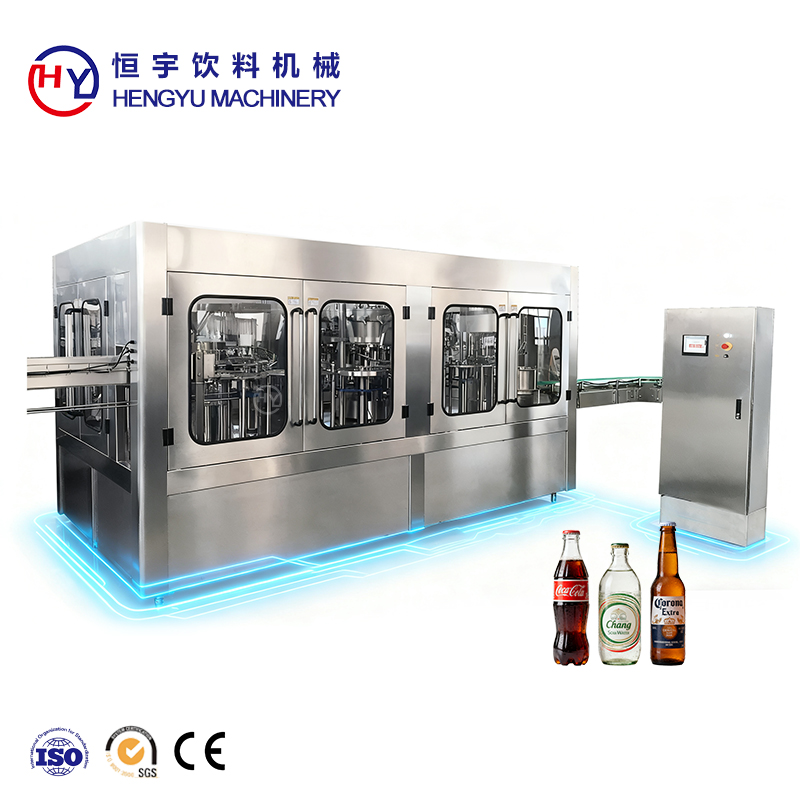
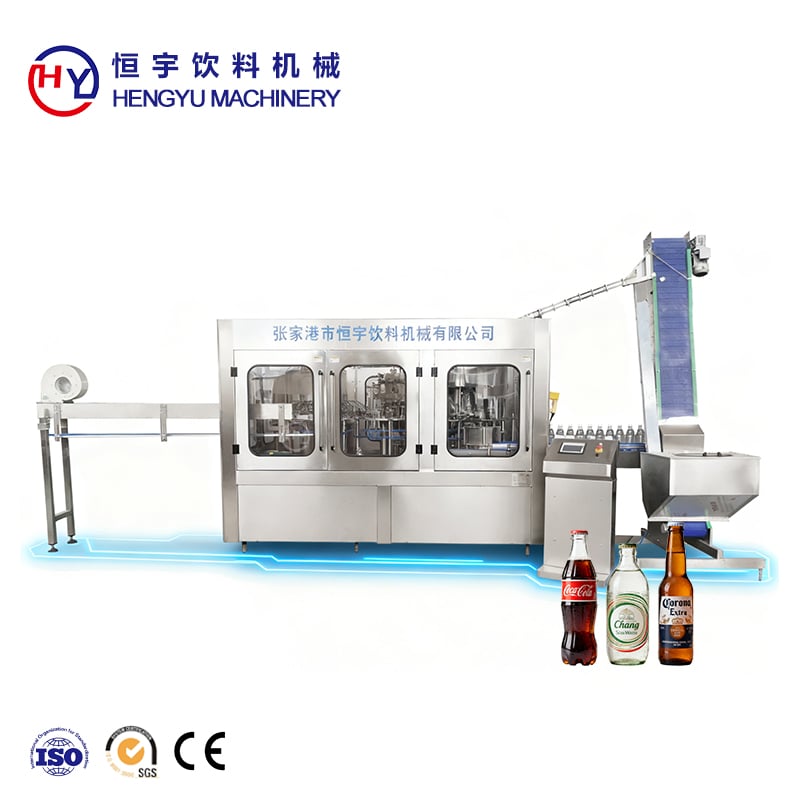
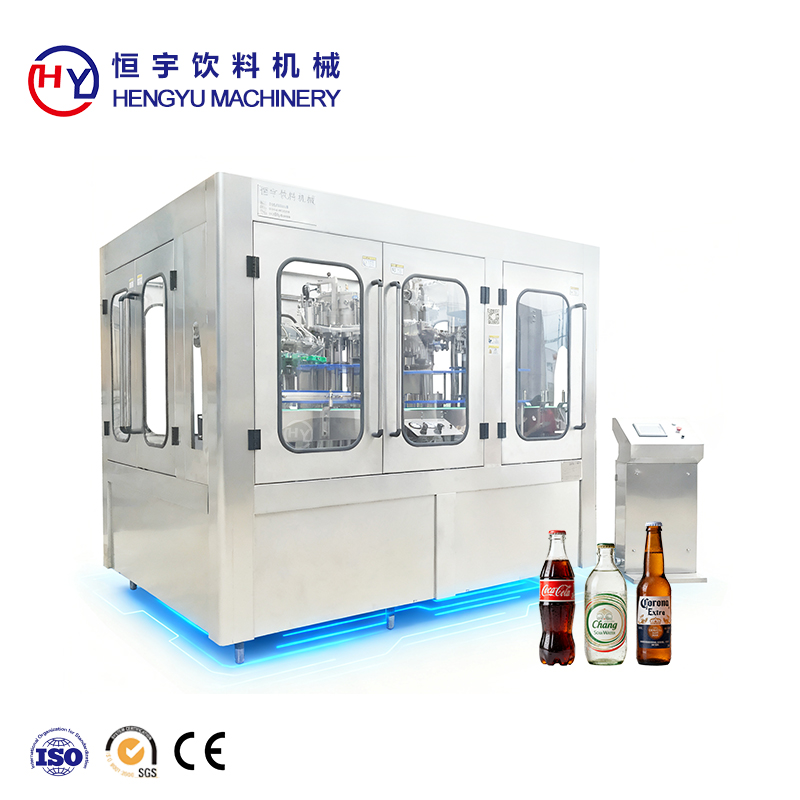
Soda bottling equipment represents a comprehensive manufacturing solution designed to streamline the entire process of carbonated beverage production and packaging. This sophisticated machinery encompasses multiple stages, including bottle handling, rinsing, filling, capping, labeling, and quality inspection, all integrated into a cohesive production line. Modern soda bottling equipment utilizes advanced automation technology to ensure precision, consistency, and efficiency throughout the bottling process. The primary function of this equipment is to transform raw ingredients and empty containers into finished, market-ready products while maintaining the carbonation levels and quality standards that consumers expect. The technological features of contemporary soda bottling equipment include programmable logic controllers that allow operators to adjust parameters such as fill volumes, carbonation levels, and line speeds with remarkable accuracy. These systems incorporate stainless steel construction throughout, ensuring durability and compliance with food safety regulations while preventing contamination. The equipment typically features multiple filling heads operating simultaneously, enabling high-volume production that can range from hundreds to thousands of bottles per hour depending on the specific configuration. Advanced sensor technology monitors every stage of the process, detecting issues such as underfilled bottles, missing caps, or improper sealing before products leave the production line. The applications of soda bottling equipment extend across various industries, from large-scale commercial beverage manufacturers producing national brands to smaller craft soda companies creating artisanal products. This versatility makes the equipment suitable for businesses of different sizes and production requirements. The machinery can accommodate various bottle sizes, shapes, and materials, including PET plastic, glass, and aluminum containers, providing flexibility for diverse product lines. Temperature control systems maintain optimal conditions for carbonation retention, while hygienic design elements facilitate easy cleaning and sanitation between production runs, ensuring food safety compliance and product integrity throughout operations.

New Products

Investing in quality soda bottling equipment delivers substantial operational improvements that directly impact your bottom line and market competitiveness. The automation capabilities of modern bottling systems dramatically reduce labor costs by minimizing manual handling requirements throughout the production process. Instead of employing large teams to manually fill, cap, and label bottles, companies can operate efficient production lines with smaller crews focused on quality oversight and machine operation. This labor efficiency translates to significant cost savings over time while simultaneously increasing output volumes. The consistency achieved through automated soda bottling equipment ensures every bottle meets exact specifications for fill volume, carbonation levels, and sealing integrity. This uniformity eliminates the variations common in manual operations, reducing product waste and customer complaints while strengthening brand reputation. When consumers purchase your products, they receive the same quality experience every time, building trust and encouraging repeat purchases. Speed represents another critical advantage, as these systems can process thousands of bottles hourly, enabling businesses to meet demand surges, fulfill large orders, and expand market presence without proportional increases in production time. The scalability of soda bottling equipment allows businesses to start with configurations matching current needs while maintaining upgrade paths for future growth. As your company expands, additional modules and increased capacity can be integrated without replacing the entire system, protecting your initial investment while accommodating business development. Energy efficiency features incorporated into contemporary equipment designs reduce utility consumption compared to older technologies, lowering operational expenses while supporting environmental sustainability initiatives that resonate with modern consumers. The precision filling mechanisms prevent overfilling, which wastes product and increases costs, while preventing underfilling that could violate regulations or disappoint customers. Maintenance requirements for well-designed soda bottling equipment remain manageable, with accessible components, diagnostic systems that identify issues before failures occur, and supplier support networks providing parts and technical assistance. The return on investment typically materializes within reasonable timeframes as increased production capacity, reduced waste, lower labor costs, and improved product quality combine to enhance profitability. Quality control features integrated throughout the production line catch defects immediately, preventing substandard products from reaching distributors or consumers, protecting brand reputation and avoiding costly recalls. The hygienic design standards ensure compliance with food safety regulations, passing inspections and maintaining certifications necessary for market access. Companies utilizing professional-grade soda bottling equipment position themselves as serious manufacturers committed to quality, which opens doors to partnerships with major retailers and distributors who require consistent supply and reliable production capabilities.

Latest News

Glass Bottle Filling Machine vs Plastic Bottle Filling Machine

04

Mar

Glass Bottle Filling Machine vs Plastic Bottle Filling Machine

Material Properties Dictate Core Machine Design Glass fragility and thermal mass: why glass bottle filling machines require reinforced frames, shock-dampened conveyors, and precision neck-handling grippers Working with glass bottles means going th...
View More
Increasing Capacity in Bottled Water Production Lines

09

Mar

Increasing Capacity in Bottled Water Production Lines

Diagnosing Bottlenecks in Your Bottled Water Production Line Measuring Throughput Gaps: Bottling Speed, Changeover Time, and OEE Analysis To get a handle on where production is falling short, look at three key performance indicators. Start by compa...
View More
How Can Filling Machines Improve Beverage Production Speed

24

Mar

How Can Filling Machines Improve Beverage Production Speed

Filling Machine Type Determines Maximum Throughput Potential Gravity, Isobaric, and Piston Can Filling Machines: Speed vs. Precision Trade-offs Gravity fillers work well for delicate drinks such as juice, processing around 20 to 36 bottles every mi...
View More
Can Filling Machine Capacity Planning Guide

22

Mar

Can Filling Machine Capacity Planning Guide

Understanding Can Filling Machine Capacity: Theory vs. Real-World Performance Why Theoretical Capacity Rarely Matches Effective Output on Can Filling Lines When companies talk about canning speed at 100 cans per minute, they're referring to what ha...
View More

Get a Free Quote

Our representative will contact you soon.
Email
Name
Phone/WhatsApp
Required Product
Message
0/1000

soda bottling equipment

Advanced Automation Technology for Maximum Production Efficiency

Advanced Automation Technology for Maximum Production Efficiency

The integration of advanced automation technology within soda bottling equipment revolutionizes production capabilities by creating seamless, intelligent manufacturing processes that maximize efficiency while minimizing human error. These sophisticated systems employ programmable logic controllers that serve as the brain of the operation, coordinating multiple functions simultaneously with microsecond precision. Operators can program specific parameters for different product runs, adjusting fill volumes, carbonation levels, capping torque, and line speeds through intuitive touchscreen interfaces that require minimal training to master. The automation extends to bottle handling, where mechanical systems gently transport containers through each production stage without damage, utilizing sensors that detect bottle presence, orientation, and proper positioning before proceeding to the next operation. This intelligent handling prevents jams, reduces breakage, and maintains smooth workflow throughout production shifts. The filling stations within automated soda bottling equipment utilize electronic flow meters and pressure sensors that deliver precise volumes with accuracy typically within one percent of target specifications, ensuring regulatory compliance and product consistency across every bottle produced. Automatic rejection systems immediately remove defective units from the production line, whether due to improper fills, damaged containers, or sealing failures, maintaining quality standards without slowing overall throughput. The capping mechanisms apply consistent torque to ensure proper sealing that prevents leakage and maintains carbonation while avoiding overtightening that could damage threads or make bottles difficult for consumers to open. Labeling systems integrated into the equipment apply adhesive or shrink-wrap labels with perfect alignment, enhancing product appearance and brand presentation on retail shelves. The data collection capabilities inherent in automated soda bottling equipment provide valuable operational insights, tracking production volumes, identifying efficiency bottlenecks, recording downtime causes, and generating reports that inform management decisions about process improvements and maintenance scheduling. This information transparency enables continuous optimization of production parameters to achieve maximum output with minimal waste. Remote monitoring features available on premium systems allow supervisors to oversee operations from offices or even off-site locations, receiving alerts about issues requiring attention and making adjustments without physically accessing the production floor, which proves especially valuable for facilities operating multiple shifts or production lines simultaneously.
Versatile Configuration Options Accommodating Diverse Production Needs

Versatile Configuration Options Accommodating Diverse Production Needs

The remarkable versatility built into modern soda bottling equipment makes it suitable for an extraordinary range of production scenarios, from startup beverage companies launching their first products to established manufacturers managing multiple brand lines with varying specifications. This adaptability stems from modular design philosophies that allow businesses to configure systems matching their specific requirements rather than accepting one-size-fits-all solutions that include unnecessary features or lack critical capabilities. Equipment manufacturers offer various filling head configurations, with options ranging from single-head systems appropriate for small-batch production to multi-head arrangements capable of processing dozens of bottles simultaneously for high-volume operations. The machinery accommodates different container formats without extensive reconfiguration, handling various bottle heights from compact single-serving sizes to large family-sized containers, different diameters from slender energy drink bottles to wide-mouth specialty formats, and multiple materials including PET plastic bottles commonly used for carbonated soft drinks, traditional glass bottles preferred for premium products, and aluminum bottles gaining popularity for their sustainability profile and premium positioning. Changeover procedures between different bottle types typically require minimal time and tools, often involving simple adjustments to guide rails, filling height settings, and capping head positions that production staff can complete during scheduled breaks rather than losing hours of production time. This quick-change capability proves invaluable for manufacturers producing seasonal flavors, limited-edition products, or serving diverse markets requiring different packaging formats. The carbonation injection systems within soda bottling equipment offer adjustable settings that enable precise control over fizz levels, accommodating products ranging from lightly carbonated beverages to intensely fizzy sodas, ensuring each product achieves its intended taste profile and consumer experience. Temperature management features maintain optimal conditions throughout the filling process, as carbonation retention directly relates to liquid temperature, with sophisticated equipment including cooling jackets on filling tanks and temperature sensors that alert operators if conditions drift outside acceptable parameters. Cleaning systems designed into versatile soda bottling equipment facilitate sanitation between different product runs, particularly important when switching between flavors to prevent cross-contamination or when transitioning between regular and diet formulations. Some advanced systems include clean-in-place technology that automatically circulates cleaning solutions through all product-contact surfaces, reducing manual labor while ensuring thorough sanitation that meets food safety standards.
Robust Construction Ensuring Longevity and Reliable Performance

Robust Construction Ensuring Longevity and Reliable Performance

The engineering excellence and material quality embodied in professional-grade soda bottling equipment directly determine operational reliability, maintenance requirements, and total cost of ownership over the machinery's service life. Manufacturers construct premium equipment using food-grade stainless steel throughout all product-contact surfaces, selecting specific alloys that resist corrosion from acidic beverages and cleaning chemicals while maintaining structural integrity under continuous operation. This stainless steel construction offers multiple benefits beyond durability, including ease of cleaning that prevents bacterial growth and product contamination, compliance with health department regulations governing food processing equipment, and aesthetic appeal that reflects professional manufacturing standards. The framework supporting the machinery utilizes heavy-duty steel construction with reinforced joints and precision-machined components that minimize vibration even during high-speed operation, as excessive vibration can cause misalignment, accelerate wear on moving parts, and compromise filling accuracy. The motors, pumps, and pneumatic components selected for incorporation into quality soda bottling equipment come from reputable manufacturers with proven track records in industrial applications, chosen specifically for their ability to withstand continuous duty cycles common in beverage production environments. Sealed bearings and protected electrical components prevent contamination from production area moisture, spills, and cleaning procedures that could otherwise cause premature failures in sensitive mechanical and electronic elements. The conveyor systems moving bottles through various production stages feature durable materials resistant to wear from continuous bottle contact, with designs facilitating easy replacement of worn sections without disassembling entire conveyors, minimizing downtime and maintenance costs. Engineers design maintenance access points throughout the equipment, recognizing that routine service requirements must be accommodated without production disruptions, incorporating removable panels, clearly labeled components, and logical layouts that technicians can navigate efficiently. The control systems utilize industrial-grade components rated for manufacturing environments rather than consumer-grade electronics susceptible to failure under heat, humidity, and electromagnetic interference present in production facilities. Comprehensive documentation accompanying professional soda bottling equipment includes detailed maintenance schedules, parts diagrams, troubleshooting guides, and operational procedures that empower facility staff to perform routine maintenance and address common issues without requiring expensive service calls. Manufacturers supporting their equipment with responsive technical assistance, readily available replacement parts, and ongoing training opportunities demonstrate commitment to long-term customer success beyond the initial sale. The expected service life of well-maintained soda bottling equipment typically spans decades rather than years, with many facilities operating machinery that has processed millions of bottles while maintaining accuracy and reliability through proper care and timely replacement of wear components. This longevity transforms the initial capital investment into a cost-effective long-term asset that generates returns year after year, unlike cheaper alternatives requiring frequent replacement or experiencing chronic reliability issues that disrupt production schedules and frustrate operations teams.