Fruit Juice Packaging Machine - Advanced Automated Bottling Solutions for Beverage Producers

All Categories

fruit juice packaging machine

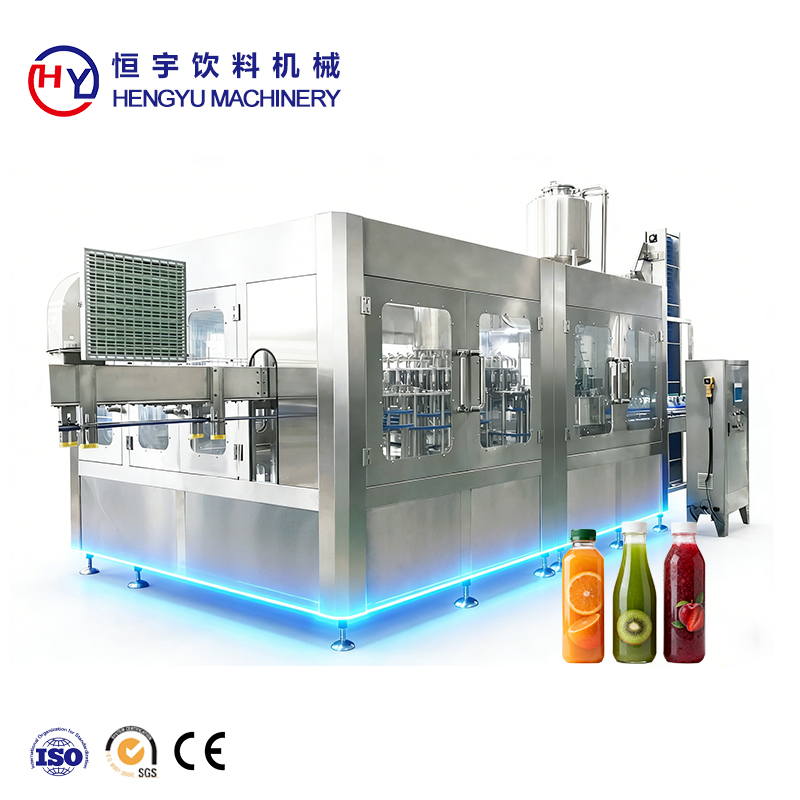
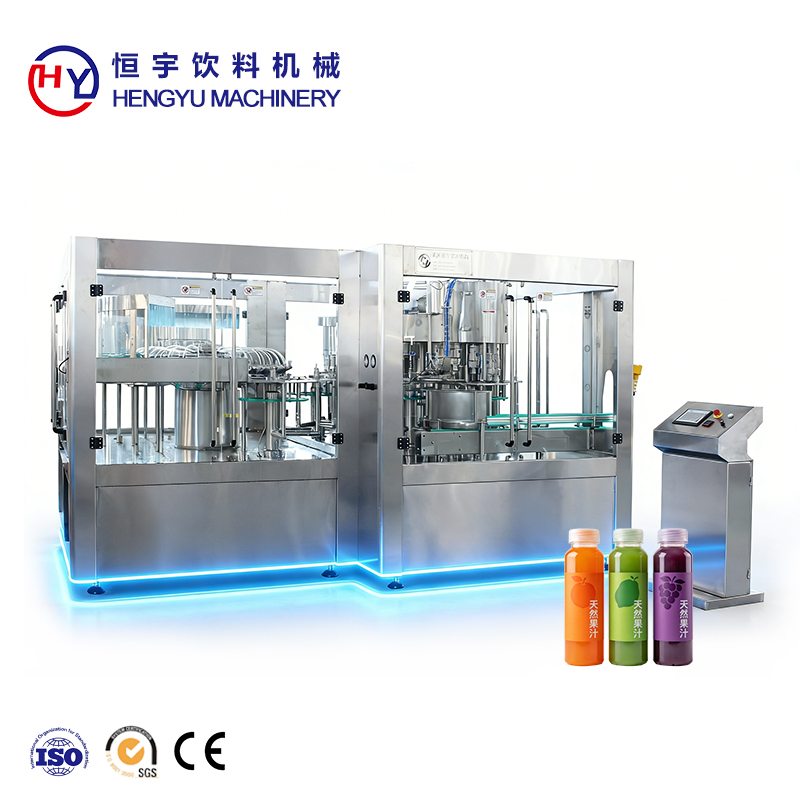
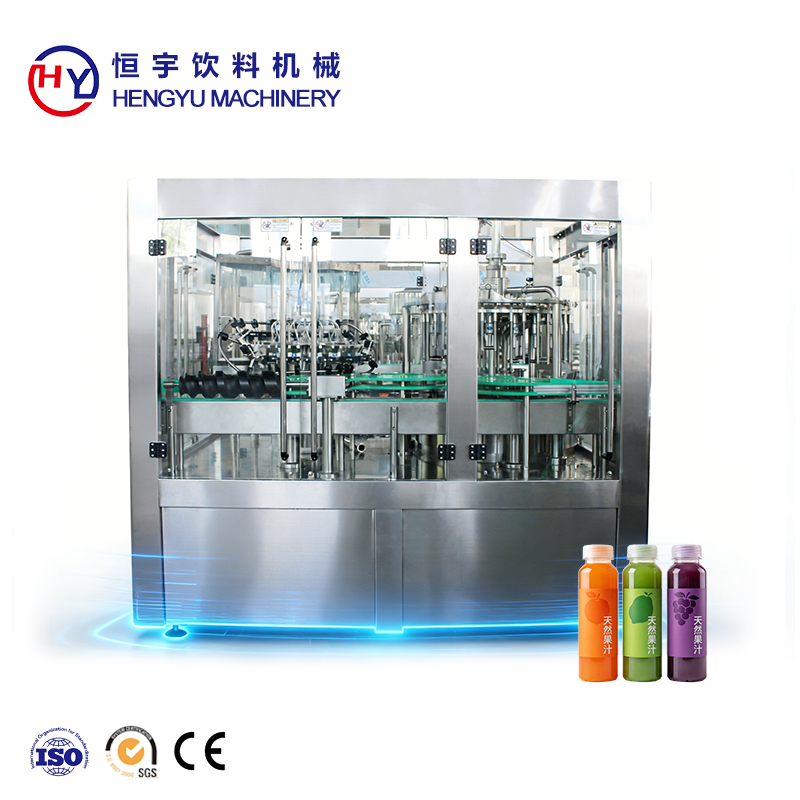
A fruit juice packaging machine represents an essential automated solution designed to streamline the bottling and sealing process for various juice products. This sophisticated equipment handles the complete packaging cycle, from filling containers with precise liquid measurements to applying caps and labels with consistent accuracy. Modern fruit juice packaging machines integrate advanced control systems that monitor every stage of production, ensuring product quality and operational efficiency. These machines accommodate multiple container types, including plastic bottles, glass bottles, pouches, and cartons, making them versatile for different production requirements. The primary functions encompass automatic bottle feeding, rinsing, filling, capping, labeling, and coding operations. Advanced models feature touchscreen interfaces that allow operators to adjust parameters quickly, reducing downtime between production runs. The technological framework includes precision volumetric or gravimetric filling systems that maintain exact portion control, minimizing product waste and ensuring regulatory compliance. Sanitary design principles govern construction, with stainless steel components and easy-to-clean surfaces that meet food safety standards. Integration capabilities enable seamless connection with upstream and downstream equipment, creating comprehensive production lines. Temperature control mechanisms preserve juice freshness during packaging, while automated quality inspection systems detect and reject defective packages. The fruit juice packaging machine serves manufacturers ranging from small-scale craft producers to large industrial facilities, adapting to production volumes from hundreds to thousands of units per hour. Applications extend across fresh juices, concentrated formulations, blended beverages, and organic products. Environmental considerations drive modern designs, with features that reduce energy consumption and accommodate sustainable packaging materials. Investment in a fruit juice packaging machine delivers long-term operational benefits, replacing manual processes that are time-consuming and inconsistent. The machinery represents a critical component in maintaining competitive advantage within the beverage industry, enabling producers to meet market demands while maintaining profitability.

Popular Products

Investing in a fruit juice packaging machine transforms production capabilities and delivers substantial operational improvements that directly impact your bottom line. First, automation dramatically increases output speed, allowing your facility to package significantly more units per hour compared to manual methods. This acceleration means you can fulfill larger orders, respond to market demands quickly, and grow your business without proportionally increasing labor costs. The consistent packaging speed maintains steady workflow throughout production shifts, eliminating the slowdowns and variations inherent in human-operated systems. Second, precision filling technology ensures every bottle contains exactly the right amount of product. This accuracy prevents overfilling that wastes valuable juice and underfilling that creates customer dissatisfaction or regulatory problems. The machine calibrates measurements to within milliliters, maintaining uniformity across thousands of packages. This consistency builds brand reputation and customer trust while protecting profit margins. Third, automated systems reduce labor requirements substantially. Rather than employing multiple workers for filling, capping, and labeling tasks, you need only a few operators to supervise the machine and handle material loading. This reduction lowers ongoing payroll expenses and eliminates concerns about workforce availability during peak production periods. Fourth, the fruit juice packaging machine minimizes contamination risks through enclosed processing environments and sanitary design features. Clean-in-place systems sanitize equipment efficiently between production runs, maintaining hygienic conditions that protect product safety and extend shelf life. This reliability reduces spoilage rates and product recalls that damage brand reputation. Fifth, flexibility allows quick changeovers between different bottle sizes, juice varieties, and packaging formats. Adjustable settings accommodate seasonal products or limited-edition releases without requiring extensive downtime or equipment modifications. This adaptability helps you respond to market trends and customer preferences effectively. Sixth, consistent sealing quality prevents leakage during transportation and storage, reducing product losses and customer complaints. Properly sealed packages maintain freshness longer, enhancing product quality when consumers open them. Seventh, integrated quality control features automatically detect and remove defective packages, ensuring only perfect products reach customers. This automated inspection maintains quality standards without requiring manual checking of every unit. Eighth, modern machines consume less energy than older equipment, reducing utility costs and supporting sustainability initiatives that appeal to environmentally conscious consumers. Finally, digital monitoring systems provide production data that helps you optimize operations, track efficiency metrics, and plan maintenance schedules that prevent unexpected breakdowns.

Latest News

Glass Bottle Filling Machine vs Plastic Bottle Filling Machine

04

Mar

Glass Bottle Filling Machine vs Plastic Bottle Filling Machine

Material Properties Dictate Core Machine Design Glass fragility and thermal mass: why glass bottle filling machines require reinforced frames, shock-dampened conveyors, and precision neck-handling grippers Working with glass bottles means going th...
View More
How Can Filling Machines Improve Beverage Production Speed

24

Mar

How Can Filling Machines Improve Beverage Production Speed

Filling Machine Type Determines Maximum Throughput Potential Gravity, Isobaric, and Piston Can Filling Machines: Speed vs. Precision Trade-offs Gravity fillers work well for delicate drinks such as juice, processing around 20 to 36 bottles every mi...
View More
Can Filling Machine Technology for Carbonated Beverages

20

Mar

Can Filling Machine Technology for Carbonated Beverages

Isobaric Filling Principles: How Can Filling Machines Preserve Carbonation Under Pressure The Physics of CO₂ Solubility and Why Counter-Pressure Is Non-Negotiable The way carbon dioxide dissolves in drinks basically follows what we call Henry's Law...
View More
Automation Technology in Can Sealing Machines

24

Mar

Automation Technology in Can Sealing Machines

How Automation Enhances Precision and Reliability in Can Sealing Machines Core Automation Components: Servo Drives, Vision Systems, and Closed-Loop Feedback in Modern Can Sealing Machines Today's can sealing equipment reaches incredible levels of p...
View More

Get a Free Quote

Our representative will contact you soon.
Email
Name
Phone/WhatsApp
Required Product
Message
0/1000

fruit juice packaging machine

Advanced Automation Technology Eliminates Production Bottlenecks

Advanced Automation Technology Eliminates Production Bottlenecks

The fruit juice packaging machine incorporates cutting-edge automation technology that revolutionizes how beverage producers operate their facilities. At the core of this advancement lies programmable logic controllers that coordinate every mechanical movement with microsecond precision, creating seamless transitions between packaging stages. The system employs servo motors that provide exceptional control over filling speeds and volumes, adjusting instantly to different viscosity levels and container dimensions. Sensors positioned throughout the equipment constantly monitor operations, detecting potential issues before they cause production stoppages. When the machine identifies an empty bottle supply, misaligned container, or filling anomaly, it immediately alerts operators and implements corrective actions. This intelligent response system dramatically reduces downtime that traditionally plagued manual operations. The automation extends to material handling, where robotic arms or conveyor systems position bottles precisely for each operation, eliminating the inconsistencies of human placement. Touchscreen control panels present intuitive interfaces that operators master quickly, displaying real-time production metrics, performance indicators, and diagnostic information. Through these interfaces, supervisors adjust production parameters within seconds, switching between juice varieties or bottle sizes without lengthy manual reconfiguration. The fruit juice packaging machine stores multiple production recipes in memory, allowing one-touch changeovers that previously required extensive adjustment time. Integration with inventory management systems provides automatic tracking of packaging materials consumed and products manufactured, streamlining administrative tasks and improving supply chain visibility. Advanced models feature remote monitoring capabilities that enable production managers to oversee operations from anywhere, receiving alerts on mobile devices when intervention becomes necessary. This connectivity supports proactive management approaches that maximize equipment utilization rates. The automation technology also encompasses predictive maintenance algorithms that analyze operational data to forecast when components will require service, preventing unexpected failures that halt production. By scheduling maintenance during planned downtime rather than reacting to breakdowns, facilities maintain consistent output and avoid emergency repair costs. The sophisticated control systems optimize energy consumption by modulating motor speeds and coordinating equipment activation based on production flow requirements. This intelligence reduces electricity usage without compromising output, delivering cost savings that accumulate significantly over the equipment lifespan.
Uncompromising Hygiene Standards Ensure Product Safety

Uncompromising Hygiene Standards Ensure Product Safety

Maintaining impeccable hygiene throughout juice packaging represents a non-negotiable requirement that the fruit juice packaging machine addresses through comprehensive sanitary design principles. Construction materials consist exclusively of food-grade stainless steel and approved polymers that resist corrosion, prevent bacterial growth, and withstand rigorous cleaning procedures. Every surface that contacts juice features smooth, polished finishes without crevices or joints where contaminants could accumulate. The equipment design eliminates dead spaces and incorporates drainage systems that prevent liquid pooling during cleaning cycles. Clean-in-place technology enables thorough sanitization without disassembling components, circulating cleaning solutions through all product-contact pathways to remove residues and eliminate microorganisms. Automated cleaning sequences follow validated protocols that ensure consistent sanitation results, removing the variability associated with manual cleaning methods. The fruit juice packaging machine incorporates enclosed filling zones that isolate juice from environmental contaminants during the critical transfer from bulk storage to individual containers. Positive air pressure systems within these zones create barriers against airborne particles and microorganisms, maintaining sterile conditions comparable to pharmaceutical manufacturing standards. HEPA filtration purifies air entering production areas, removing particles down to microscopic dimensions. For sensitive products requiring aseptic processing, specialized models provide ultra-high temperature treatment immediately before filling, then package juice in pre-sterilized containers within completely sterile environments. This combination extends shelf life dramatically without requiring refrigeration or preservatives, meeting consumer preferences for natural products. Automated cap sterilization systems treat closures with UV light or chemical sanitizers immediately before application, ensuring contamination-free sealing. The machinery incorporates inspection systems that verify seal integrity on every package, detecting microscopic leaks that could compromise product safety. Quick-disconnect fittings throughout the equipment facilitate rapid component removal for deep cleaning or replacement, minimizing production downtime while maintaining hygiene standards. Validation documentation capabilities record all cleaning cycles, temperature controls, and sanitation procedures, providing traceable records that satisfy regulatory audits and certification requirements. The sanitary design extends to operator interfaces, with sealed control panels that resist liquid penetration and antimicrobial coatings that inhibit bacterial colonization on frequently touched surfaces. By prioritizing hygiene at every design stage, the fruit juice packaging machine protects consumer health while safeguarding brand reputation against contamination incidents.
Exceptional Versatility Adapts to Diverse Production Needs

Exceptional Versatility Adapts to Diverse Production Needs

The remarkable versatility inherent in modern fruit juice packaging machine designs empowers producers to respond dynamically to market opportunities and operational requirements. This adaptability manifests across multiple dimensions, beginning with container compatibility that spans diverse shapes, sizes, and materials. Adjustable guide rails, changeable nozzles, and modifiable gripper assemblies enable the same equipment to handle small single-serve bottles, family-sized containers, and bulk packages without requiring separate dedicated machines for each format. The quick-change mechanisms allow operators to transition between container types in minutes rather than hours, maximizing productive time and enabling economical short production runs. Material compatibility extends beyond container dimensions to accommodate plastic, glass, aluminum cans, flexible pouches, and gable-top cartons, providing packaging options that align with product positioning and consumer preferences. This flexibility proves invaluable when introducing new products or testing market responses to different packaging concepts. The fruit juice packaging machine adapts equally well to various juice characteristics, handling thin clarified juices, pulpy formulations, thick smoothies, and beverages containing fruit pieces or other particulates. Adjustable filling mechanisms and specialized nozzle designs prevent separation of suspended solids while maintaining accurate volume control. Temperature handling capabilities accommodate both refrigerated products and shelf-stable juices processed at elevated temperatures, with thermal insulation and temperature monitoring systems maintaining optimal conditions throughout packaging. Production speed adjustability allows the same machine to operate efficiently across dramatically different output requirements, running at maximum speeds for high-demand products while slowing for specialty items requiring extra care or manual intervention at certain stages. This scalability eliminates the need to maintain multiple machines operating at different capacities, simplifying facility layouts and reducing capital investment. Integration flexibility enables the fruit juice packaging machine to function as a standalone unit in smaller operations or as a component within fully automated production lines incorporating upstream processing equipment and downstream case packing systems. Standardized communication protocols facilitate connectivity with diverse equipment brands, preventing vendor lock-in and enabling gradual facility expansion. Modular design architectures allow producers to start with basic configurations and add capabilities as business grows, incorporating labeling modules, date coding systems, quality inspection stations, and product handling automation incrementally. The machinery accommodates various closure types including screw caps, snap-on lids, crown caps, and heat-sealed films, supporting packaging strategies that differentiate products or optimize costs. This comprehensive versatility transforms the fruit juice packaging machine from a single-purpose device into a strategic asset that supports business growth and operational agility.