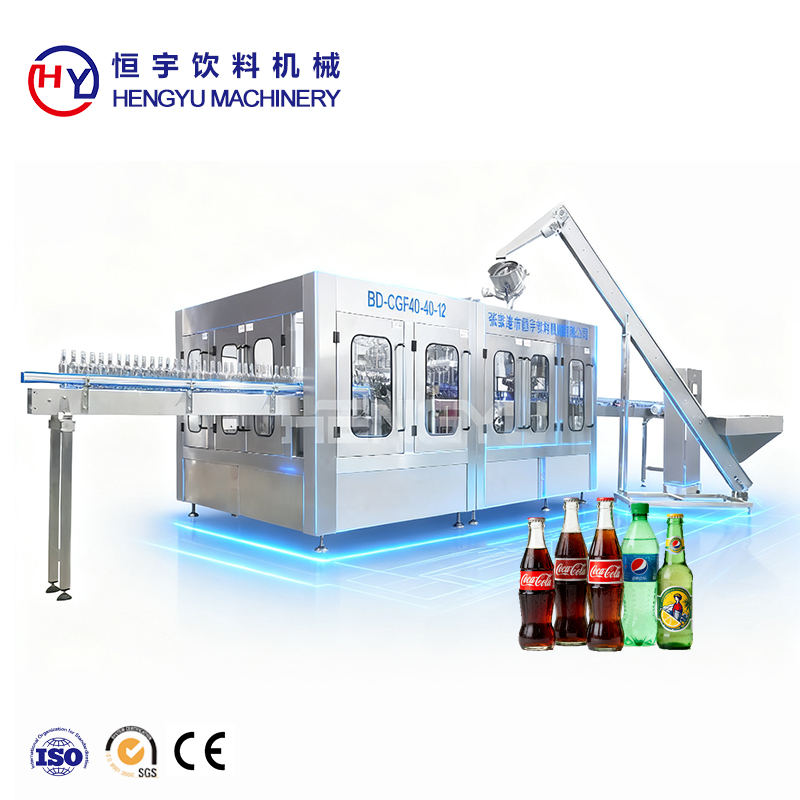
Professional Beverage Packaging Machine Solutions - Efficient Automated Bottling Systems

All Categories

beverage packaging machine

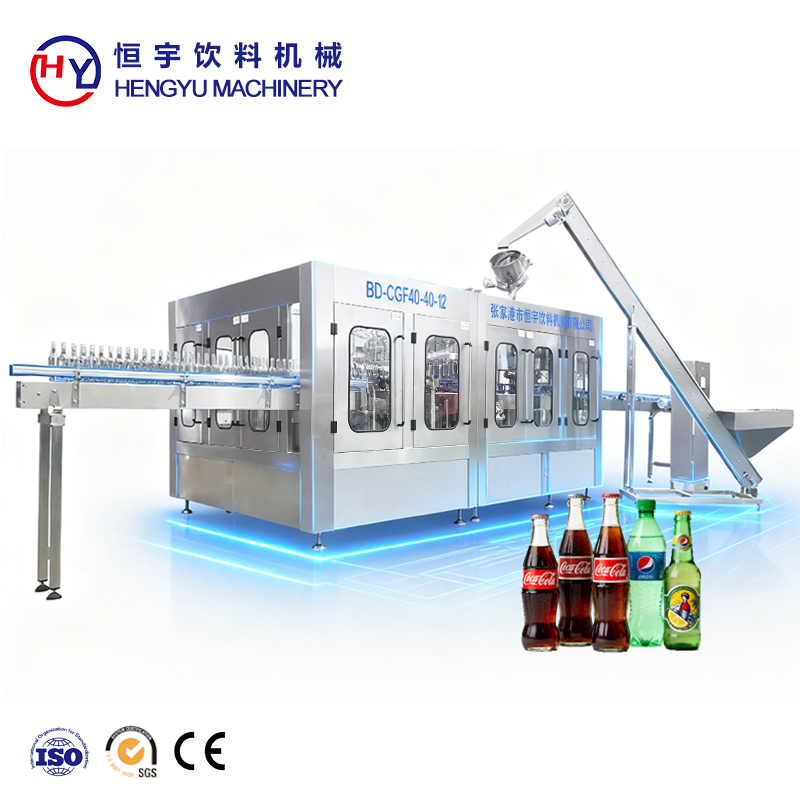
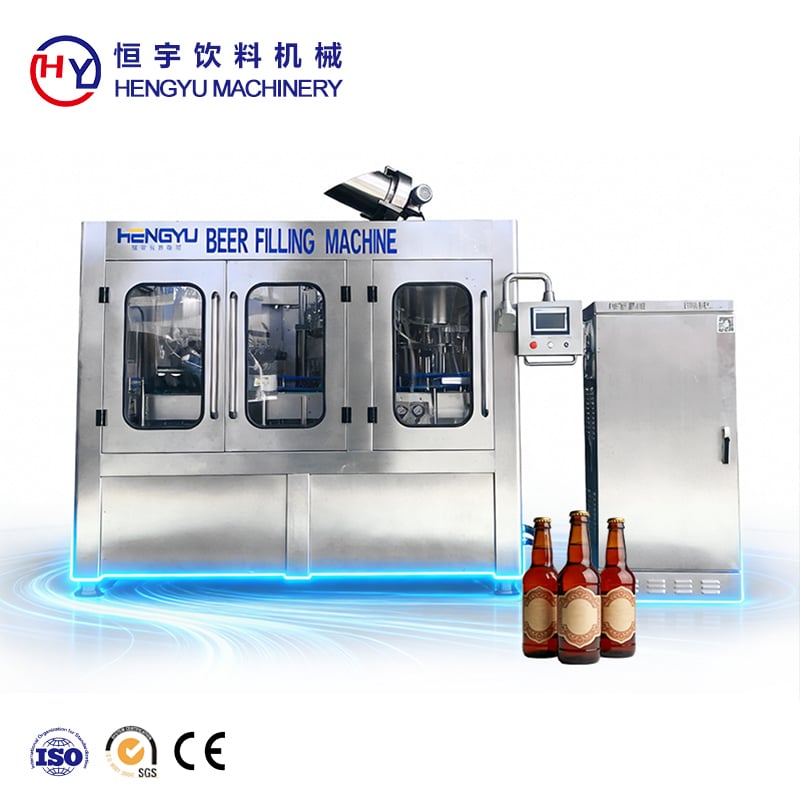
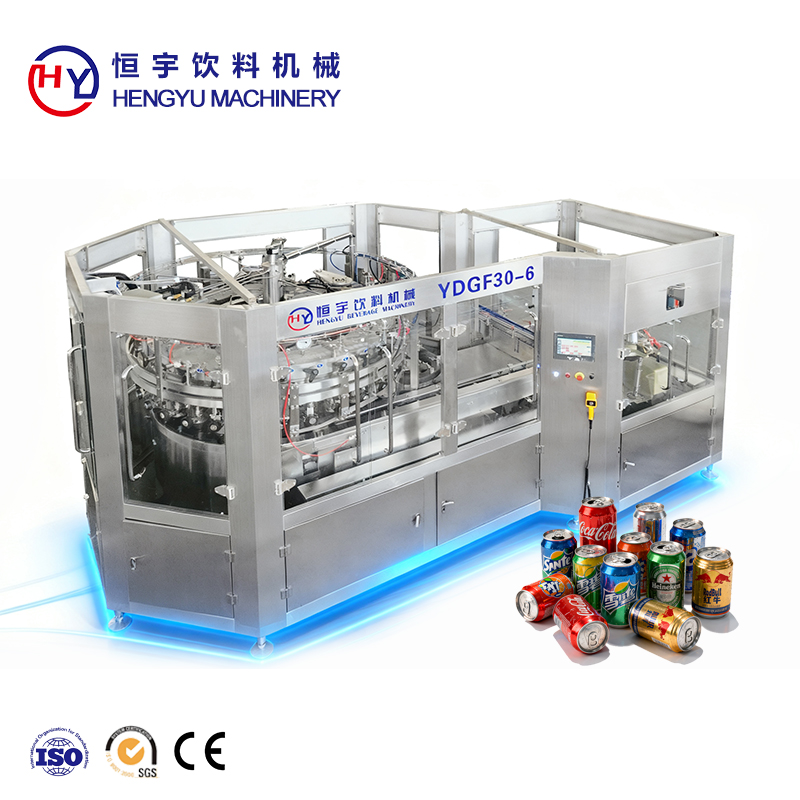
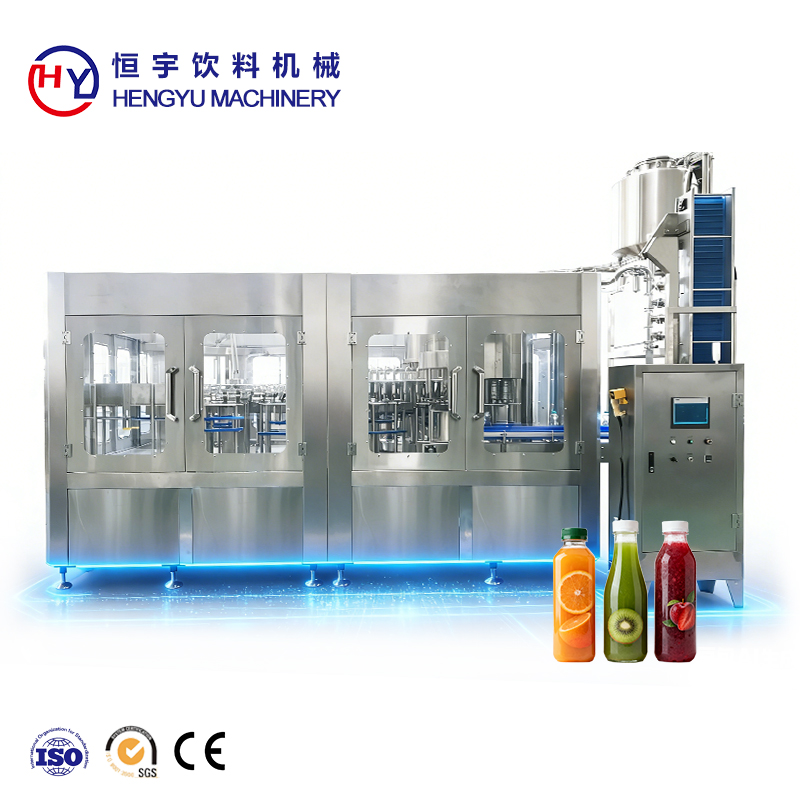
A beverage packaging machine represents a critical piece of equipment in the modern drink production industry, designed to automate and streamline the entire process of filling, sealing, and preparing beverages for distribution. These sophisticated systems handle everything from carbonated soft drinks and juices to water, energy drinks, and alcoholic beverages. The primary function of a beverage packaging machine centers on accurately dispensing liquid products into containers while maintaining hygiene standards and production efficiency. Modern machines integrate advanced control systems that monitor fill levels, cap placement, labeling accuracy, and quality parameters throughout the packaging process. The technological features embedded in contemporary beverage packaging machines include programmable logic controllers that allow operators to adjust settings for different container sizes and product types quickly. Servo motor technology ensures precise movements during filling and capping operations, minimizing waste and maximizing accuracy. Touch screen interfaces provide intuitive control panels where operators can monitor real-time production data, troubleshoot issues, and make adjustments without extensive technical training. Many systems incorporate automatic cleaning-in-place capabilities that reduce downtime between production runs and maintain sanitary conditions required for food-grade operations. The applications for beverage packaging machines span across numerous industries, from small craft beverage producers to large multinational corporations. Bottling plants use these machines to package water, sodas, and juices in plastic bottles or glass containers. Breweries and wineries rely on specialized versions designed to handle carbonation levels and preserve product integrity. Dairy facilities utilize them for packaging milk-based drinks and smoothies under strict temperature controls. The versatility of modern beverage packaging machines allows manufacturers to switch between different product lines with minimal reconfiguration, supporting businesses that produce multiple beverage types. Speed capabilities range from small-scale operations processing hundreds of bottles per hour to high-capacity lines handling tens of thousands of units hourly, accommodating businesses at various production scales and growth stages.

New Product Recommendations

Investing in a beverage packaging machine delivers substantial benefits that directly impact your bottom line and operational efficiency. First and foremost, these machines dramatically increase production speed compared to manual packaging methods. What once required multiple workers and several hours can now be accomplished in a fraction of the time with consistent quality. This acceleration in output allows businesses to meet growing market demand, fulfill larger orders, and expand their customer base without proportionally increasing labor costs. The precision offered by automated beverage packaging machines ensures that every container receives exactly the right amount of product, eliminating overfilling that wastes valuable inventory and underfilling that could lead to customer complaints or regulatory issues. This accuracy translates directly into cost savings and improved profit margins over time. Quality consistency stands as another major advantage, as machines perform the same operation identically thousands of times daily without variation caused by fatigue or human error. Your customers receive products that look and perform exactly as expected, building brand trust and reducing returns. The hygienic benefits cannot be overstated, particularly in an industry where contamination poses serious health risks and regulatory consequences. Modern beverage packaging machines minimize human contact with products, operate in controlled environments, and feature materials that resist bacterial growth. Automated cleaning systems ensure equipment remains sanitized between runs, meeting strict food safety standards without requiring extensive manual labor. Labor cost reduction represents a significant financial advantage, as one or two operators can supervise equipment that would otherwise require a full team of workers. This efficiency allows you to redirect human resources toward quality control, innovation, and business development rather than repetitive packaging tasks. The flexibility of contemporary machines means you can adapt to market trends quickly, introducing new package sizes, switching between product lines, or experimenting with limited editions without major equipment overhauls. Reduced material waste occurs because precise controls minimize spillage, broken containers, and misapplied labels or caps. Environmental benefits accompany this waste reduction, as efficient operations consume less energy per unit produced and generate fewer defective products destined for disposal. The data collection capabilities built into modern beverage packaging machines provide valuable insights into production efficiency, helping you identify bottlenecks, predict maintenance needs, and optimize workflows. Long-term reliability and durability mean that while the initial investment may seem substantial, the equipment pays for itself through years of dependable service, requiring only routine maintenance rather than frequent replacements. Finally, having professional packaging equipment elevates your brand image, demonstrating to retailers and consumers that you operate a serious, quality-focused business capable of scaling to meet market opportunities.

Latest News

Glass Bottle Filling Machine vs Plastic Bottle Filling Machine

04

Mar

Glass Bottle Filling Machine vs Plastic Bottle Filling Machine

Material Properties Dictate Core Machine Design Glass fragility and thermal mass: why glass bottle filling machines require reinforced frames, shock-dampened conveyors, and precision neck-handling grippers Working with glass bottles means going th...
View More
Increasing Capacity in Bottled Water Production Lines

09

Mar

Increasing Capacity in Bottled Water Production Lines

Diagnosing Bottlenecks in Your Bottled Water Production Line Measuring Throughput Gaps: Bottling Speed, Changeover Time, and OEE Analysis To get a handle on where production is falling short, look at three key performance indicators. Start by compa...
View More
How Can Filling Machines Improve Beverage Production Speed

24

Mar

How Can Filling Machines Improve Beverage Production Speed

Filling Machine Type Determines Maximum Throughput Potential Gravity, Isobaric, and Piston Can Filling Machines: Speed vs. Precision Trade-offs Gravity fillers work well for delicate drinks such as juice, processing around 20 to 36 bottles every mi...
View More
Can Filling Machine Capacity Planning Guide

22

Mar

Can Filling Machine Capacity Planning Guide

Understanding Can Filling Machine Capacity: Theory vs. Real-World Performance Why Theoretical Capacity Rarely Matches Effective Output on Can Filling Lines When companies talk about canning speed at 100 cans per minute, they're referring to what ha...
View More

Get a Free Quote

Our representative will contact you soon.
Email
Name
Phone/WhatsApp
Required Product
Message
0/1000

beverage packaging machine

Advanced Automation Technology That Transforms Production Efficiency

Advanced Automation Technology That Transforms Production Efficiency

The heart of any modern beverage packaging machine lies in its sophisticated automation technology, which fundamentally changes how businesses approach production planning and execution. These systems incorporate state-of-the-art sensors that continuously monitor every aspect of the packaging process, from liquid levels in supply tanks to the position of containers on conveyor belts. Vision systems equipped with high-resolution cameras inspect each package as it moves through the line, detecting defects such as crooked labels, improperly sealed caps, or fill level inconsistencies that human inspectors might miss during rapid production runs. The integration of programmable logic controllers allows these machines to execute complex sequences of operations with split-second timing, coordinating multiple stations that fill, cap, label, and package products simultaneously. Touchscreen interfaces have replaced complicated button panels, enabling operators to access diagnostic information, adjust parameters for different beverage types, and review production statistics through intuitive graphical displays. Recipe management systems store settings for dozens of different products, allowing quick changeovers that previously required mechanical adjustments and trial runs. The automation extends to material handling as well, with systems that automatically feed empty containers into the line, removing the need for workers to manually load bottles or cans continuously. Reject mechanisms automatically remove defective packages from the production stream without stopping the entire line, maintaining overall efficiency while ensuring only quality products reach customers. Predictive maintenance algorithms analyze vibration patterns, temperature fluctuations, and operational data to alert operators before components fail, preventing unexpected downtime that could halt production for hours or days. Network connectivity enables remote monitoring and support, allowing technicians to diagnose issues and sometimes resolve problems without physically visiting your facility. The automation technology also ensures consistent performance regardless of shift changes or operator experience levels, as the machine maintains the same standards continuously. This reliability proves especially valuable during peak production periods when pressure to meet deadlines is highest. Energy management features optimize power consumption by adjusting motor speeds and activating components only when needed, reducing operational costs while supporting sustainability initiatives. The cumulative effect of these automation technologies is a beverage packaging machine that operates as an intelligent manufacturing partner rather than simply a mechanical tool, adapting to conditions, self-monitoring for problems, and consistently delivering the performance that modern beverage businesses require to remain competitive in demanding markets.
Unmatched Versatility for Diverse Beverage Products and Container Types

Unmatched Versatility for Diverse Beverage Products and Container Types

One of the most valuable characteristics distinguishing premium beverage packaging machines from basic equipment is their remarkable versatility in handling various products and container formats without requiring complete line replacements. This adaptability proves essential in today's dynamic market where consumer preferences shift rapidly and successful businesses must respond with new flavors, package sizes, and product innovations. Modern beverage packaging machines accommodate liquids with vastly different properties, from thin, water-like beverages to thick smoothies and pulpy juices, adjusting fill speeds and mechanisms to suit each product's viscosity and flow characteristics. Carbonated beverages present unique challenges due to foaming tendencies, but advanced machines incorporate specialized filling technologies that preserve carbonation levels while preventing overflow and maintaining accurate volumes. Temperature-sensitive products benefit from integrated cooling or heating systems that maintain optimal conditions throughout the packaging process, ensuring product quality and extending shelf life. The container versatility these machines offer is equally impressive, with systems capable of handling glass bottles, PET plastic bottles, aluminum cans, pouches, and cartons through adjustable guides, grippers, and platforms that accommodate different heights, diameters, and shapes. Quick-change tooling allows operators to switch between container types in minutes rather than hours, minimizing production interruptions and making short runs economically viable. This flexibility enables small and medium-sized beverage producers to compete effectively by offering variety without maintaining separate packaging lines for each product. Closure options extend beyond simple screw caps to include crown caps for beer bottles, sports caps for water bottles, pump dispensers for specialty products, and security seals that provide tamper evidence. Labeling capabilities range from pressure-sensitive labels to shrink sleeves that provide 360-degree graphics, with machines automatically adjusting application methods based on container geometry and label type. Volume settings adjust across wide ranges, allowing the same machine to fill anything from small sample bottles to large family-sized containers by simply entering new parameters through the control interface. This versatility also extends to packaging configurations, with systems that can transition from single bottles to multi-packs, create promotional bundles, or prepare products for different distribution channels without major reconfiguration. The ability to handle organic and conventional products on the same line supports businesses expanding into health-conscious market segments, while kosher and halal certification compatibility opens additional market opportunities. Seasonal beverage producers particularly benefit from this versatility, as they can package holiday-specific products using the same equipment that handles their year-round offerings, maximizing equipment utilization and return on investment throughout the year.
Comprehensive Safety Features and Regulatory Compliance Built Into Every Operation

Comprehensive Safety Features and Regulatory Compliance Built Into Every Operation

Safety and regulatory compliance represent non-negotiable priorities in beverage production, and modern beverage packaging machines are engineered from the ground up to meet and exceed stringent industry standards while protecting both workers and consumers. These machines incorporate multiple layers of safety systems that prevent accidents, protect operators from injury, and ensure every packaged beverage meets food safety requirements. Emergency stop buttons are strategically positioned around equipment perimeters, allowing anyone to immediately halt operations if they observe a dangerous condition. Safety interlocks prevent machines from operating when protective guards are open, eliminating the risk of workers coming into contact with moving parts during production. Light curtains and proximity sensors detect when operators enter restricted zones, automatically pausing equipment until the area is clear. Enclosed processing areas minimize exposure to potential contaminants while also containing any spills or leaks that might occur during operations. The materials used in constructing beverage packaging machines comply with food-grade standards, utilizing stainless steel and approved plastics that resist corrosion, do not leach chemicals into products, and withstand aggressive cleaning agents used in sanitation protocols. Automated cleaning-in-place systems ensure thorough sanitization between production runs without requiring manual disassembly and scrubbing, reducing contamination risks while also protecting workers from exposure to hot water and chemical cleaning solutions. Built-in quality control systems continuously verify that packages meet specifications, with automatic rejection of any units that fail to pass inspection criteria for fill volume, seal integrity, or labeling accuracy. Traceability features record batch numbers, production dates, and operational parameters for every package produced, providing the documentation required for regulatory compliance and enabling rapid response if quality issues are discovered after distribution. Temperature monitoring and recording systems maintain documentation proving that products remained within safe temperature ranges throughout the packaging process, which is particularly critical for perishable beverages. Pressure relief valves and overflow protection prevent equipment damage and workplace hazards that could result from system malfunctions or operator errors. Electrical systems incorporate ground fault protection and proper insulation to prevent shock hazards in environments where liquids are present. Noise reduction engineering minimizes hearing damage risks for operators working near equipment throughout their shifts. Training mode functions allow new operators to learn equipment operation at reduced speeds with enhanced safety protocols active, building competence before full-speed production begins. Compliance with international standards such as FDA regulations, European Union directives, and ISO certifications is documented through comprehensive testing and certification processes, providing assurance that equipment meets requirements regardless of where you distribute products. Regular safety audits and upgrade capabilities ensure machines remain compliant as regulations evolve, protecting your business from costly recalls, legal liability, and reputation damage that could result from safety failures or non-compliance issues.