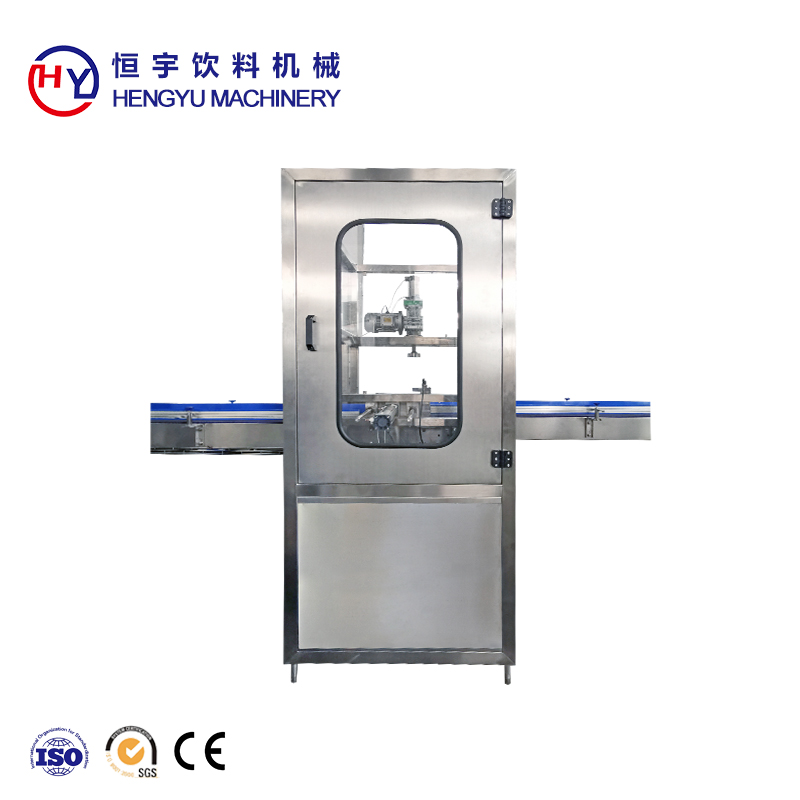
Professional Bottle Capping Equipment - Automated Capping Solutions for High-Speed Production Lines

All Categories

bottle capping equipment

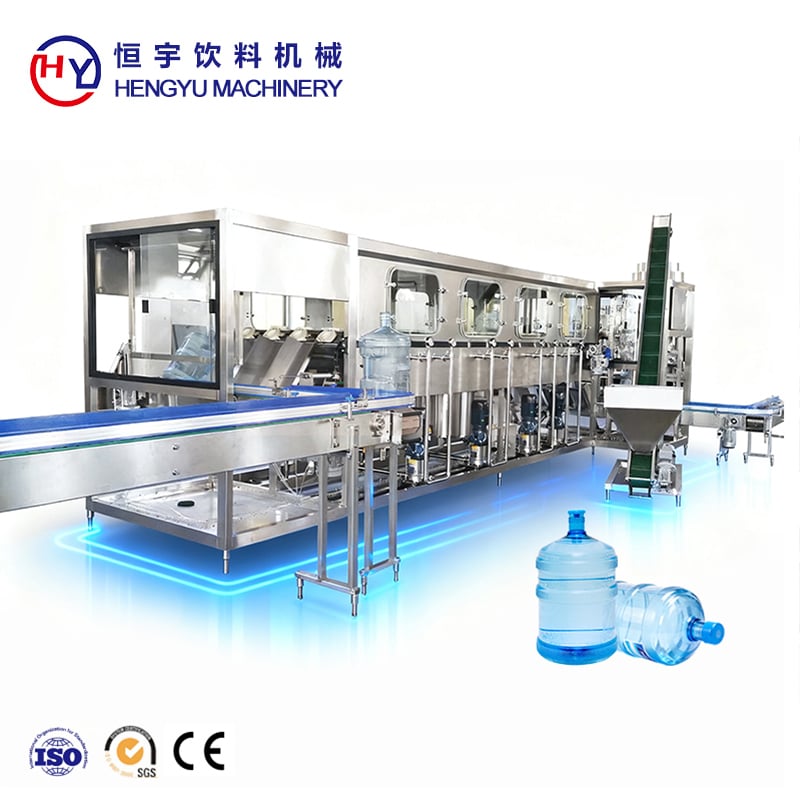
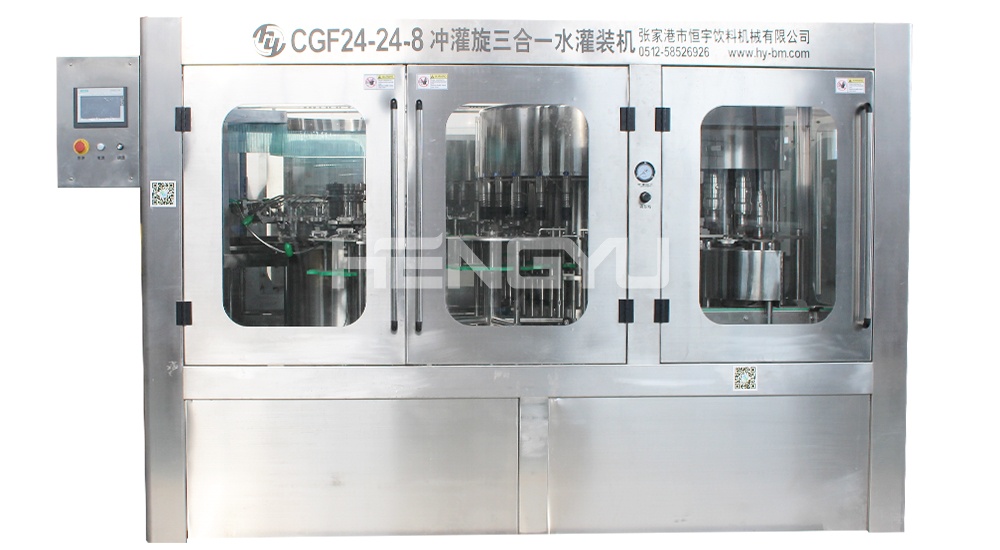
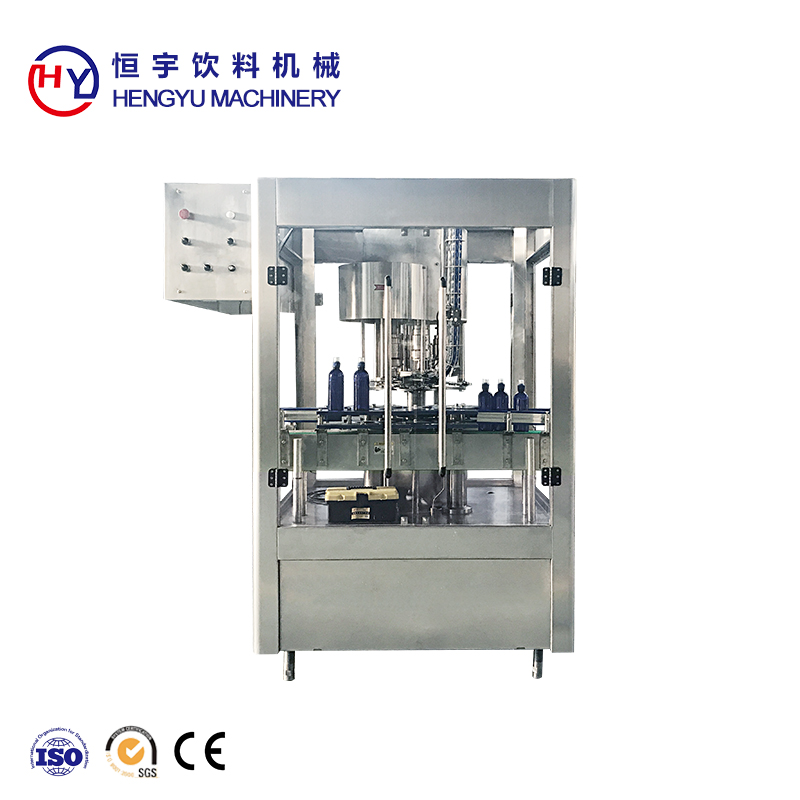
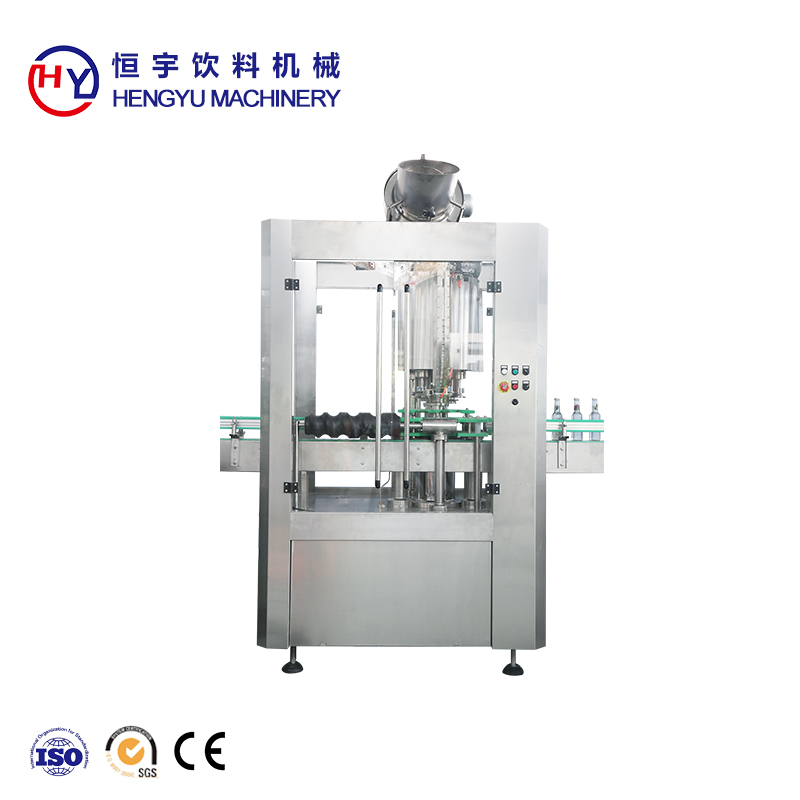
Bottle capping equipment represents an essential component in modern packaging lines, designed to secure caps onto bottles with precision and consistency. This automated machinery serves manufacturers across numerous industries by providing reliable sealing solutions that protect product integrity while maintaining high production speeds. The primary function of bottle capping equipment involves applying various cap types including screw caps, snap-on lids, crown caps, and press-on closures to containers of different sizes and materials. Modern systems incorporate advanced sensor technology that detects bottle presence, verifies cap placement, and monitors torque application to ensure every container receives optimal sealing. The technological features embedded within contemporary bottle capping equipment include programmable logic controllers that allow operators to adjust settings for different product runs, servo-driven motors that provide accurate rotational control, and touch-screen interfaces that simplify operation and troubleshooting. Many units feature quick-changeover capabilities, enabling manufacturers to switch between product lines with minimal downtime. The equipment typically includes cap feeding systems that orient and deliver closures to the capping station, ensuring continuous operation without manual intervention. Applications for bottle capping equipment span pharmaceutical manufacturing where sterile sealing is critical, beverage production requiring carbonation retention, cosmetics packaging demanding aesthetic appeal, and food processing needing tamper-evident closures. The versatility of modern capping systems allows them to handle glass, plastic, and metal containers ranging from small pharmaceutical vials to large industrial bottles. Integration capabilities enable these machines to function seamlessly within complete packaging lines, communicating with filling equipment, labeling systems, and quality control devices. Whether operating as standalone units for small-batch production or as components of high-speed automated lines processing thousands of bottles per hour, bottle capping equipment delivers consistent performance that meets stringent quality standards while reducing labor costs and improving overall production efficiency.

New Products

Investing in quality bottle capping equipment delivers substantial benefits that directly impact your production capabilities and bottom line. The automation provided by these systems dramatically increases output speed compared to manual capping operations, allowing your facility to process hundreds or even thousands of bottles per hour depending on the model selected. This acceleration in production capacity means you can fulfill larger orders, reduce lead times, and respond more quickly to market demands without proportionally increasing labor costs. The consistency achieved through automated capping eliminates the variability inherent in human operations, ensuring every bottle receives the exact same torque application and seal quality. This uniformity reduces product returns due to leaking or improperly sealed containers, protecting your brand reputation and customer satisfaction levels. The precision of modern bottle capping equipment minimizes product waste by preventing over-tightening that can damage caps or containers and under-tightening that leads to seal failures. Each bottle receives the optimal closure force, extending shelf life and maintaining product freshness throughout distribution and storage. Operational safety improves significantly when workers no longer perform repetitive capping motions that can lead to strain injuries and fatigue. The equipment handles the physically demanding aspects of production while employees focus on supervision, quality monitoring, and other value-added tasks. The flexibility built into contemporary systems allows you to adapt quickly to changing product lines, seasonal variations, and new market opportunities without major equipment overhauls. Adjustable settings accommodate different bottle heights, cap sizes, and material types, making your production line more versatile and future-proof. Reduced labor requirements translate to lower ongoing operational costs, as fewer workers are needed to achieve higher production volumes. The initial equipment investment typically generates positive returns within months through increased efficiency and reduced waste. Maintenance demands remain manageable with proper care, and most systems feature accessible components that simplify routine servicing. The data collection capabilities integrated into modern bottle capping equipment provide valuable insights into production metrics, helping you identify optimization opportunities and maintain quality control standards. Real-time monitoring alerts operators to potential issues before they cause significant problems, minimizing unplanned downtime and production interruptions. The professional appearance of machine-applied caps enhances product presentation, contributing to stronger shelf appeal and consumer confidence in your brand. These combined advantages position your operation for sustainable growth while maintaining competitive pricing and superior product quality.

Tips And Tricks

Glass Bottle Filling Machine vs Plastic Bottle Filling Machine

04

Mar

Glass Bottle Filling Machine vs Plastic Bottle Filling Machine

Material Properties Dictate Core Machine Design Glass fragility and thermal mass: why glass bottle filling machines require reinforced frames, shock-dampened conveyors, and precision neck-handling grippers Working with glass bottles means going th...
View More
How to Choose a Glass Bottle Filling Machine for Beverage Production

06

Mar

How to Choose a Glass Bottle Filling Machine for Beverage Production

Match Filling Technology to Beverage Type and Sensitivity Counter-Pressure Fillers for Carbonated Beverages and Beer Carbonated drinks like soda, sparkling water and beer need careful filling techniques to keep their fizz intact while avoiding exc...
View More
Increasing Capacity in Bottled Water Production Lines

09

Mar

Increasing Capacity in Bottled Water Production Lines

Diagnosing Bottlenecks in Your Bottled Water Production Line Measuring Throughput Gaps: Bottling Speed, Changeover Time, and OEE Analysis To get a handle on where production is falling short, look at three key performance indicators. Start by compa...
View More
Can Filling Machine Technology for Carbonated Beverages

20

Mar

Can Filling Machine Technology for Carbonated Beverages

Isobaric Filling Principles: How Can Filling Machines Preserve Carbonation Under Pressure The Physics of CO₂ Solubility and Why Counter-Pressure Is Non-Negotiable The way carbon dioxide dissolves in drinks basically follows what we call Henry's Law...
View More

Get a Free Quote

Our representative will contact you soon.
Email
Name
Phone/WhatsApp
Required Product
Message
0/1000

bottle capping equipment

Exceptional Precision and Torque Control Technology

Exceptional Precision and Torque Control Technology

The sophisticated torque control technology integrated into modern bottle capping equipment sets industry standards for sealing precision and product protection. This advanced feature utilizes highly sensitive electronic sensors and servo-controlled motors that work in concert to apply exact closure force to every single bottle that passes through the production line. The system continuously measures resistance during the capping process, adjusting rotational speed and pressure in real-time to accommodate slight variations in cap threading, bottle neck dimensions, or material properties. This intelligent responsiveness ensures that fragile containers never experience excessive force that could cause cracking or deformation, while sturdy bottles receive sufficient torque to create leak-proof seals that withstand transportation stress and temperature fluctuations. The programmable nature of this technology allows manufacturers to store multiple torque profiles within the equipment memory, enabling quick switches between different product specifications without manual recalibration. Operators can establish distinct parameters for various cap styles, container materials, and product viscosities, ensuring optimal sealing regardless of production complexity. The precision offered by this system proves particularly valuable for industries with stringent regulatory requirements, such as pharmaceutical manufacturing where improper sealing could compromise medication efficacy or patient safety. Beverage producers benefit enormously from consistent torque application that maintains carbonation levels by creating perfectly uniform seals across thousands of bottles, eliminating the customer disappointment associated with flat products. The technology also incorporates rejection mechanisms that automatically remove any bottle that fails to meet predetermined torque specifications, preventing defective products from entering distribution channels. This automated quality assurance reduces the need for extensive manual inspection while providing documented evidence of seal integrity for compliance purposes. The long-term cost savings generated by precision torque control extend beyond reduced product waste to include decreased cap damage, lower container breakage rates, and minimized customer complaints requiring expensive recalls or replacements. The system's ability to maintain consistent performance throughout extended production runs eliminates the degradation in seal quality that often occurs with manual capping as worker fatigue sets in during long shifts. This reliability allows manufacturers to confidently accept large orders knowing their bottle capping equipment will deliver uniform results from the first bottle to the last, regardless of production volume or duration.
Versatile Multi-Format Capability for Diverse Production Needs

Versatile Multi-Format Capability for Diverse Production Needs

The exceptional versatility engineered into contemporary bottle capping equipment addresses one of manufacturing's most persistent challenges: the need to efficiently produce multiple product lines without maintaining separate machinery for each format. This multi-format capability transforms production flexibility from an expensive luxury into an accessible reality for businesses of all sizes. The equipment accommodates an impressive range of container sizes, typically handling bottles from small 10-milliliter pharmaceutical vials to large 5-liter industrial containers without requiring complete machine replacement or extensive mechanical modifications. Height adjustment mechanisms operate through simple controls that allow operators to reconfigure the capping station within minutes rather than hours, dramatically reducing changeover time between production runs. Width guides featuring tool-free adjustment systems adapt to different bottle diameters, ensuring stable positioning during the capping process regardless of container shape. The cap feeding systems demonstrate equal versatility, accepting various closure types including continuous thread caps, lug caps, flip-top dispensers, pump sprayers, and specialty closures unique to specific industries. This adaptability proves invaluable for contract manufacturers serving multiple clients with diverse packaging requirements, enabling them to maximize equipment utilization and return on investment. Companies experiencing seasonal demand fluctuations benefit from the ability to repurpose the same bottle capping equipment for different product lines throughout the year, maintaining consistent production capacity without idle machinery consuming valuable floor space. The modular design philosophy adopted by leading manufacturers means that as your business grows and product offerings expand, the equipment can evolve alongside your needs through the addition of new capping heads, updated control systems, or expanded cap feeding capabilities. This scalability protects your capital investment by extending equipment lifespan and delaying the need for complete system replacement. The quick-changeover features reduce the operational friction that often discourages manufacturers from accepting smaller custom orders or exploring new market segments, effectively removing barriers to business diversification and growth. Documentation systems built into the equipment maintain separate parameter sets for each product configuration, ensuring that when you return to a previously run product, all optimal settings are instantly recalled without trial-and-error adjustment periods. This memory capability maintains consistent quality across production batches regardless of how much time has elapsed between runs of the same product. The versatility extends to integration possibilities, as the equipment connects seamlessly with various upstream and downstream equipment brands and models, preventing compatibility issues that could force premature replacement of functioning line components.
Advanced Automation Reducing Labor Dependency and Costs

Advanced Automation Reducing Labor Dependency and Costs

The comprehensive automation capabilities embedded within modern bottle capping equipment fundamentally transform production economics by dramatically reducing labor dependency while simultaneously increasing output quality and consistency. This technological advancement addresses the growing challenges manufacturers face regarding workforce availability, training costs, and the physical demands associated with repetitive packaging operations. The automated cap feeding systems continuously supply properly oriented closures to the capping station without human intervention, utilizing vibratory bowl feeders or elevator systems that sort, align, and deliver caps at speeds matching production demands. This elimination of manual cap handling removes a significant bottleneck from the packaging process while reducing the ergonomic strain that leads to worker fatigue and potential injury claims. The bottle handling mechanisms automatically position containers beneath capping heads with precision, maintaining consistent alignment that ensures optimal seal quality regardless of production speed or shift duration. Sensors throughout the system monitor every stage of operation, detecting missing caps, improperly seated closures, or bottles positioned incorrectly, automatically triggering corrective actions or product rejection without requiring operator attention. This continuous self-monitoring capability maintains quality standards throughout extended production runs, eliminating the performance variation that occurs when human workers experience concentration lapses or fatigue during long shifts. The user interface simplifies operation to the point where minimal training is required, allowing new employees to achieve productive output within hours rather than the days or weeks traditionally needed to develop manual capping proficiency. This reduced training burden lowers onboarding costs and provides operational flexibility when temporary workforce expansion is needed for peak production periods. The automated systems generate detailed production reports documenting output rates, rejection percentages, downtime causes, and efficiency metrics that inform management decisions regarding process optimization and resource allocation. This data visibility was previously unavailable with manual operations, where production tracking depended on worker-maintained logs of variable accuracy and completeness. The reliability of automated bottle capping equipment translates to predictable production schedules that improve planning accuracy across your entire operation, from raw material procurement to finished goods distribution. The reduced labor requirements allow you to redirect human resources toward higher-value activities such as quality analysis, process improvement initiatives, and customer service functions that directly contribute to competitive differentiation. The consistent operation of automated systems eliminates the variability in production costs associated with overtime premiums, temporary labor expenses, and productivity fluctuations linked to workforce availability issues. Companies operating in regions experiencing labor shortages or facing increasing minimum wage requirements find that automation provides essential insulation from these economic pressures, maintaining profitability despite challenging labor market conditions.