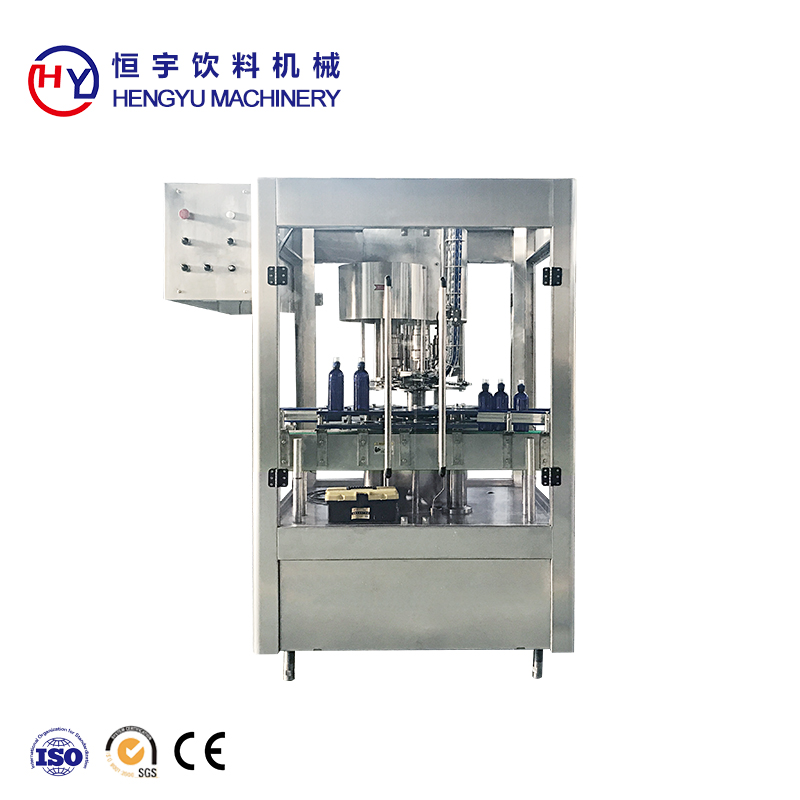
Automatic Capping Machine Solutions - High-Speed Precision Bottle Sealing Equipment

All Categories

automatic capping machine

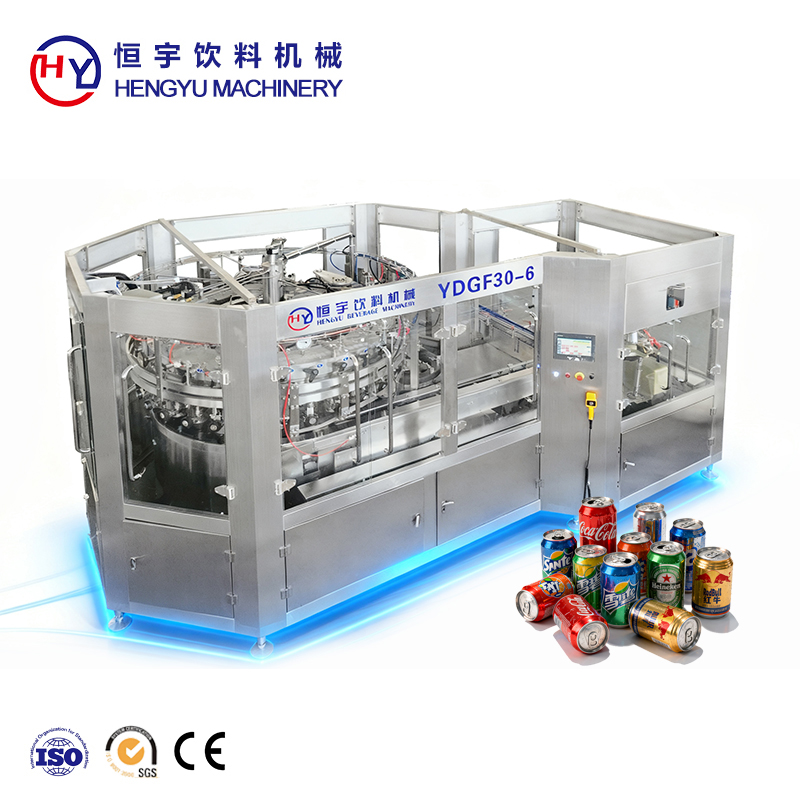
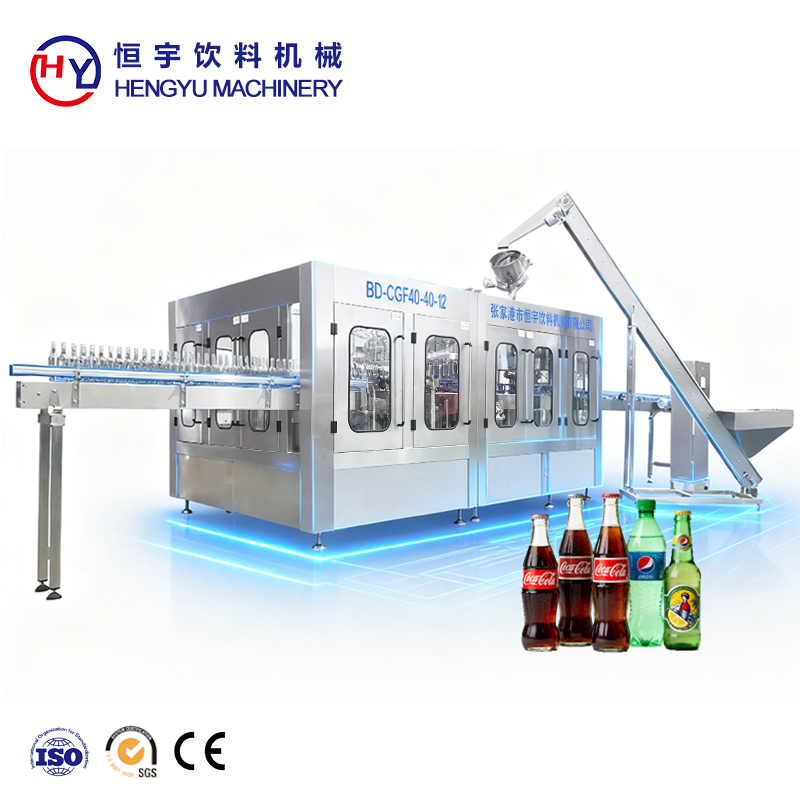
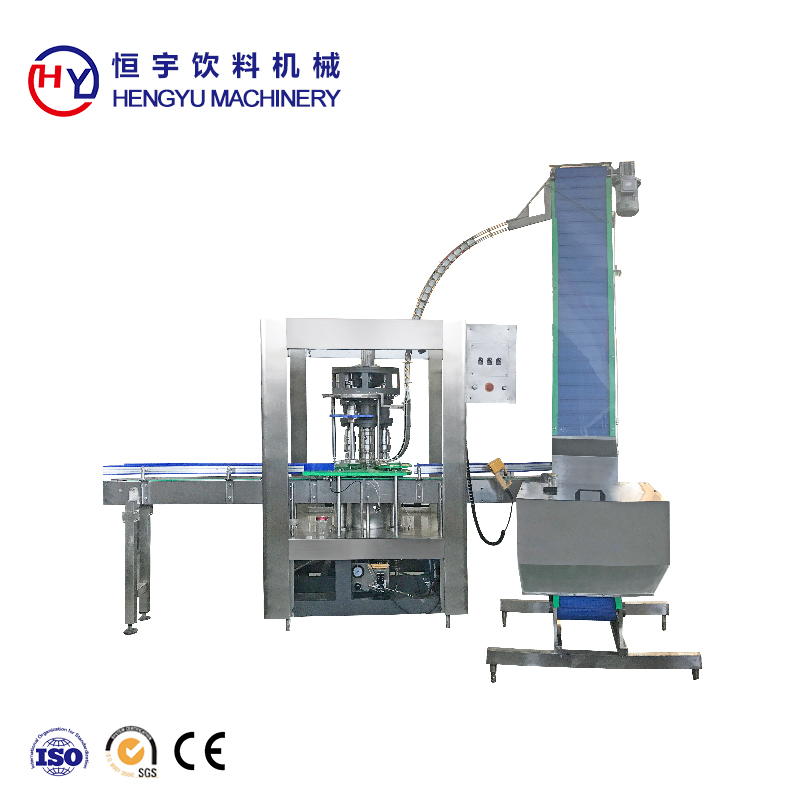
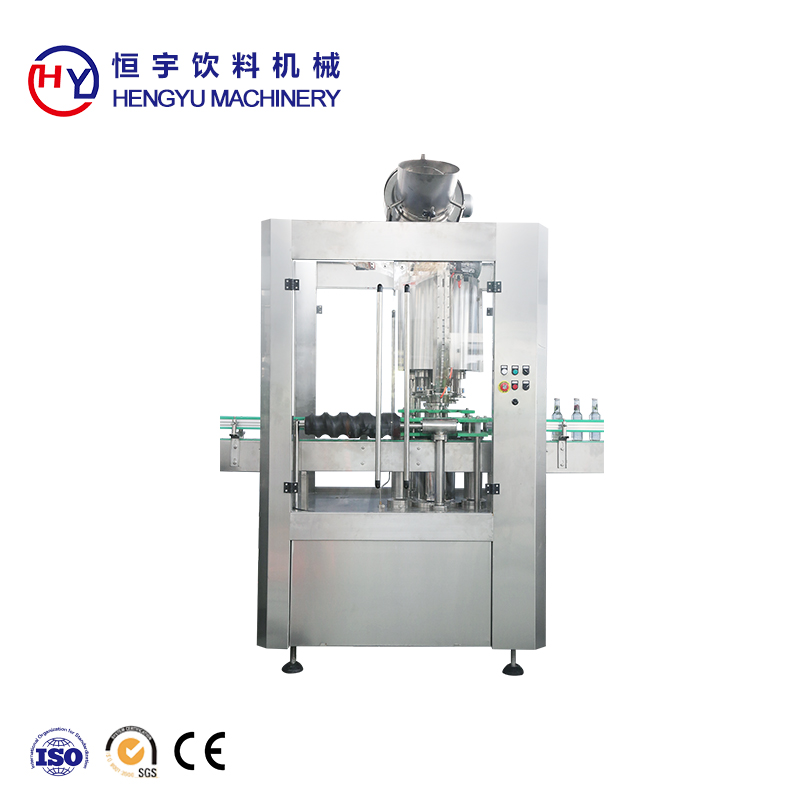
An automatic capping machine represents a sophisticated packaging solution designed to streamline the bottle sealing process across diverse manufacturing environments. This advanced equipment automatically applies caps, lids, or closures onto containers with precision and consistency, eliminating manual labor while significantly enhancing production efficiency. The automatic capping machine integrates seamlessly into existing production lines, accommodating various container sizes, shapes, and cap types through adjustable configurations. Modern automatic capping machines utilize servo-driven technology, ensuring accurate torque application that prevents under-tightening or over-tightening of closures. These machines feature intuitive control panels with programmable settings, allowing operators to customize parameters such as capping speed, torque levels, and container handling specifications. The equipment typically includes conveyor systems that transport containers through multiple stages: cap feeding, positioning, tightening, and quality verification. Advanced sensors and detection systems monitor each bottle throughout the capping process, automatically rejecting improperly sealed containers to maintain quality standards. The automatic capping machine construction employs food-grade stainless steel and durable materials that withstand rigorous industrial use while meeting sanitation requirements. Manufacturers across pharmaceutical, beverage, cosmetic, chemical, and food industries rely on automatic capping machines to maintain product integrity and extend shelf life. These systems handle various closure types including screw caps, snap-on lids, press-on caps, pump dispensers, and trigger sprayers. The versatility of automatic capping machines allows businesses to process different product lines without extensive equipment modifications. Energy-efficient motors and optimized mechanical designs reduce operational costs while maintaining high-speed performance. Safety features such as emergency stop buttons, protective guards, and interlock systems protect operators during production runs. Regular maintenance requirements remain minimal due to robust engineering and accessible component designs that facilitate quick servicing and part replacement.

New Products

Investing in an automatic capping machine delivers substantial operational improvements that directly impact your bottom line. Production speed increases dramatically compared to manual capping methods, with machines capable of sealing hundreds or thousands of containers per hour depending on the model specifications. This acceleration allows businesses to fulfill larger orders within shorter timeframes, improving customer satisfaction and enabling market expansion opportunities. Labor costs decrease significantly as the automatic capping machine replaces multiple manual workers, redirecting human resources toward value-added tasks that require critical thinking and problem-solving skills. Consistency in cap application ensures every container receives identical torque and seal quality, eliminating variations common in hand-tightening operations. This uniformity protects product quality, reduces spoilage, and minimizes customer complaints related to leaking or improperly sealed containers. The precision torque control prevents cap damage and thread stripping that often occurs with excessive manual force, reducing material waste and associated replacement costs. Workplace safety improves considerably as workers avoid repetitive strain injuries associated with continuous manual capping motions. The automatic capping machine operates reliably during extended production shifts without fatigue or performance degradation, maintaining consistent output throughout operating hours. Scalability becomes achievable as businesses grow, since adding production capacity simply requires adjusting machine settings rather than hiring and training additional personnel. Integration capabilities allow the automatic capping machine to communicate with other packaging equipment, creating synchronized production lines that optimize material flow and minimize bottlenecks. Quality control mechanisms built into automatic capping machines detect and remove defective products before they reach distribution channels, protecting brand reputation and reducing costly recalls. Space efficiency characterizes modern automatic capping machine designs, with compact footprints that maximize factory floor utilization while maintaining full functionality. Return on investment typically occurs within months as labor savings, increased throughput, and reduced waste accumulate. Adaptability to different container specifications means businesses can diversify product offerings without purchasing separate capping equipment for each variation. Energy consumption remains reasonable despite high-speed operations, with modern motors and drive systems optimized for power efficiency. Maintenance schedules are straightforward, with accessible components that technicians service quickly, minimizing downtime and maintaining production continuity. Documentation and support from manufacturers ensure operators receive comprehensive training and troubleshooting assistance throughout the equipment lifecycle.

Latest News

Glass Bottle Filling Machine vs Plastic Bottle Filling Machine

04

Mar

Glass Bottle Filling Machine vs Plastic Bottle Filling Machine

Material Properties Dictate Core Machine Design Glass fragility and thermal mass: why glass bottle filling machines require reinforced frames, shock-dampened conveyors, and precision neck-handling grippers Working with glass bottles means going th...
View More
Increasing Capacity in Bottled Water Production Lines

09

Mar

Increasing Capacity in Bottled Water Production Lines

Diagnosing Bottlenecks in Your Bottled Water Production Line Measuring Throughput Gaps: Bottling Speed, Changeover Time, and OEE Analysis To get a handle on where production is falling short, look at three key performance indicators. Start by compa...
View More
How Can Filling Machines Improve Beverage Production Speed

24

Mar

How Can Filling Machines Improve Beverage Production Speed

Filling Machine Type Determines Maximum Throughput Potential Gravity, Isobaric, and Piston Can Filling Machines: Speed vs. Precision Trade-offs Gravity fillers work well for delicate drinks such as juice, processing around 20 to 36 bottles every mi...
View More
Troubleshooting Can Filling Machine Production Issues

21

Mar

Troubleshooting Can Filling Machine Production Issues

Power, Control, and Electrical Faults in Can Filling Machines Machine won't power on: main supply, fuses, and emergency stop circuit checks If the can filling machine won't start at all, the first thing to do is check whether the main power supply ...
View More

Get a Free Quote

Our representative will contact you soon.
Email
Name
Phone/WhatsApp
Required Product
Message
0/1000

automatic capping machine

Precision Torque Control Technology

Precision Torque Control Technology

The automatic capping machine incorporates sophisticated torque control systems that represent a fundamental advancement in container sealing technology. This precision mechanism ensures each cap receives exactly the correct tightening force, creating optimal seals without causing damage to threads, caps, or container necks. The technology typically employs servo motors or clutch-based systems that measure and regulate rotational force in real-time, adjusting automatically to accommodate variations in cap materials, container dimensions, or environmental conditions. When caps are applied with insufficient torque, products become vulnerable to leaks, contamination, and premature spoilage that compromise quality and generate customer dissatisfaction. Conversely, excessive torque strips threads, cracks caps, or deforms container necks, creating waste and potential safety hazards for consumers attempting to open packages. The automatic capping machine eliminates these concerns through programmable torque parameters that operators customize according to specific product requirements. Pharmaceutical applications particularly benefit from this precision, as medication containers must maintain hermetic seals to preserve drug efficacy while remaining accessible to patients with varying hand strength. Beverage manufacturers rely on precise torque control to prevent carbonation loss in soft drinks and prevent oxidation in sensitive products like juices and wines. The system stores multiple torque profiles within its memory, enabling quick changeovers between different products without manual recalibration. Sensors continuously monitor torque application during each capping cycle, providing real-time feedback that maintains consistency across thousands of containers. Quality assurance personnel can review torque data logs to verify compliance with industry regulations and internal quality standards. This documentation proves invaluable during audits and helps identify process improvements. The precision torque control reduces material costs by extending cap and container lifecycles, as proper application prevents premature wear. Consumer experience improves significantly when packages open smoothly without requiring excessive force or specialized tools. The automatic capping machine's torque technology adapts to various closure types, from lightweight plastic screw caps to heavy metal lug caps, maintaining appropriate force levels regardless of application. This versatility supports product innovation, allowing brands to experiment with different packaging designs without compromising seal integrity. Investment in precision torque control technology demonstrates commitment to quality that differentiates market leaders from competitors using inferior capping methods.
High-Speed Production Efficiency

High-Speed Production Efficiency

The automatic capping machine transforms production capabilities by delivering exceptional speed that manual processes cannot match. Modern systems process between 30 to 600 containers per minute depending on configuration, container size, and cap complexity, representing productivity increases of 500 to 1000 percent compared to hand-capping operations. This dramatic throughput improvement enables manufacturers to meet growing market demand without proportional increases in labor costs or facility space. The high-speed performance stems from optimized mechanical design, synchronized component timing, and efficient material handling systems that minimize idle time between capping cycles. Containers move continuously through the machine on precision conveyors, with cap feeding mechanisms delivering closures at perfectly timed intervals to match production flow. The automatic capping machine maintains consistent speed regardless of operator skill level or fatigue factors that inevitably affect manual workers during extended shifts. Production planners gain predictability when scheduling manufacturing runs, as machine output remains stable and quantifiable. This reliability facilitates accurate inventory management, reduces safety stock requirements, and improves customer delivery commitments. The speed advantage becomes particularly valuable during seasonal peaks or promotional campaigns when demand surges temporarily require maximum production capacity. Rather than hiring temporary workers who require training and supervision, businesses simply extend automatic capping machine operating hours to accommodate increased volume. The equipment handles product changeovers efficiently, with quick-adjust features that minimize downtime between different container formats. Tool-free adjustment mechanisms allow operators to modify height settings, conveyor widths, and cap feeding parameters within minutes rather than hours. Multi-lane configurations multiply throughput by processing several containers simultaneously, with independent capping heads operating in parallel to maximize efficiency. The high-speed capability supports lean manufacturing principles by reducing work-in-process inventory and enabling just-in-time production strategies. Faster capping speeds also accelerate cash flow cycles, as finished products reach distribution channels more quickly. Energy efficiency remains impressive despite rapid operation, with modern drive systems optimizing power consumption relative to output. Noise levels stay within acceptable ranges through precision engineering and quality components that operate smoothly at high speeds. The automatic capping machine speed advantage extends beyond pure numbers, encompassing reduced floor space requirements per unit produced, lower overhead allocation per container, and improved asset utilization metrics that financial managers value.
Versatile Multi-Format Compatibility

Versatile Multi-Format Compatibility

The automatic capping machine excels in adaptability, accommodating diverse container shapes, sizes, and cap styles through intelligent design and adjustable components. This versatility provides tremendous value for manufacturers producing multiple product lines or anticipating future packaging changes. The equipment handles containers ranging from small pharmaceutical vials measuring 10 milliliters to large industrial bottles exceeding five liters, with adjustable guides and supports that stabilize different formats during capping. Height adjustment mechanisms accommodate containers from 30 millimeters to 400 millimeters tall, while width settings expand or contract to secure round, square, rectangular, and oval profiles. Cap compatibility spans screw-on closures, snap caps, flip-tops, pump dispensers, trigger sprayers, and specialized pharmaceutical closures, with interchangeable capping heads that match specific application requirements. This multi-format capability eliminates the need for separate machines dedicated to individual product lines, dramatically reducing capital equipment investment and factory floor space consumption. Manufacturers launching new products simply configure the automatic capping machine to accommodate different specifications rather than sourcing additional equipment. The flexibility supports market testing of innovative packaging concepts without committing to specialized machinery before confirming consumer acceptance. Changeover procedures are streamlined through intuitive adjustment mechanisms and clear visual guides that operators follow without extensive technical training. Memory functions store parameter settings for frequent products, enabling one-touch recall that restores configurations instantly. Contract packaging operations particularly value this versatility, as they serve multiple clients with varying container specifications and frequently switch between different products throughout production shifts. The automatic capping machine accommodates special requirements such as tamper-evident bands, induction seals, and child-resistant closures that enhance product safety and regulatory compliance. Material compatibility extends across plastic, glass, and metal containers, with gentle handling systems that prevent scratching, scuffing, or contamination. The equipment processes both filled and empty containers, supporting applications where caps are applied before or after product filling depending on manufacturing workflow preferences. Seasonal product variations that require temporary packaging modifications are easily managed through the automatic capping machine's adaptable design. Export products demanding different cap styles for various international markets can be processed on the same equipment with simple adjustments. The versatility future-proofs capital investments, as the automatic capping machine continues delivering value even as product portfolios evolve over years of operation. Testing new closure technologies becomes feasible without disrupting existing production, as manufacturers can evaluate performance on current equipment before committing to packaging changes. This adaptability reduces risk in innovation initiatives and accelerates time-to-market for new product launches.