Filling and Capping Machine Solutions - Automated Packaging Equipment for Superior Production Efficiency

All Categories

filling and capping machine

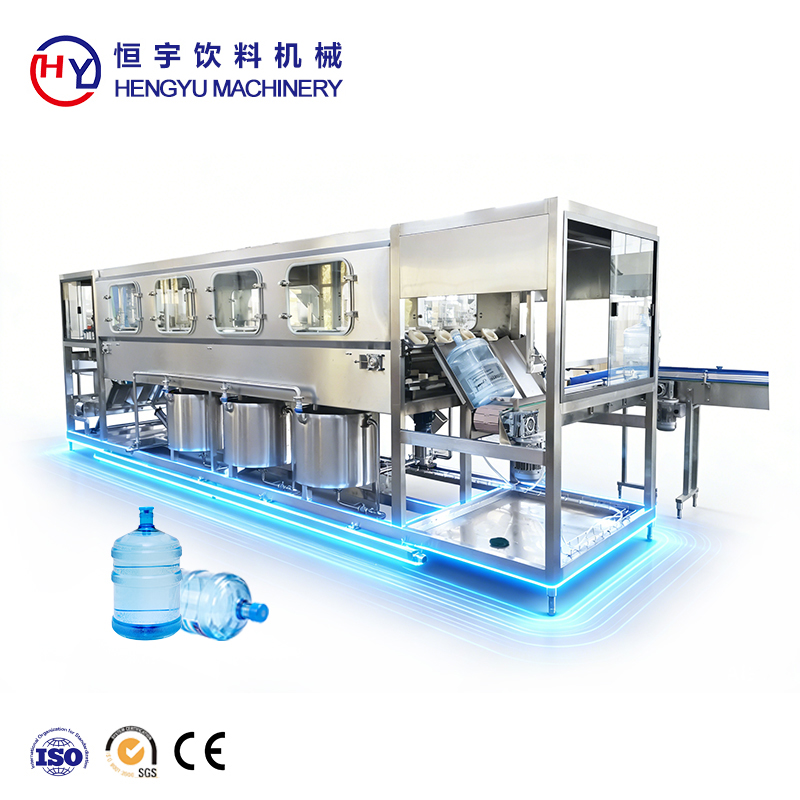
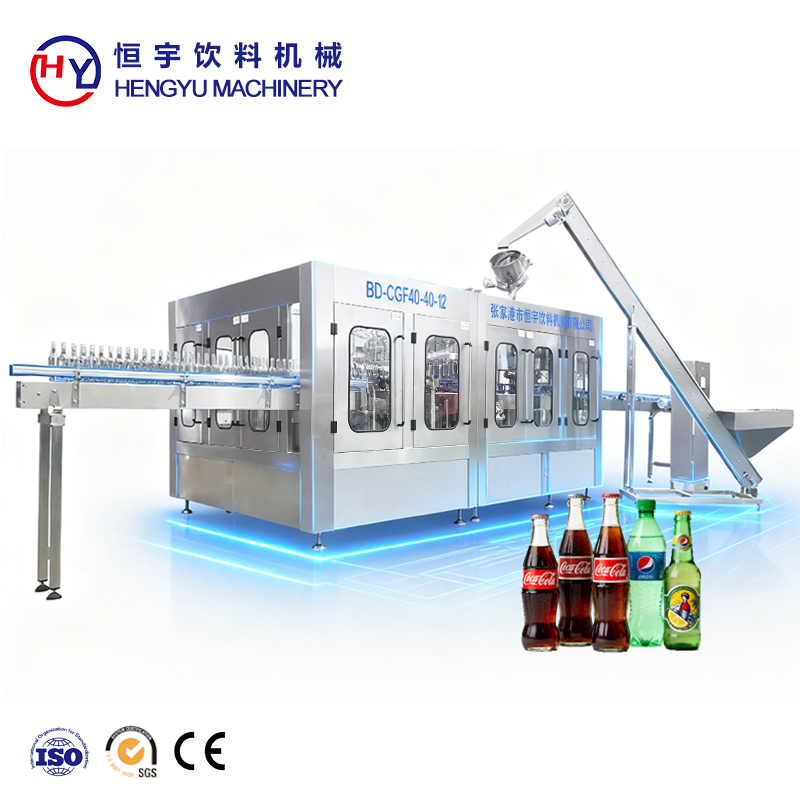
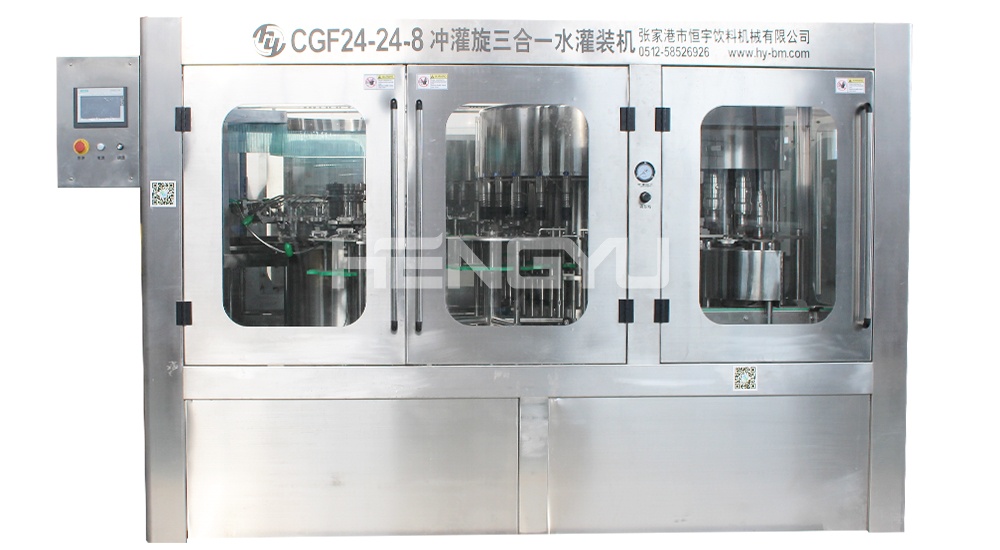
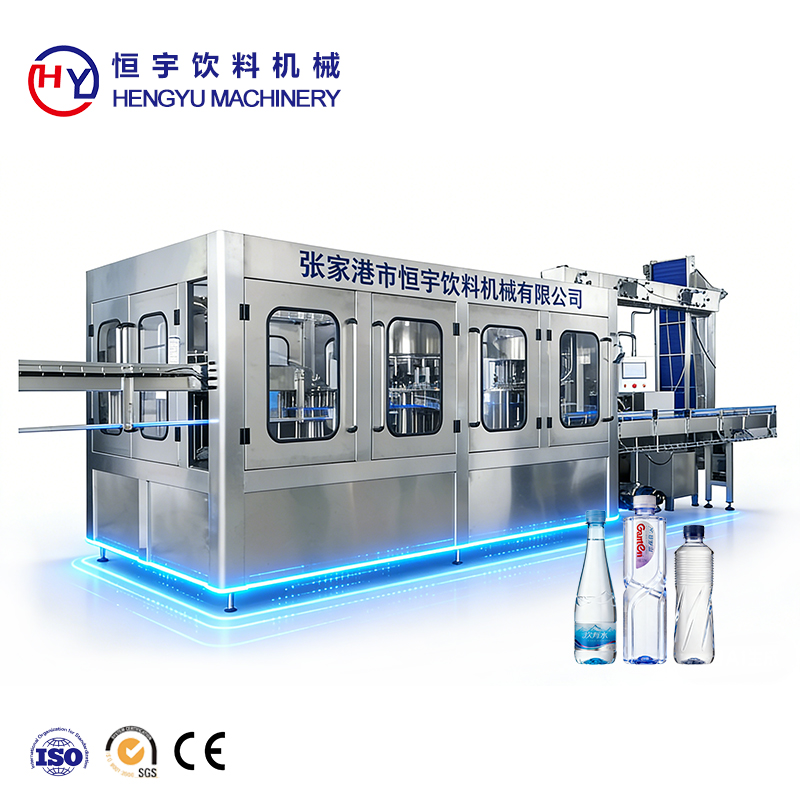
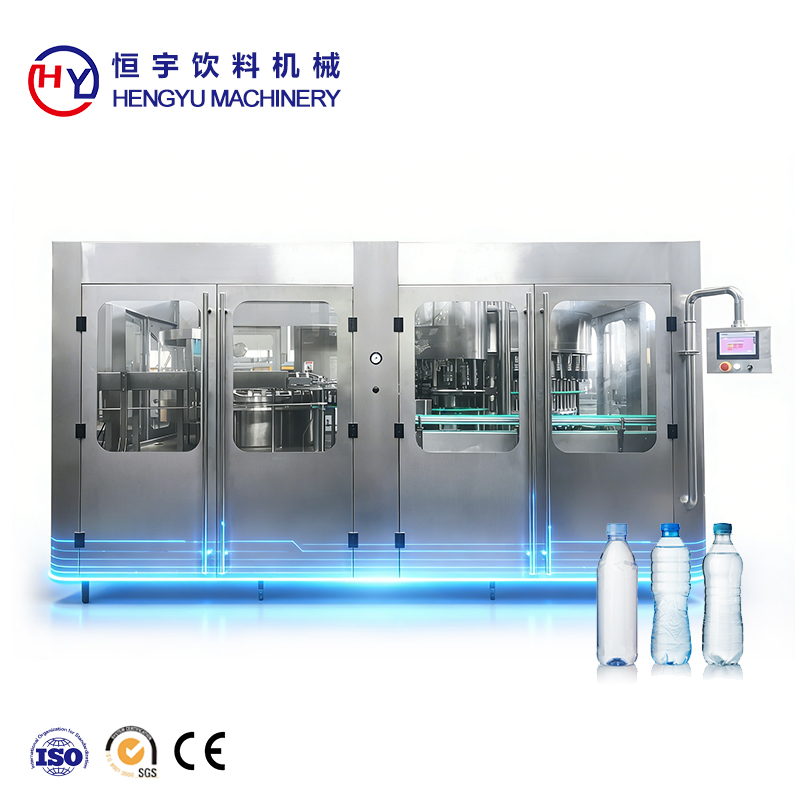
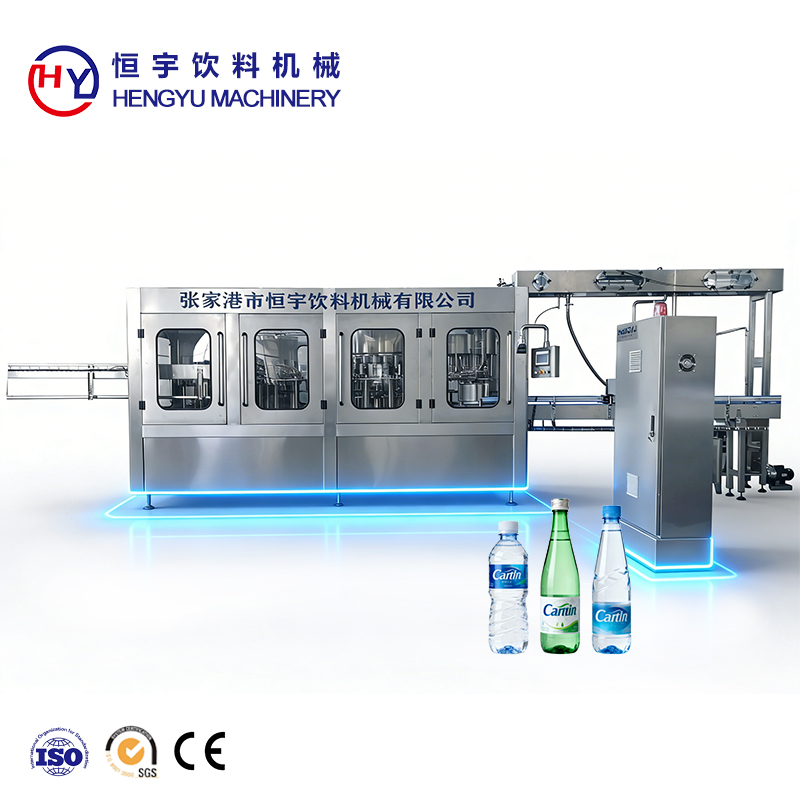
A filling and capping machine represents an integrated automation solution designed to streamline the packaging process for liquid, semi-liquid, and paste products across various industries. This sophisticated equipment combines two essential operations into one seamless system: precisely dispensing products into containers and securely sealing them with caps or closures. Modern filling and capping machine units incorporate advanced control systems, precision sensors, and mechanical components that work in harmony to deliver consistent, high-speed packaging results. The filling component utilizes various technologies such as volumetric, gravimetric, or piston-driven mechanisms to ensure accurate product measurement and transfer, while the capping module employs techniques like screw capping, snap capping, or press-on capping depending on container specifications. These machines serve critical roles in pharmaceutical, food and beverage, cosmetic, chemical, and nutraceutical manufacturing facilities where product integrity, hygiene standards, and production efficiency are paramount. The filling and capping machine typically features stainless steel construction that meets sanitary requirements and resists corrosion, adjustable settings to accommodate different container sizes and shapes, and user-friendly interfaces that simplify operation and reduce training time. Advanced models integrate quality control mechanisms including automatic rejection systems for improperly filled or capped containers, ensuring only products meeting specifications reach consumers. The versatility of a filling and capping machine allows manufacturers to handle diverse product viscosities and container types, from small pharmaceutical vials to large industrial containers, making it an indispensable asset in modern production environments where consistency, speed, and reliability determine competitive advantage.

Popular Products

Investing in a filling and capping machine delivers substantial practical benefits that directly impact your bottom line and operational efficiency. First, these machines dramatically increase production speed compared to manual operations, enabling you to fill and seal hundreds or thousands of containers per hour depending on your specific model and application requirements. This acceleration in throughput means you can fulfill larger orders, reduce delivery times, and capture more market opportunities without proportionally increasing labor costs. Second, the precision offered by automated filling and capping machine systems ensures consistent product volumes in every container, eliminating the variations inherent in manual filling that lead to product giveaway, customer complaints, and regulatory compliance issues. This accuracy protects your profit margins by preventing overfilling while maintaining customer satisfaction through reliable product delivery. Third, these machines significantly reduce labor requirements, freeing your workforce from repetitive, physically demanding tasks and allowing you to redeploy personnel to higher-value activities such as quality control, maintenance, or process improvement initiatives. Fourth, the improved hygiene and contamination control provided by enclosed filling and capping machine operations protect product quality and extend shelf life, reducing waste from spoilage and recalls while safeguarding your brand reputation. Fifth, the flexibility built into modern systems allows quick changeovers between different products and container sizes, minimizing downtime and enabling efficient small-batch production alongside high-volume runs. Sixth, the data collection and monitoring capabilities integrated into contemporary filling and capping machine equipment provide valuable insights into production performance, helping you identify bottlenecks, optimize processes, and demonstrate compliance with regulatory requirements through comprehensive documentation. Seventh, the reduced physical contact with products minimizes workplace injuries associated with repetitive motion and heavy lifting, creating a safer work environment while potentially lowering insurance costs. Finally, the consistency and reliability of automated systems reduce material waste from spillage, broken containers, and improperly sealed products, contributing to sustainability goals while improving cost efficiency throughout your packaging operations.

Practical Tips

How to Choose a Glass Bottle Filling Machine for Beverage Production

06

Mar

How to Choose a Glass Bottle Filling Machine for Beverage Production

Match Filling Technology to Beverage Type and Sensitivity Counter-Pressure Fillers for Carbonated Beverages and Beer Carbonated drinks like soda, sparkling water and beer need careful filling techniques to keep their fizz intact while avoiding exc...
View More
Increasing Capacity in Bottled Water Production Lines

09

Mar

Increasing Capacity in Bottled Water Production Lines

Diagnosing Bottlenecks in Your Bottled Water Production Line Measuring Throughput Gaps: Bottling Speed, Changeover Time, and OEE Analysis To get a handle on where production is falling short, look at three key performance indicators. Start by compa...
View More
Can Sealing Machine Maintenance Tips

23

Mar

Can Sealing Machine Maintenance Tips

Daily and Weekly Preventive Maintenance for Your Can Sealing Machine Essential Daily Checks: Belt Tension, Sealing Bar Alignment, and Tape Head Cleanliness Starting every shift with a quick check on belt tension makes all the difference. If belts a...
View More
Automation Technology in Can Sealing Machines

24

Mar

Automation Technology in Can Sealing Machines

How Automation Enhances Precision and Reliability in Can Sealing Machines Core Automation Components: Servo Drives, Vision Systems, and Closed-Loop Feedback in Modern Can Sealing Machines Today's can sealing equipment reaches incredible levels of p...
View More

Get a Free Quote

Our representative will contact you soon.
Email
Name
Phone/WhatsApp
Required Product
Message
0/1000

filling and capping machine

Precision Engineering for Unmatched Accuracy and Product Consistency

Precision Engineering for Unmatched Accuracy and Product Consistency

The precision engineering incorporated into modern filling and capping machine systems represents a fundamental advantage that transforms packaging operations from variable manual processes into highly controlled automated procedures. At the core of this precision lies sophisticated metering technology that measures product volumes with exceptional accuracy, typically within plus or minus one percent or better, depending on product characteristics and machine specifications. This level of accuracy stems from advanced components such as servo-driven pistons, mass flow meters, or electronic load cells that continuously monitor and adjust dispensing parameters in real-time. For manufacturers, this precision translates directly into multiple business benefits that extend far beyond simple measurement accuracy. When every container receives exactly the specified product amount, you eliminate the costly practice of overfilling to compensate for manual variation, directly improving profit margins on every unit produced. Simultaneously, you ensure customers receive full value, maintaining satisfaction and brand loyalty while meeting regulatory labeling requirements that mandate accurate net content declarations. The capping portion of the filling and capping machine equally benefits from precision engineering through torque-controlled application systems that apply exactly the right sealing force to each closure. Too little torque results in leaks, contamination, and product spoilage, while excessive torque can damage containers or create closures that frustrate consumers. Precision torque application ensures every seal meets specifications, protecting product integrity throughout distribution and storage. Beyond individual container accuracy, precision engineering enables the filling and capping machine to maintain consistent performance across extended production runs, eliminating the drift and variation that plague less sophisticated equipment. This consistency proves particularly valuable in regulated industries such as pharmaceuticals and food production, where documentation requirements demand proof that every product meets specifications. Modern control systems record detailed production data, creating the audit trails necessary for compliance verification. The precision engineered into these systems also contributes to reduced waste and environmental sustainability by minimizing spills, rejected containers, and defective seals that would otherwise contribute to material waste and disposal costs.
Versatile Design Accommodating Diverse Products and Container Formats

Versatile Design Accommodating Diverse Products and Container Formats

The versatile design philosophy underlying contemporary filling and capping machine engineering addresses one of the most challenging aspects of modern manufacturing: the need to efficiently handle multiple products and container formats without maintaining separate dedicated equipment for each variation. This versatility emerges from thoughtful mechanical design combined with sophisticated control systems that enable rapid adjustments and changeovers. Modern filling and capping machine units incorporate tool-free adjustment mechanisms that allow operators to modify container handling components, filling nozzles, and capping heads to accommodate different bottle heights, diameters, and closure styles in minutes rather than hours. This quick-change capability proves invaluable for manufacturers producing multiple product lines or offering various package sizes to meet diverse market demands. The filling systems within versatile machines typically offer multiple operating modes or easily interchangeable filling heads that handle products ranging from thin, water-like liquids to thick pastes and creams, accommodating viscosity variations without requiring separate equipment investments. Some advanced filling and capping machine models incorporate recipe management systems that store parameters for different products and containers, enabling operators to recall complete setup configurations with simple touchscreen selections, virtually eliminating setup errors and further reducing changeover time. The capping versatility extends to handling various closure types including screw caps, flip-tops, pumps, sprayers, and specialty closures, with adjustable gripper systems and interchangeable tooling that adapt to different cap geometries. This flexibility allows brand owners to differentiate products through distinctive packaging without constraining production capabilities. Container material compatibility represents another dimension of versatility, with machines engineered to handle glass, plastic, metal, and composite containers without damage, using adjustable gripping pressures and specialized contact surfaces. The modular architecture common in modern filling and capping machine design enables future expansion and capability additions, protecting equipment investments as business needs evolve. Manufacturers can often upgrade existing machines with enhanced filling heads, additional capping stations, or integrated quality inspection systems rather than replacing entire production lines. This adaptability proves particularly valuable for growing businesses that anticipate increasing production volumes or expanding product portfolios, as the filling and capping machine can scale alongside business growth.
Advanced Automation Delivering Reliability and Operational Efficiency

Advanced Automation Delivering Reliability and Operational Efficiency

The advanced automation incorporated into modern filling and capping machine technology fundamentally transforms packaging operations by delivering exceptional reliability and operational efficiency that manual processes simply cannot match. Contemporary systems integrate programmable logic controllers, sophisticated sensors, precision actuators, and intuitive human-machine interfaces into cohesive automation architectures that optimize every aspect of the filling and capping process. These automated systems continuously monitor critical parameters including product flow rates, container positioning, fill levels, cap presence and orientation, and applied torque values, making instantaneous adjustments to maintain optimal performance without operator intervention. This continuous optimization ensures consistent output quality while maximizing production speeds and minimizing waste. The reliability delivered by automated filling and capping machine systems stems from elimination of human variability and fatigue factors that inevitably affect manual operations, particularly during extended production shifts. Automated systems maintain identical performance from the first container to the last, hour after hour, delivering predictable output that enables accurate production planning and reliable delivery commitments. Advanced diagnostic capabilities built into modern automation systems provide early warning of developing maintenance needs, allowing scheduled interventions before failures occur and avoiding costly unplanned downtime. Operational efficiency gains from automation extend throughout the production environment, beginning with reduced direct labor requirements that lower per-unit production costs while addressing workforce availability challenges many manufacturers face. The filling and capping machine automation also improves material utilization through precise product dispensing and reduced spillage, directly impacting ingredient costs that represent substantial portions of manufacturing expenses. Integration capabilities allow automated systems to communicate with upstream and downstream equipment, enterprise resource planning systems, and quality management databases, creating seamless information flow that enhances overall operational visibility and decision-making. Safety features integrated into automated filling and capping machine designs including guarding, emergency stops, and interlock systems protect operators while ensuring compliance with workplace safety regulations. The operational efficiency delivered by automation also encompasses energy consumption, as optimized motion profiles and intelligent power management reduce electrical usage compared to older mechanical systems or manual operations. Training requirements decrease substantially with intuitive touchscreen interfaces that guide operators through procedures, reducing the specialized knowledge needed to operate sophisticated equipment and enabling faster onboarding of new personnel.