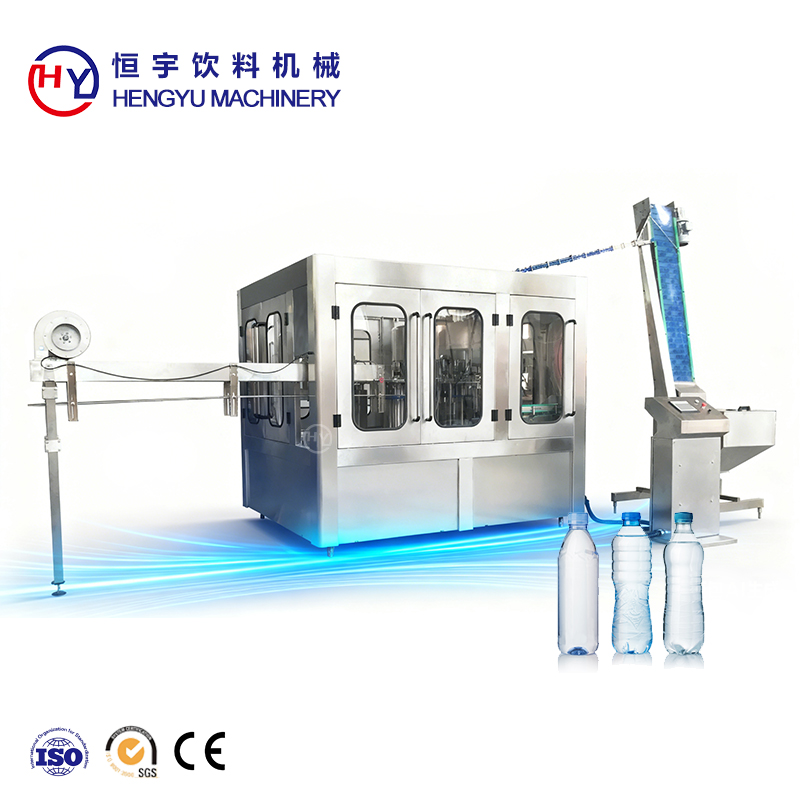
Water Bottling Machine Price Guide: Cost, Features, and Value for Your Business Investment

All Categories

water bottling machine price

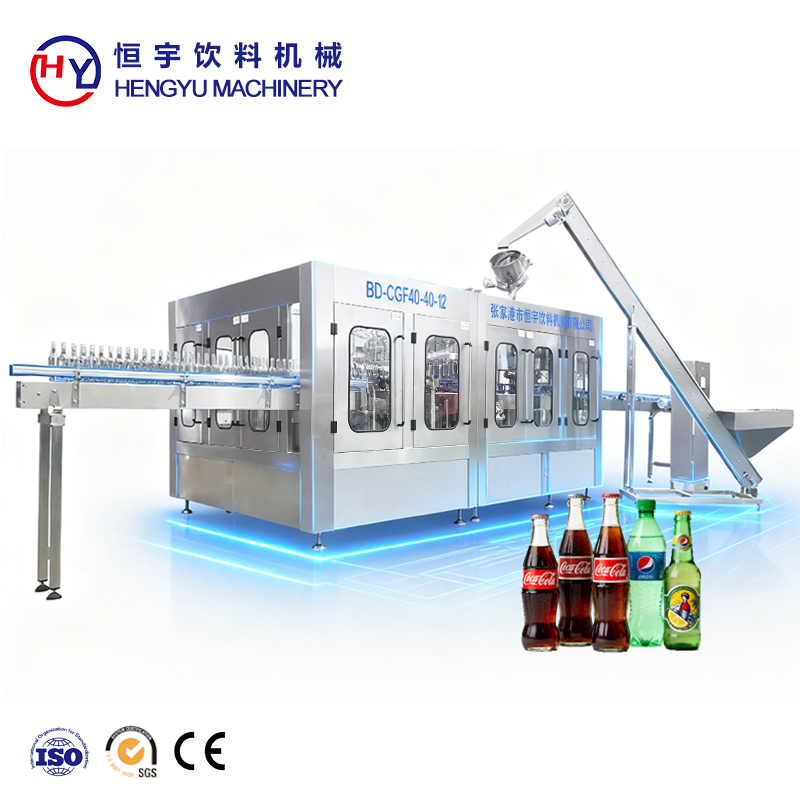
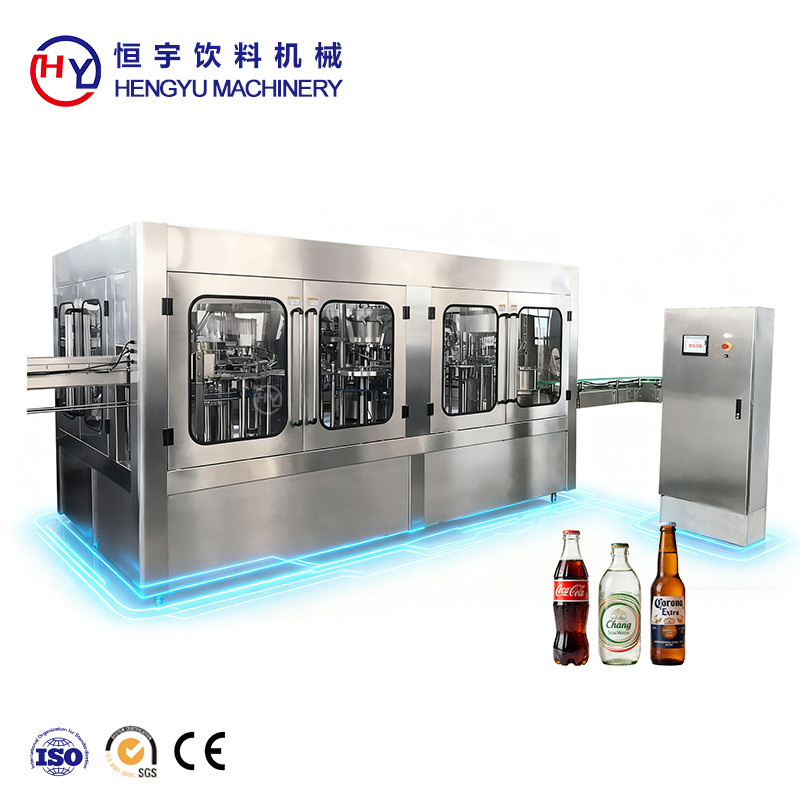
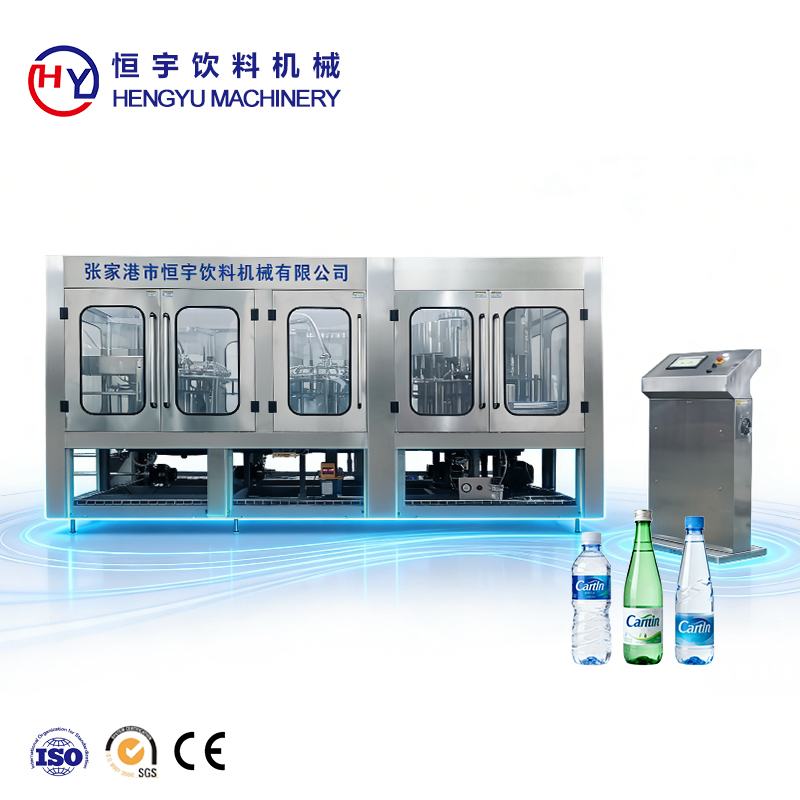
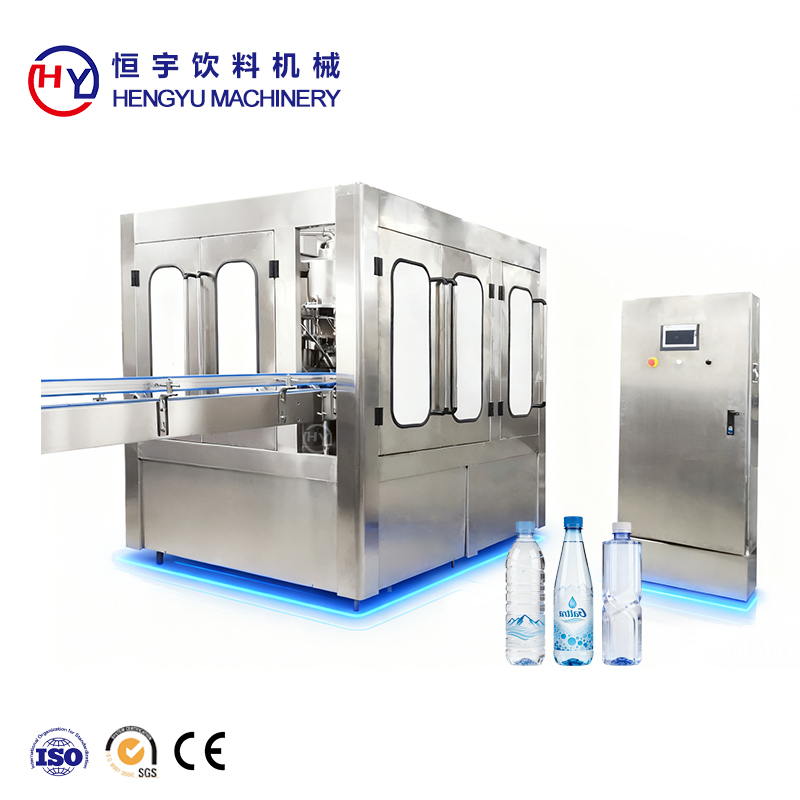
Understanding water bottling machine price requires a comprehensive look at what these systems offer to businesses in the beverage industry. A water bottling machine represents a significant investment for companies ranging from small startups to large-scale manufacturing operations. The water bottling machine price typically reflects the sophistication of automation, production capacity, and technological integration built into the system. These machines perform essential functions including bottle rinsing, filling, capping, labeling, and packaging in a streamlined production line. Modern water bottling equipment incorporates advanced PLC control systems that manage every stage of the bottling process with precision. The technological features embedded in contemporary machines include automatic bottle feeding mechanisms, precise volumetric filling systems, sterile processing chambers, and quality inspection modules. When evaluating water bottling machine price, buyers must consider the machine's ability to handle various bottle sizes, materials like PET or glass, and production speeds measured in bottles per hour. Applications span across multiple sectors including mineral water production, purified drinking water packaging, flavored water bottling, and even carbonated beverage filling. The price spectrum varies considerably based on capacity, with small semi-automatic units serving boutique operations at lower price points, while fully automated high-speed lines command premium investments. Essential components affecting water bottling machine price include stainless steel construction for hygiene compliance, servo motor systems for accuracy, touch-screen interfaces for operator convenience, and integration capabilities with upstream purification systems and downstream packaging equipment. Energy efficiency has become a crucial factor, with modern machines designed to minimize power consumption and water waste during the rinsing cycle. The return on investment depends heavily on production volume requirements, labor cost savings through automation, and the reduction of product waste through precise filling technology. When assessing water bottling machine price, businesses should factor in installation costs, operator training, maintenance requirements, and the availability of technical support from manufacturers.

New Product Releases

Investing in the right water bottling machine price point delivers tangible benefits that directly impact your bottom line and operational efficiency. First and foremost, automation reduces labor costs significantly by eliminating the need for multiple workers to manually fill, cap, and label bottles. A single operator can monitor an entire production line, allowing you to reallocate human resources to other critical business areas. The consistency provided by automated systems ensures every bottle contains the exact same volume of water, which protects your brand reputation and ensures compliance with regulatory standards. This precision filling technology minimizes product waste, meaning you get more filled bottles from every batch of purified water, directly improving your profit margins. When you choose an appropriate water bottling machine price range for your business scale, you gain the flexibility to increase production as demand grows without proportionally increasing your workforce. Modern machines operate at speeds that would be impossible to achieve manually, with entry-level systems producing hundreds of bottles per hour and industrial-grade equipment reaching thousands of units hourly. The hygienic benefits cannot be overstated, as these machines feature stainless steel construction and automated cleaning cycles that maintain sanitary conditions throughout production, reducing contamination risks that could lead to costly product recalls. The water bottling machine price includes sophisticated quality control features like automatic reject systems that identify and remove improperly filled or capped bottles before they reach consumers. This built-in quality assurance protects your brand and reduces customer complaints. Energy efficiency built into modern designs translates to lower utility bills over the equipment's lifespan, making the initial water bottling machine price more justifiable when calculating total cost of ownership. The professional appearance of machine-filled bottles with consistent labels and caps enhances product presentation on retail shelves, helping your brand compete effectively against established competitors. Maintenance requirements for quality machines remain manageable, with accessible components and clear diagnostic systems that minimize downtime. The scalability factor means you can start with a machine suited to your current production needs and upgrade components or add modules as your business expands, protecting your initial investment. Technical support from reputable manufacturers ensures you maximize uptime and productivity, making the water bottling machine price a true investment rather than merely an expense. The data collection capabilities of computerized systems provide valuable production metrics that help you optimize operations, identify bottlenecks, and make informed decisions about expansion timing.

Practical Tips

How Bottled Water Production Lines Maintain Product Safety

12

Mar

How Bottled Water Production Lines Maintain Product Safety

Regulatory Foundations and the Multi-Barrier Safety Framework FDA, EPA, and ISO Standards Specific to Bottled Water Production Lines The bottled water industry works within a pretty strict set of regulations. The FDA has these things called Good Ma...
View More
Can Filling Machine Technology for Carbonated Beverages

20

Mar

Can Filling Machine Technology for Carbonated Beverages

Isobaric Filling Principles: How Can Filling Machines Preserve Carbonation Under Pressure The Physics of CO₂ Solubility and Why Counter-Pressure Is Non-Negotiable The way carbon dioxide dissolves in drinks basically follows what we call Henry's Law...
View More
Can Filling Machine Capacity Planning Guide

22

Mar

Can Filling Machine Capacity Planning Guide

Understanding Can Filling Machine Capacity: Theory vs. Real-World Performance Why Theoretical Capacity Rarely Matches Effective Output on Can Filling Lines When companies talk about canning speed at 100 cans per minute, they're referring to what ha...
View More
Can Sealing Machine Maintenance Tips

23

Mar

Can Sealing Machine Maintenance Tips

Daily and Weekly Preventive Maintenance for Your Can Sealing Machine Essential Daily Checks: Belt Tension, Sealing Bar Alignment, and Tape Head Cleanliness Starting every shift with a quick check on belt tension makes all the difference. If belts a...
View More

Get a Free Quote

Our representative will contact you soon.
Email
Name
Phone/WhatsApp
Required Product
Message
0/1000

water bottling machine price

Production Capacity Matched to Business Scale Determines Optimal Investment

Production Capacity Matched to Business Scale Determines Optimal Investment

One of the most critical factors influencing water bottling machine price is the production capacity measured in bottles per hour, and understanding this relationship helps businesses make smart purchasing decisions that align with their current needs and growth projections. Entry-level semi-automatic machines priced at the lower end of the spectrum typically produce between 500 to 1200 bottles per hour, making them ideal for startup operations, regional brands, or specialty water products targeting niche markets. These systems require some manual intervention for bottle loading or cap placement but still provide substantial efficiency improvements over completely manual operations. The water bottling machine price increases proportionally as you move into mid-range automatic systems capable of producing 2000 to 6000 bottles hourly, which suits established regional distributors or growing brands expanding their market presence. These machines feature fully automated processes from bottle feeding through final packaging, with integrated rinsing, filling, and capping functions operating in synchronized harmony. At the premium end, high-speed production lines justify their water bottling machine price by delivering 10000 to 24000 bottles per hour or more, serving large-scale manufacturers supplying national or international markets. The beauty of this tiered pricing structure lies in accessibility, allowing businesses at every stage to find equipment matching their production requirements without overpaying for unnecessary capacity or underinvesting in equipment that creates production bottlenecks. When evaluating water bottling machine price against capacity, calculate your current daily production needs and project growth over the next three to five years, ensuring the machine you select can accommodate expansion without requiring complete replacement. Consider that operating a machine below fifty percent capacity wastes the investment, while consistently running at maximum capacity leaves no room for increased orders or equipment maintenance downtime. The modularity of many modern systems allows businesses to purchase a base configuration at a reasonable water bottling machine price and add components like additional filling heads, faster conveyors, or automated packaging modules as production demands increase, protecting the initial investment while enabling scalable growth that matches revenue increases with capital expenditures appropriately timed for cash flow management.
Advanced Automation Technology Reduces Operating Costs and Improves Product Quality

Advanced Automation Technology Reduces Operating Costs and Improves Product Quality

The technological sophistication embedded in modern equipment significantly influences water bottling machine price, yet these advanced features deliver operational savings that quickly offset the initial investment through reduced labor requirements, minimized waste, and enhanced product consistency. Programmable logic controllers serve as the intelligent brain of contemporary bottling systems, coordinating dozens of sensors, valves, motors, and conveyors to maintain perfect synchronization throughout the production process. These computer systems allow operators to store multiple production recipes for different bottle sizes or product types, switching between configurations with simple touchscreen commands rather than manual mechanical adjustments that consumed hours in older equipment generations. The water bottling machine price reflects these control systems, but the efficiency gains prove substantial when you consider that recipe changes taking five minutes instead of two hours mean more productive time and faster responses to market demands. Servo motor technology provides precise control over filling volumes, ensuring each bottle contains exactly the specified amount within tolerances measured in milliliters, which protects against underfilling violations that could trigger regulatory penalties while eliminating overfilling waste that erodes profit margins bottle by bottle. Automatic inspection systems using cameras or sensors verify cap placement, label positioning, and fill levels, immediately rejecting defective units before they enter distribution channels, which safeguards brand reputation far more effectively than manual quality checks that suffer from human fatigue and inconsistency. The water bottling machine price encompasses these quality assurance technologies that function as tireless guardians of product standards. Sanitary design features including CIP systems for cleaning in place allow automated washing cycles that sanitize all product-contact surfaces without disassembly, reducing contamination risks while cutting cleaning time from hours to minutes and eliminating the specialized labor previously required for equipment breakdown and sanitization. Modern human-machine interfaces with color touchscreens display real-time production data, maintenance alerts, and diagnostic information in intuitive formats that reduce training requirements for operators and enable faster troubleshooting when issues arise, minimizing costly downtime. The integration capabilities built into systems at every water bottling machine price point allow seamless connection with upstream water treatment equipment and downstream packaging machinery, creating efficient production flows that eliminate manual transfer bottlenecks while providing comprehensive data tracking from raw water input through finished product palletization for complete traceability and process optimization.
Durable Construction and Reliable Components Ensure Long-Term Value Beyond Initial Purchase Price

Durable Construction and Reliable Components Ensure Long-Term Value Beyond Initial Purchase Price

While water bottling machine price represents a significant upfront investment, the quality of materials and components determines the true cost of ownership over the equipment's operational lifespan, making durability and reliability essential considerations that ultimately prove more important than the initial purchase price alone. Food-grade stainless steel construction, typically 304 or 316 grade, forms the foundation of quality bottling equipment, providing corrosion resistance essential for equipment constantly exposed to water and cleaning chemicals while meeting strict hygiene standards required by food safety regulations worldwide. The water bottling machine price necessarily includes these premium materials, but their longevity means the equipment maintains structural integrity and sanitary properties for decades rather than requiring replacement after just a few years of service. High-quality pneumatic components from established manufacturers ensure reliable operation of valves, cylinders, and actuators that cycle millions of times throughout the machine's lifetime, with proper maintenance schedules extending component life and preventing unexpected failures during production runs. The bearing systems, conveyor chains, and mechanical drives built into machines at appropriate water bottling machine price points use industrial-grade components designed for continuous operation rather than consumer-grade parts that fail prematurely under production demands. Electrical components including motors, drives, and control panels featuring recognized brands provide assurance of availability for replacement parts and technical support, avoiding the nightmare scenario of obsolete components that render an entire machine inoperable because a single proprietary part becomes unavailable. Manufacturer reputation directly correlates with water bottling machine price, as established companies invest in engineering, quality control, and after-sales support infrastructure that protects buyer investments through readily available technical assistance, spare parts inventory, and sometimes on-site service capabilities. The warranty coverage accompanying your purchase reflects manufacturer confidence in their equipment, with comprehensive warranties covering major components for extended periods providing peace of mind and financial protection against defects or premature failures. Beyond the warranty period, maintenance requirements and parts availability determine ongoing operational costs, making machines with accessible components, clear maintenance documentation, and common replacement parts more economical over time despite potentially higher water bottling machine price initially. The resale value of quality equipment remains substantial, as well-maintained machines from reputable manufacturers find ready buyers in secondary markets, effectively reducing your net equipment cost when you eventually upgrade to higher capacity systems. Energy consumption varies significantly between efficient modern designs and older technology, with the electricity costs over a machine's decade-plus operational life potentially exceeding the original water bottling machine price, making energy-efficient models with variable frequency drives and optimized pneumatic systems wise investments that reduce operating expenses month after month.