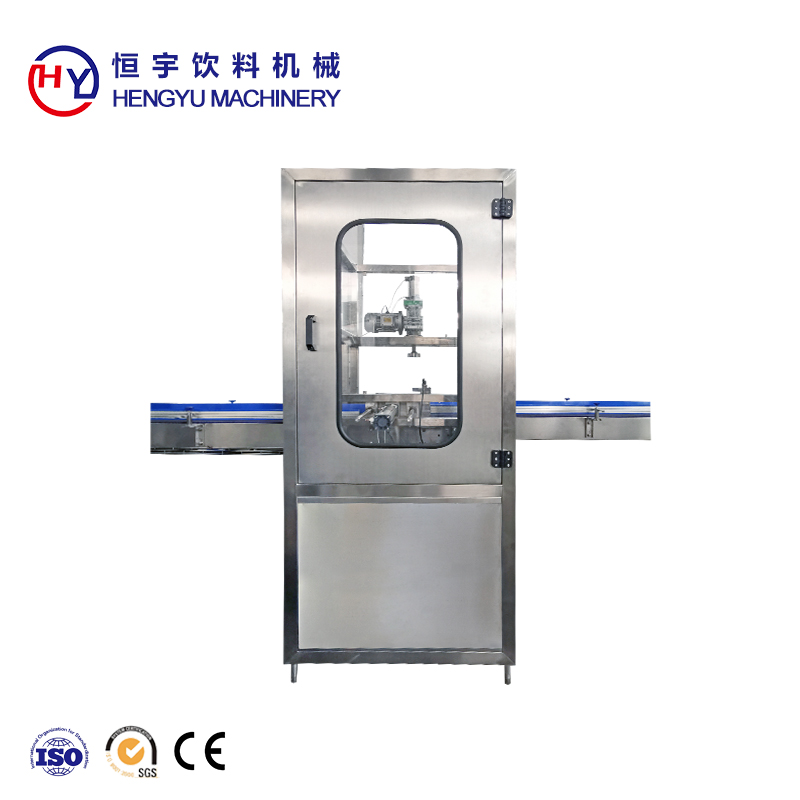
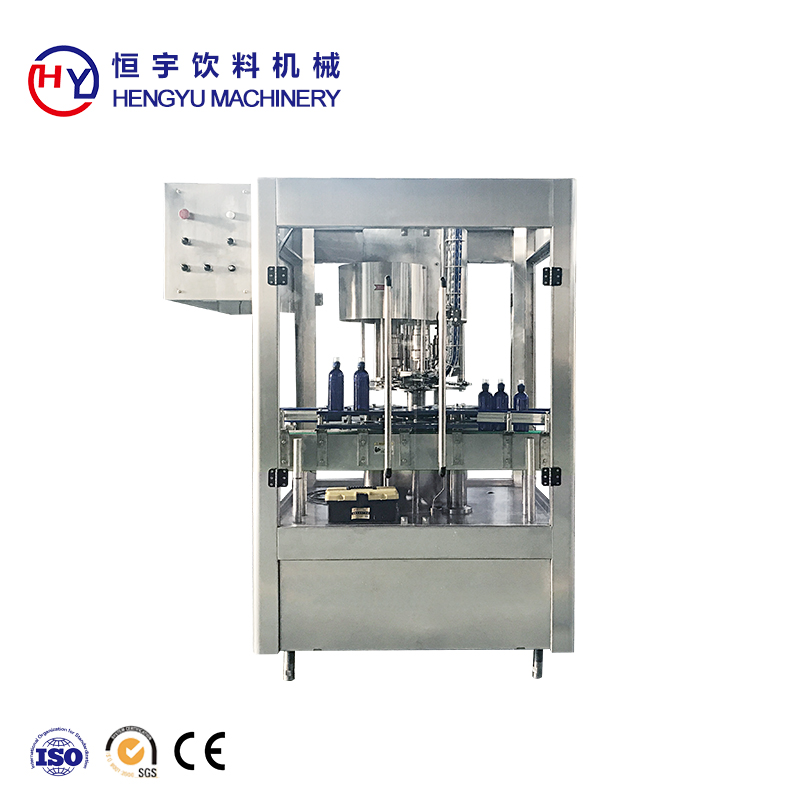
Professional Bottle Capping Machine Solutions - Automated Capping Equipment for Efficient Production

All Categories

bottle capping machine

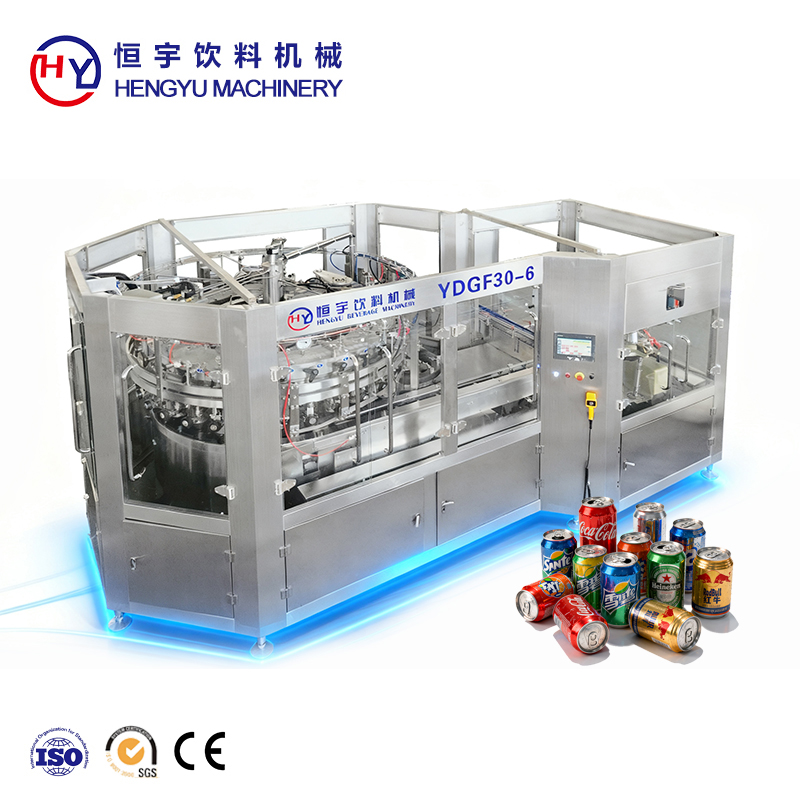
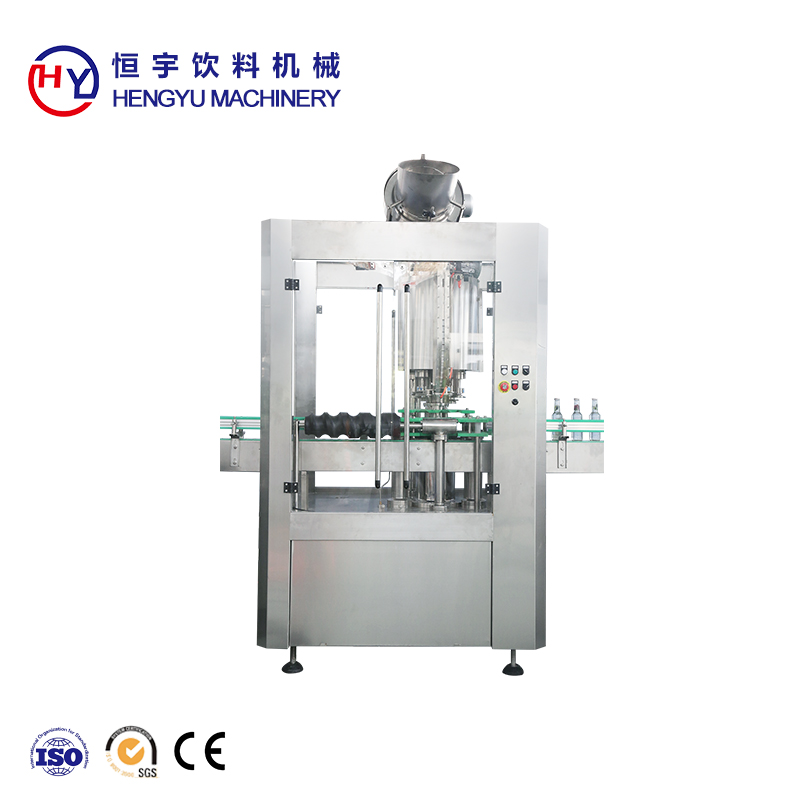
A bottle capping machine represents an essential piece of automated equipment designed to secure caps onto bottles efficiently and consistently across various production environments. This sophisticated machinery streamlines the capping process by automatically placing, tightening, and sealing caps onto containers of different shapes and sizes. Modern bottle capping machines integrate advanced control systems that ensure precise torque application, preventing both under-tightening that could compromise product integrity and over-tightening that might damage containers or caps. These machines accommodate multiple cap types including screw caps, snap-on caps, press-on caps, and specialized closures, making them versatile solutions for diverse manufacturing needs. The primary functions encompass automatic cap feeding, precise positioning, controlled application, and quality verification through integrated inspection systems. Technological features include programmable logic controllers that allow operators to adjust settings for different bottle specifications, servo-driven motors providing accurate torque control, and touch-screen interfaces offering intuitive operation and monitoring capabilities. Many contemporary models incorporate quick-changeover mechanisms enabling manufacturers to switch between different bottle sizes and cap styles with minimal downtime. The bottle capping machine finds widespread applications across numerous industries including beverages, pharmaceuticals, cosmetics, chemicals, food products, and personal care items. Production facilities ranging from small-scale operations to high-volume manufacturing plants rely on these machines to maintain consistent quality standards while maximizing throughput. Advanced sensors detect misaligned or missing caps, automatically rejecting defective products to maintain quality assurance throughout the production line. The integration capability with existing conveyor systems and other packaging equipment creates seamless production workflows. Whether processing glass bottles, plastic containers, or specialized packaging formats, the bottle capping machine delivers reliable performance that meets stringent industry regulations and safety standards while supporting sustainable manufacturing practices through reduced material waste and optimized resource utilization.

New Product Releases

Investing in a bottle capping machine transforms your production capabilities by delivering substantial time savings compared to manual capping operations. Workers no longer spend hours repetitively sealing bottles, freeing them to focus on tasks requiring human judgment and skill. The consistency achieved through automated capping eliminates the variations inherent in manual processes, ensuring every single bottle receives identical treatment regardless of production volume or shift changes. This uniformity directly translates to enhanced product quality and reduced customer complaints about leaking or improperly sealed containers. Your operation gains significant speed improvements, with modern machines capable of capping hundreds or even thousands of bottles per hour depending on the model selected. This throughput increase allows you to fulfill larger orders, meet tight deadlines, and respond quickly to market demand fluctuations without compromising quality standards. The precision torque control prevents product spoilage by creating perfect seals that maintain freshness and prevent contamination, which proves especially critical for beverages, pharmaceuticals, and food products with limited shelf life. You reduce material waste substantially because the machine applies caps correctly the first time, eliminating the damaged bottles and wasted caps that frequently occur with inconsistent manual application. Labor cost reductions represent another compelling advantage, as a single operator can supervise the machine while it performs work previously requiring multiple employees. The bottle capping machine operates reliably for extended periods with minimal maintenance requirements, providing dependable performance that keeps your production line moving without unexpected breakdowns. Flexibility stands out as a practical benefit since adjustable settings accommodate different bottle heights, diameters, and cap styles without purchasing entirely new equipment. Your facility maintains better workplace safety because workers avoid repetitive strain injuries associated with continuous manual capping motions. The professional appearance of uniformly capped products enhances your brand image and consumer confidence in your merchandise. Quick return on investment occurs as the efficiency gains and cost savings accumulate rapidly after installation. Modern machines integrate seamlessly with your existing production infrastructure, working alongside filling machines, labeling equipment, and packaging systems to create smooth operational flow. You gain competitive advantages by improving production capacity without expanding physical facilities or significantly increasing workforce size. The operational simplicity means training new staff becomes straightforward, reducing onboarding time and associated costs. Real-time monitoring features alert operators to potential issues before they escalate into serious problems, supporting proactive maintenance approaches that maximize uptime and equipment longevity while ensuring consistent output quality that satisfies customers and strengthens market position.

Tips And Tricks

How to Choose a Glass Bottle Filling Machine for Beverage Production

06

Mar

How to Choose a Glass Bottle Filling Machine for Beverage Production

Match Filling Technology to Beverage Type and Sensitivity Counter-Pressure Fillers for Carbonated Beverages and Beer Carbonated drinks like soda, sparkling water and beer need careful filling techniques to keep their fizz intact while avoiding exc...
View More
How Can Filling Machines Improve Beverage Production Speed

24

Mar

How Can Filling Machines Improve Beverage Production Speed

Filling Machine Type Determines Maximum Throughput Potential Gravity, Isobaric, and Piston Can Filling Machines: Speed vs. Precision Trade-offs Gravity fillers work well for delicate drinks such as juice, processing around 20 to 36 bottles every mi...
View More
Can Filling Machine Technology for Carbonated Beverages

20

Mar

Can Filling Machine Technology for Carbonated Beverages

Isobaric Filling Principles: How Can Filling Machines Preserve Carbonation Under Pressure The Physics of CO₂ Solubility and Why Counter-Pressure Is Non-Negotiable The way carbon dioxide dissolves in drinks basically follows what we call Henry's Law...
View More
Troubleshooting Can Filling Machine Production Issues

21

Mar

Troubleshooting Can Filling Machine Production Issues

Power, Control, and Electrical Faults in Can Filling Machines Machine won't power on: main supply, fuses, and emergency stop circuit checks If the can filling machine won't start at all, the first thing to do is check whether the main power supply ...
View More

Get a Free Quote

Our representative will contact you soon.
Email
Name
Phone/WhatsApp
Required Product
Message
0/1000

bottle capping machine

Exceptional Precision and Torque Control Technology

Exceptional Precision and Torque Control Technology

The advanced torque control system integrated into modern bottle capping machines represents a breakthrough in achieving perfect seal integrity across every single container processed. This sophisticated technology employs servo-driven motors coupled with precision sensors that continuously monitor and adjust the rotational force applied during cap installation. Unlike older pneumatic systems that provided limited control parameters, contemporary electronic torque management allows operators to program exact specifications down to fractional measurements, ensuring caps receive neither excessive force that could strip threads or crack containers nor insufficient tightening that permits leakage. The intelligent feedback mechanisms built into these systems detect variations in cap resistance as the closure engages with bottle threads, automatically compensating for minor inconsistencies in manufacturing tolerances that exist even in quality components. This adaptive capability proves invaluable when processing products with temperature-sensitive contents or materials that expand and contract under different conditions. The precision extends beyond simple tightening operations to encompass specialized applications such as tamper-evident bands that require controlled pressure to activate security features properly. Pharmaceutical manufacturers particularly value this exactness since regulatory compliance demands demonstrable consistency in packaging integrity, and documented torque specifications provide verifiable quality records. The technology accommodates various cap materials including aluminum, plastic, composite constructions, and specialized closures with liner materials requiring specific compression characteristics. Operators benefit from intuitive programming interfaces that store multiple recipes for different product lines, enabling instant changeovers without complex manual adjustments or time-consuming trial-and-error calibration. The system maintains consistent performance throughout extended production runs, eliminating the fatigue-related variations inherent in manual operations where worker attention naturally fluctuates over time. Quality assurance teams appreciate the detailed data logging capabilities that record every capping event, creating comprehensive production records supporting traceability requirements and facilitating continuous improvement initiatives. This precision technology directly impacts your bottom line by virtually eliminating rejected products due to capping defects, reducing warranty claims, and protecting brand reputation through consistently reliable packaging. The investment in superior torque control delivers measurable returns through decreased waste, improved customer satisfaction, and enhanced operational efficiency that compounds over years of reliable service.
Versatile Multi-Format Adaptability and Quick Changeover Systems

Versatile Multi-Format Adaptability and Quick Changeover Systems

Modern bottle capping machines excel at accommodating diverse production requirements through innovative multi-format capabilities that eliminate the traditional need for dedicated equipment for each container type. This versatility proves transformative for manufacturers producing varied product lines or anticipating future expansion into new packaging formats. The engineering behind these adaptable systems incorporates adjustable guides, modular components, and tool-free adjustment mechanisms that enable rapid transitions between different bottle sizes and cap styles. Production managers appreciate how quickly operators can reconfigure machines to handle containers ranging from small pharmaceutical vials to large beverage bottles, often completing format changes in minutes rather than hours. The design philosophy emphasizes accessibility, placing adjustment points at ergonomic locations with clear visual indicators that simplify the changeover process and minimize opportunities for errors. Memory functions store parameters for frequently used configurations, allowing operators to recall proven settings instantly rather than rediscovering optimal adjustments through experimentation. This capability becomes particularly valuable for contract packagers serving multiple clients with distinct specifications or companies launching seasonal products with limited production windows. The mechanical flexibility extends to cap diameter ranges, height variations, and even fundamentally different closure types including screw caps, snap caps, press-on lids, and specialty closures with unique engagement mechanisms. Strategic investments in versatile equipment protect against market uncertainty by providing options to pivot production focus as consumer preferences evolve or business opportunities emerge. The reduction in changeover time translates directly to increased production capacity since machines spend more time actively processing products rather than sitting idle during lengthy reconfiguration procedures. Maintenance requirements remain manageable despite the complexity because well-engineered designs incorporate durable components rated for millions of cycles and provide straightforward access to wear items requiring periodic replacement. The economic advantages multiply when considering the avoided capital expenditure of purchasing separate dedicated machines for each product format, along with the reduced floor space requirements of consolidating capabilities into versatile units. Small and medium-sized manufacturers gain particular benefits since limited budgets and facility constraints previously restricted their ability to offer diverse product portfolios, while this adaptability levels competitive playing fields against larger enterprises. Training efficiency improves as operators develop expertise on a single platform applicable across multiple products rather than learning completely different machines for various applications, building deeper operational knowledge that enhances troubleshooting capabilities and overall equipment effectiveness.
Integrated Quality Inspection and Automated Rejection Systems

Integrated Quality Inspection and Automated Rejection Systems

The incorporation of sophisticated inspection technologies within bottle capping machines represents a critical advancement in ensuring only properly sealed containers reach consumers while providing manufacturers with comprehensive quality documentation. These integrated systems employ multiple sensor types including optical cameras, laser measurement devices, and torque verification monitors that examine each capped bottle through various assessment criteria. Vision systems capture high-resolution images analyzing cap alignment, thread engagement quality, tamper-evident band activation, and closure surface conditions, detecting subtle defects invisible to human inspectors conducting manual spot checks. The inspection occurs at production speeds without slowing throughput, providing one hundred percent quality verification rather than statistical sampling approaches that inherently permit some defective units to pass undetected. Advanced image processing algorithms distinguish between genuine defects requiring rejection and harmless cosmetic variations within acceptable tolerances, minimizing false rejections that waste good product. When the system identifies non-conforming bottles, automated rejection mechanisms divert them from the main production stream through pneumatic pusher arms or air jets that gently redirect containers to collection bins without disrupting downstream equipment. This immediate removal prevents defective products from contaminating subsequent packaging operations or requiring costly rework procedures. The quality data generated by these inspection systems provides valuable insights into process performance, identifying trends that might indicate developing problems with cap feeders, gripper wear, or torque calibration drift before these issues cause significant production disruptions. Manufacturing quality managers utilize these analytics to demonstrate compliance with regulatory standards, support continuous improvement initiatives, and provide objective evidence during customer audits or certification reviews. The traceability capabilities prove invaluable for industries with stringent documentation requirements, as systems can link individual container inspection results to batch numbers, production timestamps, and operator identifications. The confidence gained from comprehensive inspection coverage allows companies to reduce or eliminate end-of-line manual inspection stations, reallocating personnel to higher-value activities while maintaining superior quality assurance. Consumer safety benefits directly since the multi-layered verification prevents improperly sealed products containing potentially contaminated or degraded contents from reaching store shelves. Brand protection represents another significant advantage as the consistent quality eliminates embarrassing retail recalls and negative social media attention resulting from packaging failures. The return on investment for integrated inspection technology manifests through reduced waste, decreased liability exposure, enhanced operational visibility, and strengthened customer relationships built on reliable product quality that meets expectations every single time.