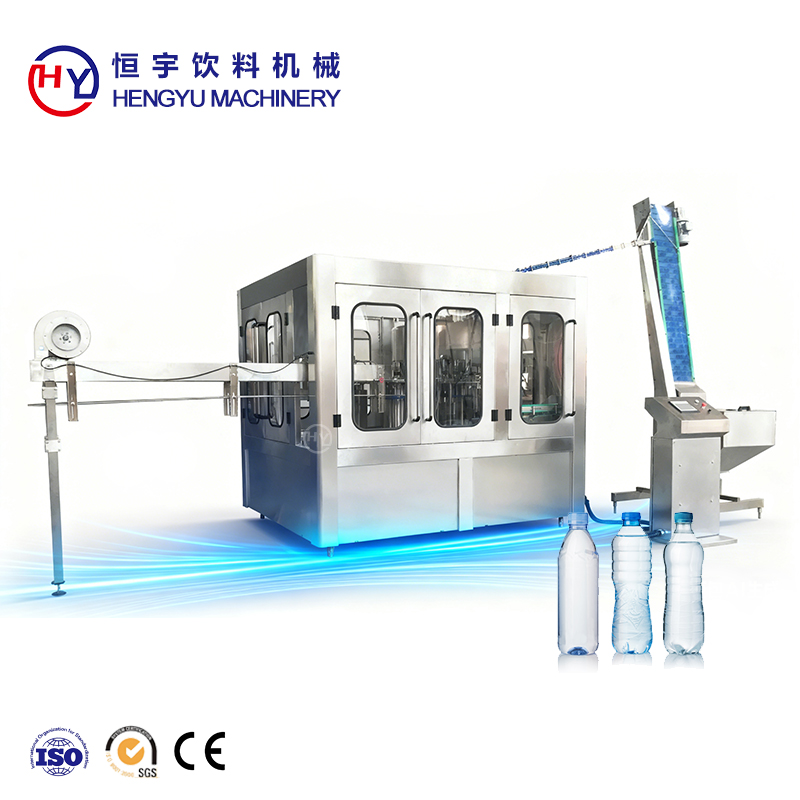
Water Filling Machine Solutions - High-Precision Automated Liquid Filling Equipment for Beverage and Industrial Production

All Categories

filling machine water

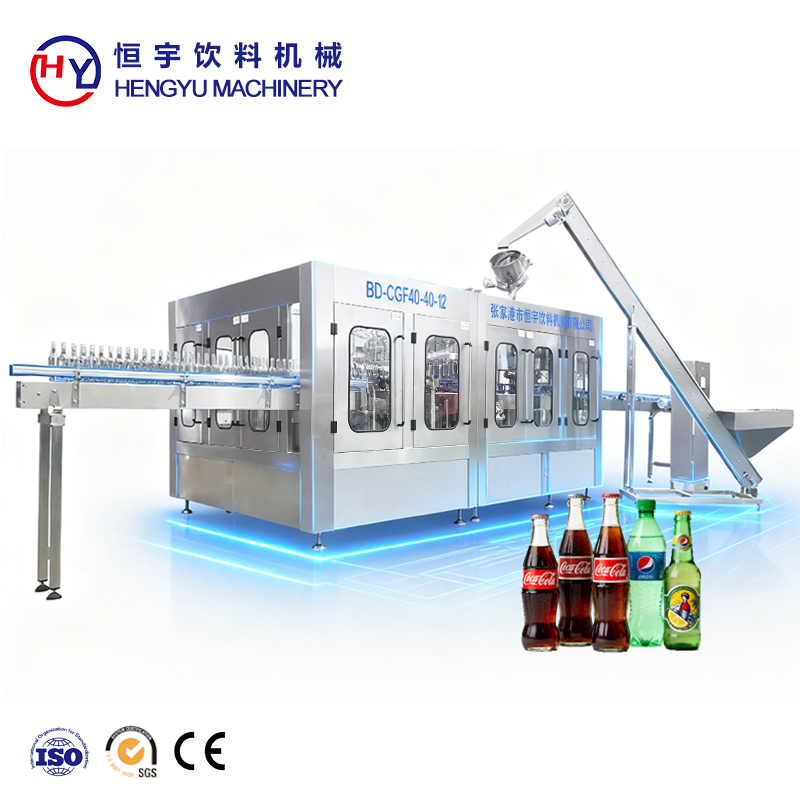
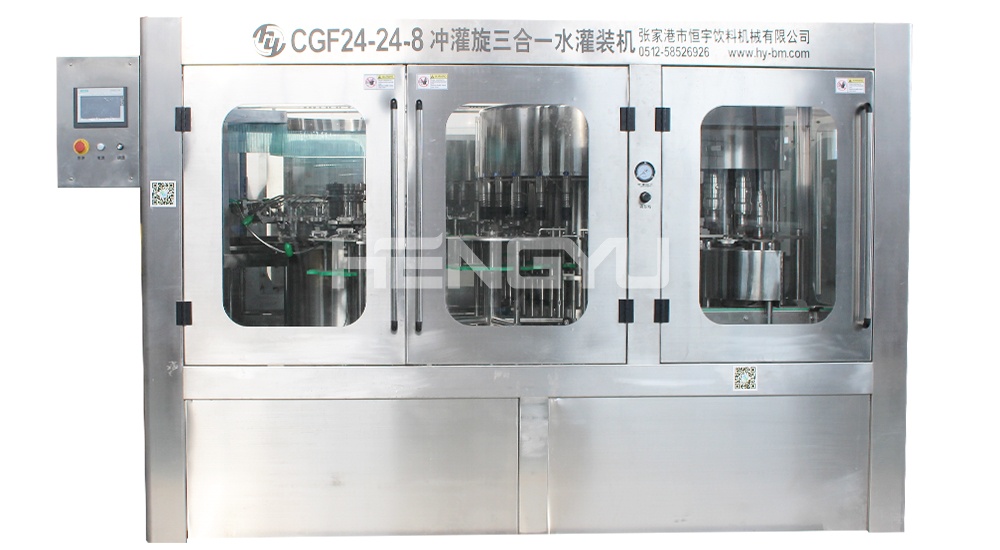
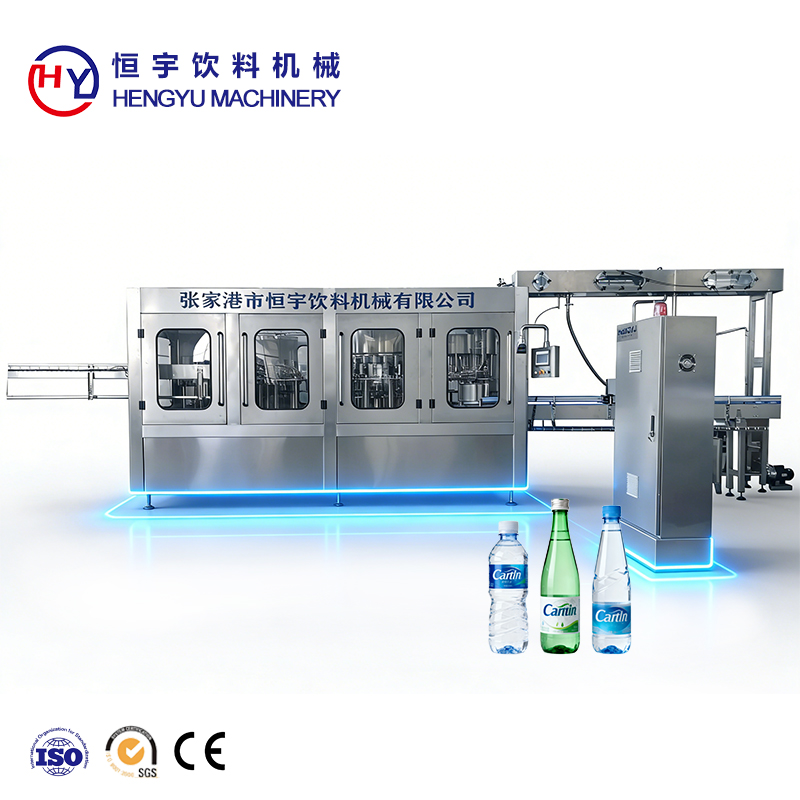
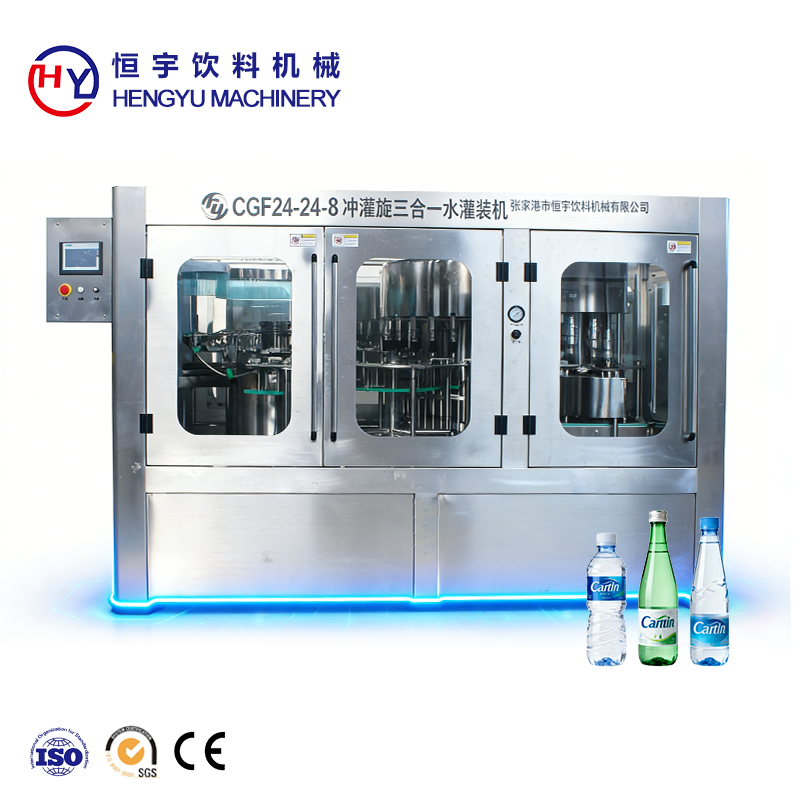
A filling machine water represents an essential piece of automated equipment designed specifically to fill liquid products into containers with precision and efficiency. This sophisticated machinery has become indispensable in various industries including beverage production, bottled water manufacturing, pharmaceutical packaging, and cosmetics production. The primary function of a filling machine water is to accurately dispense predetermined volumes of liquid into bottles, containers, or other packaging formats while maintaining consistent quality standards throughout the production process. These machines utilize advanced control systems that monitor flow rates, filling levels, and operational parameters to ensure every container receives the exact amount of product specified. Modern filling machine water systems incorporate multiple technological features including programmable logic controllers, touch-screen interfaces, and sensor-based monitoring systems that enable operators to adjust settings quickly and maintain optimal performance. The equipment typically consists of several key components such as product tanks, filling nozzles, conveyor systems, and capping mechanisms that work together seamlessly. Different filling technologies are employed depending on product characteristics, including gravity filling for thin liquids, pressure filling for carbonated beverages, and vacuum filling for products sensitive to oxidation. The versatility of filling machine water equipment allows manufacturers to handle various container sizes, shapes, and materials ranging from small bottles to large industrial containers. Applications extend across numerous sectors where liquid products require precise packaging, from mineral water and soft drinks to cleaning solutions and industrial chemicals. The integration of filling machine water systems into production lines significantly enhances operational efficiency, reduces labor costs, and minimizes product waste while ensuring compliance with stringent hygiene and safety regulations that govern food and beverage manufacturing.

New Products

Investing in a filling machine water delivers substantial benefits that directly impact your bottom line and operational success. First and foremost, these systems dramatically increase production speed compared to manual filling methods, allowing you to process thousands of containers per hour depending on the model specifications. This acceleration in throughput means you can fulfill larger orders faster, expand your market reach, and respond more effectively to seasonal demand fluctuations. The precision offered by automated filling machine water technology ensures that every container receives exactly the correct amount of product, eliminating overfilling that wastes valuable materials and underfilling that risks regulatory non-compliance and customer dissatisfaction. This accuracy translates directly into cost savings by reducing product giveaway and maximizing the number of units produced from each batch. Labor efficiency represents another significant advantage, as one operator can typically oversee a filling machine water system that would otherwise require multiple workers performing manual filling tasks. This workforce optimization allows you to redeploy human resources to other value-adding activities while reducing payroll expenses and minimizing the potential for repetitive strain injuries associated with manual filling operations. The consistency delivered by filling machine water equipment ensures uniform product quality across every production run, building customer trust and strengthening brand reputation. These machines also incorporate sanitary design principles that simplify cleaning and maintenance procedures, reducing downtime between production runs and ensuring compliance with food safety standards. Modern filling machine water systems offer exceptional flexibility, allowing quick changeovers between different container sizes and product types through simple adjustments rather than extensive retooling. This adaptability proves invaluable for businesses producing multiple product lines or seasonal variations. The automated nature of these systems minimizes human contact with products, reducing contamination risks and enhancing overall product safety. Additionally, filling machine water equipment generates valuable production data that helps you identify optimization opportunities, track efficiency metrics, and make informed decisions about capacity planning and process improvements. The initial investment in quality filling machine water technology pays dividends through reduced operational costs, increased production capacity, improved product quality, and enhanced competitiveness in demanding markets where efficiency and reliability determine success.

Latest News

How to Choose a Glass Bottle Filling Machine for Beverage Production

06

Mar

How to Choose a Glass Bottle Filling Machine for Beverage Production

Match Filling Technology to Beverage Type and Sensitivity Counter-Pressure Fillers for Carbonated Beverages and Beer Carbonated drinks like soda, sparkling water and beer need careful filling techniques to keep their fizz intact while avoiding exc...
View More
Troubleshooting Can Filling Machine Production Issues

21

Mar

Troubleshooting Can Filling Machine Production Issues

Power, Control, and Electrical Faults in Can Filling Machines Machine won't power on: main supply, fuses, and emergency stop circuit checks If the can filling machine won't start at all, the first thing to do is check whether the main power supply ...
View More
Can Filling Machine Capacity Planning Guide

22

Mar

Can Filling Machine Capacity Planning Guide

Understanding Can Filling Machine Capacity: Theory vs. Real-World Performance Why Theoretical Capacity Rarely Matches Effective Output on Can Filling Lines When companies talk about canning speed at 100 cans per minute, they're referring to what ha...
View More
Automation Technology in Can Sealing Machines

24

Mar

Automation Technology in Can Sealing Machines

How Automation Enhances Precision and Reliability in Can Sealing Machines Core Automation Components: Servo Drives, Vision Systems, and Closed-Loop Feedback in Modern Can Sealing Machines Today's can sealing equipment reaches incredible levels of p...
View More

Get a Free Quote

Our representative will contact you soon.
Email
Name
Phone/WhatsApp
Required Product
Message
0/1000

filling machine water

Advanced Precision Control Technology for Consistent Product Quality

Advanced Precision Control Technology for Consistent Product Quality

The heart of any superior filling machine water system lies in its precision control technology, which represents a fundamental differentiator between basic equipment and professional-grade solutions that deliver consistent results. Modern filling machine water systems incorporate sophisticated sensors and measurement devices that continuously monitor multiple parameters throughout the filling process, including flow rate, fill level, product temperature, and container positioning. These sensors communicate with programmable logic controllers that process information in real-time and make instantaneous adjustments to maintain optimal filling accuracy regardless of variations in product viscosity, temperature, or ambient conditions. The precision achieved by advanced filling machine water equipment typically maintains tolerances within plus or minus one percent of target fill volumes, ensuring regulatory compliance and eliminating costly product giveaway. This level of accuracy proves especially critical in industries where product costs are high or where regulations mandate strict volume controls, such as pharmaceutical manufacturing and premium beverage production. The control systems integrated into modern filling machine water equipment feature intuitive touch-screen interfaces that allow operators to program multiple filling recipes, adjust parameters for different container sizes, and monitor performance metrics without requiring specialized technical knowledge. These user-friendly interfaces reduce training time for new operators and minimize the potential for operator error that could compromise product quality or production efficiency. Many filling machine water systems now incorporate servo-driven mechanisms that provide superior control over filling speed and acceleration profiles compared to traditional pneumatic systems, resulting in gentler product handling that preserves product integrity and reduces foaming or splashing. The precision control technology also enables advanced features such as pre-fill purging to remove oxygen from containers before filling, multi-stage filling programs that accommodate products with different phases or layers, and automatic adjustment systems that compensate for variations in product supply pressure. Quality filling machine water equipment includes comprehensive monitoring and diagnostic capabilities that alert operators to potential issues before they impact production, track machine performance over time, and provide detailed production reports for quality assurance documentation. This technological sophistication translates into measurable business benefits including reduced product waste, lower reject rates, enhanced brand protection through consistent quality, and the ability to meet demanding customer specifications that differentiate your products in competitive markets.
Versatile Design for Multiple Container Formats and Product Types

Versatile Design for Multiple Container Formats and Product Types

The versatility built into modern filling machine water systems represents a crucial advantage for businesses seeking to maximize their equipment investment and adapt quickly to changing market demands. Unlike rigid, single-purpose machines that limit your production flexibility, quality filling machine water equipment incorporates modular design principles and adjustable components that accommodate a wide range of container sizes, shapes, and materials without requiring extensive reconfiguration or costly changeover procedures. This adaptability proves essential in today's dynamic marketplace where consumer preferences shift rapidly and product diversification becomes necessary for competitive success. A well-designed filling machine water system can typically handle containers ranging from small bottles of a few ounces to large containers exceeding several gallons, with quick-change components that enable transitions between different formats in minutes rather than hours. This flexibility extends to container materials as well, with filling machine water equipment capable of working with glass bottles, PET plastic containers, HDPE jugs, metal cans, and flexible pouches depending on the specific machine configuration. The nozzle designs incorporated into advanced filling machine water systems accommodate different product characteristics, from thin, water-like liquids to thicker products with moderate viscosity, ensuring optimal filling performance across your entire product portfolio. Many filling machine water models offer multiple filling heads that can be configured independently, allowing simultaneous production of different products or container sizes to maximize line efficiency and reduce changeover frequency. The conveyor systems integrated with filling machine water equipment feature adjustable guides and spacing mechanisms that accommodate various container footprints while maintaining stable transport throughout the filling process. This versatility extends to integration capabilities as well, with modern filling machine water systems designed to work seamlessly with upstream and downstream equipment including rinsing machines, capping systems, labeling equipment, and case packing machinery. The modular nature of quality filling machine water equipment means you can start with a basic configuration that meets your current production requirements and expand capabilities over time by adding components such as additional filling heads, automated container handling systems, or advanced quality control devices. This scalability protects your initial investment while providing a clear upgrade path as your business grows. The ability to handle multiple products and container formats with a single filling machine water system reduces capital equipment requirements, minimizes floor space needs, and simplifies maintenance by consolidating spare parts inventory and technical expertise requirements around fewer equipment platforms.
Hygienic Construction and Easy Maintenance for Sanitary Production

Hygienic Construction and Easy Maintenance for Sanitary Production

The sanitary design and maintenance accessibility incorporated into professional filling machine water equipment represents a critical factor that directly impacts product safety, regulatory compliance, and long-term operational costs. Quality filling machine water systems feature construction materials and design principles specifically selected to meet stringent hygiene requirements while facilitating thorough cleaning between production runs. Stainless steel fabrication predominates in product contact areas, providing corrosion resistance, durability, and smooth surfaces that prevent bacterial harboring and simplify sanitation procedures. The design philosophy behind superior filling machine water equipment emphasizes accessibility, with components arranged to allow easy inspection, cleaning, and maintenance without requiring extensive disassembly or specialized tools. Filling nozzles, product pathways, and tank interiors feature smooth, crevice-free construction that eliminates dead spaces where product residue could accumulate and compromise hygiene. Many filling machine water systems incorporate Clean-In-Place capabilities that enable automated cleaning cycles using specialized detergents and sanitizers, dramatically reducing downtime between production runs and ensuring consistent sanitation effectiveness. These automated cleaning systems circulate cleaning solutions through all product contact surfaces, maintaining predetermined temperatures and contact times that meet validated sanitation protocols without requiring manual intervention. The CIP functionality integrated into modern filling machine water equipment not only improves hygiene but also reduces water consumption, chemical usage, and labor costs compared to manual cleaning procedures. Maintenance accessibility represents another key advantage of well-designed filling machine water systems, with wear components such as seals, gaskets, and o-rings positioned for quick replacement without requiring complete machine teardown. The mechanical simplicity incorporated into quality filling machine water equipment reduces the number of potential failure points and simplifies troubleshooting when issues arise, minimizing unplanned downtime that disrupts production schedules. Preventive maintenance procedures for filling machine water systems typically involve straightforward tasks such as lubrication, seal inspection, and calibration verification that maintenance personnel can complete quickly using standard tools and basic technical training. Many manufacturers provide comprehensive documentation including maintenance schedules, parts diagrams, and troubleshooting guides that empower your maintenance team to keep filling machine water equipment operating at peak performance. The sanitary construction and ease of maintenance built into professional filling machine water systems directly contribute to consistent product quality, extended equipment lifespan, reduced total cost of ownership, and peace of mind knowing that your production processes meet the highest standards for food safety and regulatory compliance.