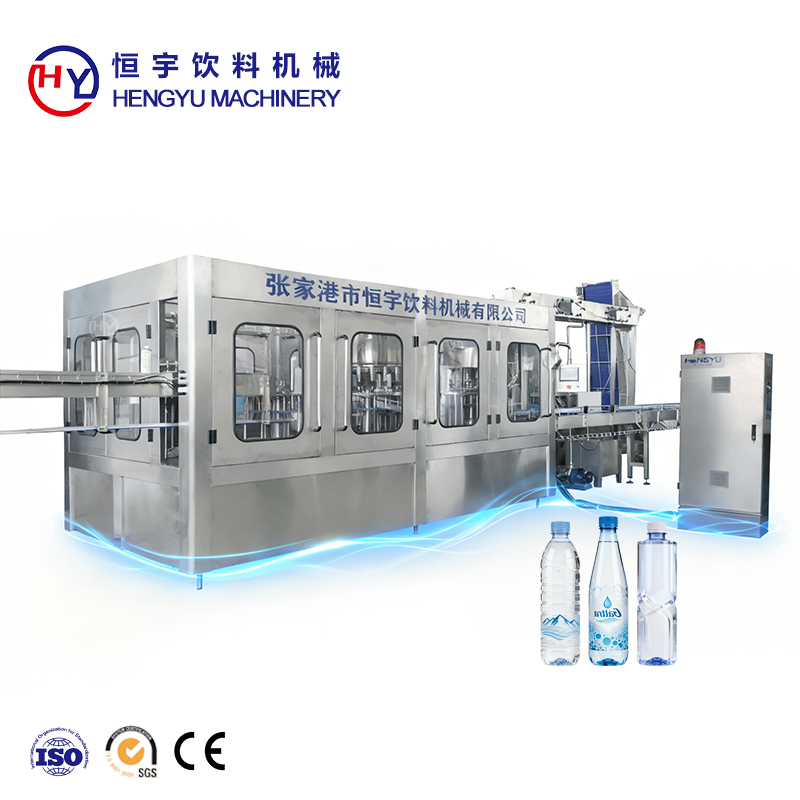
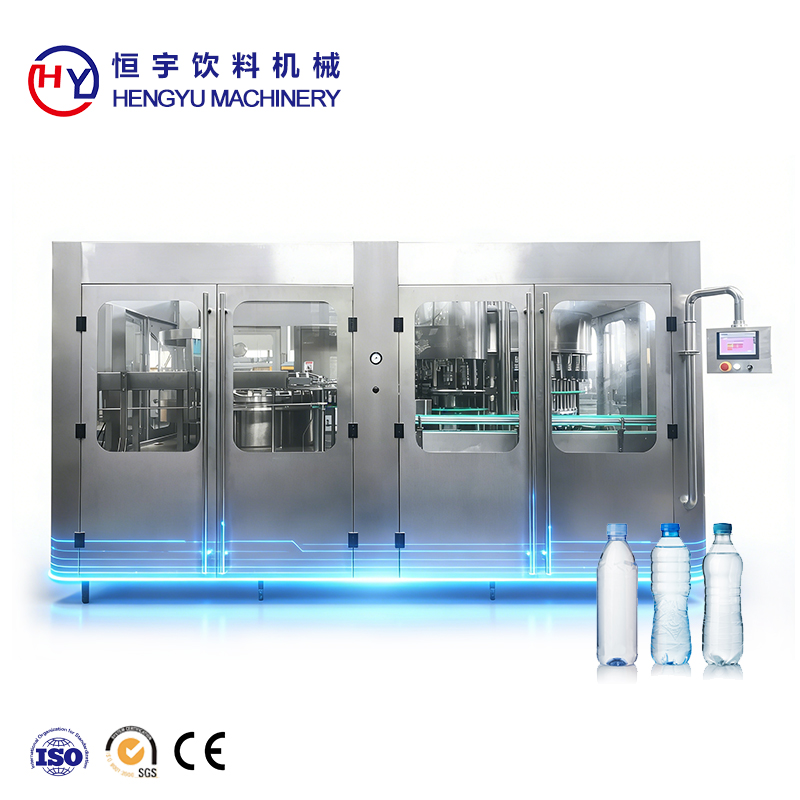
Fully Automatic Water Bottle Filling Machine - Advanced Bottling Solutions for High-Volume Production

All Categories

fully automatic water bottle filling machine

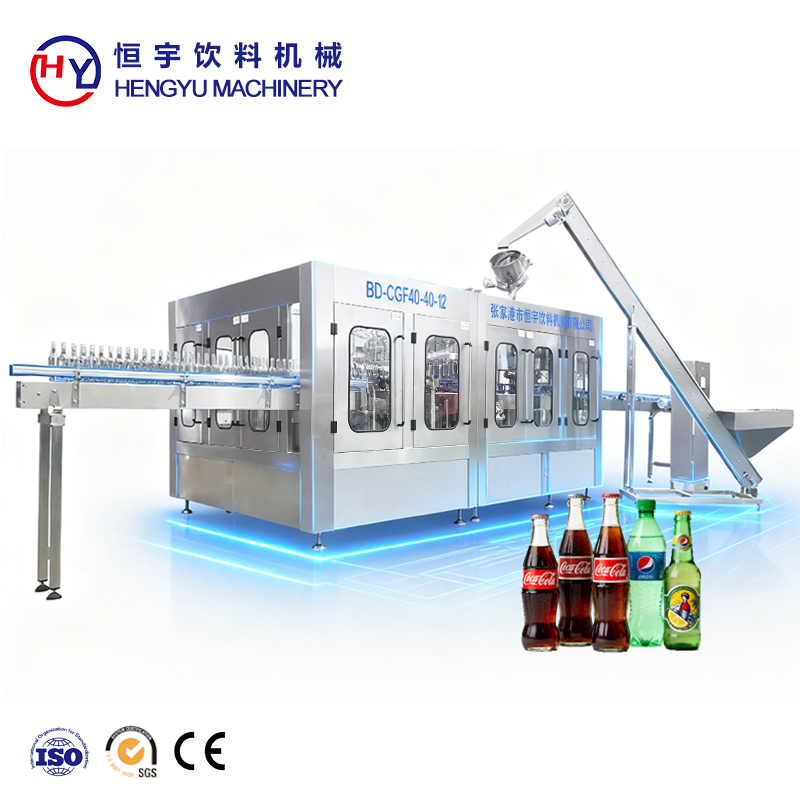
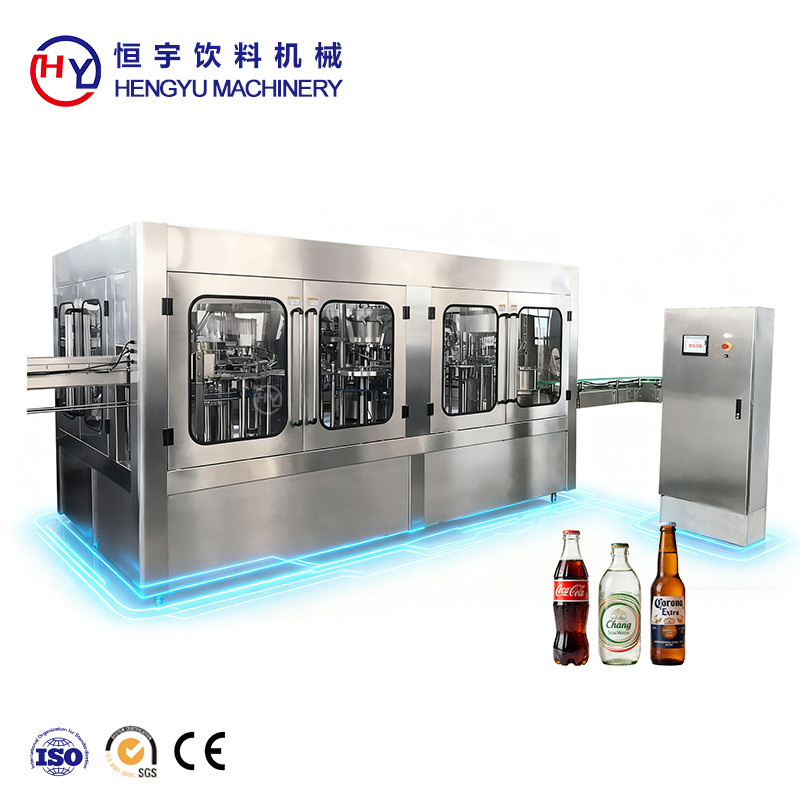
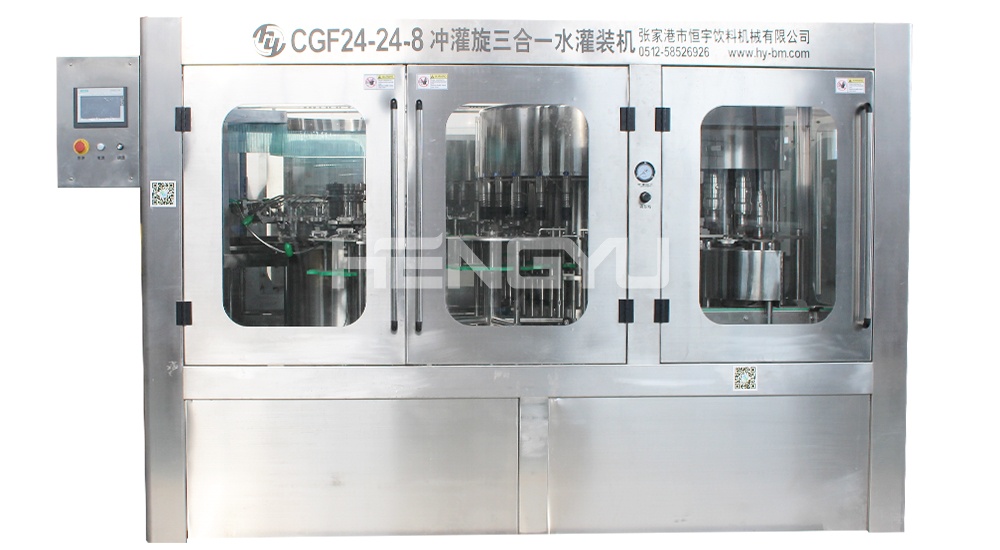
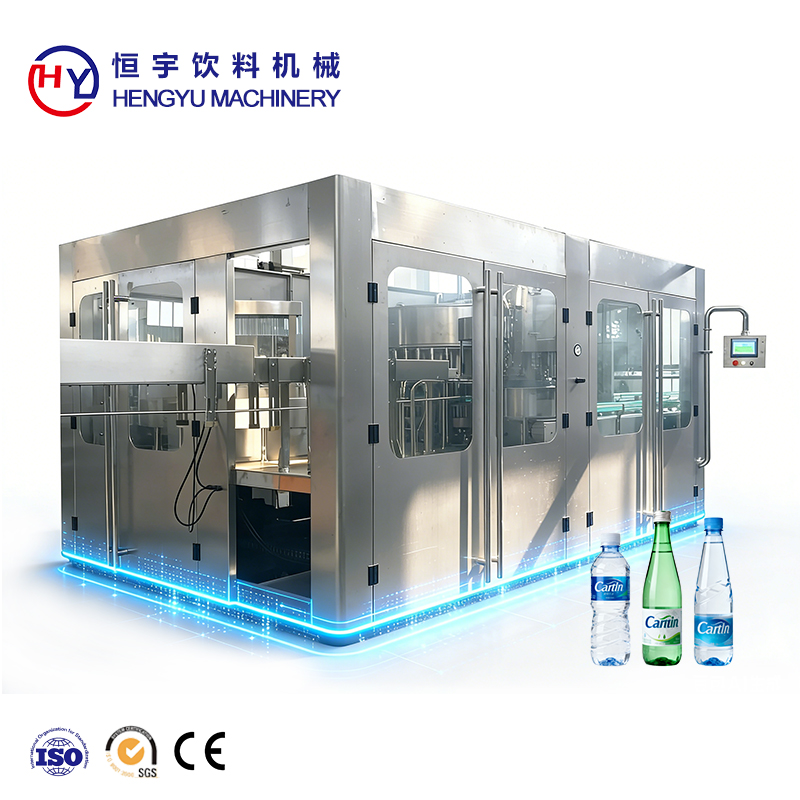
A fully automatic water bottle filling machine represents a sophisticated industrial solution designed to streamline beverage production processes with minimal human intervention. This advanced equipment integrates multiple operational stages into one seamless system, including bottle rinsing, filling, capping, labeling, and coding. The machine employs precision engineering to ensure consistent product quality while maximizing production efficiency. Modern fully automatic water bottle filling machines utilize programmable logic controllers and touch-screen interfaces that allow operators to monitor and adjust parameters in real-time. These systems can accommodate various bottle sizes ranging from small 200ml containers to large 5-gallon jugs, making them versatile for different market demands. The filling technology incorporates advanced sensors and flow meters that guarantee accurate liquid measurement, preventing overfilling or underfilling that could lead to product waste or customer dissatisfaction. The main functions of a fully automatic water bottle filling machine include automated bottle feeding through conveyor systems, high-pressure rinsing to eliminate contaminants, precise volumetric or gravity-based filling mechanisms, secure cap application with torque control, and automated quality inspection systems. Technological features encompass stainless steel construction for hygiene compliance, servo-driven motors for precise movement control, anti-drip nozzles to maintain cleanliness, and automatic changeover systems that reduce downtime between different product runs. Applications span across multiple industries including packaged drinking water production, mineral water bottling, flavored beverage manufacturing, pharmaceutical liquid packaging, and chemical product filling. The fully automatic water bottle filling machine proves essential for businesses seeking to scale operations while maintaining stringent quality standards and reducing labor costs associated with manual bottling processes.

New Product Releases

The fully automatic water bottle filling machine delivers substantial operational benefits that directly impact your bottom line and production capabilities. First and foremost, these machines dramatically increase production speed compared to manual or semi-automatic alternatives. While traditional methods might handle hundreds of bottles per hour, a fully automatic water bottle filling machine can process thousands, enabling businesses to meet growing market demands without proportionally increasing labor costs. This speed advantage translates to faster order fulfillment and improved customer satisfaction. The consistency and precision offered by these systems eliminate human error from the equation. Every bottle receives exactly the same fill level, cap tightness, and label placement, ensuring brand uniformity that builds consumer trust. This standardization reduces product recalls and complaints that could damage your reputation. From a financial perspective, the fully automatic water bottle filling machine significantly lowers per-unit production costs. Although the initial investment appears substantial, the reduction in labor requirements, decreased material waste, and improved energy efficiency create rapid return on investment. Many businesses recover their equipment costs within 18 to 24 months of operation. The hygiene standards maintained by these machines exceed what manual processes can achieve. Stainless steel components resist corrosion and bacterial growth, while automated cleaning cycles eliminate cross-contamination risks. This sanitary environment proves critical for businesses serving health-conscious consumers or operating under strict regulatory oversight. Operational flexibility represents another major advantage. A single fully automatic water bottle filling machine can switch between different bottle sizes and product formulations with minimal adjustment time. This adaptability allows businesses to diversify their product lines without purchasing multiple specialized machines. The reduced physical demands on workers improve workplace safety and employee satisfaction. By eliminating repetitive manual tasks, businesses lower injury rates and associated workers' compensation costs. The sophisticated monitoring systems built into these machines provide real-time production data that helps managers identify bottlenecks, predict maintenance needs, and optimize workflows. This data-driven approach enables continuous improvement that keeps operations competitive in evolving markets. Environmental benefits also deserve recognition, as precise filling reduces water waste and efficient motors consume less electricity than running multiple manual stations. These sustainability improvements appeal to eco-conscious consumers and may qualify businesses for green certifications that open new market opportunities.

Latest News

How to Choose a Glass Bottle Filling Machine for Beverage Production

06

Mar

How to Choose a Glass Bottle Filling Machine for Beverage Production

Match Filling Technology to Beverage Type and Sensitivity Counter-Pressure Fillers for Carbonated Beverages and Beer Carbonated drinks like soda, sparkling water and beer need careful filling techniques to keep their fizz intact while avoiding exc...
View More
Increasing Capacity in Bottled Water Production Lines

09

Mar

Increasing Capacity in Bottled Water Production Lines

Diagnosing Bottlenecks in Your Bottled Water Production Line Measuring Throughput Gaps: Bottling Speed, Changeover Time, and OEE Analysis To get a handle on where production is falling short, look at three key performance indicators. Start by compa...
View More
How Bottled Water Production Lines Maintain Product Safety

12

Mar

How Bottled Water Production Lines Maintain Product Safety

Regulatory Foundations and the Multi-Barrier Safety Framework FDA, EPA, and ISO Standards Specific to Bottled Water Production Lines The bottled water industry works within a pretty strict set of regulations. The FDA has these things called Good Ma...
View More
Can Sealing Machine Maintenance Tips

23

Mar

Can Sealing Machine Maintenance Tips

Daily and Weekly Preventive Maintenance for Your Can Sealing Machine Essential Daily Checks: Belt Tension, Sealing Bar Alignment, and Tape Head Cleanliness Starting every shift with a quick check on belt tension makes all the difference. If belts a...
View More

Get a Free Quote

Our representative will contact you soon.
Email
Name
Phone/WhatsApp
Required Product
Message
0/1000

fully automatic water bottle filling machine

Advanced Precision Filling Technology Ensures Zero Waste Production

Advanced Precision Filling Technology Ensures Zero Waste Production

The fully automatic water bottle filling machine incorporates cutting-edge precision filling technology that revolutionizes how beverages reach consumers while eliminating costly production waste. At the heart of this capability lies an integrated system of electromagnetic flow meters and servo-controlled filling valves that measure liquid volume with accuracy down to 0.5 milliliters. This exceptional precision means every bottle contains exactly the amount promised on its label, maintaining regulatory compliance while preventing the giveaway that occurs when products are systematically overfilled as a safety margin. The technology adapts instantly to variations in bottle positioning, liquid temperature, and environmental pressure, automatically compensating to maintain consistent fill levels regardless of external conditions. The filling nozzles feature innovative anti-drip designs with spring-loaded seals that prevent liquid from escaping between filling cycles, keeping the production area clean and reducing sanitization requirements. The fully automatic water bottle filling machine employs multiple filling heads working simultaneously, each independently controlled to accommodate bottles of different sizes moving through the same production line. This parallel processing capability dramatically increases throughput while the individual control prevents one malfunctioning head from stopping the entire operation. The system continuously monitors filling performance through optical sensors that detect underfilled or overfilled bottles, automatically diverting defective products to a rejection station before they reach the capping stage. This quality control integration saves businesses from discovering problems only after products have been sealed and labeled, which would require complete reworking. The precision technology extends to the foam control systems that prevent excessive bubbling during high-speed filling of carbonated beverages, maintaining product integrity and preventing overflow. Temperature-controlled filling jackets maintain liquid at optimal temperatures for different product types, ensuring that viscosity remains consistent throughout extended production runs. The sophisticated programming allows operators to store multiple recipes with specific parameters for different products, enabling rapid changeovers accomplished through simple touchscreen selections rather than manual mechanical adjustments. This precision-driven approach transforms raw materials into finished products with unprecedented efficiency, directly improving profit margins through waste reduction while simultaneously enhancing product quality that strengthens brand reputation in competitive markets.
Intelligent Automation Reduces Labor Costs While Improving Safety Standards

Intelligent Automation Reduces Labor Costs While Improving Safety Standards

The intelligent automation integrated into every fully automatic water bottle filling machine fundamentally transforms workforce requirements and workplace safety dynamics in bottling operations. Traditional manual bottling requires multiple workers stationed at different points along the production line, each performing repetitive tasks that carry ergonomic risks and efficiency limitations based on human fatigue and attention spans. The automated system consolidates these functions into a self-managing process requiring only supervisory oversight rather than constant hands-on involvement. The machine's programmable logic controller coordinates all mechanical functions through sophisticated algorithms that optimize movement patterns, minimize energy consumption, and predict component wear before failures occur. This predictive maintenance capability stems from embedded sensors that continuously monitor motor temperatures, vibration patterns, pressure fluctuations, and cycle counts, alerting operators to potential issues during scheduled downtime rather than during critical production runs. The fully automatic water bottle filling machine features comprehensive safety interlocks that immediately halt operations if guards are opened, bottles jam, or any parameter exceeds safe thresholds, protecting both workers and equipment from damage. The elimination of manual bottle handling removes the primary source of workplace injuries in bottling facilities, including repetitive strain injuries from lifting, cuts from broken glass or sharp plastic, and exposure to cleaning chemicals. The enclosed design contains any spills or breakage within the machine structure, preventing slip hazards on the production floor. The touchscreen interface provides intuitive control that requires minimal training compared to the specialized skills needed for manual bottling operations, allowing businesses to cross-train employees and maintain operational flexibility despite staffing changes. The automation extends to the changeover process where mechanical adjustments that previously required skilled technicians wielding wrenches and measuring tools now occur through servo-driven positioning systems that execute precise movements at the touch of a button. This democratization of technical capabilities means businesses no longer depend on a few highly specialized employees whose absence can halt production. The system's data logging capabilities create detailed production records automatically, eliminating the manual paperwork that consumed worker time while providing more accurate information for quality audits and process optimization. The reduced labor requirements translate directly to lower operational costs, with many facilities reducing their bottling line staffing by 60 to 70 percent after implementing fully automatic systems, redirecting those workers to value-added activities like quality analysis, product development, or customer service that contribute more strategically to business growth.
Versatile Configuration Options Accommodate Growing Business Needs

Versatile Configuration Options Accommodate Growing Business Needs

The versatile configuration capabilities built into modern fully automatic water bottle filling machines provide businesses with adaptable solutions that grow alongside changing market demands and production requirements. Unlike fixed-purpose equipment that becomes obsolete as product lines evolve, these machines feature modular designs that accommodate expansion and modification without requiring complete system replacement. The bottle handling system accepts containers ranging from small single-serve 250ml bottles to large multi-gallon formats through adjustable guide rails and gripper mechanisms that reposition automatically when operators select different product recipes from the control interface. This flexibility proves invaluable for businesses testing new product sizes or seasonal variations without committing to dedicated equipment for each format. The fully automatic water bottle filling machine can integrate with various upstream and downstream equipment including blow molding machines that create bottles on-site, label applicators that handle shrink sleeves or pressure-sensitive labels, case packers that organize finished products for distribution, and palletizers that prepare shipment-ready loads. This integration capability allows businesses to build comprehensive production lines customized to their specific workflows and space constraints. The filling technology itself offers multiple operational modes including gravity filling for thin liquids like water, pressure filling for carbonated beverages requiring CO2 retention, piston filling for viscous products like syrups, and vacuum filling for sensitive materials requiring minimal air exposure. Many machines can switch between these modes through software configuration rather than mechanical replacement, providing extraordinary operational versatility. The construction quality ensures compatibility with various product types including acidic juices that corrode lesser materials, oily supplements that require specialized cleaning, and temperature-sensitive formulations that demand climate-controlled environments. The fully automatic water bottle filling machine accommodates future technological advances through upgradable control systems and expandable input-output modules that connect to emerging Industry 4.0 technologies like cloud-based production monitoring, artificial intelligence quality inspection systems, and blockchain traceability platforms. The modular design allows businesses to start with basic configurations focused on core filling and capping functions, then incrementally add labeling stations, date coding units, quality inspection cameras, and other capabilities as production volumes and profit margins justify the additional investment. This staged investment approach reduces initial capital requirements while ensuring the equipment remains relevant throughout its operational lifespan. The standardized component interfaces mean that replacement parts and upgrades source from multiple suppliers rather than locking businesses into proprietary systems with monopolistic pricing, protecting long-term operational economics while ensuring maintenance support remains available even as manufacturers evolve their product portfolios.