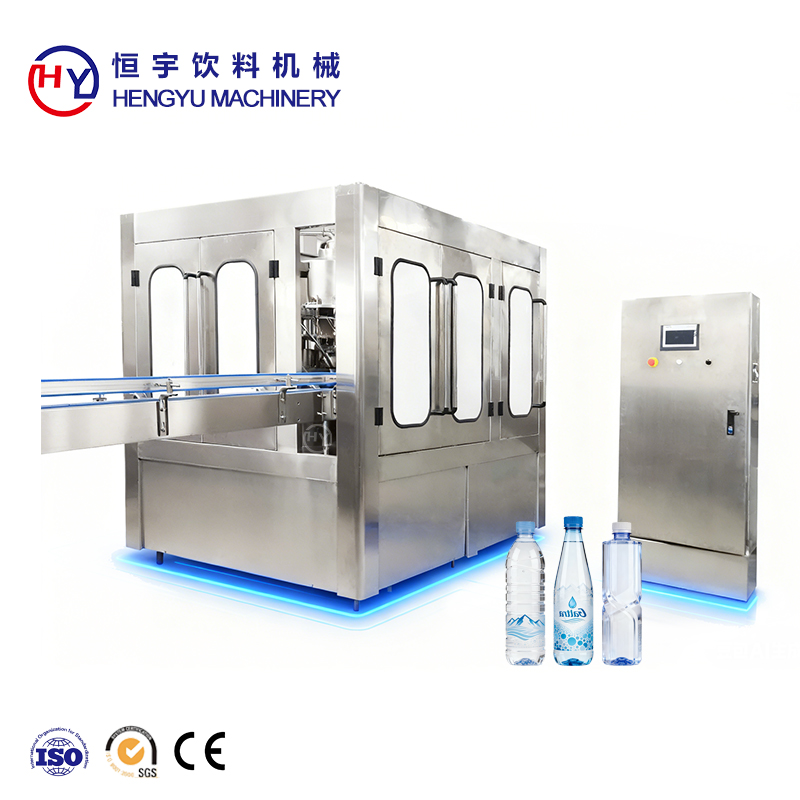
Auto Water Filling Machine - Advanced Bottling Solutions for Efficient Production

All Categories

auto water filling machine

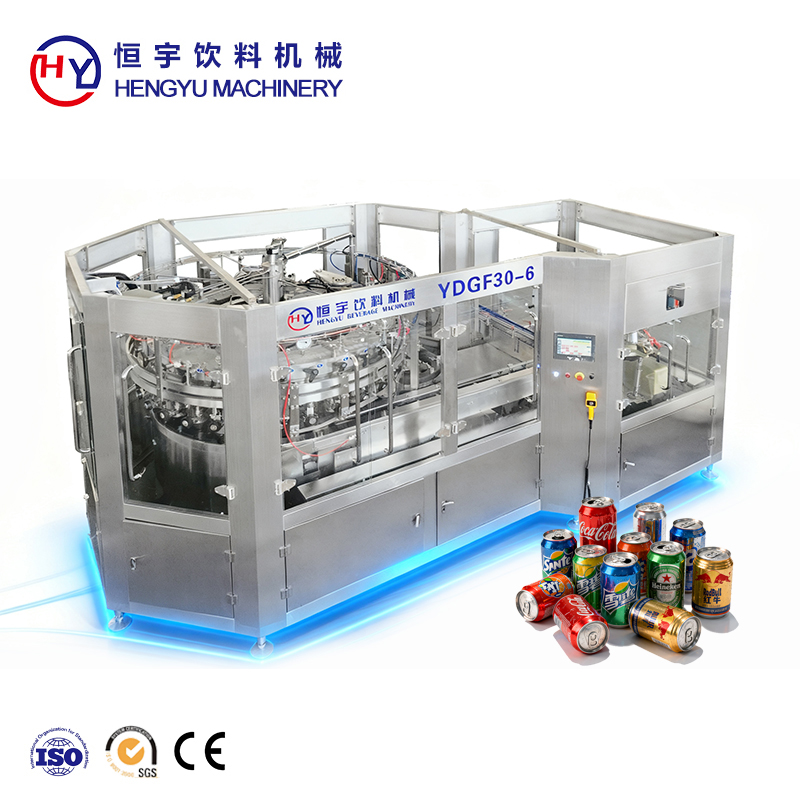
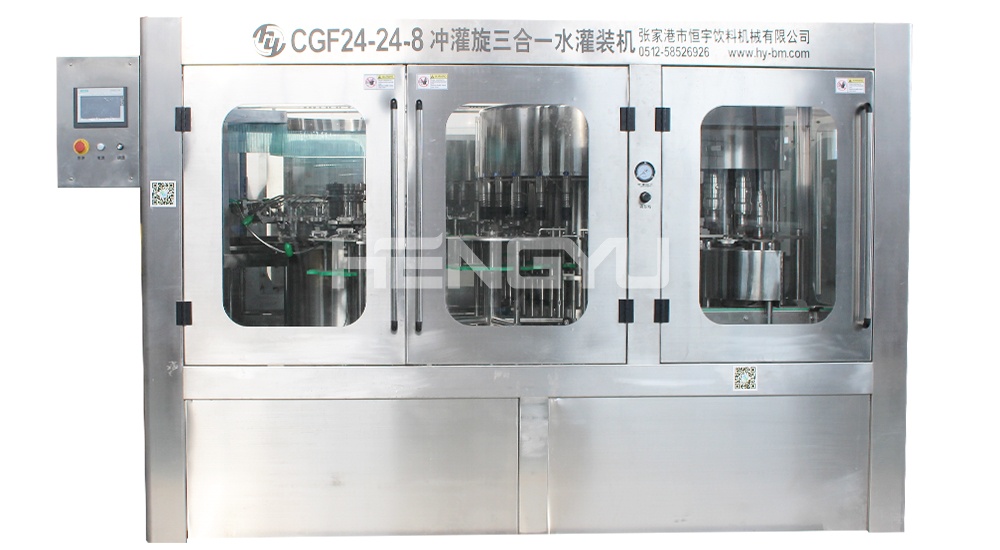
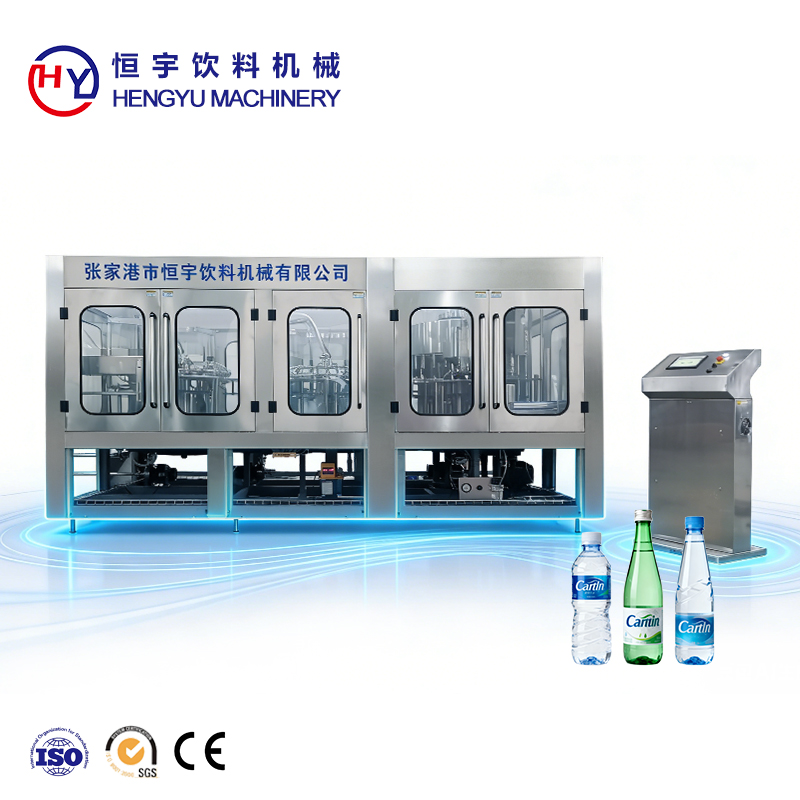
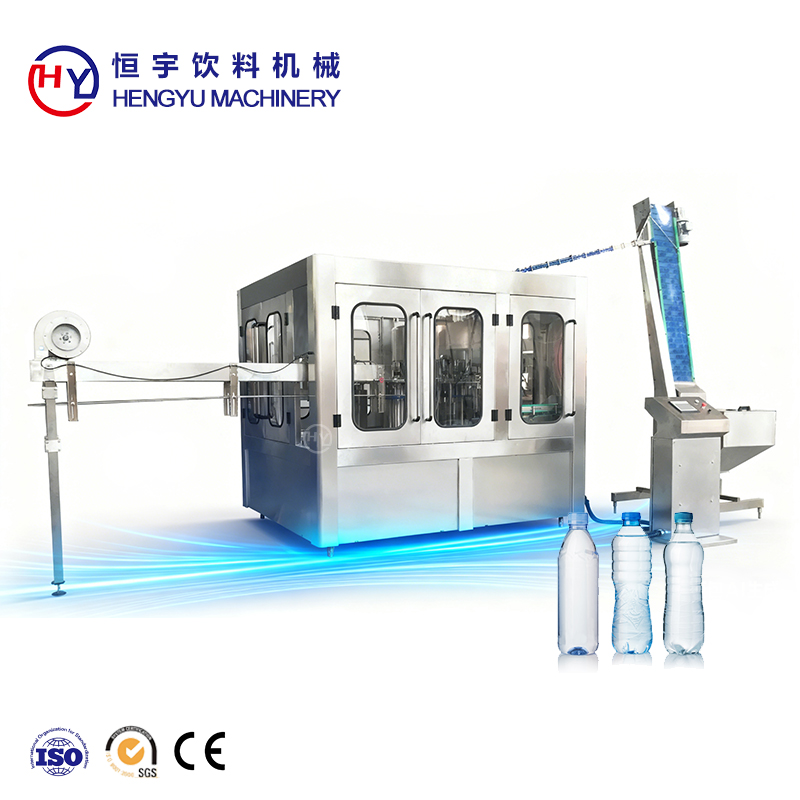
An auto water filling machine represents a sophisticated packaging solution designed to streamline the bottling process for water and various beverages. This automated equipment efficiently handles the complete filling operation, from bottle positioning to precise liquid dispensing and capping. Modern auto water filling machines integrate advanced control systems that monitor every stage of production, ensuring consistent quality and minimal waste. These machines accommodate different bottle sizes and shapes, making them versatile solutions for businesses ranging from small startups to large-scale manufacturing facilities. The core functionality revolves around automated conveyors that transport empty containers through multiple stations where they undergo rinsing, filling, and sealing operations. Precision sensors detect bottle presence and position, triggering the filling nozzles to dispense exact volumes of water. The technology behind these systems includes programmable logic controllers that manage timing sequences, flow rates, and operational parameters. Many contemporary models feature touchscreen interfaces that simplify operation and adjustment processes. The auto water filling machine maintains sanitary conditions through stainless steel construction and easy-clean designs that meet food safety standards. Production capacity varies significantly across different models, with some handling hundreds of bottles per hour while industrial versions process thousands. The machinery typically includes safety features such as emergency stops, protective guards, and automatic shutdown mechanisms when irregularities occur. Integration capabilities allow these machines to connect with labeling equipment, packaging systems, and quality control devices, creating comprehensive production lines. Energy efficiency has become a priority in recent designs, with manufacturers implementing power-saving modes and optimized mechanical systems. The auto water filling machine serves as the cornerstone of beverage production operations, delivering reliability and performance that directly impact profitability and product quality.

New Product Releases

Investing in an auto water filling machine delivers substantial benefits that transform production capabilities and business outcomes. First and foremost, these machines dramatically increase production speed compared to manual filling methods. Where human workers might fill dozens of bottles per hour, an auto water filling machine processes hundreds or thousands in the same timeframe, multiplying output without proportionally increasing labor costs. This acceleration enables businesses to meet growing demand and capitalize on market opportunities quickly. Precision stands as another critical advantage, with computerized systems ensuring every bottle receives the exact specified volume. This accuracy eliminates product giveaway where overfilling wastes expensive liquid, while preventing underfilling that could trigger regulatory issues or customer dissatisfaction. The consistency achieved by an auto water filling machine builds brand reputation and reduces costly recalls or complaints. Labor cost reduction represents a significant economic benefit, as automation decreases dependence on manual workforce for repetitive tasks. Employees can redirect their efforts toward quality control, machine supervision, and higher-value activities rather than standing at filling stations. This reallocation improves job satisfaction while optimizing human resource utilization. Contamination risks drop substantially when an auto water filling machine handles production, as sealed systems minimize human contact with the product. Stainless steel components and automated cleaning cycles maintain hygienic conditions that protect consumer health and ensure compliance with stringent safety regulations. Flexibility proves valuable as businesses grow and diversify their product lines. Modern machines adjust to different bottle formats through simple changeover procedures, accommodating various sizes and shapes without requiring entirely new equipment investments. This adaptability protects capital investments and supports business evolution. Operational consistency delivered by an auto water filling machine means production runs maintain uniform quality regardless of shift changes or operator variations. The machinery performs identically hour after hour, eliminating the fatigue factor that affects human workers. Reduced spillage and waste contribute to better profit margins, as automated systems handle bottles gently and dispense liquids precisely. Long-term reliability of quality auto water filling machine models ensures years of dependable service with proper maintenance, spreading the initial investment across extended productive lifespans. The data collection capabilities embedded in modern systems provide valuable production insights, tracking output rates, downtime causes, and efficiency metrics that inform management decisions and continuous improvement initiatives.

Latest News

How to Choose a Glass Bottle Filling Machine for Beverage Production

06

Mar

How to Choose a Glass Bottle Filling Machine for Beverage Production

Match Filling Technology to Beverage Type and Sensitivity Counter-Pressure Fillers for Carbonated Beverages and Beer Carbonated drinks like soda, sparkling water and beer need careful filling techniques to keep their fizz intact while avoiding exc...
View More
How Can Filling Machines Improve Beverage Production Speed

24

Mar

How Can Filling Machines Improve Beverage Production Speed

Filling Machine Type Determines Maximum Throughput Potential Gravity, Isobaric, and Piston Can Filling Machines: Speed vs. Precision Trade-offs Gravity fillers work well for delicate drinks such as juice, processing around 20 to 36 bottles every mi...
View More
Troubleshooting Can Filling Machine Production Issues

21

Mar

Troubleshooting Can Filling Machine Production Issues

Power, Control, and Electrical Faults in Can Filling Machines Machine won't power on: main supply, fuses, and emergency stop circuit checks If the can filling machine won't start at all, the first thing to do is check whether the main power supply ...
View More
Can Sealing Machine Maintenance Tips

23

Mar

Can Sealing Machine Maintenance Tips

Daily and Weekly Preventive Maintenance for Your Can Sealing Machine Essential Daily Checks: Belt Tension, Sealing Bar Alignment, and Tape Head Cleanliness Starting every shift with a quick check on belt tension makes all the difference. If belts a...
View More

Get a Free Quote

Our representative will contact you soon.
Email
Name
Phone/WhatsApp
Required Product
Message
0/1000

auto water filling machine

Advanced Precision Technology for Perfect Fills

Advanced Precision Technology for Perfect Fills

The technological sophistication embedded within an auto water filling machine sets it apart as an indispensable asset for beverage production operations. At the heart of this precision lies a combination of flow meters, pressure sensors, and programmable controllers that work in concert to deliver exact fill volumes bottle after bottle. Unlike manual filling where human judgment and physical limitations introduce variability, the auto water filling machine employs digital controls that measure liquid flow to tolerances measured in milliliters. This precision engineering begins with specialized filling valves designed to open and close at precisely calculated intervals, responding to signals from the central control system. The valves incorporate anti-drip mechanisms that prevent spillage between fills, maintaining clean operations and eliminating product waste. Sophisticated load cells beneath filling stations can weigh each container during the process, providing real-time feedback that allows instantaneous adjustments if deviations occur. This closed-loop control system represents a significant technological achievement, enabling the auto water filling machine to self-correct and maintain accuracy across thousands of consecutive cycles. The integration of servo motors provides smooth, controlled movements throughout the filling process, reducing mechanical stress and extending component lifespan while ensuring gentle handling of containers. Vision systems in advanced models inspect bottles before filling, rejecting damaged or improperly positioned containers that could compromise quality or cause equipment jams. These cameras capture high-resolution images and process them through algorithms that detect defects invisible to human inspectors working at production speeds. The precision extends to capping operations where torque-controlled heads apply exact pressure, sealing bottles securely without overtightening that could damage threads or undertightening that risks leakage. Temperature monitoring systems track product temperature throughout filling, crucial for maintaining quality and extending shelf life. The auto water filling machine can pause operations automatically if temperatures drift outside specified ranges, preventing the filling of product that might not meet quality standards. Data logging capabilities record every operational parameter, creating detailed production records that support quality assurance programs and regulatory compliance documentation. This technological foundation transforms the auto water filling machine from a simple mechanical device into an intelligent production system that optimizes performance, minimizes waste, and delivers consistent results that build customer trust and brand reputation.
Exceptional Hygiene Standards and Easy Maintenance

Exceptional Hygiene Standards and Easy Maintenance

Sanitation represents a paramount concern in beverage production, and the auto water filling machine addresses this critical requirement through thoughtful design and material selection that prioritize cleanliness and safety. The predominant use of food-grade stainless steel throughout construction creates surfaces that resist corrosion, prevent bacterial growth, and withstand repeated sanitization procedures without degrading. This material choice reflects an understanding that equipment surfaces contact product directly, making their cleanliness essential to consumer safety. The auto water filling machine typically features smooth, continuous surfaces without crevices or joints where contaminants might accumulate, a design principle known as sanitary construction that facilitates thorough cleaning. Quick-disconnect fittings allow operators to disassemble product-contact components rapidly for inspection and deep cleaning without requiring specialized tools or extensive training. This accessibility means cleaning cycles complete efficiently, minimizing downtime between production runs or when switching between different products. Automated Clean-In-Place systems integrated into many auto water filling machine models circulate cleaning solutions through internal pathways, reaching areas that would be difficult or impossible to clean manually. These CIP systems follow programmed sequences that ensure consistent, thorough sanitization using precise concentrations of cleaning agents at controlled temperatures. Validation sensors confirm cleaning effectiveness, providing documentation that satisfies regulatory requirements and internal quality standards. The enclosed nature of filling operations protects product from environmental contamination, as bottles move through shielded zones where airborne particles and other contaminants cannot reach the liquid. Positive pressure systems in premium auto water filling machine installations create air currents that flow outward, preventing dust or microorganisms from entering filling areas. Drip trays and collection systems capture any overflow or spillage, channeling it away from production zones and preventing puddles that could harbor bacteria or create slip hazards. Regular maintenance procedures designed into the auto water filling machine promote longevity and consistent performance while supporting ongoing sanitation efforts. Modular construction allows technicians to replace worn components quickly, using standardized parts that ensure compatibility and reduce inventory complexity. Preventive maintenance schedules guided by hour meters and cycle counters help operators stay ahead of potential issues, replacing seals, gaskets, and other wear items before failures occur. The accessibility of mechanical and electrical systems simplifies troubleshooting when issues arise, with diagnostic displays pinpointing problem areas and suggesting corrective actions. This maintenance-friendly design reduces the specialized expertise required for upkeep, enabling in-house staff to handle routine servicing rather than depending entirely on external technicians. The combination of hygienic design and maintainability ensures the auto water filling machine continues delivering safe, high-quality production throughout its operational life.
Scalable Capacity and Operational Flexibility

Scalable Capacity and Operational Flexibility

Business growth and market dynamics demand production equipment that adapts to changing requirements, and the auto water filling machine delivers this essential flexibility through intelligent design and configurable features. Capacity scalability represents a fundamental advantage, as manufacturers offer models spanning a vast range of output rates to match business size and ambitions. Entry-level auto water filling machine systems suitable for startups and small operations might process several hundred bottles hourly, providing automation benefits without overwhelming capital investment. As businesses expand, mid-range models increase throughput to several thousand bottles per hour, supporting regional distribution and growing market presence. Industrial-scale auto water filling machine installations achieve remarkable speeds exceeding ten thousand bottles hourly, satisfying the demands of national brands and international markets. This spectrum of capacity options means businesses can select equipment appropriately sized for current needs while planning upgrade paths that accommodate growth. The versatility extends to container compatibility, as modern auto water filling machine designs accommodate multiple bottle sizes and shapes through adjustable components and changeover kits. Bottle neck grippers, filling heads, and conveyor guides feature tool-free adjustments that operators complete in minutes rather than hours, minimizing downtime when switching production runs. Some advanced systems incorporate automatic format changeover where the control system adjusts all parameters simultaneously based on the selected bottle profile stored in memory. This capability proves invaluable for businesses offering product variety, enabling efficient short runs of specialized items alongside high-volume standard products. The auto water filling machine integrates seamlessly into complete production lines, connecting with upstream equipment like bottle unscramblers and rinsers while coordinating with downstream labelers, case packers, and palletizers. Standardized communication protocols allow different manufacturers' equipment to exchange data and synchronize operations, creating efficient workflows where each machine responds to conditions elsewhere in the line. This integration capability means the auto water filling machine functions as part of a cohesive system rather than an isolated piece of equipment, maximizing overall line efficiency. Recipe management systems store parameters for different products and packages, allowing operators to recall complete setup configurations instantly rather than manually adjusting dozens of individual settings. This feature accelerates changeovers while eliminating errors that could result from incorrect parameter entry. Remote monitoring capabilities increasingly standard in auto water filling machine installations enable management to track production metrics from anywhere, receiving alerts about efficiency drops or maintenance needs that require attention. This connectivity supports data-driven decision-making and proactive management approaches that optimize asset utilization. The operational flexibility inherent in quality auto water filling machine designs protects investment value by ensuring equipment remains relevant as business circumstances evolve, supporting diversification strategies and market adaptations that drive long-term success.