Professional Juice Bottle Sealing Machine - Automated Sealing Solutions for Beverage Production

All Categories

juice bottle sealing machine

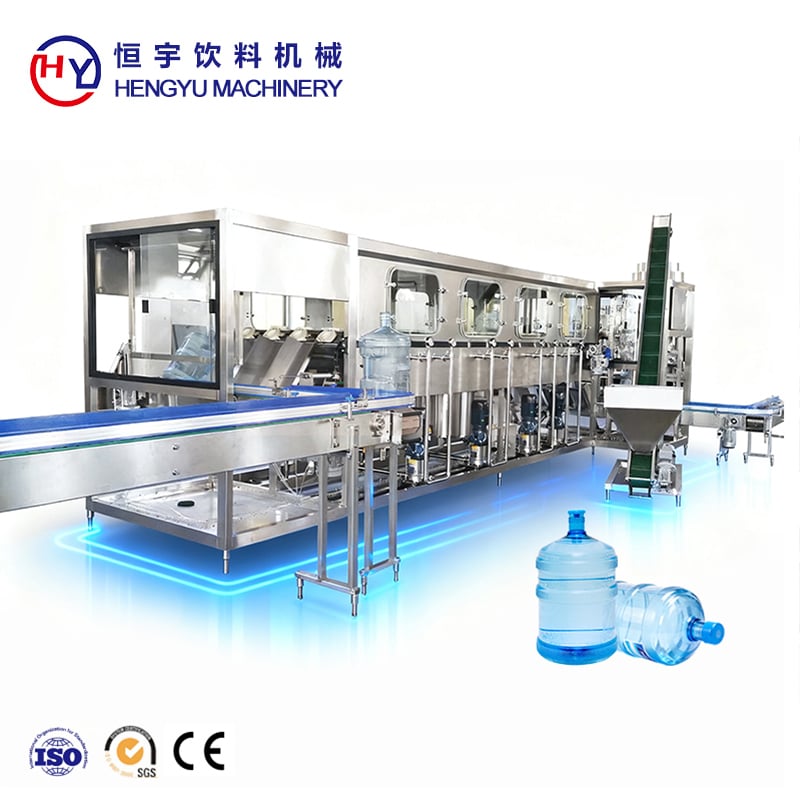
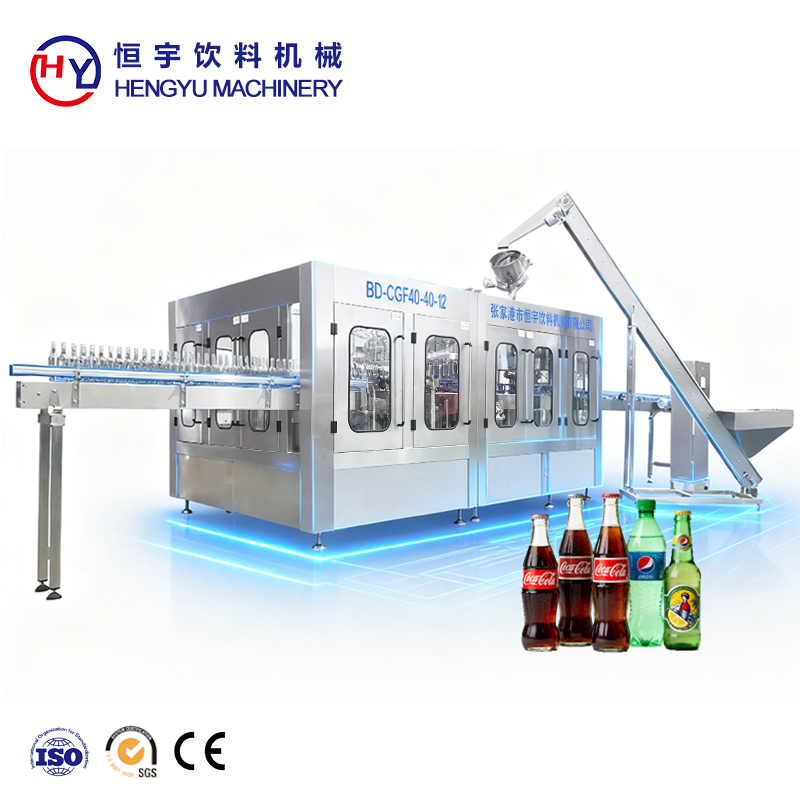
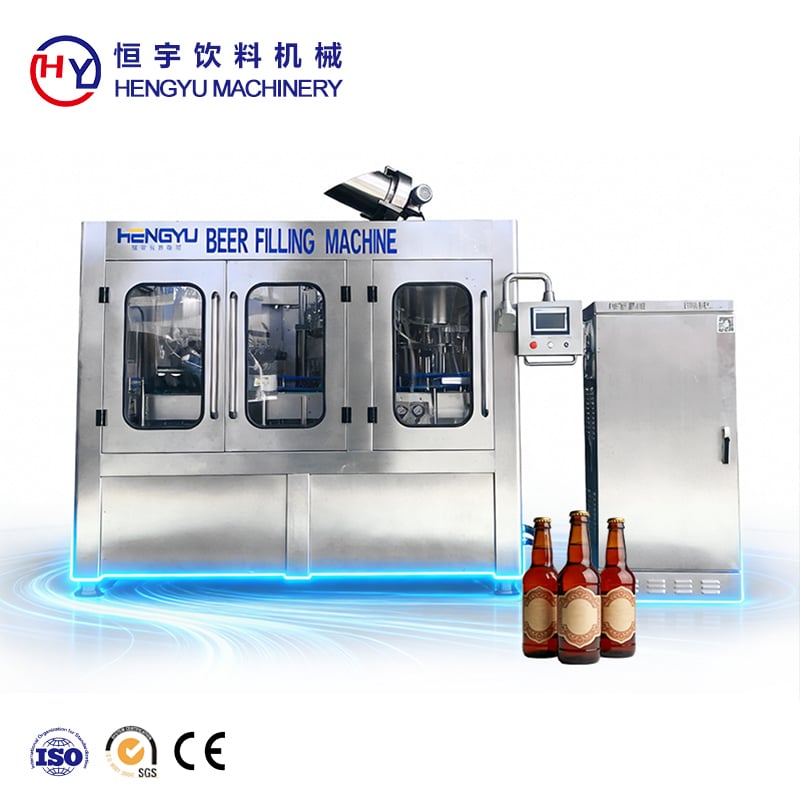
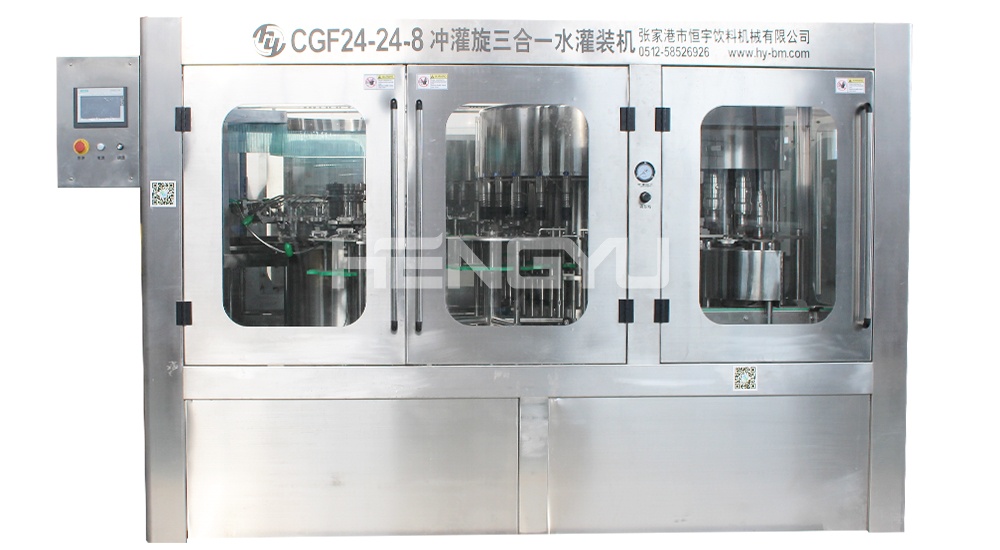
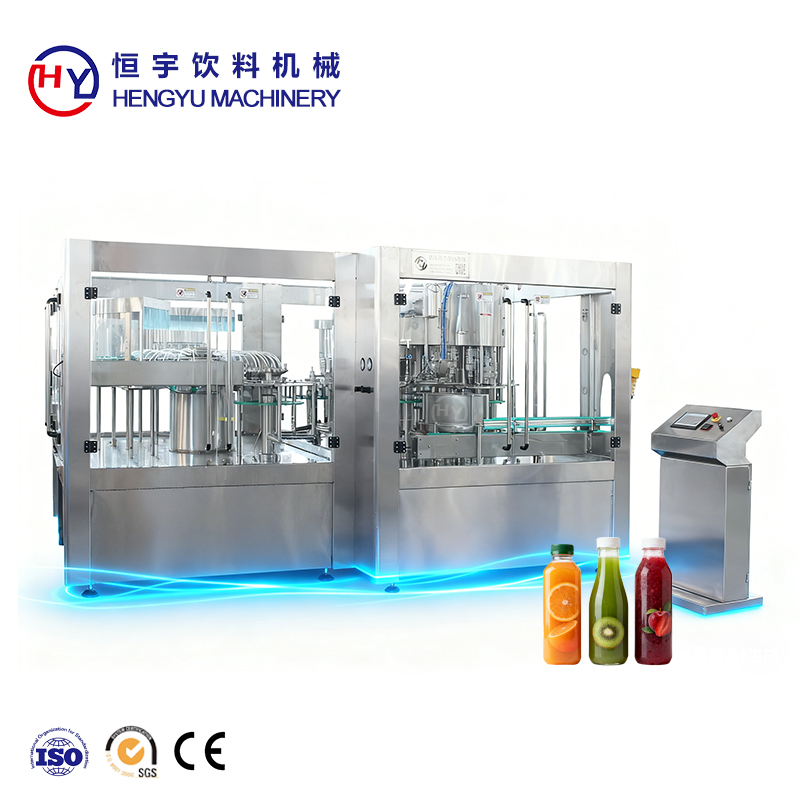
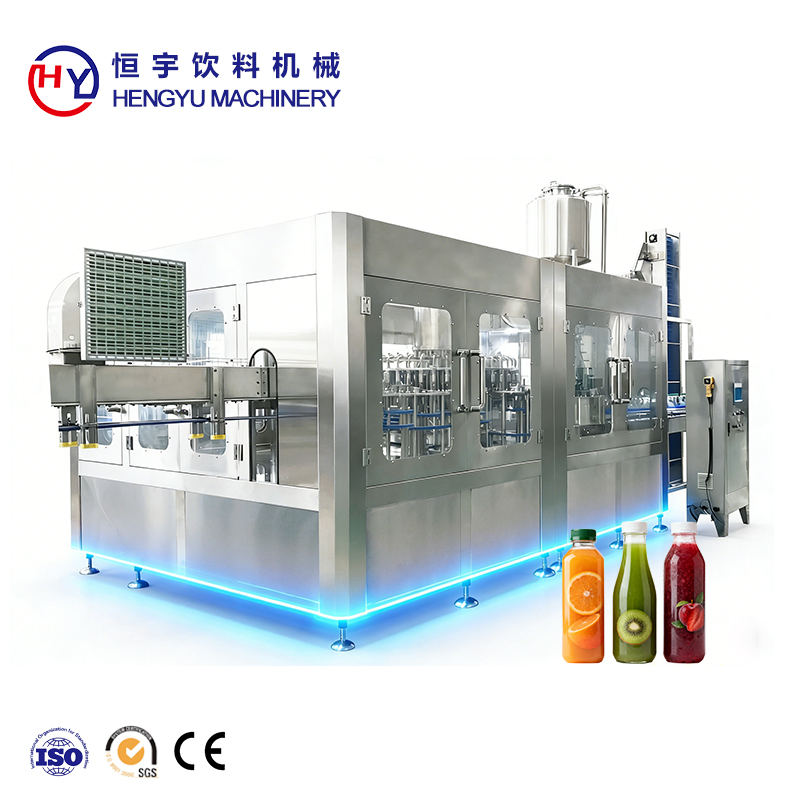
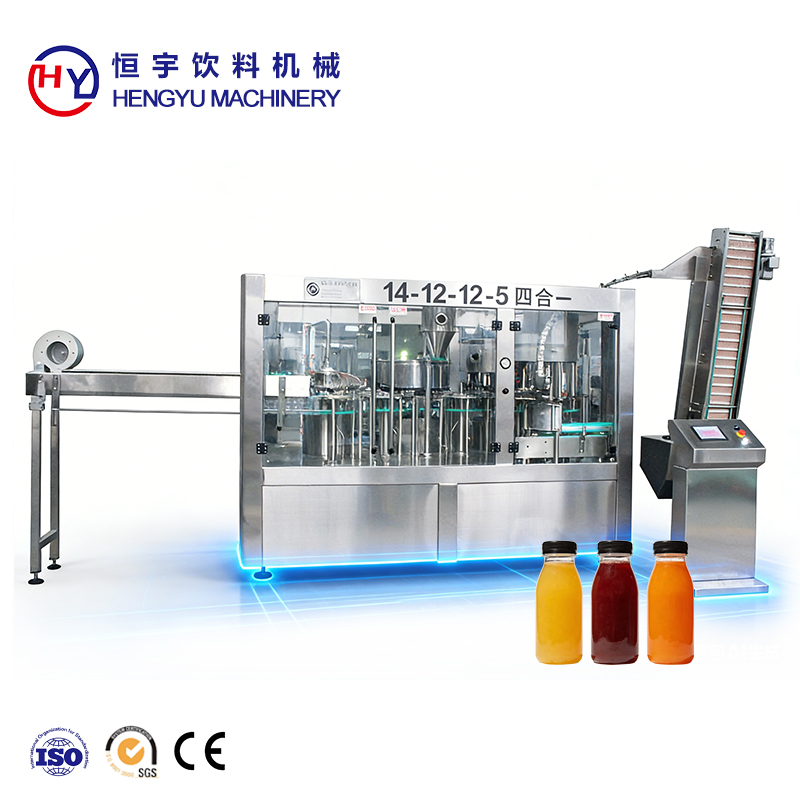
The juice bottle sealing machine represents an essential piece of equipment in modern beverage production facilities, designed specifically to create secure, tamper-proof seals on various juice containers. This sophisticated machinery operates by applying precise heat and pressure to bottle caps, ensuring an airtight seal that preserves freshness and extends shelf life. The primary function of a juice bottle sealing machine involves automated cap placement, heating element activation, and pressure application to create hermetic seals on bottles ranging from small retail sizes to larger commercial containers. These machines incorporate advanced technological features including programmable logic controllers that allow operators to adjust sealing temperature, pressure intensity, and processing speed according to specific bottle types and cap materials. Modern juice bottle sealing machine models feature touchscreen interfaces that simplify operation and provide real-time monitoring of production metrics. The equipment typically includes conveyor systems for continuous bottle feeding, automatic cap sorting and feeding mechanisms, and precision sensors that detect bottle position before initiating the sealing process. Quality control systems integrated within the juice bottle sealing machine perform automatic rejection of improperly sealed bottles, maintaining consistent product quality throughout production runs. Applications for this equipment span across small artisanal juice producers, mid-sized regional bottlers, and large-scale industrial beverage manufacturing plants. The versatility of the juice bottle sealing machine allows it to handle various cap types including screw caps, snap-on lids, and aluminum seals, accommodating different juice formulations from fresh-squeezed varieties to concentrated blends and organic products. Energy-efficient designs incorporate insulated heating elements and optimized power consumption patterns, reducing operational costs while maintaining high throughput rates. The robust construction features stainless steel components that resist corrosion from acidic juice residues and facilitate easy cleaning procedures required in food-grade manufacturing environments. Safety mechanisms including emergency stop buttons, protective guards, and automatic shutdown systems protect operators while ensuring compliance with international food safety regulations and industry standards.

Popular Products

Investing in a juice bottle sealing machine delivers transformative benefits that directly impact your production efficiency and bottom line. First and foremost, automation significantly reduces labor costs by eliminating the need for manual cap tightening, allowing your workforce to focus on more valuable tasks while the machine handles repetitive sealing operations at consistent speeds. Production capacity increases dramatically as these machines process hundreds or even thousands of bottles per hour, depending on the model, compared to manual operations that might handle only a few dozen bottles in the same timeframe. The consistency achieved through automated sealing ensures every single bottle receives the exact same sealing pressure and heat application, virtually eliminating variations that could lead to leaks, spoilage, or customer complaints about product quality. This uniformity protects your brand reputation and reduces costly product recalls or returns. The juice bottle sealing machine creates superior seals that extend product shelf life by preventing oxygen infiltration and microbial contamination, allowing you to expand distribution channels and reach markets farther from your production facility. Enhanced product preservation means less waste from spoilage, improving your profit margins and supporting sustainability goals by reducing discarded inventory. Operational flexibility stands out as another major advantage, with quick changeover capabilities allowing you to switch between different bottle sizes and cap styles in minutes rather than hours, enabling you to respond rapidly to market demands and produce diverse product lines without significant downtime. The precision temperature control prevents overheating that could damage heat-sensitive juice nutrients or alter flavor profiles, maintaining the authentic taste and nutritional value that customers expect. Reduced material waste occurs because automated systems position caps correctly before sealing, eliminating the cap damage and bottle breakage often associated with manual handling or improper sealing technique. Long-term cost savings accumulate through decreased maintenance requirements, as quality machines feature durable components designed for millions of sealing cycles with minimal wear. The compact footprint of modern juice bottle sealing machine designs maximizes valuable floor space in your facility, allowing you to optimize production line layout and potentially expand other operations within existing buildings. Worker safety improves substantially since operators no longer perform repetitive motions that could cause strain injuries, and they work at safe distances from heated sealing components. Data collection capabilities built into advanced models provide valuable production insights, helping you identify bottlenecks, track efficiency metrics, and make informed decisions about scaling operations or adjusting production schedules to meet demand patterns.

Tips And Tricks

How to Choose a Glass Bottle Filling Machine for Beverage Production

06

Mar

How to Choose a Glass Bottle Filling Machine for Beverage Production

Match Filling Technology to Beverage Type and Sensitivity Counter-Pressure Fillers for Carbonated Beverages and Beer Carbonated drinks like soda, sparkling water and beer need careful filling techniques to keep their fizz intact while avoiding exc...
View More
How Bottled Water Production Lines Maintain Product Safety

12

Mar

How Bottled Water Production Lines Maintain Product Safety

Regulatory Foundations and the Multi-Barrier Safety Framework FDA, EPA, and ISO Standards Specific to Bottled Water Production Lines The bottled water industry works within a pretty strict set of regulations. The FDA has these things called Good Ma...
View More
How Can Filling Machines Improve Beverage Production Speed

24

Mar

How Can Filling Machines Improve Beverage Production Speed

Filling Machine Type Determines Maximum Throughput Potential Gravity, Isobaric, and Piston Can Filling Machines: Speed vs. Precision Trade-offs Gravity fillers work well for delicate drinks such as juice, processing around 20 to 36 bottles every mi...
View More
Can Filling Machine Capacity Planning Guide

22

Mar

Can Filling Machine Capacity Planning Guide

Understanding Can Filling Machine Capacity: Theory vs. Real-World Performance Why Theoretical Capacity Rarely Matches Effective Output on Can Filling Lines When companies talk about canning speed at 100 cans per minute, they're referring to what ha...
View More

Get a Free Quote

Our representative will contact you soon.
Email
Name
Phone/WhatsApp
Required Product
Message
0/1000

juice bottle sealing machine

Advanced Temperature Control Technology for Perfect Sealing Results

Advanced Temperature Control Technology for Perfect Sealing Results

The sophisticated temperature management system integrated within the juice bottle sealing machine represents a breakthrough in achieving optimal seal integrity across diverse bottle materials and cap compositions. This technology employs precision heating elements with digital temperature sensors that monitor and adjust heat levels in real-time, ensuring each bottle receives exactly the thermal energy required for perfect seal formation without risking product damage or cap deformation. Unlike older sealing equipment that operated at fixed temperatures regardless of environmental conditions or material variations, modern juice bottle sealing machine models continuously measure ambient temperature, bottle material thickness, and cap composition to dynamically calibrate heating parameters. This intelligent adaptation prevents common sealing failures such as incomplete fusion when temperatures run too low or cap warping and bottle deformation when excessive heat is applied. The multi-zone heating configuration allows different areas of the sealing head to maintain distinct temperatures simultaneously, accommodating bottles with complex cap designs or multi-material construction that require varied thermal treatment across different seal points. Rapid heat-up and cool-down cycles minimize energy consumption while maintaining production speed, as the system only activates heating elements during actual sealing operations rather than maintaining constant high temperatures. The temperature control interface provides operators with intuitive visualization of current settings and historical data, enabling quick identification of optimal parameters for new bottle types and facilitating consistent reproduction of successful sealing profiles. Safety interlocks prevent machine operation if temperatures fall outside programmed safe ranges, protecting both products and personnel from potential hazards associated with overheated equipment. The ceramic-coated heating elements resist corrosion from sugar-rich juice vapors and acidic residues, maintaining consistent thermal performance over extended production runs without degradation that could compromise seal quality. This temperature precision directly translates to extended product shelf life, as properly sealed bottles maintain internal vacuum conditions that inhibit oxidation and microbial growth, preserving fresh juice flavor and nutritional content for weeks or months beyond what inferior sealing methods achieve. Customers benefit from receiving products with intact seals that indicate proper handling throughout the distribution chain, building confidence in your brand quality. The juice bottle sealing machine temperature control system also supports diverse cap materials including polyethylene, polypropylene, and aluminum foil induction seals, each requiring specific thermal profiles that the intelligent system recognizes and applies automatically when operators select the appropriate program from the control panel.
High-Speed Continuous Operation Maximizing Production Efficiency

High-Speed Continuous Operation Maximizing Production Efficiency

The exceptional throughput capacity of the juice bottle sealing machine fundamentally transforms production economics by enabling continuous high-volume processing that matches the output rates of upstream filling equipment and downstream packaging systems. Engineering innovations in bottle handling, cap feeding, and sealing head design work synergistically to achieve processing speeds that can exceed three hundred bottles per minute in industrial models, while maintaining the precision and consistency essential for food-grade applications. The continuous motion conveyor system eliminates the start-stop cycles that characterize batch processing equipment, instead maintaining steady bottle flow through strategically designed timing mechanisms that synchronize bottle arrival with sealing head position. This smooth operation reduces mechanical stress on components, extending equipment lifespan while minimizing vibration and noise levels in your production environment. Automated cap feeding systems utilize vibratory bowl feeders or linear cap sorters that orient caps correctly and deliver them to bottle mouths with split-second timing, eliminating manual cap placement labor while preventing production delays from cap jams or misalignment issues. The quick-change tooling systems allow operators to reconfigure the juice bottle sealing machine for different bottle sizes within ten to fifteen minutes, supporting production flexibility without sacrificing significant operational time. Multiple sealing heads operating in parallel multiply throughput for ultra-high-volume operations, with synchronized control systems ensuring consistent seal quality across all processing stations. Built-in bottle accumulation zones before and after the sealing station buffer temporary speed variations from upstream or downstream equipment, preventing entire line shutdowns when adjacent processes require brief pauses for maintenance or material replenishment. The programmable logic controller orchestrating these operations includes sophisticated algorithms that optimize acceleration and deceleration curves, minimizing product stress while maximizing average line speed over complete production shifts. Predictive maintenance indicators monitor component performance and alert operators to schedule service before failures occur, dramatically reducing unplanned downtime that devastates production schedules and customer commitments. Real-time production counting and efficiency tracking provide management with actionable data about actual versus theoretical output, highlighting opportunities for process improvements and operator training that incrementally boost overall equipment effectiveness. The juice bottle sealing machine integration capabilities facilitate seamless communication with plant-wide manufacturing execution systems, enabling centralized monitoring of multiple production lines and coordinated scheduling that optimizes facility-wide productivity. Energy-efficient motor systems and optimized mechanical designs minimize power consumption per bottle sealed, reducing operational costs while supporting corporate sustainability initiatives and environmental responsibility goals that increasingly influence customer purchasing decisions.
Versatile Multi-Format Capability Accommodating Diverse Product Lines

Versatile Multi-Format Capability Accommodating Diverse Product Lines

The remarkable adaptability of the juice bottle sealing machine to handle various bottle geometries, cap styles, and sealing technologies provides manufacturers with strategic flexibility to diversify product offerings without capital investment in multiple specialized machines. This versatility stems from modular design principles that allow rapid reconfiguration of critical components including bottle guides, cap chutes, sealing heads, and height adjustment mechanisms to accommodate containers ranging from small single-serve bottles to family-size jugs. The adjustable bottle guide rails feature tool-free width adjustment through simple hand-wheel mechanisms or pneumatic actuators, enabling operators to transition between narrow diameter bottles and wide-mouth containers within minutes rather than the hours required for traditional changeovers involving wrench-based adjustments and precision realignment. Cap versatility extends across threaded screw caps, press-on friction fit lids, and induction seal liners, with the juice bottle sealing machine automatically detecting cap type through sensors and applying appropriate sealing parameters stored in the control system memory. This intelligent recognition eliminates operator guesswork and prevents costly mistakes from applying incorrect sealing methods that could result in batch rejection. The height adjustment system accommodates bottles ranging from low-profile containers under four inches tall to elongated bottles exceeding twelve inches in height, with precise vertical positioning ensuring optimal contact between sealing head and cap surface regardless of container dimensions. Material compatibility spans across PET plastic bottles, glass containers, and HDPE jugs, with the machine adapting sealing pressure and dwell time according to container rigidity and deformation characteristics. Special sealing head configurations support tamper-evident band separation for safety caps, aluminum foil induction sealing for extended shelf life applications, and combination sealing methods that apply both mechanical thread tightening and heat induction in sequential operations. The juice bottle sealing machine recipe management system stores unlimited product configurations in digital memory, allowing operators to recall previously developed sealing parameters instantly when switching between established product lines, ensuring consistent results without trial-and-error adjustments. This capability proves particularly valuable for contract manufacturers serving multiple clients with distinct bottle specifications, enabling efficient production scheduling that maximizes machine utilization across diverse customer requirements. The open architecture control system accepts custom programming for unique applications, providing solutions for specialty juice products with unusual packaging requirements that standard equipment configurations might not address. Validation protocols built into the machine software document sealing parameters for each production run, generating compliance records that satisfy regulatory requirements for food safety documentation and traceability. Future-proofing your investment, the modular juice bottle sealing machine design accepts technology upgrades and capacity expansions through component additions rather than complete equipment replacement, protecting your capital investment while enabling business growth and adaptation to evolving market demands.