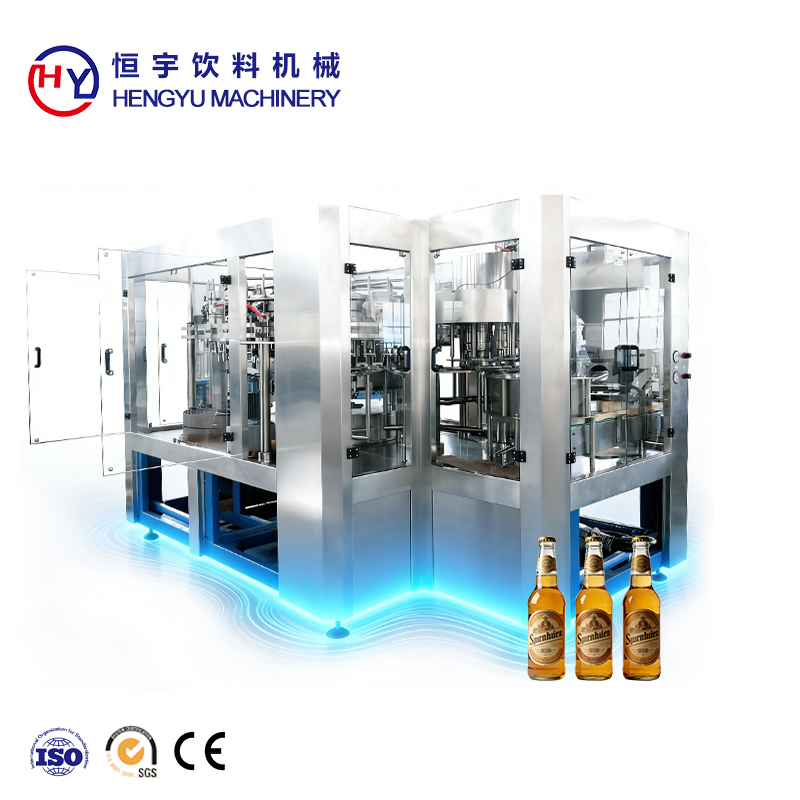
Professional Beer Filling Equipment - Advanced Bottling Solutions for Breweries

All Categories

beer filling equipment

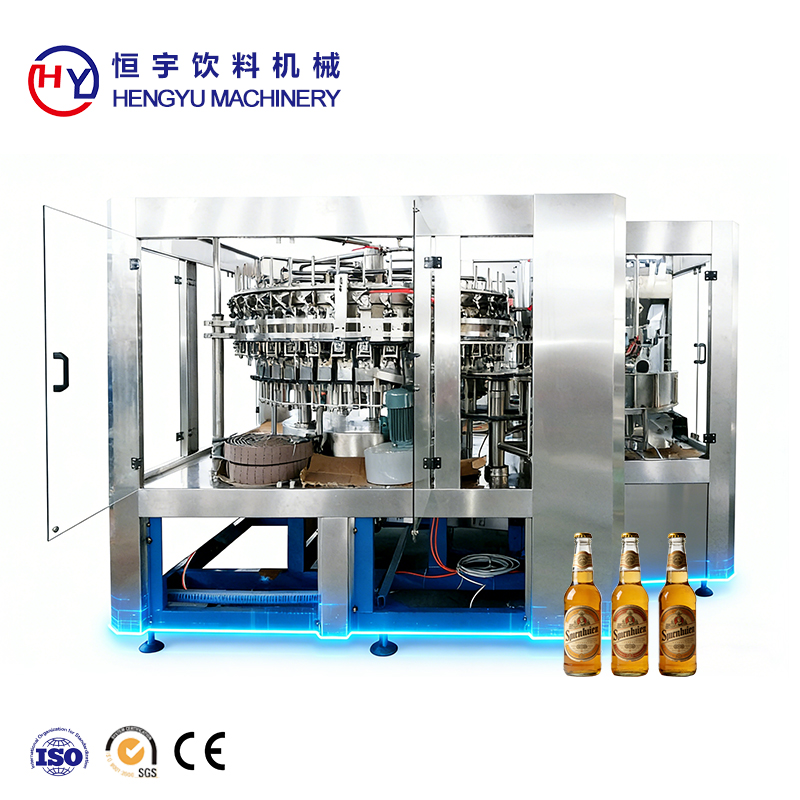
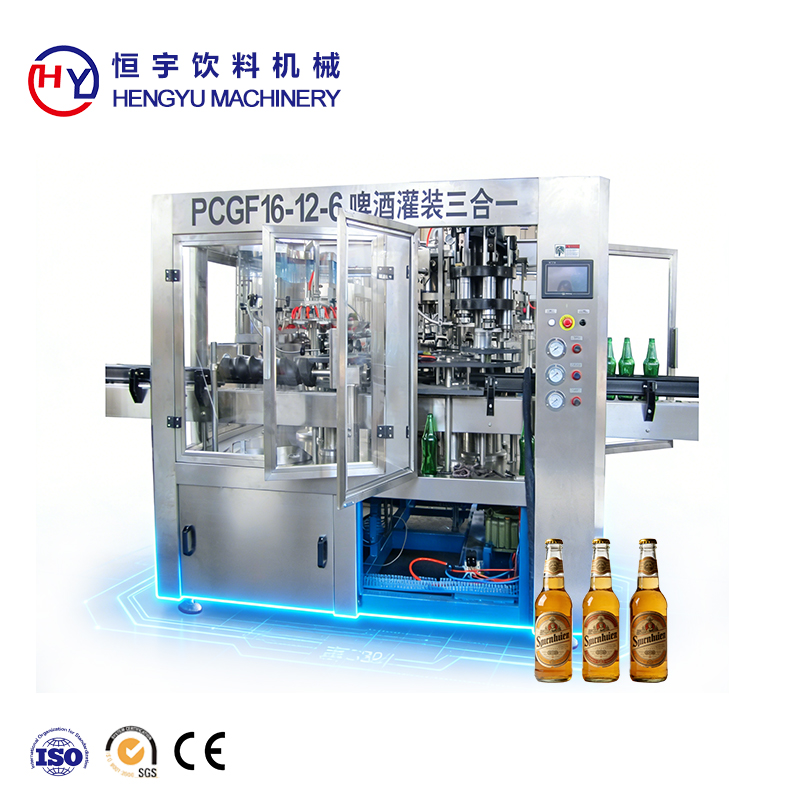
Beer filling equipment represents a critical component in modern beverage production facilities, designed to efficiently transfer beer from storage tanks into bottles, cans, or kegs while maintaining product quality and freshness. This sophisticated machinery combines precision engineering with advanced automation to ensure consistent filling levels, minimal oxygen exposure, and optimal production speeds. The primary functions of beer filling equipment include accurate volume measurement, controlled filling pressure management, foam prevention mechanisms, and seamless integration with capping or sealing systems. Modern beer filling equipment utilizes state-of-the-art technology such as programmable logic controllers, touch-screen interfaces, and automated quality monitoring systems that continuously track performance metrics. These systems can handle various container sizes and formats, making them versatile solutions for breweries of all scales. The technological features incorporate multiple filling heads that operate simultaneously, reducing production time while maintaining uniformity across all bottles or cans. Sanitation is paramount in beer production, and contemporary beer filling equipment includes Clean-in-Place systems that automatically sanitize all product-contact surfaces without requiring disassembly. These machines employ flow meters and sensors that detect proper fill levels, rejecting any containers that fall outside specified parameters. The applications of beer filling equipment span from craft breweries producing small batches to large-scale commercial operations bottling millions of units annually. Whether filling glass bottles, aluminum cans, or stainless steel kegs, this equipment adapts to different production requirements while preserving the beer's taste, carbonation, and shelf life. The integration capabilities allow beer filling equipment to work harmoniously with labeling machines, packaging lines, and inventory management systems, creating a comprehensive production environment that maximizes efficiency and minimizes waste throughout the entire bottling process.

Popular Products

Investing in quality beer filling equipment delivers substantial benefits that directly impact your production efficiency and bottom line. First and foremost, these systems dramatically increase your output capacity compared to manual filling methods, allowing you to meet growing market demand without compromising quality standards. The precision filling technology ensures every container receives exactly the right amount of product, eliminating overfilling waste that cuts into profit margins and underfilling issues that could damage your brand reputation. You gain consistent product quality with every production run because the equipment maintains stable filling conditions regardless of operator changes or shift durations. The automation reduces labor costs significantly since fewer workers are needed to operate the line, and those employees can focus on supervision and quality control rather than repetitive manual tasks. Your production flexibility improves substantially as modern beer filling equipment quickly adjusts to different container types and sizes, enabling you to diversify your product offerings without purchasing multiple specialized machines. The reduced oxygen exposure during the filling process extends shelf life and preserves the fresh taste that customers expect, leading to fewer returns and higher customer satisfaction rates. Energy efficiency is another practical advantage, as newer models consume less power while delivering superior performance compared to older systems. The maintenance requirements are straightforward, with easily accessible components and clear diagnostic systems that minimize downtime when service is needed. You benefit from improved workplace safety since automated beer filling equipment eliminates many manual handling risks associated with traditional bottling methods. The data collection capabilities provide valuable insights into your production patterns, helping you identify optimization opportunities and make informed decisions about scheduling and resource allocation. Quality control becomes more reliable through integrated inspection systems that catch defects before products leave your facility, protecting your brand image and reducing costly recalls. The scalability of beer filling equipment means you can start with a system matching your current needs and expand capacity as your business grows, making it a sound long-term investment. The hygienic design meets stringent food safety regulations, giving you peace of mind during health inspections and ensuring compliance with industry standards. Your return on investment materializes quickly through increased production speeds, reduced waste, lower labor costs, and improved product consistency that strengthens customer loyalty and opens new market opportunities for your brewery operation.

Tips And Tricks

How Bottled Water Production Lines Maintain Product Safety

12

Mar

How Bottled Water Production Lines Maintain Product Safety

Regulatory Foundations and the Multi-Barrier Safety Framework FDA, EPA, and ISO Standards Specific to Bottled Water Production Lines The bottled water industry works within a pretty strict set of regulations. The FDA has these things called Good Ma...
View More
Can Filling Machine Technology for Carbonated Beverages

20

Mar

Can Filling Machine Technology for Carbonated Beverages

Isobaric Filling Principles: How Can Filling Machines Preserve Carbonation Under Pressure The Physics of CO₂ Solubility and Why Counter-Pressure Is Non-Negotiable The way carbon dioxide dissolves in drinks basically follows what we call Henry's Law...
View More
Can Filling Machine Capacity Planning Guide

22

Mar

Can Filling Machine Capacity Planning Guide

Understanding Can Filling Machine Capacity: Theory vs. Real-World Performance Why Theoretical Capacity Rarely Matches Effective Output on Can Filling Lines When companies talk about canning speed at 100 cans per minute, they're referring to what ha...
View More
Automation Technology in Can Sealing Machines

24

Mar

Automation Technology in Can Sealing Machines

How Automation Enhances Precision and Reliability in Can Sealing Machines Core Automation Components: Servo Drives, Vision Systems, and Closed-Loop Feedback in Modern Can Sealing Machines Today's can sealing equipment reaches incredible levels of p...
View More

Get a Free Quote

Our representative will contact you soon.
Email
Name
Phone/WhatsApp
Required Product
Message
0/1000

beer filling equipment

Advanced Automation Technology for Unmatched Production Consistency

Advanced Automation Technology for Unmatched Production Consistency

The sophisticated automation technology integrated into modern beer filling equipment revolutionizes how breweries approach their production processes, delivering unprecedented consistency and reliability that manual operations simply cannot match. At the core of this technology lies programmable logic controllers that orchestrate every aspect of the filling operation with microsecond precision, ensuring each container receives identical treatment regardless of production volume or duration. These intelligent systems continuously monitor dozens of parameters simultaneously, including filling speed, pressure levels, temperature variations, and container positioning, making real-time adjustments to maintain optimal conditions throughout the entire production run. The touch-screen human-machine interfaces provide operators with intuitive control over all system functions, displaying clear visual feedback about current operations and alerting staff immediately when attention is required. This automation extends to the beer filling equipment's ability to automatically switch between different product types or container formats with minimal downtime, storing multiple recipe configurations that recall precise settings at the touch of a button. Sensors positioned throughout the filling line detect container presence, verify proper positioning, and confirm successful filling completion before allowing products to advance to the next station. The automation technology includes sophisticated servo motors that provide smooth, controlled movements for filling heads, eliminating the jerky motions that can cause foaming or spillage in traditional systems. Integration with upstream and downstream equipment creates a seamlessly coordinated production line where the beer filling equipment communicates with rinsing machines, cappers, labelers, and packaging systems to optimize overall throughput. The self-diagnostic capabilities represent another crucial aspect of this automation, as the system continuously performs health checks on all components, predicting potential failures before they occur and scheduling preventive maintenance during planned downtime rather than experiencing unexpected production interruptions. This predictive maintenance approach significantly reduces total cost of ownership while maximizing equipment availability for production operations. The automated data logging functionality creates comprehensive production records that track every filled container, providing complete traceability for quality assurance purposes and regulatory compliance documentation. Remote monitoring capabilities allow technical support teams to access system diagnostics from off-site locations, troubleshooting issues and even adjusting parameters without requiring a service visit, minimizing response times when assistance is needed.
Exceptional Hygiene Standards with Integrated Cleaning Systems

Exceptional Hygiene Standards with Integrated Cleaning Systems

Maintaining impeccable hygiene standards is absolutely critical in beer production, and modern beer filling equipment addresses this requirement through comprehensive integrated cleaning systems that ensure product safety and quality with every production cycle. The Clean-in-Place technology built into these systems represents a fundamental advancement over traditional cleaning methods that required extensive equipment disassembly and manual scrubbing, which not only consumed valuable production time but also introduced human error variables into the sanitation process. Contemporary beer filling equipment features specially designed flow paths with smooth internal surfaces and minimal dead spaces where bacteria or residue might accumulate, making thorough cleaning achievable through automated circulation of cleaning solutions. The CIP system operates through precisely controlled sequences that include pre-rinse phases to remove gross contamination, caustic wash cycles to eliminate organic deposits, acid rinse stages to address mineral buildup, and final sanitizing steps using approved disinfecting agents. Temperature monitoring throughout the cleaning process verifies that solutions reach specified levels proven effective against microbial contamination, with automatic cycle extensions if parameters fall outside acceptable ranges. The beer filling equipment's construction materials meet food-grade specifications, utilizing stainless steel alloys that resist corrosion while withstanding repeated exposure to aggressive cleaning chemicals without degrading or leaching contaminants into subsequent product runs. Gaskets and seals employ FDA-approved materials specifically formulated for beverage applications, maintaining their integrity through countless cleaning cycles without hardening or cracking. The filling valves themselves incorporate sanitary designs that allow cleaning solutions to reach all product-contact surfaces, with some advanced models featuring valve systems that automatically disassemble during CIP cycles for enhanced cleaning effectiveness. Verification systems confirm successful cleaning completion by monitoring solution clarity, conductivity measurements, and microbial testing protocols that provide documented proof of sanitation effectiveness. The beer filling equipment's hygienic design extends to external surfaces as well, with smooth finishes and minimal crevices that facilitate quick wipe-down cleaning of the machine exterior, maintaining overall production area cleanliness standards. Air filtration systems protect filling zones from environmental contamination, creating positive-pressure environments that prevent airborne particles from entering open containers during the filling process. The automated nature of these cleaning systems ensures consistent sanitation results regardless of which operator initiates the cycle, eliminating the variability inherent in manual cleaning procedures where thoroughness depends on individual diligence and experience levels.
Remarkable Versatility for Diverse Production Requirements

Remarkable Versatility for Diverse Production Requirements

The exceptional versatility built into contemporary beer filling equipment empowers breweries to adapt quickly to changing market demands and expand their product portfolios without investing in multiple specialized filling lines, delivering flexibility that translates directly into competitive advantages and revenue opportunities. This adaptability begins with quick-change features that allow operators to transition between different container sizes and formats in remarkably short timeframes, often completing changeovers in less than thirty minutes where older systems might require several hours of adjustment and recalibration. The beer filling equipment accommodates various container materials including glass bottles ranging from small craft beer formats to large-format bottles, aluminum cans in standard and sleek designs, and even kegs for draft distribution channels. Adjustable filling heads move vertically and horizontally to match different container heights and diameters, while programmable parameters automatically configure filling speeds and volumes appropriate for each container type. This versatility extends to handling different beer styles with varying carbonation levels and viscosities, as the equipment adjusts pressure settings and filling techniques to preserve product characteristics whether filling light lagers, heavily carbonated wheat beers, or nitrogen-infused stouts. The modular design philosophy employed in modern beer filling equipment means production capacity can scale with business growth, starting with configurations featuring fewer filling heads and adding additional modules as production volumes increase without replacing the entire system. Format flexibility allows breweries to respond rapidly to seasonal demands, promotional packaging requirements, or test market opportunities for new product concepts without committing to dedicated production lines. The beer filling equipment handles both pressurized counter-pressure filling for carbonated products and gravity filling for non-carbonated or low-carbonation beverages, expanding potential product offerings beyond traditional beer to include ciders, hard seltzers, and other craft beverage categories gaining market popularity. Recipe management systems store unlimited product configurations, recalling precise parameters for each SKU to ensure consistent results whenever that particular product runs through the filling line. The versatility encompasses different closure types as well, with the beer filling equipment coordinating seamlessly with various capping systems for crown caps, twist-offs, cork finishes, or can seaming equipment depending on package format. Production speed adjustments provide another dimension of flexibility, allowing operators to run at maximum speeds for high-volume products while slowing to more controlled rates for premium limited releases where extra care ensures perfect presentation. This adaptability reduces the total equipment investment required to serve diverse market segments, consolidating multiple production requirements onto a single versatile platform that maximizes return on capital expenditure while minimizing facility footprint demands and maintenance complexity.