beverage filling
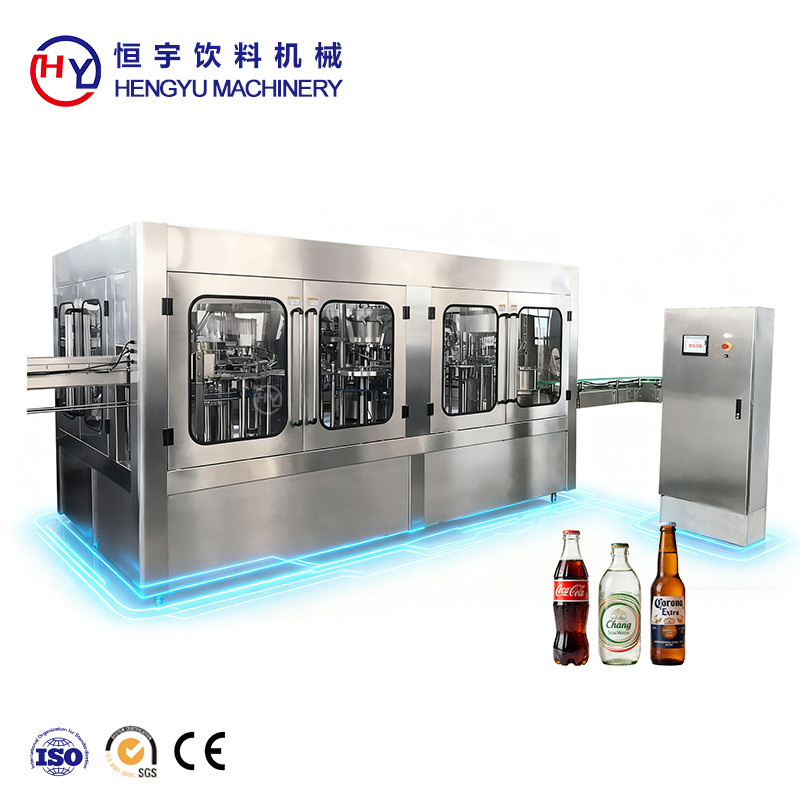
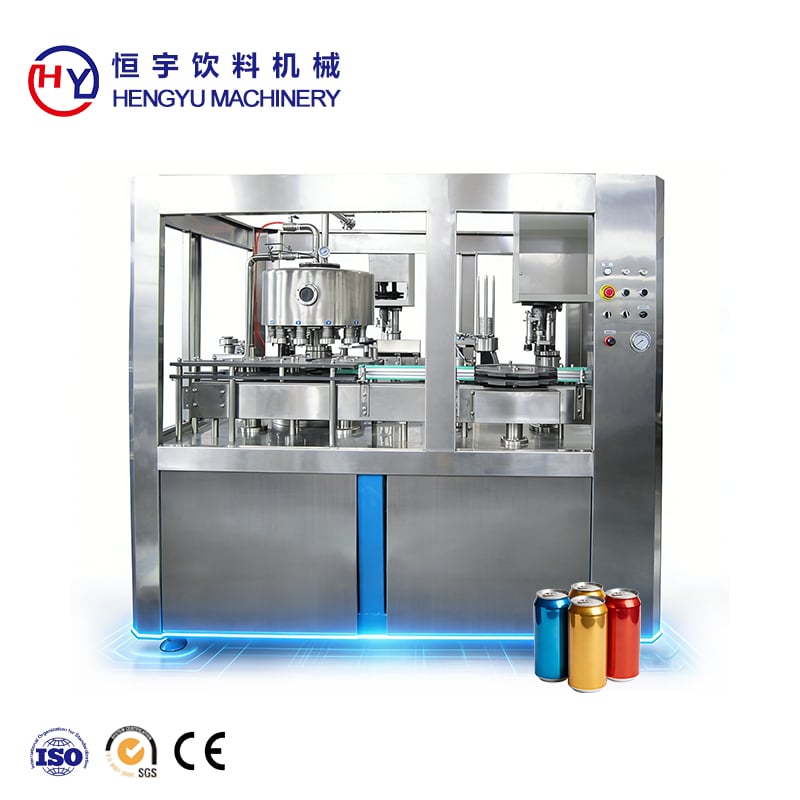
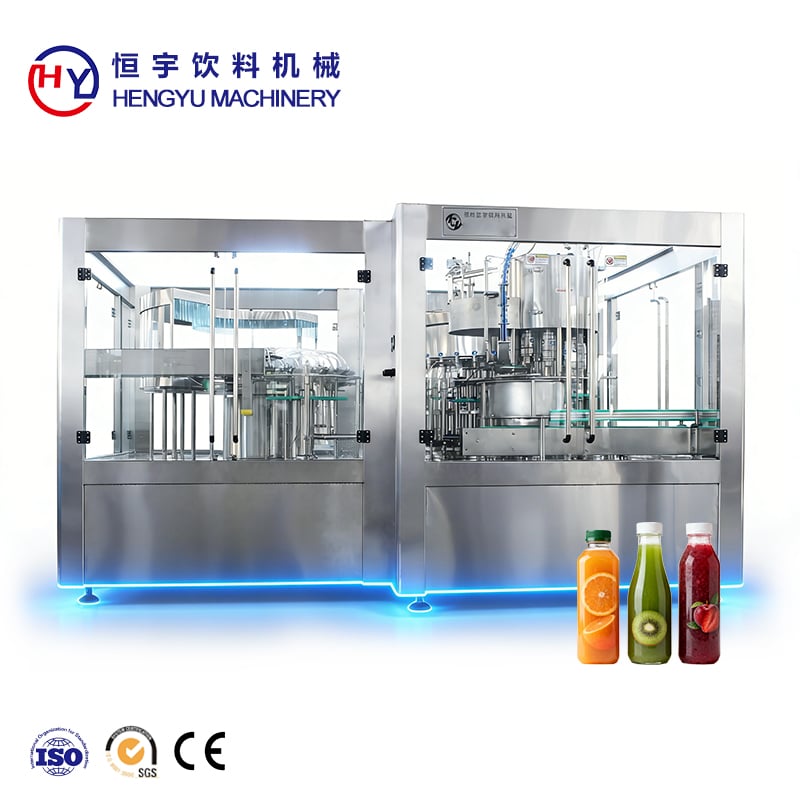
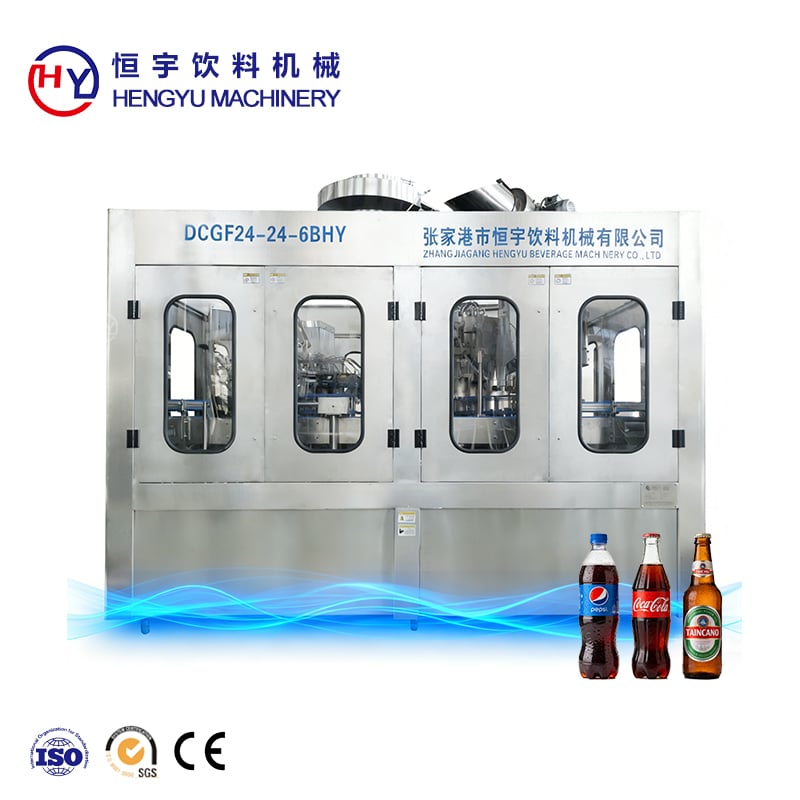
Beverage filling represents a critical manufacturing process that enables producers to package liquid products efficiently and hygienically into containers of various sizes and materials. This sophisticated system combines precision engineering with automated control mechanisms to ensure accurate volume dispensing while maintaining product integrity throughout the packaging cycle. Modern beverage filling equipment handles diverse liquid types including carbonated drinks, juices, water, energy drinks, dairy products, and alcoholic beverages. The technology incorporates multiple components working in harmony: conveyor systems transport empty containers to filling stations, where specialized nozzles dispense precise quantities of liquid, followed by capping mechanisms that seal containers securely. Advanced sensors monitor every stage to detect anomalies and maintain consistent quality standards. The primary function of beverage filling machinery centers on achieving high-speed production while minimizing product waste and contamination risks. These systems operate under strict sanitary conditions, often featuring clean-in-place capabilities that allow thorough cleaning without disassembly. Technological features include programmable logic controllers that manage filling parameters, touch-screen interfaces for operator convenience, and servo-driven mechanisms that provide exceptional accuracy. Different filling principles exist to accommodate various product characteristics: gravity fillers work well for non-carbonated beverages, pressure fillers handle carbonated drinks effectively, and vacuum fillers suit thicker liquids. Applications span the entire beverage industry from small craft producers requiring flexible batch processing to multinational corporations demanding continuous high-volume output. The equipment adapts to different container formats including glass bottles, plastic bottles, cans, and pouches, making it indispensable for beverage manufacturers seeking reliable production solutions. Temperature control systems maintain optimal liquid conditions during filling, while nitrogen dosing capabilities extend product shelf life. Integration with upstream and downstream equipment creates complete packaging lines that maximize operational efficiency and reduce labor requirements.

 CN
CN