Juice Filling Machine Price Guide: Cost Factors, Benefits and Value Analysis for Beverage Producers

All Categories

juice filling machine price

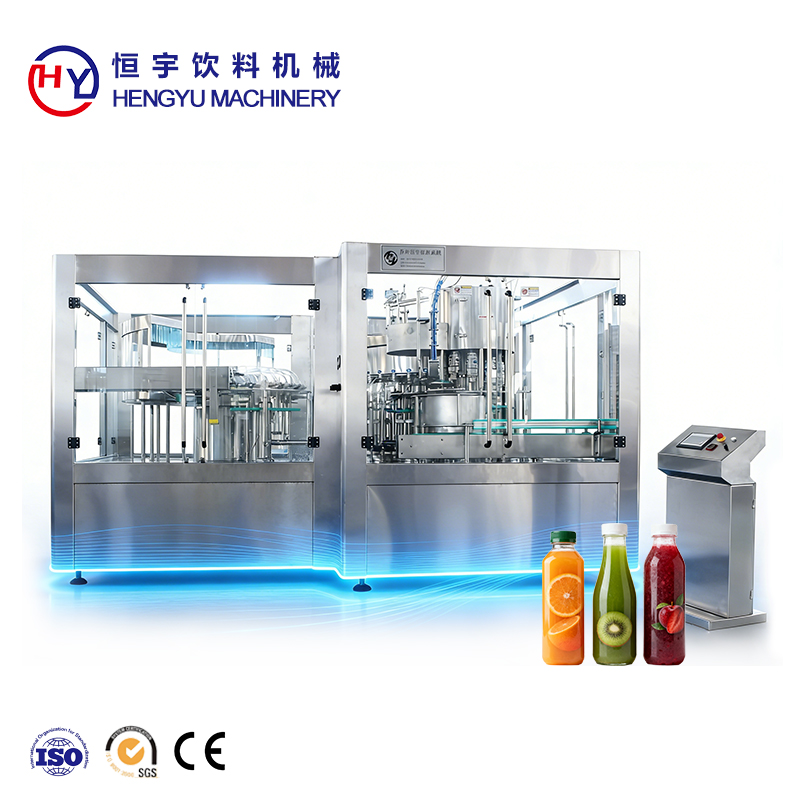
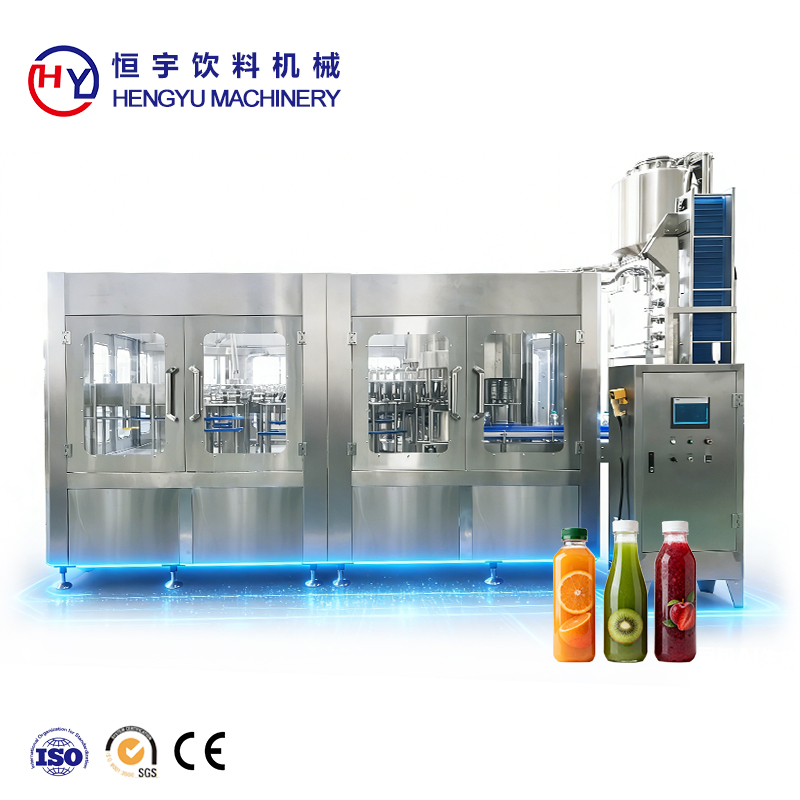
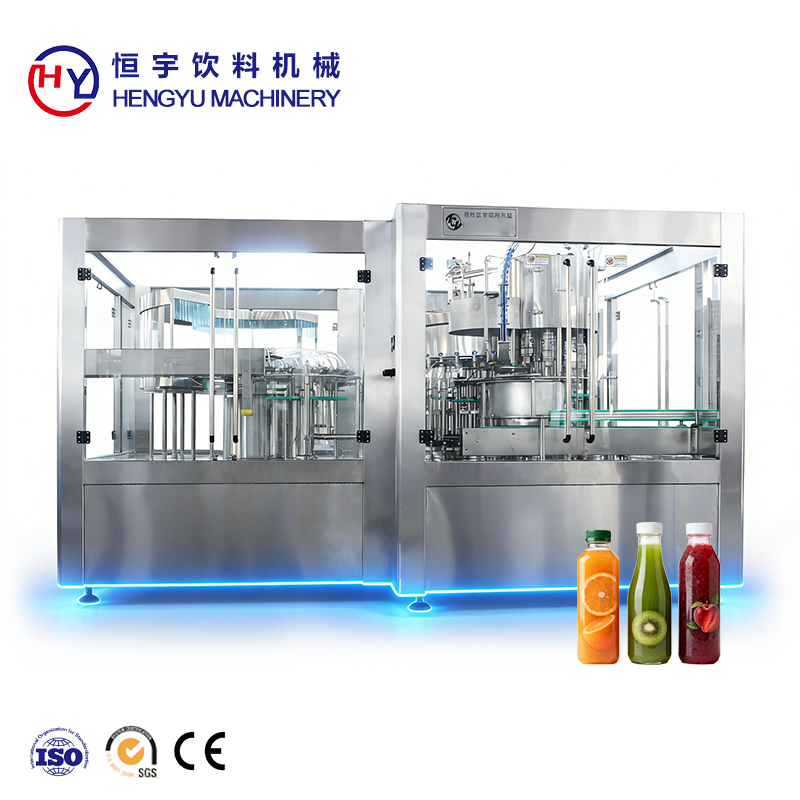
Understanding juice filling machine price requires examining multiple factors that influence the overall investment in beverage production equipment. The juice filling machine price varies significantly based on production capacity, automation level, filling technology, and material construction quality. These sophisticated systems serve as the backbone of modern beverage manufacturing facilities, designed to handle various juice types including fresh-pressed, concentrated, and pulp-containing beverages. The juice filling machine price typically reflects the machine's ability to maintain product integrity while achieving high-speed production rates. Modern filling equipment incorporates advanced control systems that monitor temperature, viscosity, and filling accuracy in real-time. The technological features embedded within these machines include servo-driven filling heads, automated CIP cleaning systems, and touch-screen interfaces for operator convenience. These systems can accommodate different container sizes ranging from small bottles to large jugs, making them versatile for diverse production requirements. The juice filling machine price encompasses not just the equipment itself but also installation support, training programs, and after-sales service packages. Applications span across small-scale juice bars to large industrial beverage plants, each requiring different specifications and capabilities. The main functions include precise volumetric filling, cap placement and sealing, container rinsing, and quality inspection capabilities. Advanced models feature nitrogen flushing systems to extend product shelf life and prevent oxidation. The juice filling machine price consideration must account for operational efficiency, maintenance requirements, and long-term reliability. Energy consumption, spare parts availability, and compatibility with existing production lines also impact the overall cost structure. Manufacturers offer various configurations including semi-automatic systems for smaller operations and fully automated lines for high-volume production facilities. The price spectrum accommodates different budget levels while ensuring compliance with food safety standards and hygiene regulations across international markets.

New Product Recommendations

Investing in quality filling equipment delivers substantial returns through enhanced productivity and operational efficiency. The juice filling machine price reflects advanced engineering that minimizes product waste and maximizes output consistency. Modern systems reduce labor costs significantly by automating repetitive tasks that previously required multiple operators. These machines maintain exceptional filling accuracy, typically within plus or minus one percent variance, ensuring every container receives the precise amount of product. This accuracy directly translates to cost savings by eliminating overfilling while maintaining customer satisfaction through consistent portion control. The hygienic design features inherent in contemporary filling equipment prevent contamination and extend product freshness, reducing spoilage rates and protecting brand reputation. Quick changeover capabilities allow manufacturers to switch between different juice varieties or container sizes with minimal downtime, increasing production flexibility and market responsiveness. The juice filling machine price includes robust construction using food-grade stainless steel that resists corrosion and withstands rigorous cleaning protocols. This durability ensures extended equipment lifespan, spreading the initial investment across many years of reliable operation. Energy-efficient components reduce utility costs while supporting environmental sustainability goals. The automated systems minimize human contact with products, enhancing food safety compliance and reducing liability concerns. Intuitive control interfaces simplify operator training, decreasing the learning curve and reducing the potential for operational errors. Real-time monitoring systems provide instant feedback about production metrics, enabling proactive maintenance scheduling that prevents costly unplanned downtime. The juice filling machine price consideration should factor in these efficiency gains that compound over time. Scalable designs allow businesses to start with baseline configurations and add modules as production demands grow, protecting the initial investment while supporting business expansion. Integration capabilities with upstream and downstream equipment create seamless production lines that optimize workflow and reduce bottlenecks. Quality certifications accompanying reputable equipment ensure compliance with FDA, CE, and other regulatory standards, facilitating market access and consumer confidence. The transparent construction of many modern systems allows visual inspection during operation, supporting quality control protocols. Reduced maintenance requirements compared to older technologies lower total ownership costs. The precision engineering minimizes vibration and noise levels, creating better working conditions for production staff. These practical benefits collectively justify the juice filling machine price by delivering measurable improvements in profitability, product quality, and operational reliability that strengthen competitive positioning in the beverage industry.

Tips And Tricks

How Can Filling Machines Improve Beverage Production Speed

24

Mar

How Can Filling Machines Improve Beverage Production Speed

Filling Machine Type Determines Maximum Throughput Potential Gravity, Isobaric, and Piston Can Filling Machines: Speed vs. Precision Trade-offs Gravity fillers work well for delicate drinks such as juice, processing around 20 to 36 bottles every mi...
View More
Can Filling Machine Technology for Carbonated Beverages

20

Mar

Can Filling Machine Technology for Carbonated Beverages

Isobaric Filling Principles: How Can Filling Machines Preserve Carbonation Under Pressure The Physics of CO₂ Solubility and Why Counter-Pressure Is Non-Negotiable The way carbon dioxide dissolves in drinks basically follows what we call Henry's Law...
View More
Troubleshooting Can Filling Machine Production Issues

21

Mar

Troubleshooting Can Filling Machine Production Issues

Power, Control, and Electrical Faults in Can Filling Machines Machine won't power on: main supply, fuses, and emergency stop circuit checks If the can filling machine won't start at all, the first thing to do is check whether the main power supply ...
View More
Can Sealing Machine Maintenance Tips

23

Mar

Can Sealing Machine Maintenance Tips

Daily and Weekly Preventive Maintenance for Your Can Sealing Machine Essential Daily Checks: Belt Tension, Sealing Bar Alignment, and Tape Head Cleanliness Starting every shift with a quick check on belt tension makes all the difference. If belts a...
View More

Get a Free Quote

Our representative will contact you soon.
Email
Name
Phone/WhatsApp
Required Product
Message
0/1000

juice filling machine price

Advanced Volumetric Filling Technology Ensures Consistent Product Quality

Advanced Volumetric Filling Technology Ensures Consistent Product Quality

The sophisticated volumetric filling technology represents a cornerstone feature that significantly influences juice filling machine price considerations. This precision-engineered system employs servo-controlled mechanisms that deliver exact liquid volumes with remarkable consistency across thousands of filling cycles. The technology operates through programmable logic controllers that coordinate multiple filling heads simultaneously, ensuring uniform product distribution regardless of production speed variations. Each filling valve incorporates anti-drip mechanisms that prevent product waste and maintain container cleanliness, eliminating the need for additional wiping or cleaning steps. The volumetric approach accommodates beverages with varying viscosities, from thin clear juices to thick smoothies containing fruit pulp or fiber. Sensors continuously monitor filling levels and automatically adjust valve timing to compensate for product temperature fluctuations or density variations. This intelligent adaptation maintains accuracy without operator intervention, reducing labor requirements while improving output quality. The juice filling machine price reflects the engineering complexity required to achieve such precision across diverse operating conditions. The system's ability to handle hot-fill applications for pasteurized products or cold-fill operations for fresh juices demonstrates remarkable versatility. Stainless steel construction throughout the liquid pathway ensures product purity and simplifies sanitation procedures. The filling nozzles feature specialized designs that minimize foam generation and turbulence during product transfer, preserving beverage appearance and taste characteristics. Quick-disconnect fittings enable rapid nozzle changes when switching between products or container formats, maximizing production flexibility. The technology includes automatic product recirculation systems that maintain consistent temperature and homogeneity in the supply tank, preventing separation or settling of suspended particles. These features collectively ensure that every filled container meets identical quality standards, supporting brand consistency and consumer satisfaction. The precision inherent in volumetric filling reduces giveaway costs by eliminating overfilling while guaranteeing label claims accuracy. Regulatory compliance becomes straightforward with documentation systems that record fill volumes and production parameters for quality audits. The juice filling machine price investment in volumetric technology pays dividends through reduced product waste, fewer customer complaints, and enhanced brand reputation built on reliable product consistency across every production run.
Automated CIP Systems Dramatically Reduce Cleaning Time and Labor Costs

Automated CIP Systems Dramatically Reduce Cleaning Time and Labor Costs

The integrated Clean-in-Place technology embedded within modern equipment fundamentally transforms sanitation procedures and substantially impacts juice filling machine price value propositions. Traditional manual cleaning methods required disassembly of numerous components, extensive scrubbing, and prolonged production downtime between product runs. Contemporary CIP systems revolutionize this process through automated spray ball technology that circulates cleaning solutions throughout the entire liquid pathway without equipment disassembly. Pre-programmed cleaning cycles execute precise sequences involving alkaline detergents, acid rinses, and sanitizing agents at controlled temperatures and contact times. This automation reduces cleaning duration from several hours to typically under ninety minutes, dramatically increasing equipment availability for productive operation. The juice filling machine price encompasses sophisticated pumping systems, heat exchangers, and conductivity sensors that monitor cleaning effectiveness in real-time. The technology ensures thorough cleaning of difficult-to-reach areas including valve seats, gaskets, and pipe bends where residues typically accumulate. Automated documentation systems record cleaning parameters including temperature profiles, chemical concentrations, and cycle durations, providing traceable records for food safety audits and regulatory inspections. The reduced chemical consumption compared to manual methods lowers operating costs while supporting environmental sustainability initiatives. Worker safety improves significantly by minimizing exposure to hot water and caustic cleaning chemicals that pose burn and irritation hazards. The CIP system's repeatability ensures consistent sanitation results regardless of which shift performs the cleaning, eliminating variability associated with different operators' techniques and thoroughness. The juice filling machine price consideration must account for labor cost savings that accumulate across multiple cleaning cycles daily in high-volume operations. The rapid turnaround between different juice flavors prevents cross-contamination while enabling manufacturers to respond quickly to market demands for product variety. Water consumption decreases substantially compared to manual hosing and rinsing procedures, reducing utility expenses and supporting corporate water conservation goals. The automated validation protocols provide confidence that equipment achieves required sanitation standards before resuming production, protecting product safety and brand integrity. Maintenance requirements diminish because automated cleaning prevents buildup of stubborn residues that damage seals and corrode metal surfaces over time. The technology extends equipment lifespan by maintaining optimal hygienic conditions that prevent microbial colonization and biofilm formation. These comprehensive benefits demonstrate how CIP automation justifies juice filling machine price investments through quantifiable savings in labor, utilities, chemicals, and maintenance while simultaneously enhancing product safety, regulatory compliance, and operational flexibility that strengthen competitive advantages in dynamic beverage markets.
Flexible Container Compatibility Maximizes Production Versatility and Market Reach

Flexible Container Compatibility Maximizes Production Versatility and Market Reach

The exceptional container adaptability engineered into contemporary filling systems represents a critical factor influencing juice filling machine price and long-term investment value. Modern equipment accommodates extensive ranges of bottle shapes, sizes, and materials including glass, PET plastic, and HDPE containers from small single-serve formats to family-size multi-liter packages. This versatility enables manufacturers to respond rapidly to evolving consumer preferences and retail channel requirements without investing in entirely new production lines. The adjustment mechanisms incorporate tool-free changeover systems that allow operators to reconfigure container handling components, filling heights, and capping stations within minutes rather than hours. Servo-driven conveyor systems automatically adjust lane widths and guide rails to match container dimensions, eliminating time-consuming manual adjustments with wrenches and measuring tools. The juice filling machine price reflects sophisticated engineering that maintains precise positioning accuracy across this broad dimensional range. Container detection sensors verify proper placement before initiating filling sequences, preventing spills and reducing product waste. The systems handle both round and uniquely shaped containers including square juice boxes and ergonomic grip bottles that differentiate brands on retail shelves. Neck finish compatibility spans standard crown caps, screw caps, sports caps, and flip-top closures, supporting diverse packaging strategies without auxiliary equipment investments. The technology accommodates decorative bottles with complex geometries that create premium brand images commanding higher retail prices. Quick-change format components store compactly beside production lines, facilitating rapid transitions between morning production of one juice variety in small bottles and afternoon runs of different products in large containers. This flexibility maximizes equipment utilization rates by eliminating dedicated machinery for each product-package combination. The juice filling machine price consideration must evaluate how container versatility expands addressable markets and enables portfolio diversification that reduces business risk. The ability to serve both retail and food service channels with appropriate package sizes from a single production line optimizes capital efficiency. Custom container options support limited-edition seasonal offerings and promotional packages that generate consumer excitement and incremental sales without stranded equipment investments. The filling systems maintain consistent accuracy and speed across the entire container range, ensuring that small-format production achieves the same efficiency standards as high-volume large-container runs. Stability control mechanisms prevent container tipping during filling and capping operations regardless of container height or center-of-gravity characteristics. The technology supports sustainable packaging trends by accommodating lightweight containers and recycled materials that reduce environmental impact while maintaining operational reliability. These comprehensive compatibility features demonstrate how juice filling machine price investments deliver strategic flexibility that protects against market uncertainty, enables rapid innovation, and maximizes return on capital through efficient multi-product manufacturing capabilities that would otherwise require multiple specialized production lines.