Soda Bottling Machine Price Guide: Costs, Benefits & ROI Analysis 2024

All Categories

soda bottling machine price

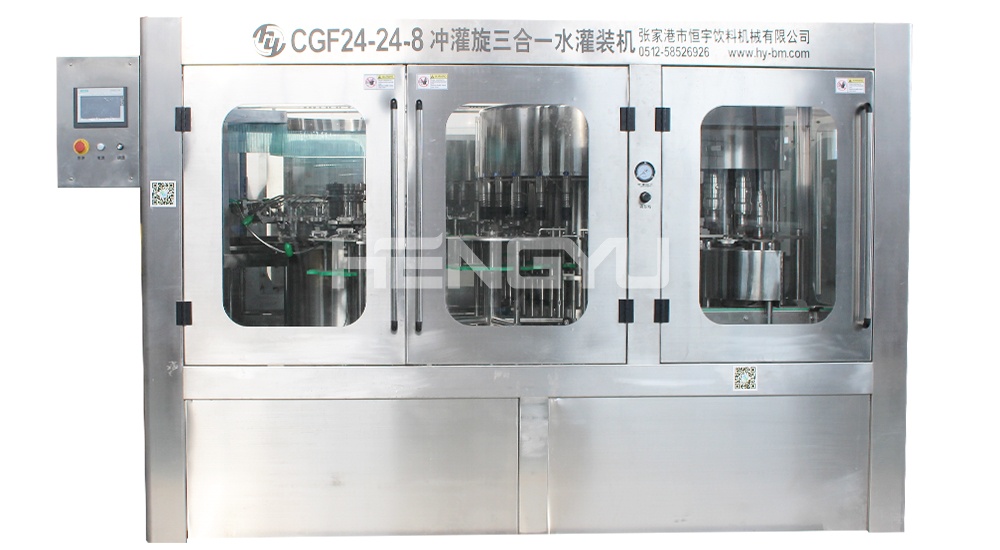
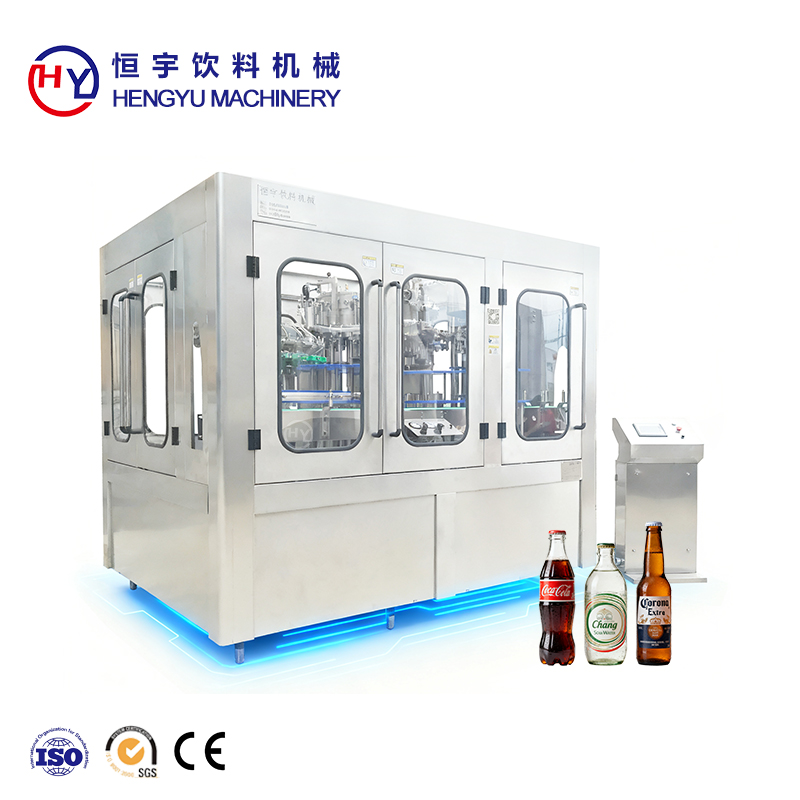
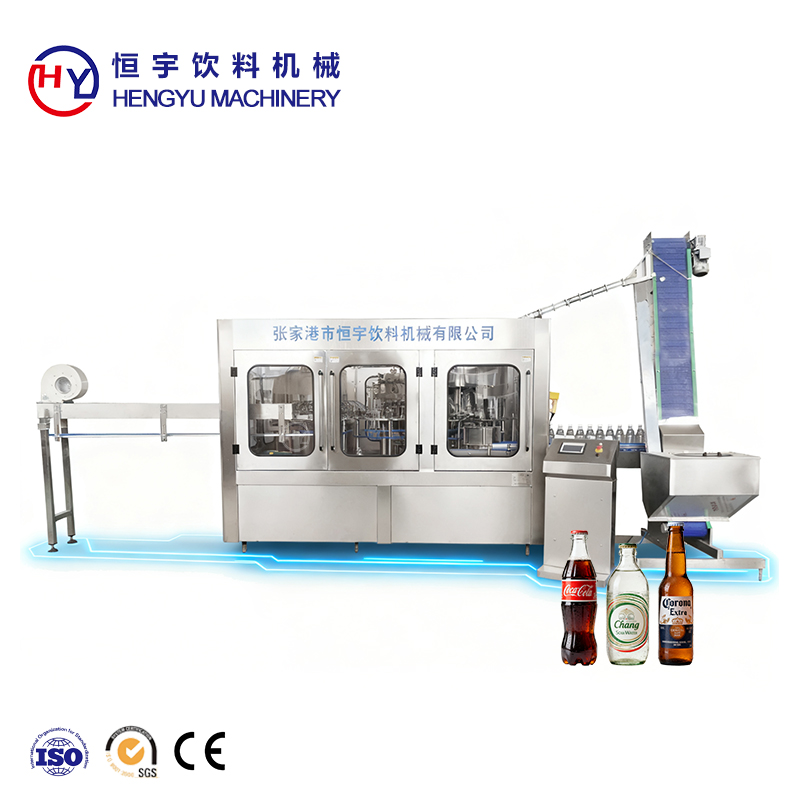
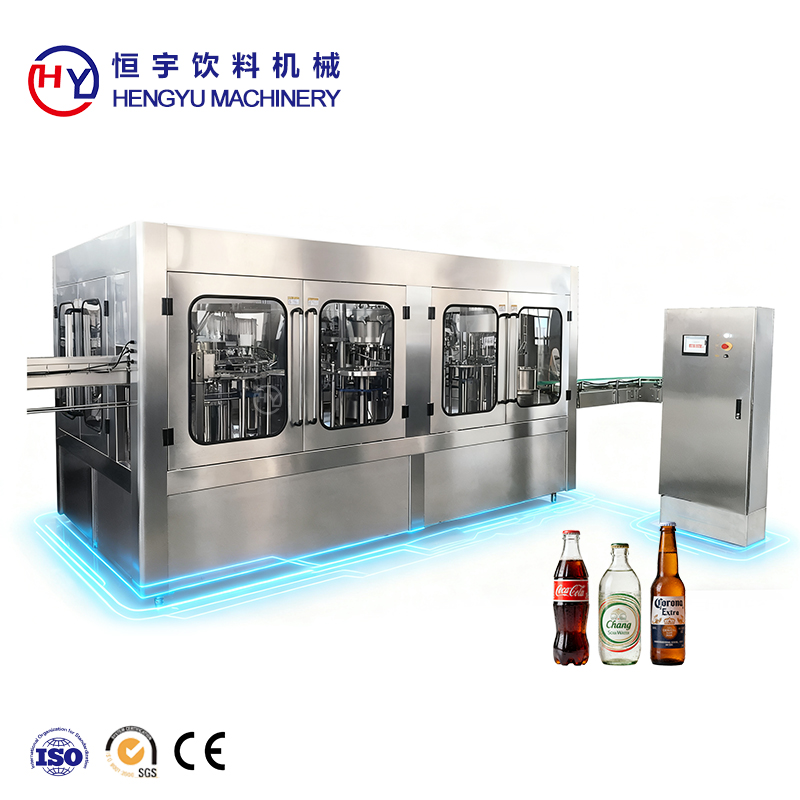
Understanding the soda bottling machine price requires a comprehensive look at what these sophisticated systems offer to beverage manufacturers. A soda bottling machine represents a significant investment for businesses ranging from small craft soda producers to large-scale beverage manufacturing operations. The soda bottling machine price typically varies based on production capacity, automation level, and technological sophistication, with entry-level semi-automatic units starting around fifteen thousand dollars and fully automated industrial systems reaching several hundred thousand dollars. These machines perform essential functions including bottle rinsing, carbonated beverage filling, capping, labeling, and quality control verification. The core technological features of modern soda bottling equipment include precise carbonation control systems that maintain consistent CO2 levels, sanitary stainless steel construction meeting food safety standards, programmable logic controllers for automated operation sequences, and adjustable filling heads accommodating various bottle sizes. Advanced models incorporate touch-screen interfaces, real-time production monitoring, and integration capabilities with existing production lines. The applications of soda bottling machines span multiple beverage categories including traditional sodas, sparkling water, energy drinks, carbonated juices, and craft beverages. When evaluating the soda bottling machine price, manufacturers must consider production volume requirements, available floor space, technical support availability, and long-term operational costs. The machine's capacity directly influences pricing, with units processing anywhere from thirty bottles per minute for smaller operations to six hundred bottles per minute for high-volume facilities. Additional factors affecting the soda bottling machine price include material compatibility, changeover flexibility between different bottle formats, energy efficiency ratings, and included warranty coverage. Smart manufacturers recognize that the initial soda bottling machine price represents just one component of total cost of ownership, with maintenance requirements, spare parts availability, operator training needs, and production efficiency gains all contributing to the overall value proposition of these essential production assets.

New Product Recommendations

Investing in the right equipment at the appropriate soda bottling machine price delivers substantial practical benefits that directly impact your bottom line. First and foremost, automated bottling systems dramatically increase production speed compared to manual operations, allowing businesses to fulfill larger orders and meet growing market demand without proportionally increasing labor costs. A machine that processes two hundred bottles per minute can accomplish what would require dozens of workers, fundamentally transforming production economics. The consistency achieved through automated bottling eliminates human error, ensuring every bottle contains precisely the correct fill level and carbonation strength, which protects brand reputation and reduces product waste. When you secure a competitive soda bottling machine price, you gain access to hygienic processing that meets stringent food safety regulations, with sanitary design features preventing contamination and extending product shelf life. Modern bottling equipment includes built-in cleaning systems that sanitize components between production runs, maintaining the highest quality standards without extended downtime. The flexibility offered by contemporary machines justifies their soda bottling machine price through quick changeover capabilities, enabling manufacturers to switch between different bottle sizes, cap styles, and product formulations within minutes rather than hours. This adaptability supports diverse product portfolios and seasonal variations without requiring multiple dedicated production lines. Energy-efficient designs in newer models reduce operational expenses, with optimized motors, intelligent power management, and heat recovery systems lowering utility bills substantially over the equipment's lifespan. The soda bottling machine price also reflects precision engineering that minimizes product loss, with accurate filling mechanisms preventing overfilling waste and underfilling compliance issues. Reduced labor requirements mean fewer workplace injuries, lower insurance premiums, and simplified workforce management, while automated systems operate reliably during extended shifts without fatigue-related quality degradation. Real-time monitoring capabilities alert operators to potential issues before they cause production stoppages, maximizing uptime and protecting revenue streams. The scalability inherent in modular bottling systems allows businesses to expand capacity incrementally as demand grows, making the initial soda bottling machine price an investment that grows alongside your business rather than becoming obsolete. Enhanced production data collection provides valuable insights into operational efficiency, helping manufacturers identify optimization opportunities and make informed decisions about resource allocation. Quality control integration catches defective bottles before they reach distribution channels, protecting consumer safety and avoiding costly recalls that damage brand equity far beyond any soda bottling machine price consideration.

Tips And Tricks

Glass Bottle Filling Machine vs Plastic Bottle Filling Machine

04

Mar

Glass Bottle Filling Machine vs Plastic Bottle Filling Machine

Material Properties Dictate Core Machine Design Glass fragility and thermal mass: why glass bottle filling machines require reinforced frames, shock-dampened conveyors, and precision neck-handling grippers Working with glass bottles means going th...
View More
How to Choose a Glass Bottle Filling Machine for Beverage Production

06

Mar

How to Choose a Glass Bottle Filling Machine for Beverage Production

Match Filling Technology to Beverage Type and Sensitivity Counter-Pressure Fillers for Carbonated Beverages and Beer Carbonated drinks like soda, sparkling water and beer need careful filling techniques to keep their fizz intact while avoiding exc...
View More
Increasing Capacity in Bottled Water Production Lines

09

Mar

Increasing Capacity in Bottled Water Production Lines

Diagnosing Bottlenecks in Your Bottled Water Production Line Measuring Throughput Gaps: Bottling Speed, Changeover Time, and OEE Analysis To get a handle on where production is falling short, look at three key performance indicators. Start by compa...
View More
How Bottled Water Production Lines Maintain Product Safety

12

Mar

How Bottled Water Production Lines Maintain Product Safety

Regulatory Foundations and the Multi-Barrier Safety Framework FDA, EPA, and ISO Standards Specific to Bottled Water Production Lines The bottled water industry works within a pretty strict set of regulations. The FDA has these things called Good Ma...
View More

Get a Free Quote

Our representative will contact you soon.
Email
Name
Phone/WhatsApp
Required Product
Message
0/1000

soda bottling machine price

Production Capacity Optimization and ROI Acceleration

Production Capacity Optimization and ROI Acceleration

The relationship between soda bottling machine price and production capacity represents one of the most critical considerations for beverage manufacturers seeking to optimize their return on investment. Understanding this connection helps businesses select equipment that aligns perfectly with current needs while providing growth runway for future expansion. Entry-level machines priced in the lower range typically offer production speeds between thirty and sixty bottles per minute, making them ideal for craft soda producers, startup beverage companies, and regional manufacturers serving localized markets. These systems provide an accessible entry point that allows smaller operations to transition from manual or semi-manual processes to automated production without overwhelming capital requirements. Mid-range soda bottling machine price points unlock significantly higher throughput, with equipment capable of processing one hundred fifty to three hundred bottles per minute, suitable for established regional brands experiencing steady growth or manufacturers supplying multiple distribution channels. The premium soda bottling machine price category encompasses high-speed industrial systems processing four hundred to six hundred or more bottles per minute, designed for national brands and contract manufacturers serving major retail accounts. The critical insight is that higher capacity equipment delivers exponentially better per-unit economics, reducing the cost of bottling each individual container while simultaneously increasing revenue potential through higher sales volume. When calculating true return on investment, forward-thinking manufacturers analyze not just the upfront soda bottling machine price but also the cost savings from reduced labor, decreased product waste, improved quality consistency, and enhanced production flexibility. A machine priced at one hundred thousand dollars that doubles production capacity while eliminating three full-time positions can achieve payback within eighteen to twenty-four months, after which it generates pure profit contribution. Production capacity optimization also involves matching machine capabilities to actual demand patterns rather than simply purchasing the largest system budget allows. Over-capacity creates unnecessary capital tie-up and higher maintenance costs, while under-capacity constrains growth and forces expensive overtime production or outsourcing. The ideal soda bottling machine price point corresponds to equipment that handles current peak demand plus twenty to thirty percent additional capacity for growth absorption, seasonal fluctuations, and operational contingencies. Modern machines offer modular expandability, allowing manufacturers to add filling heads, increase conveyor speed, or integrate additional processing stations as business scales, protecting the initial investment while avoiding complete system replacement.
Technology Integration and Operational Efficiency Enhancement

Technology Integration and Operational Efficiency Enhancement

The technological sophistication reflected in the soda bottling machine price directly correlates with operational efficiency improvements that transform manufacturing economics and competitive positioning. Contemporary bottling equipment incorporates advanced automation technologies that were unavailable just a decade ago, including servo-driven filling systems providing microliter-level accuracy, programmable logic controllers enabling complex production sequences, and human-machine interfaces simplifying operator interaction through intuitive touchscreen displays. These technological features justify premium soda bottling machine price points by delivering measurable performance advantages that reduce operating costs and improve product quality. Precision carbonation control systems maintain exact dissolved CO2 levels throughout production runs, ensuring consistent taste profiles and preventing quality variations that erode consumer confidence. Automated bottle inspection systems using vision technology detect defects including cracked containers, improper fill levels, missing caps, and label misalignment, removing defective products before they enter distribution channels and protecting brand reputation. The integration capabilities built into modern equipment allow seamless connectivity with upstream syrup preparation systems, downstream packaging equipment, and enterprise resource planning software that coordinates production scheduling, inventory management, and order fulfillment. This systems-level integration multiplies the value proposition beyond the standalone soda bottling machine price by optimizing entire production workflows rather than isolated processes. Energy management technologies embedded in premium equipment significantly reduce operational expenses through variable frequency drives that adjust motor speeds to actual demand, heat recovery systems that capture waste thermal energy for reuse, and intelligent standby modes that minimize power consumption during production gaps. Sanitary design principles incorporated into food-grade equipment simplify cleaning procedures and reduce downtime between product changeovers, with clean-in-place systems automating sanitization cycles that previously required manual disassembly and labor-intensive scrubbing. The diagnostic capabilities of computerized bottling systems provide predictive maintenance alerts that identify wearing components before failure occurs, preventing unexpected breakdowns that halt production and create expensive emergency repair situations. Data logging functions track production metrics including throughput rates, downtime incidents, quality rejections, and efficiency trends, providing manufacturers with actionable intelligence for continuous improvement initiatives. Remote monitoring capabilities allow technical support personnel to diagnose issues and adjust parameters without on-site visits, reducing service costs and minimizing resolution time when problems arise. The long-term value proposition extends far beyond the initial soda bottling machine price through reduced total cost of ownership, enhanced production reliability, and competitive advantages that strengthen market position and support premium pricing strategies.
Flexibility and Scalability for Diverse Production Requirements

Flexibility and Scalability for Diverse Production Requirements

The adaptability engineered into modern bottling equipment represents a crucial value dimension often underappreciated when evaluating soda bottling machine price options. Manufacturing environments face constantly evolving demands including seasonal product variations, limited-edition releases, package format diversification, and rapidly changing consumer preferences that require production flexibility without compromising efficiency. Traditional single-purpose bottling lines locked manufacturers into rigid configurations that necessitated substantial changeover time and sometimes complete equipment replacement when market conditions shifted. Contemporary systems justify their soda bottling machine price through modular designs that accommodate multiple bottle sizes, various closure types, different carbonation levels, and diverse product formulations within a single production platform. Quick-change components including adjustable guide rails, interchangeable filling nozzles, and tool-free height adjustments enable format transitions in fifteen to thirty minutes rather than several hours, dramatically improving asset utilization and responsiveness to market opportunities. This flexibility proves especially valuable for craft beverage producers and contract manufacturers serving multiple clients with distinct requirements, allowing a single capital investment to support diverse revenue streams rather than requiring dedicated equipment for each product line. The scalability built into well-designed systems protects the initial soda bottling machine price investment by supporting business growth without premature obsolescence. Modular architecture allows incremental capacity additions through extra filling heads, extended conveyor sections, or upgraded control systems that enhance capabilities while preserving the core equipment investment. This evolutionary approach to capacity expansion aligns capital deployment with revenue growth, avoiding the financial strain of replacing entire production lines or the competitive disadvantage of constrained capacity limiting sales potential. Format flexibility extends beyond simple bottle size variations to encompass different materials including glass, PET plastic, aluminum, and specialized containers, with adjustable handling systems preventing damage while maintaining production speed across substrate types. Recipe management capabilities store dozens of product formulations with associated parameters including fill volumes, carbonation levels, and quality thresholds, enabling rapid product switches through simple software selection rather than manual adjustments prone to operator error. The long-term strategic value of flexible bottling equipment compounds over years of operation as market conditions evolve, consumer trends shift, and business strategies adapt to competitive pressures. Manufacturers who select systems based solely on minimizing the upfront soda bottling machine price often discover that limited flexibility creates far greater costs through lost opportunities, constrained innovation, and premature equipment replacement needs. Conversely, investing in adaptable platforms that command higher initial prices delivers sustained competitive advantages through market responsiveness, operational agility, and the ability to capitalize on emerging opportunities without major capital redeployment. The relationship between flexibility and profitability underscores why sophisticated buyers evaluate soda bottling machine price within the broader context of strategic value creation rather than narrow cost minimization.